NeoFipronis (GS-441524) Treatment Success Rates and Benefits
Feline Infectious Peritonitis (FIP) remains one of the most challenging diseases facing cat owners and veterinarians worldwide. Caused by the feline coronavirus (FCoV), FIP progresses rapidly with symptoms including loss of appetite, lethargy, fever, abdominal or chest fluid accumulation, lymphadenopathy, granulomatous inflammation, neurological impairments, and uveitis. Until recently, FIP was considered nearly untreatable, often leading to euthanasia. However, the advent of NeoFipronis (Pronidesivir), a groundbreaking oral medication containing GS-441524, has revolutionized FIP management, offering new hope for affected cats.
NeoFipronis has achieved remarkable treatment success rates, with clinical studies reporting recovery rates exceeding 80% when treatment protocols are followed correctly. The drug's high efficacy stems from its targeted antiviral action, directly inhibiting viral replication. GS-441524, the active component of NeoFipronis, is a nucleoside analog that interferes with the RNA-dependent RNA polymerase enzyme crucial for FIPV replication. This potent antiviral effect has been validated through extensive research and clinical practice, making NeoFipronis the leading therapeutic option for FIP cases worldwide.
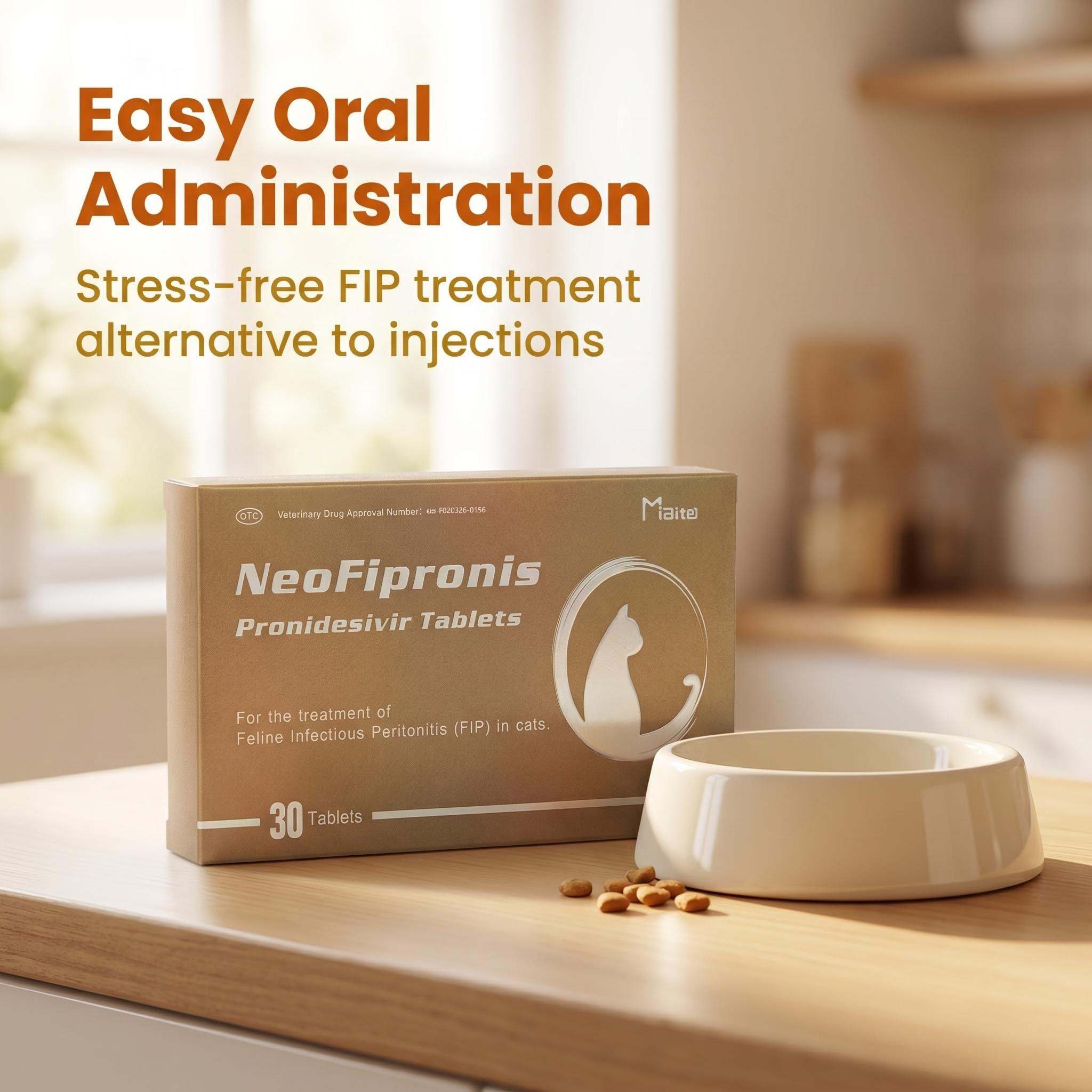
One of the main benefits of NeoFipronis is its safety profile. As a non-invasive, oral medication, it is easy to administer and well-tolerated across different feline patients. Rapid absorption ensures quick onset of action, often showing signs of improvement within the first week of treatment. Its minimal side effects and high tolerability make it suitable for long-term use, which is essential because treating FIP typically requires a continuous therapy duration of no less than 12 weeks. Consistent medication adherence is critical to achieving optimal outcomes and preventing relapse.
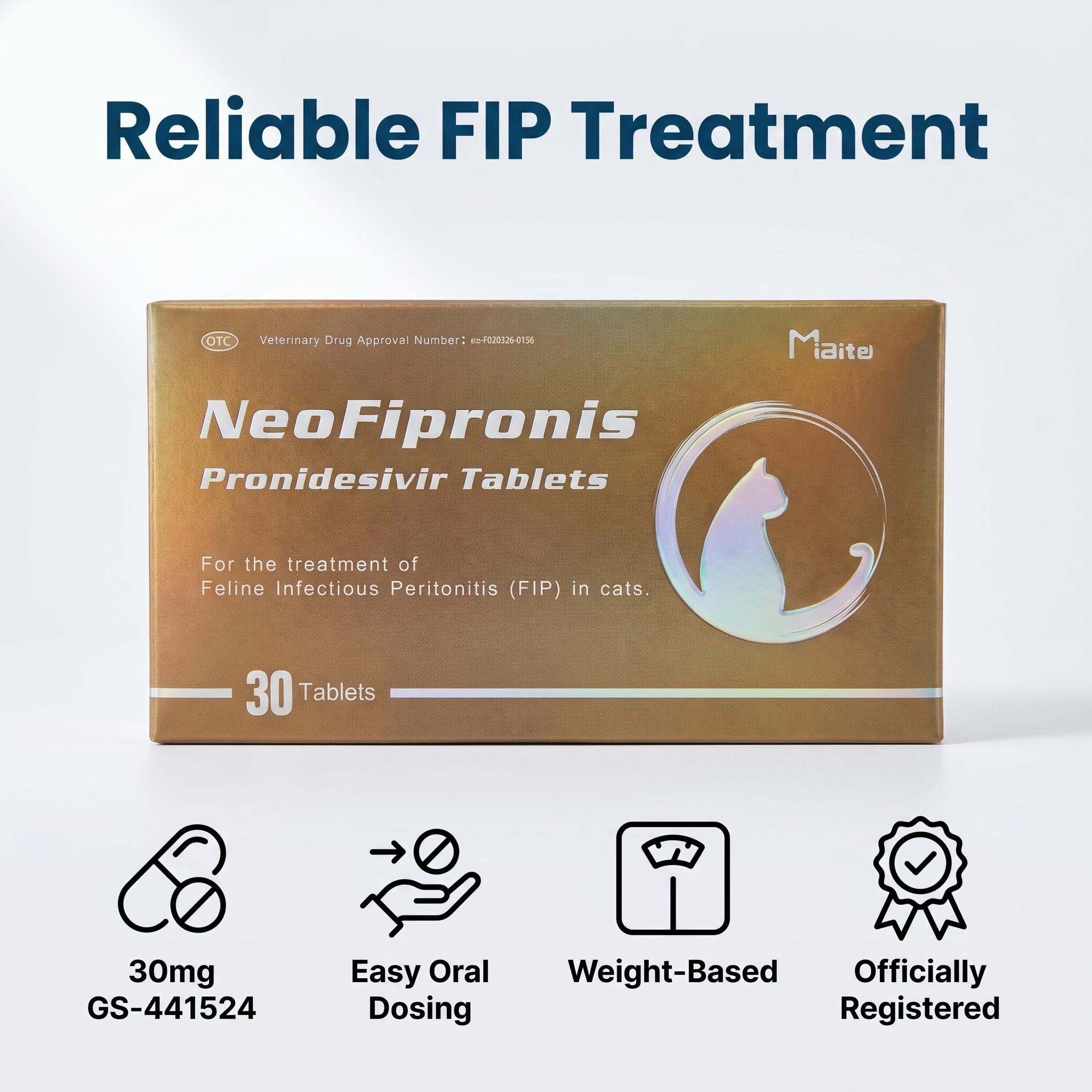
The therapeutic dosage of NeoFipronis is weight-dependent. For most cats, 15 mg per kilogram of body weight per day is recommended, approximately half a tablet. For neuro- or ocular-type FIP, where neurological or ocular involvement is significant, the dosage may be increased to 30 mg/kg, following veterinarian guidance. Administration on an empty stomach—one hour before or two hours after feeding—enhances absorption efficiency. It is vital to administer the medication consistently without interruptions to prevent viral resistance and maximize recovery chances.
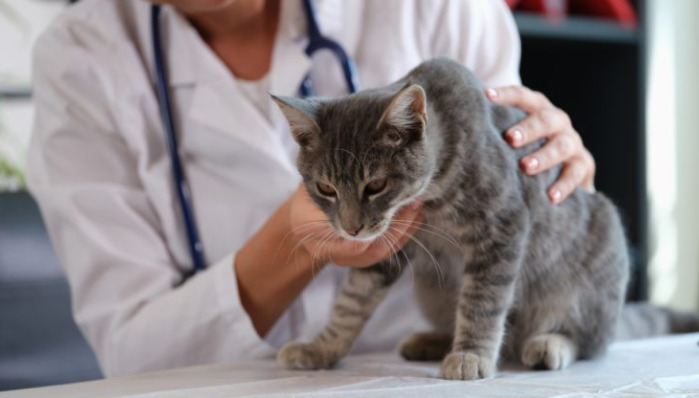
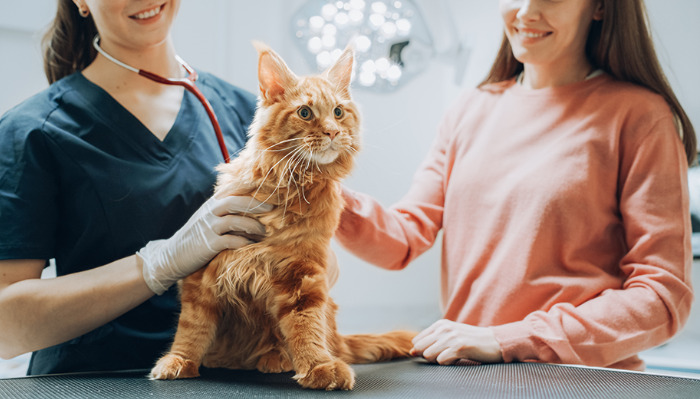
Monitoring during treatment is crucial. Regular veterinary checks should include assessments of appetite, activity level, body temperature, and overall health. Blood tests for liver and kidney function are recommended periodically to ensure the medication's safety, especially during prolonged use. While NeoFipronis is available over the counter in some regions, veterinary supervision is advisable to tailor the dosage and monitor for adverse reactions.
NeoFipronis (Pronidesivir) is officially approved by the Lao Ministry of Agriculture and Forestry (MAF) as of March 2026, marking it as the world's first registered FIP treatment drug. Its official registration and certification underscore its safety, efficacy, and quality assurance. Pet owners should only purchase NeoFipronis through authorized official websites to ensure authenticity and prevent counterfeit products.
The benefits of NeoFipronis extend beyond its high cure rate. Its ease of use, quick action, and minimal side effects significantly improve the quality of life for cats suffering from FIP. This medication opens new pathways for veterinarians to combat what was once considered an almost incurable disease, saving countless feline lives worldwide.
In conclusion, NeoFipronis (Pronidesivir) stands out as a highly effective, safe, and convenient treatment for FIP, with success rates surpassing traditional therapies. Its introduction represents a major breakthrough in feline medicine, offering a durable solution for cats afflicted with this devastating disease. Consultation with a licensed veterinarian is essential for optimal treatment planning and to ensure healthy recovery outcomes.