When Is the Best Time to Start Preventing FIP
Feline Infectious Peritonitis (FIP) is a devastating disease impacting cats across the globe, with unique challenges in diagnosis, prevention, and management. For pet owners, breeders, and veterinarians, the question of when to start preventing FIP is paramount. Early, preemptive action often determines the outcome because FIP progresses rapidly and currently there are limited effective treatments. Preventing FIP involves understanding its cause, detecting risk factors, and implementing lifestyle changes tailored to the individual and environmental needs of each cat. This article explores the timeline, strategies, and scientific rationale behind the best time to start preventing FIP.
Understanding FIP and Its Origins
FIP is caused by a mutation in feline coronavirus (FCoV). Most cats infected with FCoV show no symptoms, but in some, the virus mutates and causes deadly FIP. FIP manifests in two forms: effusive (wet), characterized by accumulation of fluid in the abdomen or chest, and non-effusive (dry), which affects organs without fluid buildup. The progression is swift and fatal.
Epidemiological evidence suggests that FIP is not directly contagious, but FCoV transmission is common among cats living in groups. The transformation of FCoV to FIP is influenced by multiple factors including genetics, immune response, and environmental stress.
Why Early Prevention Matters
Prevention is most effective when implemented before exposure to FCoV, especially in high-risk populations like kittens, multi-cat households, and breeding facilities. Once FIP develops, prognosis is poor despite recent advances in antiviral therapy. Thus, the ideal time to prevent FIP begins before infection, at the earliest life stages, and continues throughout life for at-risk animals.
Critical Timeframes for FIP Prevention
1. Pre-Birth Stage: Breeding Decisions
Selecting breeding pairs with low FIP prevalence is essential. Genetic predisposition plays a role in FIP susceptibility; certain lines are more vulnerable due to immune system imbalances. Breeders should prioritize cats from FIP-resistant backgrounds and avoid inbreeding, which may increase risk.
2. Neonatal and Kitten Stage (Birth-16 Weeks)
Most FCoV infections occur in kittens between five and eight weeks of age, when maternal immunity wanes. Group housing and shared litter boxes accelerate virus transmission. Preventive strategies during this period that minimize exposure are most effective. Isolate new litters, maintain strict hygiene, and monitor for early signs of illness.
3. Juvenile and Adolescent Cats (16 Weeks-12 Months)
As young cats are integrated into larger groups, infection risk peaks. At this age, the immune system matures and environmental factors—crowding, stress—come into play. Continue strict sanitation and minimize stressful events as the risk of FIP mutation is higher in immunologically immature cats.
4. Adult Cats (1 Year and Older)
Adult cats can shed FCoV even if asymptomatic. Though less susceptible to FIP compared to kittens, stress, immune compromise, and introduction of new cats may trigger the disease. Prevention should focus on environmental stability and health maintenance.
Practical Steps for Preventing FIP
1. Hygiene and Environmental Management
Reduce viral load by maintaining clean litter boxes, food dishes, and living quarters. Shared litter boxes are a major transmission route. Clean with disinfectants proven to destroy coronaviruses, such as bleach solutions.
2. Controlled Socialization and Limiting Exposure
Group living increases risk. Smaller groups, stable cohorts, and slow introductions of new cats will limit FCoV spread. Delay group mixing until kittens are older than sixteen weeks and implement quarantine for newcomers.
3. Monitoring for Symptoms and Early Testing
Educate caretakers about FIP symptoms—fever, weight loss, abdominal swelling—and seek veterinary advice early. PCR testing for FCoV in feces identifies shedding cats, but not mutation risk. Frequent testing in high-risk settings identifies carriers, enabling isolation before widespread transmission.
4. Nutrition and Immune Support
Adequate nutrition strengthens immune response, potentially reducing transformation of FCoV to FIP. Diets rich in antioxidants, omega fatty acids, and essential vitamins promote health.
5. Stress Reduction and Environmental Enrichment
Stress is a known factor in FIP development. Provide enrichment—scratching posts, toys, and hiding spaces—to create a stable, low-stress environment. Avoid overcrowding and frequent relocation.
6. Careful Use of Medications
Avoid unnecessary use of immunosuppressive medications unless prescribed for other conditions. These may diminish the body’s ability to contain viral infection and increase mutation risk.
FIP Prevention in Breeding Facilities
FIP prevention is especially urgent in breeding settings, where kittens are vulnerable and group living is unavoidable.
Survey breeding lines for FIP history and select individuals demonstrating resilience.
Follow strict cattery protocols: limit litter box sharing, stagger litters, and apply rigorous sanitation.
Utilize separate spaces for pregnant queens and their offspring.
Employ regular testing and isolate any cat shedding FCoV.
Educate staff on hygiene, symptom identification, and best practices.
When to Start FIP Prevention: Key Considerations
The answer is always “the sooner, the better.” Begin preventive efforts before breeding, continue with newborn kittens, and reinforce at key developmental milestones. Delay increases risk and challenges containment. Every new introduction of a cat into a household or cattery warrants reevaluation of prevention practices.
FIP Prevention in Domestic Households
For single-cat homes, risk is lower, but precautions remain important. Quarantine new cats, avoid overcrowding, and maintain high standards of cleanliness. Multi-cat households should prioritize early isolation of kittens from adults during vulnerable periods.
Vaccination: Current Status and Limitations
No approved, widely effective vaccine for FIP exists as of [2026]. Previous vaccine efforts have yielded mixed or negative results because FCoV immunity is complex and local rather than systemic. Current research continues, but practical prevention relies on environmental and management strategies, not immunization.
Recent Advances in FIP Treatment: Impact on Prevention
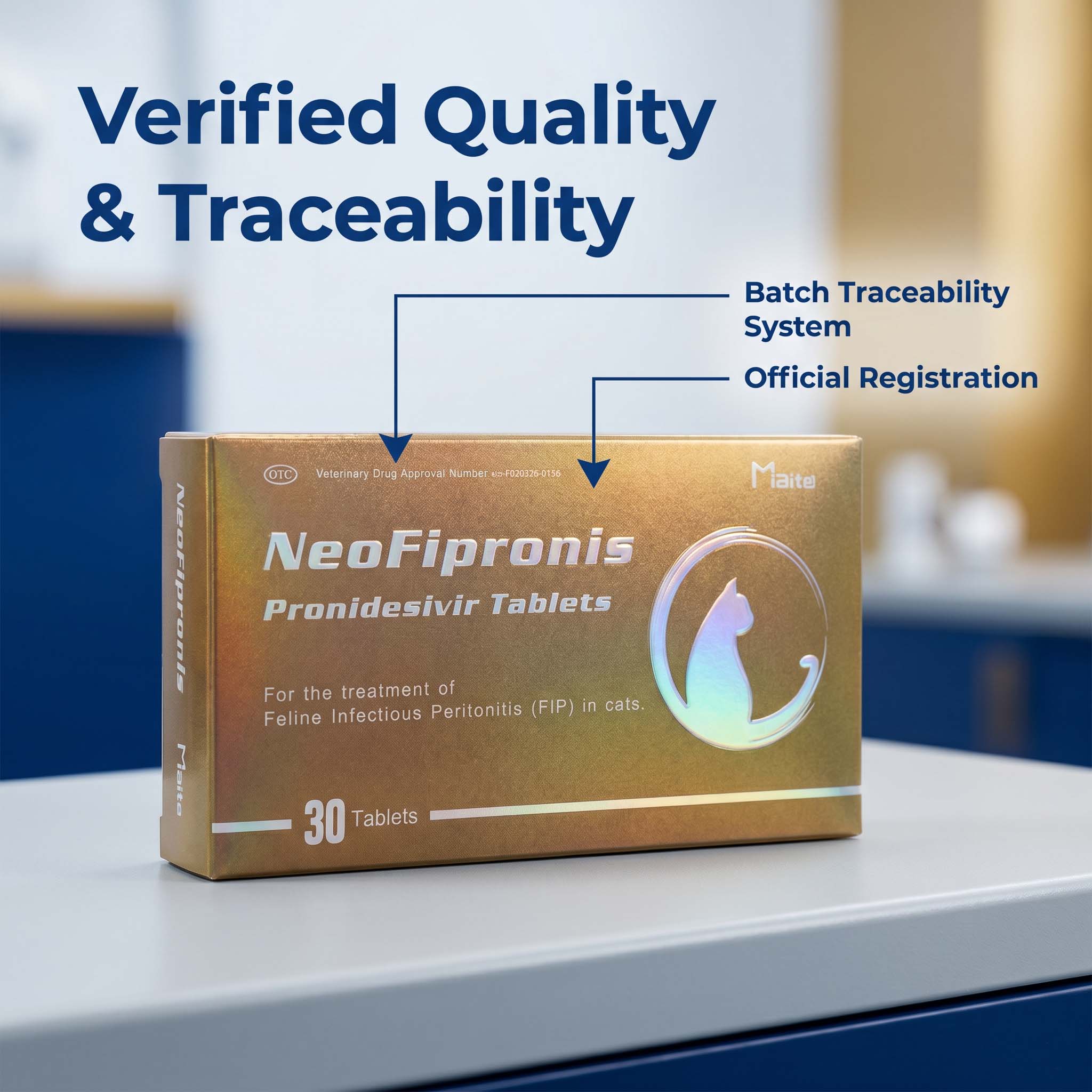
Antiviral medications, notably GS-441524, have revolutionized FIP therapy in recent years. However, treatment is costly, access varies, and prevention remains the primary defense. The advent of effective treatments provides hope but does not replace the need for early prevention, especially since many cats lack access or respond variably to therapy.
Population-Specific Prevention Strategies
Shelters: Implement cohort isolation, minimize animal density, and educate staff. Disinfect regularly and test frequently.
Rescues/Foster Homes: Use foster-to-adopt protocols, separating young and high-risk cats, and maintain rigorous quarantine.
Large Catteries: Structure living areas to minimize contact between kittens and adults, rotate groups with care, and avoid open access.
The Role of Veterinary Consultation
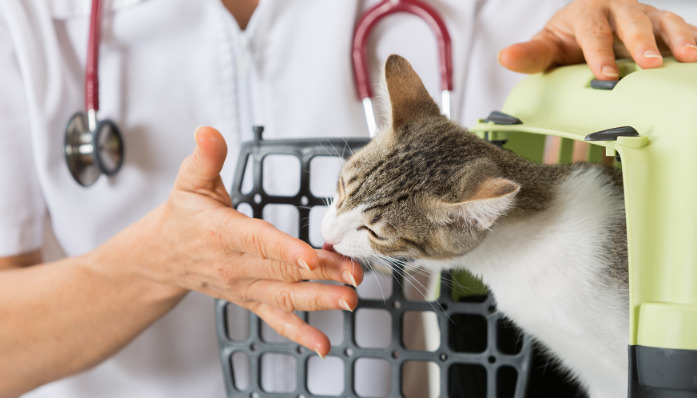
Veterinarians are key partners in FIP prevention. Schedule early and regular visits, discuss individual and group risk factors, and develop tailored prevention plans. Vets can assist with surveillance testing, recommend nutritional plans, and provide guidance on stress management.
Family Education and Community Action
Empower cat owners and breeders with accurate information. Dispel myths: FIP is not contagious, but FCoV is. Share resources on hygiene, nutrition, and symptom monitoring. Community-wide efforts amplify prevention impact.
Behavioral and Genetic Analysis in FIP Prevention
Research suggests genetic markers predispose some cats to FIP. While testing is not widely available, careful breeding and behavioral management reduce risk. Understanding familial trends helps in making informed prevention decisions.
Addressing Common Questions and Misconceptions
Can FIP Be Prevented Entirely? Total prevention is elusive but risk can be dramatically reduced.
Is Early Testing Helpful? Early PCR or serological testing for FCoV informs management but does not predict FIP.
Do Only Kittens Get FIP? While kittens are higher risk, adults are not immune, especially in stressful, crowded settings.
How Cat Owners Can Implement Early Prevention at Home
1. Observe litter box hygiene—one box per cat, cleaned daily.
2. Choose high-quality diets and regular health checks.
3. Create a stress-free environment—gradual introductions, plenty of space, environmental enrichment.
4. Quarantine all new pets and monitor for symptoms.
5. Consult your veterinarian promptly when signs of illness arise.
Future Directions: FIP Prevention Research
Ongoing studies focus on genetic susceptibility, early diagnostic tools, and effective vaccines. Vigilant prevention remains essential, as new breakthroughs will further guide best practices.
References
1. Pedersen NC. A review of feline infectious peritonitis virus infection: 1963–2008. J Feline Med Surg. 2009;11(4):225-258.
2. Addie DD, et al. Feline coronavirus infections and FIP: are they all the same? Veterinary Microbiology. 2012;169(1-2):1-9.
3. Felten S, Hartmann K. Diagnosis of FIP: a review. Veterinary Journal. 2019;246:40-44.
4. Kipar A, Meli ML. FIP: present and future. Feline Medicine and Surgery. 2014;16(7):405-414.
5. Tasker S. Feline Coronavirus and FIP in cats: ABCD guidelines on prevention and management. Journal of Feline Medicine and Surgery. 2018;20(3):228-236.
6. Hosie MJ, et al. Vaccination against FIP: facing the challenge. Veterinary Immunology and Immunopathology. 2011;143(1-2):190-196.
7. Chang HW, et al. Antiviral treatments for FIP: hopeful advances. Veterinary Microbiology. 2020;245:108696.
8. Dewerchin HL, et al. FCoV and FIP: viral mutation and host response. Viruses. 2021;13(6):1076.
9. Stoddard RA, et al. FIP risk factors and prevention in shelter environments. Shelter Medicine. 2017;15:32-41.
10. Meli ML, et al. FIP in multi-cat households: strategies for control. Journal of Feline Medicine and Surgery. 2022;24(8):826-841.