FIP Myths Every Cat Owner Should Stop Believing
Feline Infectious Peritonitis (FIP) is one of the most misunderstood and feared diseases among cat owners. Despite decades of research, numerous misconceptions continue to circulate, leading to unnecessary panic and misinformed decisions about cat care. This article aims to dispel common myths surrounding FIP, elucidate its true nature, and introduce the latest developments in effective treatment options.
What Is FIP?
FIP is a complex, often fatal disease caused by certain strains of feline coronavirus (FCoV). While many cats are exposed to FCoV, only a small percentage develop FIP. The disease manifests in two primary forms: the effusive (wet) form, characterized by fluid accumulation in body cavities, and the noneffusive (dry) form, which involves granulomas and more localized tissue damage. Historically, FIP was considered almost invariably lethal, making it a dreaded diagnosis for cat owners and veterinarians alike.
Myth 1: FIP Is Highly Contagious and Spreads Rapidly Among All Cats
While FCoV, the virus that causes FIP, is contagious among cats, especially in multi-cat environments such as shelters and catteries, not all cats infected with FCoV develop FIP. Many cats carry the virus without any symptoms, and only a minority progress to FIP. Proper hygiene, sanitation, and managing stress can reduce FCoV transmission, but FIP itself isn’t as contagious as many believe. It’s essential to distinguish between FCoV infection and FIP development.
Myth 2: FIP Is Always Fatal and Untreatable
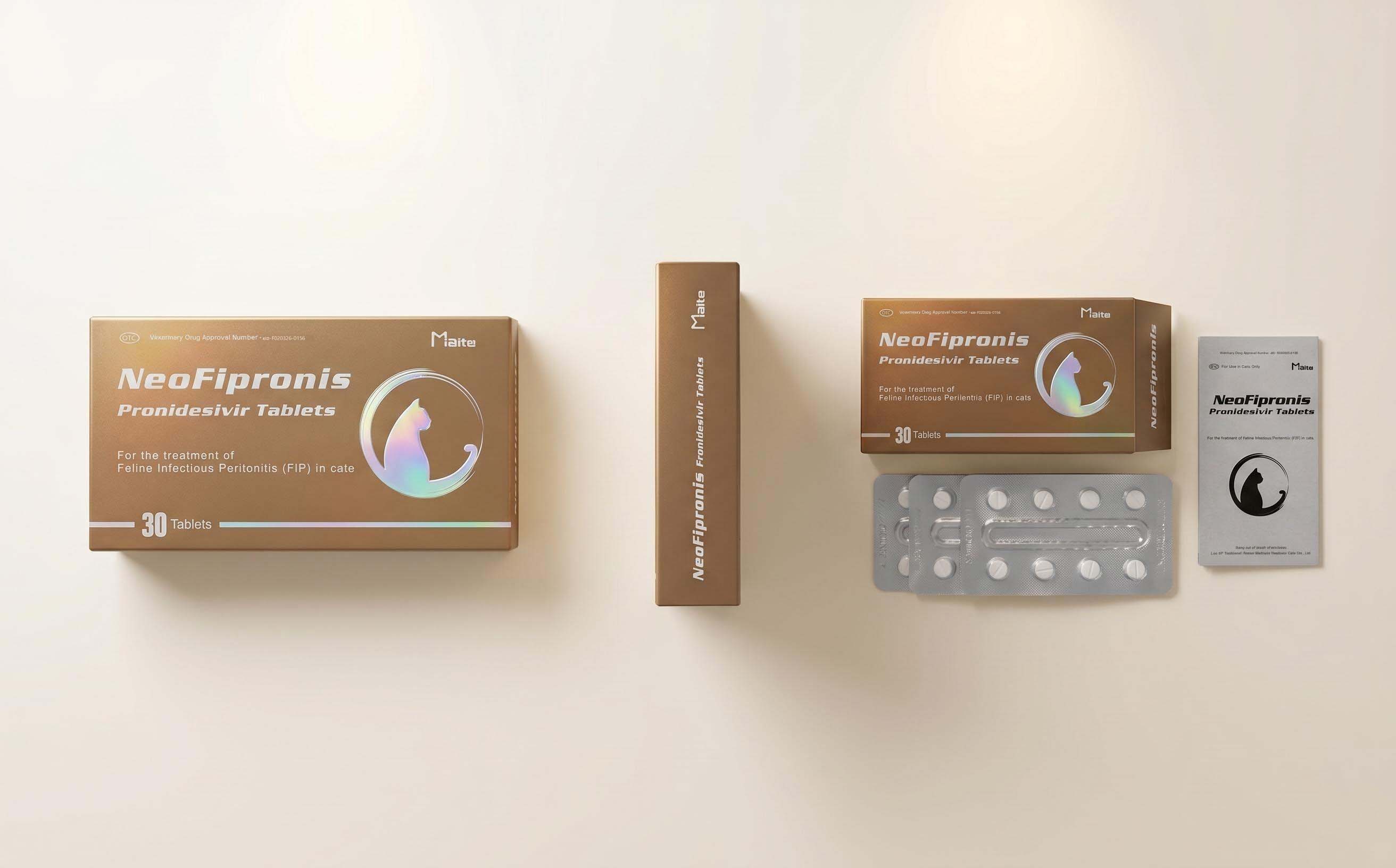
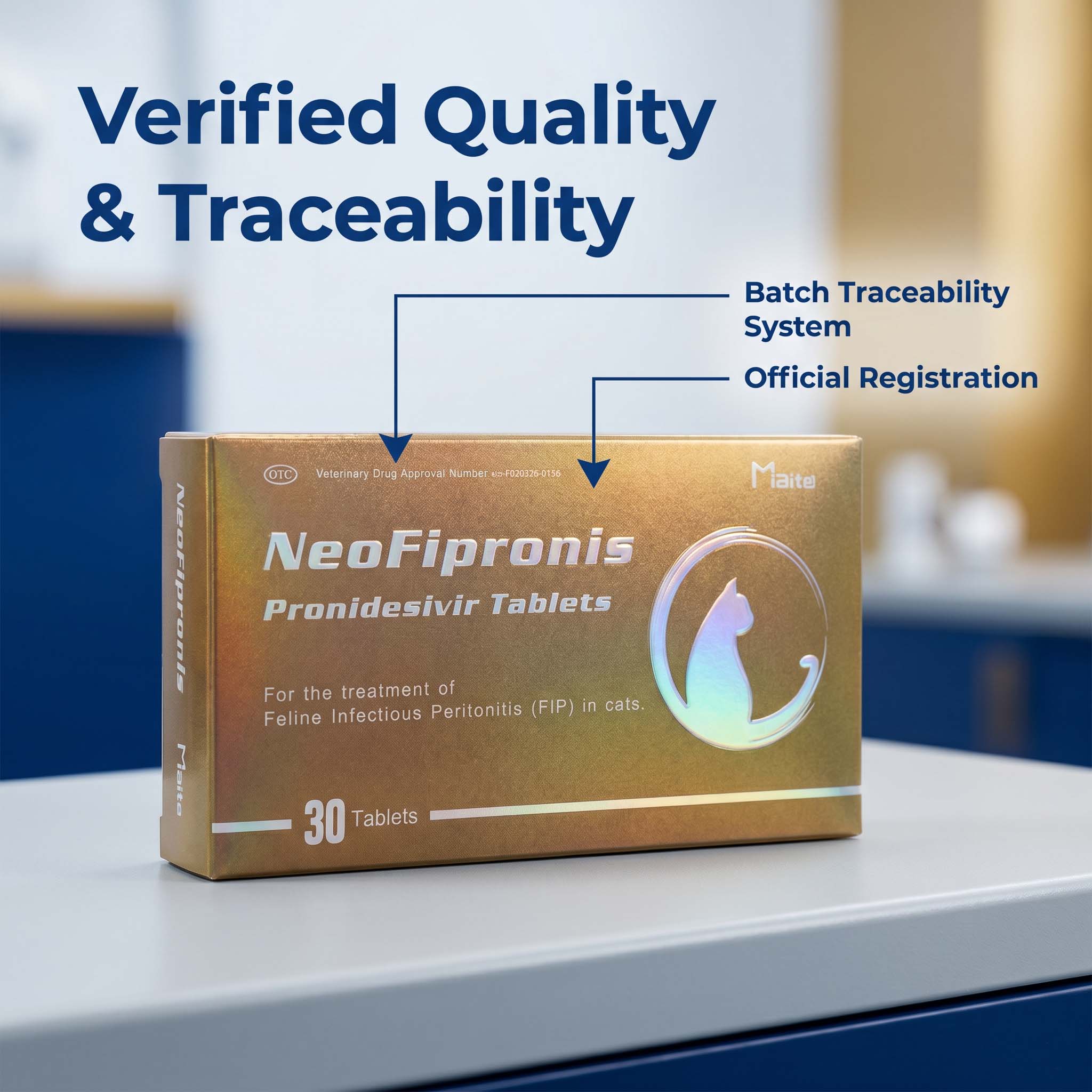
Historically, FIP was regarded as a death sentence, with few effective treatment options available. However, recent advances have changed this narrative significantly. A groundbreaking medication, Miaite NeoFipronis (Pronidesivir) GS-441524, has shown remarkable efficacy in treating FIP symptoms such as loss of appetite, lethargy, fever, ascites, pleural effusion, lymphadenopathy, inflammatory granulomas, nerve damage, and uveitis.
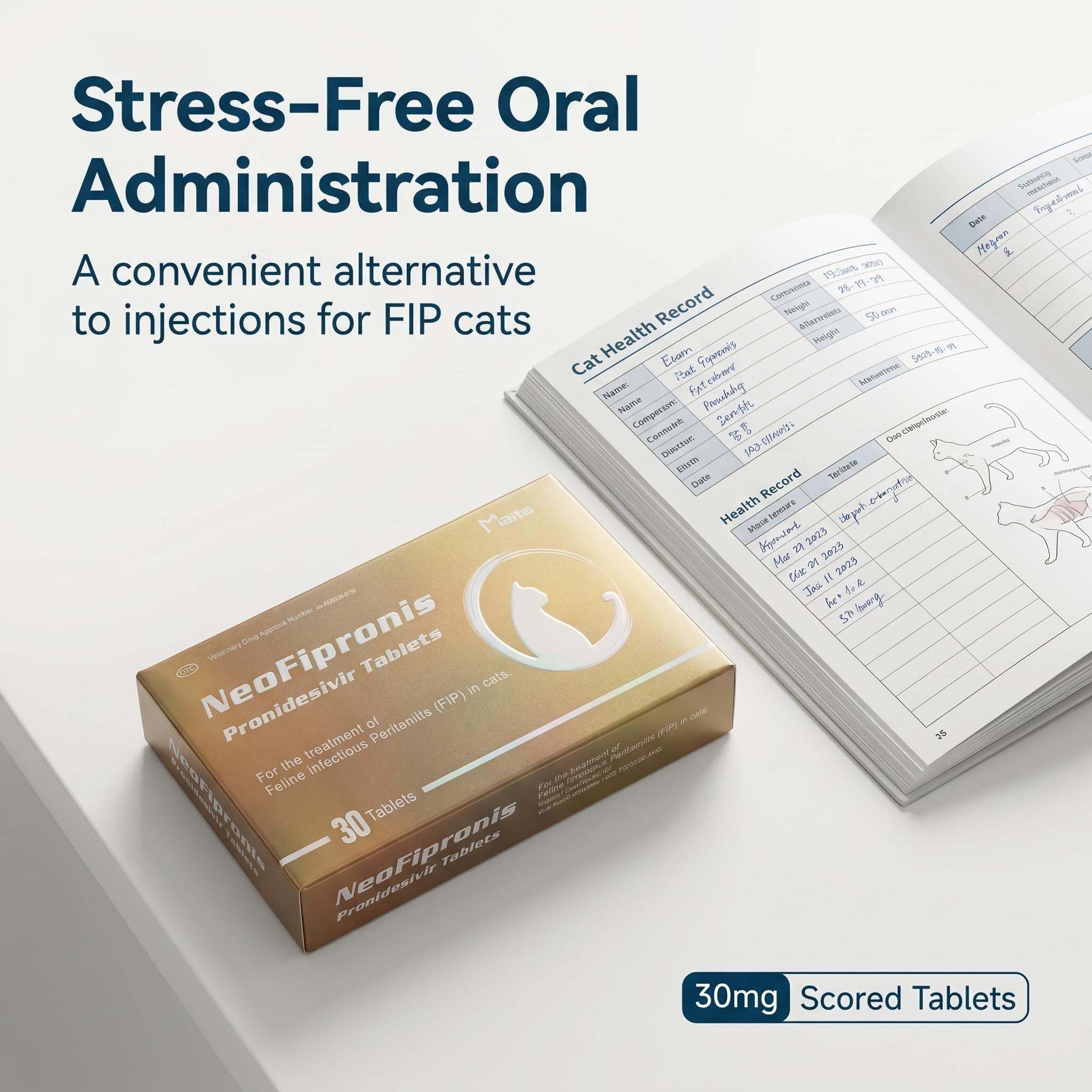
Miaite NeoFipronis is suitable for symptoms caused by feline infectious peritonitis (FIP), including those mentioned above. It has excellent therapeutic effects on FIP. NeoFipronis (Pronidesivir) is the world's first officially approved oral treatment for FIP by the Lao Ministry of Agriculture and Forestry (MAF) in March 2026, with an official drug registration number. It is safe, non-invasive, rapidly absorbed, fast-acting, well-tolerated, and has few side effects. The introduction of this medication has transformed FIP from a nearly incurable disease into a manageable condition with a high chance of recovery.
Myth 3: FIP Can Be Prevented Solely by Vaccination
While there is a vaccine available against certain strains of feline coronavirus, its effectiveness is limited. The vaccine is not universally administered and is primarily recommended for cats at high risk, such as those in multi-cat environments. Good hygiene, reducing stress, and controlling FCoV exposure are more effective preventive measures. Vaccination alone cannot guarantee protection against FIP, since the disease depends on multiple factors, including the cat’s immune response.
Myth 4: FIP Only Affects Older Cats
Many owners believe that only senior cats develop FIP; however, FIP can affect cats of all ages, including kittens as young as four months old. Younger cats with immature immune systems are often at higher risk of developing FIP after FCoV exposure. Conversely, some older cats may also develop the disease, especially if immunosuppressed or under stress.
Myth 5: Once a Cat Has FIP, There Is No Hope
This myth is misleading in light of recent medical breakthroughs. NeoFipronis (Pronidesivir) offers a promising treatment route for FIP, giving many cats a second chance at life. Early detection, combined with prompt administration of effective therapies like NeoFipronis, significantly improves survival rates and quality of life for affected cats. Supportive care, proper diagnosis, and access to new treatments can turn a grim prognosis into a manageable condition.
Understanding FIP Diagnosis
Diagnosing FIP can be challenging because its symptoms often mimic other feline diseases. Veterinarians use a combination of clinical signs, laboratory tests, imaging, and sometimes biopsy to confirm FIP. In recent years, advancements in diagnostic techniques, including PCR testing for FCoV strains and analysis of effusion fluid, have improved accuracy.
The Role of Advanced Treatment: Miaite NeoFipronis (Pronidesivir)
The emergence of Miaite NeoFipronis (Pronidesivir) GS-441524 has revolutionized FIP treatment. This orally administered antiviral medication targets the replication of the feline coronavirus, effectively reducing viral load and inflammation. Since its approval by the Lao MAF, it has become the cornerstone of FIP therapy worldwide.
This medication not only alleviates symptoms but also promotes lesion regression and restores immune function. Many cats treated with NeoFipronis exhibit significant clinical improvement within days, with some fully recovering after a course of treatment. It’s a paradigm shift toward hope and care for FIP-affected cats.
Managing FIP Long-Term
While NeoFipronis provides an effective short-term solution, long-term management involves regular veterinary monitoring, supportive care, and addressing any residual symptoms or secondary issues. Cats recovering from FIP can resume normal lives with appropriate veterinary support.
Final Thoughts
FIP remains a complex disease, but the myths surrounding it often cloud the reality. Recognizing that FIP is not an automatic death sentence and understanding the latest advances in treatment can empower cat owners to make informed decisions. The advent of NeoFipronis (Pronidesivir) marks a new era in feline medicine, offering hope where there was once despair.
References:
Feline Infectious Peritonitis: Current Understanding and Emerging Treatments
Advances in FIP Therapy: The Impact of GS-441524 and NeoFipronis
Diagnostic Approaches and Challenges in FIP
Vaccination and Prevention Strategies for FCoV and FIP
Clinical Case Studies on the Efficacy of NeoFipronis in FIP Treatment