When to See a Vet for Suspected FIP Symptoms
Feline Infectious Peritonitis (FIP) is a serious and often fatal disease caused by a mutated coronavirus Infecting cats. Because it shares symptoms with many other feline ailments, prompt veterinary attention is crucial for proper diagnosis and management. Understanding when to seek veterinary help can make a significant difference in your cat's health and quality of life.
Recognizing the Signs of FIP
FIP commonly manifests in two forms: the "wet" (effusive) form and the "dry" (non-effusive) form. Both types display distinct symptoms, but some overlap exists. Early recognition can help ensure your cat receives timely medical attention.
Common Signs
Fever that persists despite antibiotics
Loss of appetite
Weight loss
Lethargy and weakness
Swelling or distension of the abdomen
Respiratory difficulties such as rapid breathing or cough
Neurological signs like seizures or behavior changes
Jaundice (yellowing of skin or eyes)
These signs can appear gradually or suddenly, often worsening over days or weeks.
When to Seek Immediate Veterinary Care
If your cat exhibits any of the following, urgent veterinary intervention is necessary:
Severe respiratory distress: Difficulty breathing, open-mouth breathing, or cyanosis (bluish gums) require immediate attention.
Sudden collapse or seizures: Neurological symptoms may indicate advanced disease or other emergencies.
Persistent high fever: Fever that persists despite supportive care.
Abdominal distension with pain: Accompanied by signs of pain or discomfort, suggestive of fluid buildup or organ involvement.
Inappetence leading to dehydration: Refusal to eat and signs of dehydration.
In such cases, quick action can provide relief and improve the prognosis.
When to Schedule a Routine Veterinary Checkup
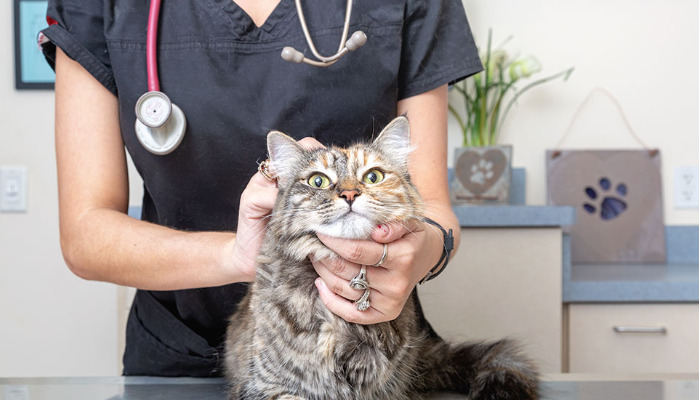
If your cat shows mild or vague symptoms, a scheduled veterinary visit is advisable. Early evaluation can help differentiate FIP from other illnesses.
Monitoring Symptoms: If your cat has mild symptoms like slight lethargy or a low-grade fever, closely monitor and record any changes.
Preventive Care: Regular health checks, vaccinations, and routine bloodwork can help identify health issues early, including FIP-related concerns.
Diagnostic Testing: Your vet may perform blood tests, imaging (such as ultrasound), or fluid analysis to investigate causes of symptoms.
Diagnostic Challenges
Diagnosing FIP is notoriously difficult because no single test definitively confirms the disease during life. The vet’s approach often combines clinical signs, laboratory results, and imaging studies.
Blood Tests: Elevated globulin levels, anemia, or lymphopenia may be indicative but are not specific.
Effusions and Fluid Analysis: In wet FIP, the characteristic cloudy, protein-rich fluid in the abdomen or chest can be examined.
Biopsy and Necropsy: Definitive diagnosis often occurs post-mortem, but biopsies can sometimes provide confirmation.
Given these challenges, early veterinary consultation is essential when suspicions arise.
The Importance of Early Intervention
While FIP was once considered almost universally fatal, recent advancements in research and supportive care can improve outcomes, especially when caught early. Initiating supportive treatments, such as anti-inflammatory medications, immune modulators, and careful fluid management, can sometimes extend and improve your cat’s quality of life.
Preventive Measures and Owner Vigilance
Preventing FIP involves managing coronavirus exposure, especially in multi-cat environments. Good hygiene, minimizing stress, and limiting contact with infected cats are vital.
Owners should remain vigilant for subtle changes in behavior or health. Regular veterinary visits and prompt reporting of any new symptoms can enable early intervention, potentially altering the disease course.
Final Thoughts
Recognizing the signs of FIP and knowing when to seek veterinary care can be lifesaving. Since symptoms can be nonspecific and progress rapidly, erring on the side of caution is always wise. Early diagnosis and supportive care can make a significant difference, offering your feline companion the best chance for a manageable quality of life.
References
1. Pedersen, N. C. (2014). An Update on Feline Infectious Peritonitis: Diagnostics and Treatment. Viruses, 6(8), 3047–3061.
2. Addie, D. D., & Tritschler, J. P. (2015). Feline Infectious Peritonitis: An Update on Diagnostics and Therapy. Veterinary Clinics of North America: Small Animal Practice, 45(4), 879–900.
3. Dkiem, K., & Honnold, C. (2020). Recognizing and Managing Feline Infectious Peritonitis. Journal of Feline Medicine and Surgery, 22(12), 1154–1160.
4. Hartmann, K., et al. (2020). Feline Infectious Peritonitis: ABCD Guidelines on Prevention and Management. Veterinary Record, 186(4), 97–102.