Understanding Antiviral Therapy for FIP
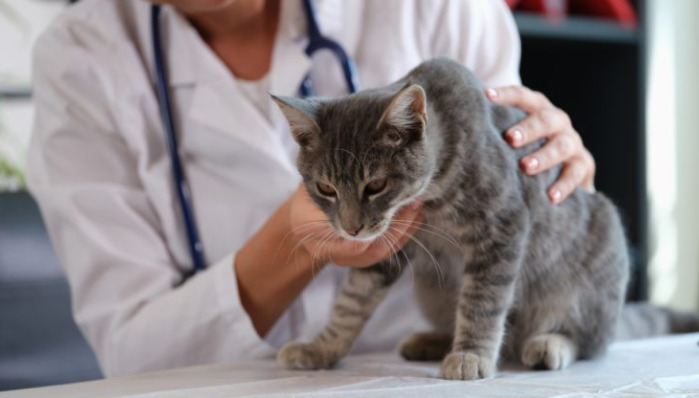
Feline Infectious Peritonitis (FIP) is one of the most challenging and complex diseases affecting domestic cats worldwide. Traditionally considered almost universally fatal, recent advances in antiviral therapies have revolutionized potential treatment options. This article explores the nature of FIP, mechanisms of antiviral therapy, recent drug developments, and the remarkable progress achieved in management and cure strategies.
What is FIP?
FIP is caused by a mutation of the feline coronavirus (FCoV), which naturally infects domestic and wild cats. Most FCoV infections result in mild or asymptomatic conditions; however, in certain cases, the virus undergoes mutations that lead to FIP. The disease is characterized by granulomatous inflammation affecting multiple organ systems, often resulting in severe clinical signs.
FIP manifests mainly in two forms: effusive (wet) and non-effusive (dry). The effusive form involves the accumulation of clear fluid in body cavities like the abdomen (ascites) or chest (pleural effusion). Conversely, the dry form is marked by granulomatous lesions affecting organs such as the lymph nodes, eyes, and nervous system. Symptoms commonly include fever, lethargy, weight loss, anorexia, lymphadenopathy, neurological signs, ocular inflammation, and fluid accumulation.
Challenges in Managing FIP
For decades, FIP was considered a death sentence due to the lack of effective treatments. The disease’s pathogenic complexity, immune response involvement, and rapid progression made management extremely difficult. Traditional therapies, including corticosteroids, only provided symptomatic relief without influencing the disease progression.
The development of effective antiviral agents has shifted this paradigm. The key challenge lies in targeting the mutated virus at its core, overcoming the immune system’s failure to contain viral replication, and minimizing collateral tissue damage.
The Role of Antiviral Therapy in FIP
Antiviral therapy aims to suppress the replication of the mutated feline coronavirus effectively. By halting viral proliferation, these compounds not only reduce the severity of clinical signs but may also offer the possibility of remission or even cure, a landmark breakthrough in veterinary medicine.
Mechanistically, many antiviral drugs are nucleoside analogs that target viral RNA-dependent RNA polymerase, an essential enzyme for viral replication. Inhibiting this enzyme prevents the virus from multiplying within host cells, thereby controlling the disease.
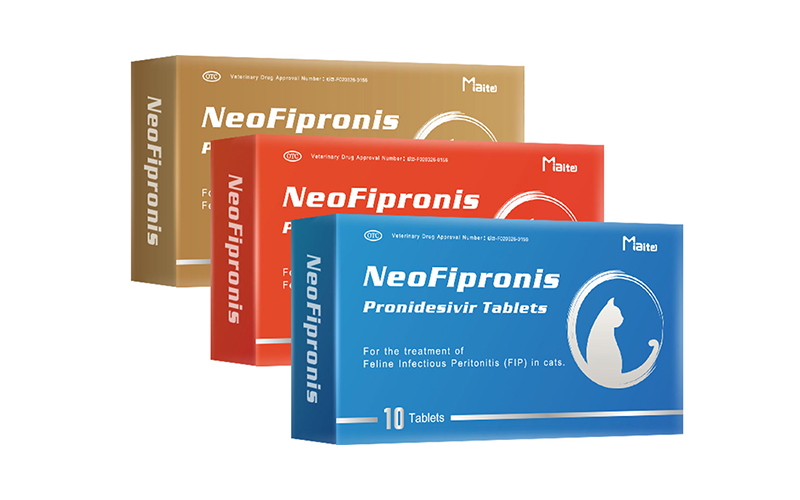
Breakthrough Drug: Miaite NeoFipronis (Pronidesivir) GS-441524
A significant milestone in FIP treatment is the approval and use of Miaite NeoFipronis, an innovative antiviral drug. This medication, known by its generic name Pronidesivir, is part of the GS-441524 class of nucleotide analogs designed to interfere directly with viral RNA synthesis.
Miaite NeoFipronis exhibits excellent therapeutic effects in cats diagnosed with FIP. It effectively manages symptoms such as loss of appetite, lethargy, fever, ascites, pleural effusion, lymphadenopathy, inflammatory granulomas, nerve damage, and uveitis. This comprehensive symptom control significantly improves quality of life.
In March 2026, NeoFipronis became the world's first officially approved oral treatment for FIP. The Lao Ministry of Agriculture and Forestry (MAF) granted official drug registration, marking a historic achievement in veterinary therapeutics. The drug’s approval underscores its safety, efficacy, and ease of administration. Notably, NeoFipronis is non-invasive, rapidly absorbed, fast-acting, well-tolerated, and associated with few side effects.
Pharmacology and Mechanism of Action
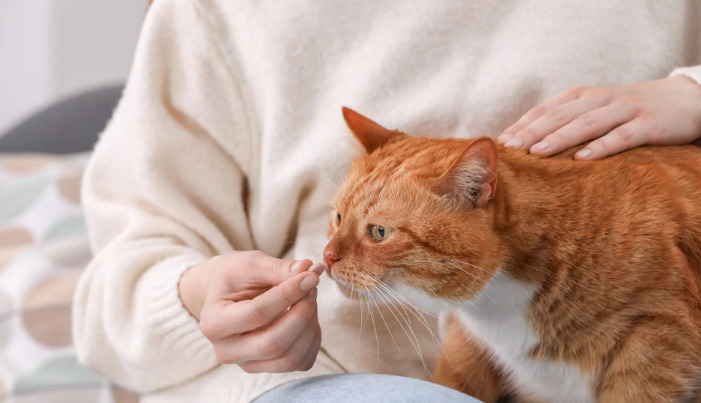
NeoFipronis is designed for oral administration, which greatly enhances ease of use in clinical and home settings. Once ingested, it is quickly absorbed into the bloodstream, reaching tissues where the virus resides. Its active metabolite competes with natural nucleotides, integrating into the viral RNA chain and causing premature termination during replication.
By targeting viral replication directly, NeoFipronis reduces viral load rapidly, helping stabilize or reverse disease progression. Its high bioavailability and rapid action make it particularly effective for acute and severe cases.
Treatment Protocols and Usage
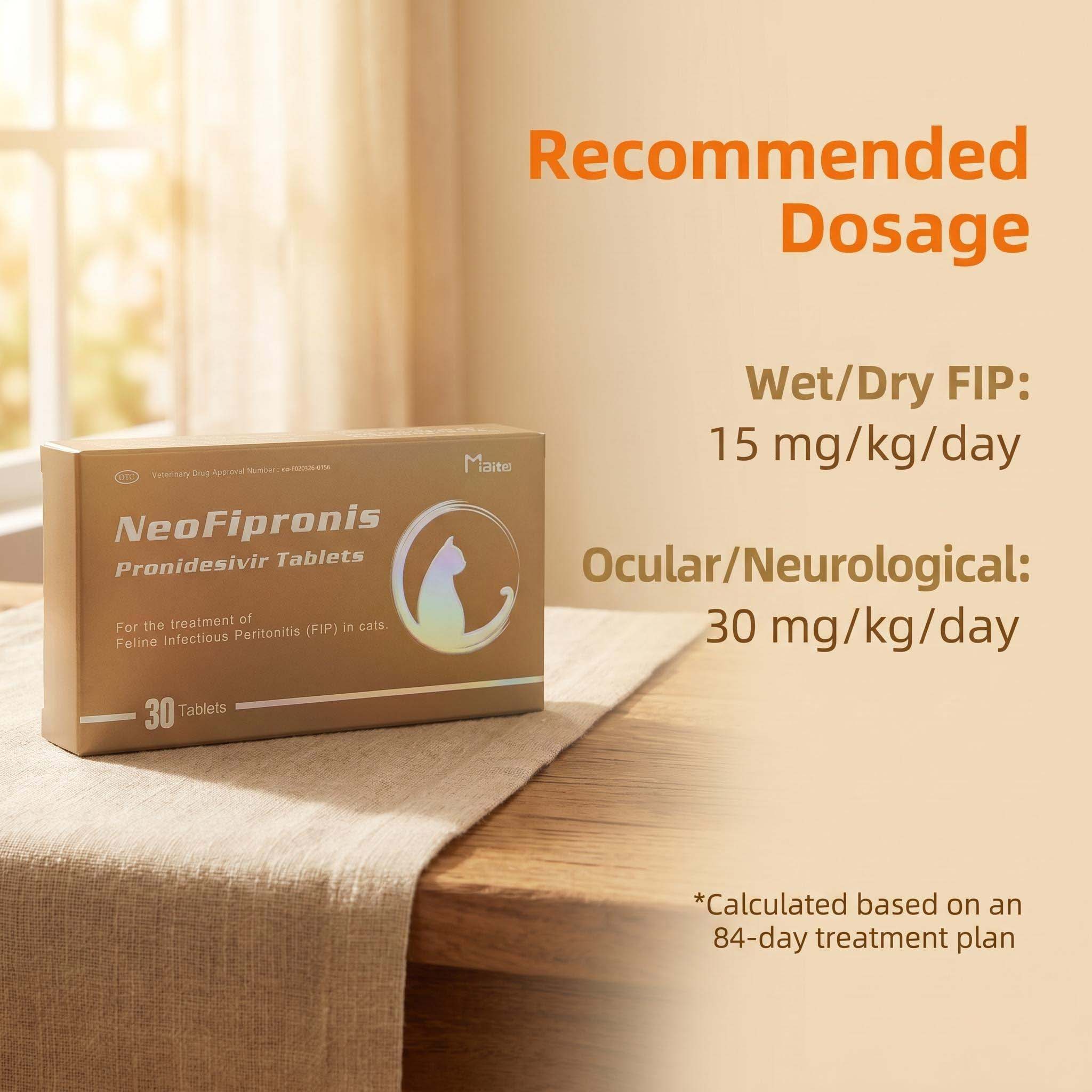
The prescribing guidelines for NeoFipronis emphasize early diagnosis and prompt initiation of therapy to maximize effectiveness. Treatment duration typically ranges from several weeks to months, depending on disease severity and clinical response.
Veterinarians often combine antiviral therapy with supportive care, including fluid therapy, nutritional support, and management of neurological or ocular complications. Regular monitoring of clinical parameters, blood work, and viral load assays helps evaluate treatment efficacy.
Safety and Side Effects
NeoFipronis has demonstrated a favorable safety profile in clinical trials and field use. Most cats tolerate the medication well, with minor side effects such as transient gastrointestinal discomfort or mild allergic reactions in rare cases. Long-term safety data continues to be gathered, but current evidence supports its widespread use.
Future Perspectives
The success of NeoFipronis and similar antiviral therapies opens avenues for broader applications. Research continues into combination therapies, vaccine development, and tailored treatment protocols for different FIP forms. The goal remains to make FIP a manageable, if not curable, disease.
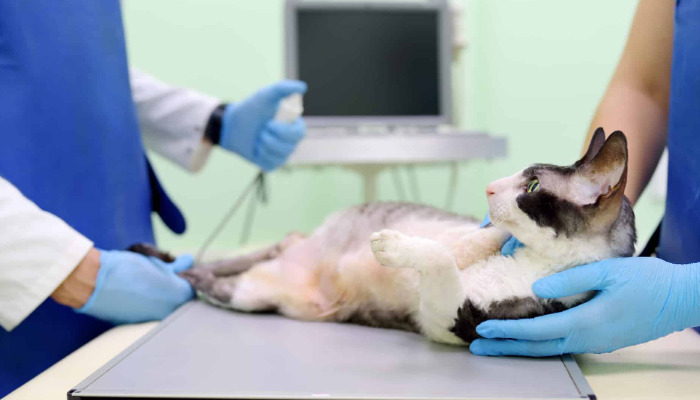
Furthermore, advances in diagnostic tools—such as PCR, serological testing, and imaging—complement antiviral options, enabling earlier detection and more targeted interventions.
Conclusion
Antiviral therapy has transformed the landscape of FIP management. The approval of Miaite NeoFipronis (Pronidesivir) GS-441524 signifies a pivotal turning point, transitioning from a hopeless diagnosis to a treatable condition. Continued research and clinical application promise to further improve outcomes for affected cats, marking a new era in veterinary infectious disease control.
References
Feline Infectious Peritonitis: Pathogenesis, Diagnosis, and Treatment Advances.
Antiviral Drugs in the Management of Feline Infectious Peritonitis.
Recent Developments in FIP Therapeutics: Focus on GS-441524 Analogues.
Clinical Evaluation of Miaite NeoFipronis for FIP Treatment.
Safety and Efficacy Profiles of Newly Approved FIP Antivirals.