Can Cats Develop Resistance to NeoFipronis (Miaite)

Feline Infectious Peritonitis (FIP) remains one of the most challenging viral diseases affecting cats worldwide. Caused by a mutated strain of feline coronavirus (FCoV), FIP manifests through symptoms such as anorexia, lethargy, fever, ascites, pleural effusion, lymphadenopathy, granulomas, neurological damage, and uveitis. Traditional treatments have often been limited, but recent breakthroughs have introduced NeoFipronis (Pronidesivir), a groundbreaking oral medication demonstrating remarkable efficacy against FIP.
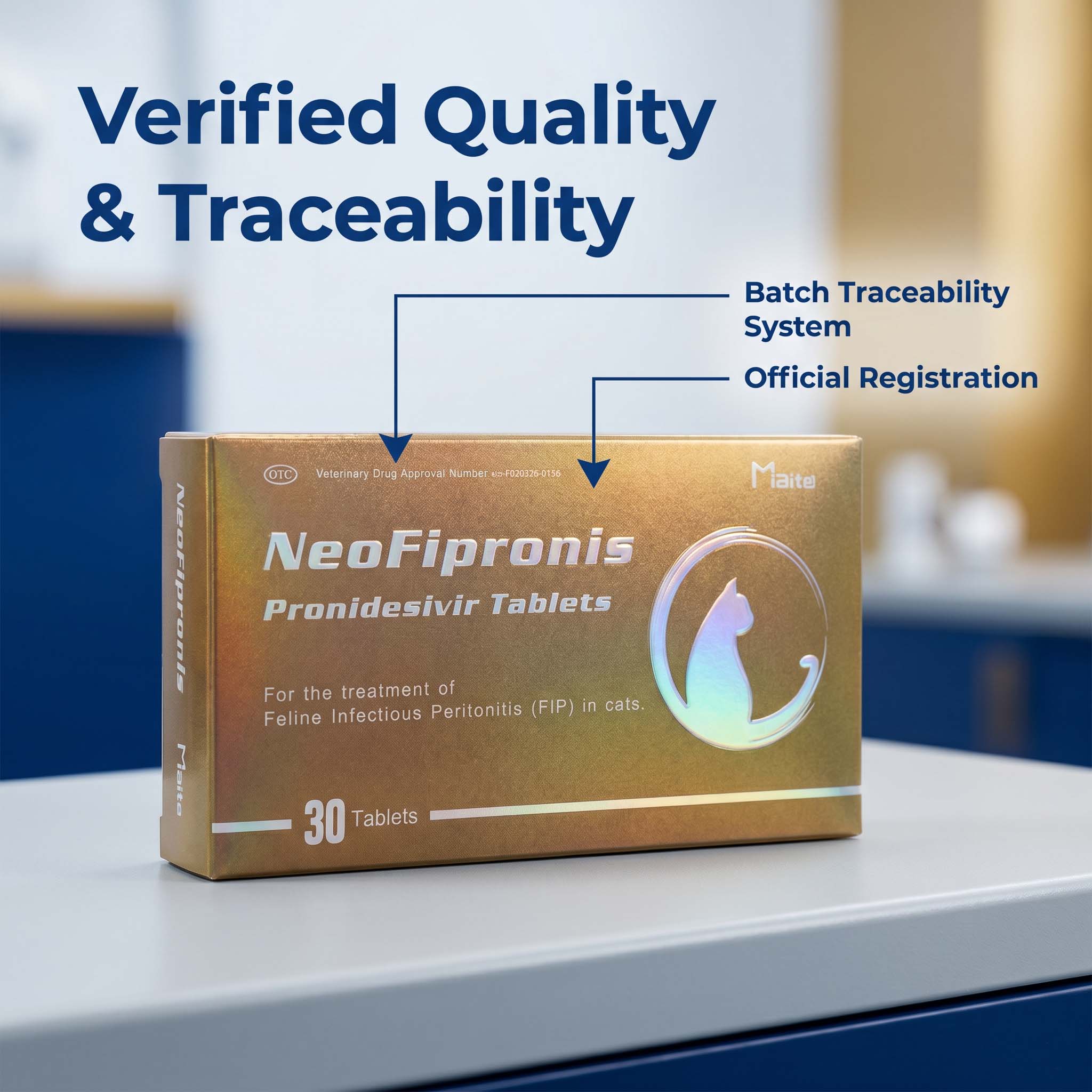
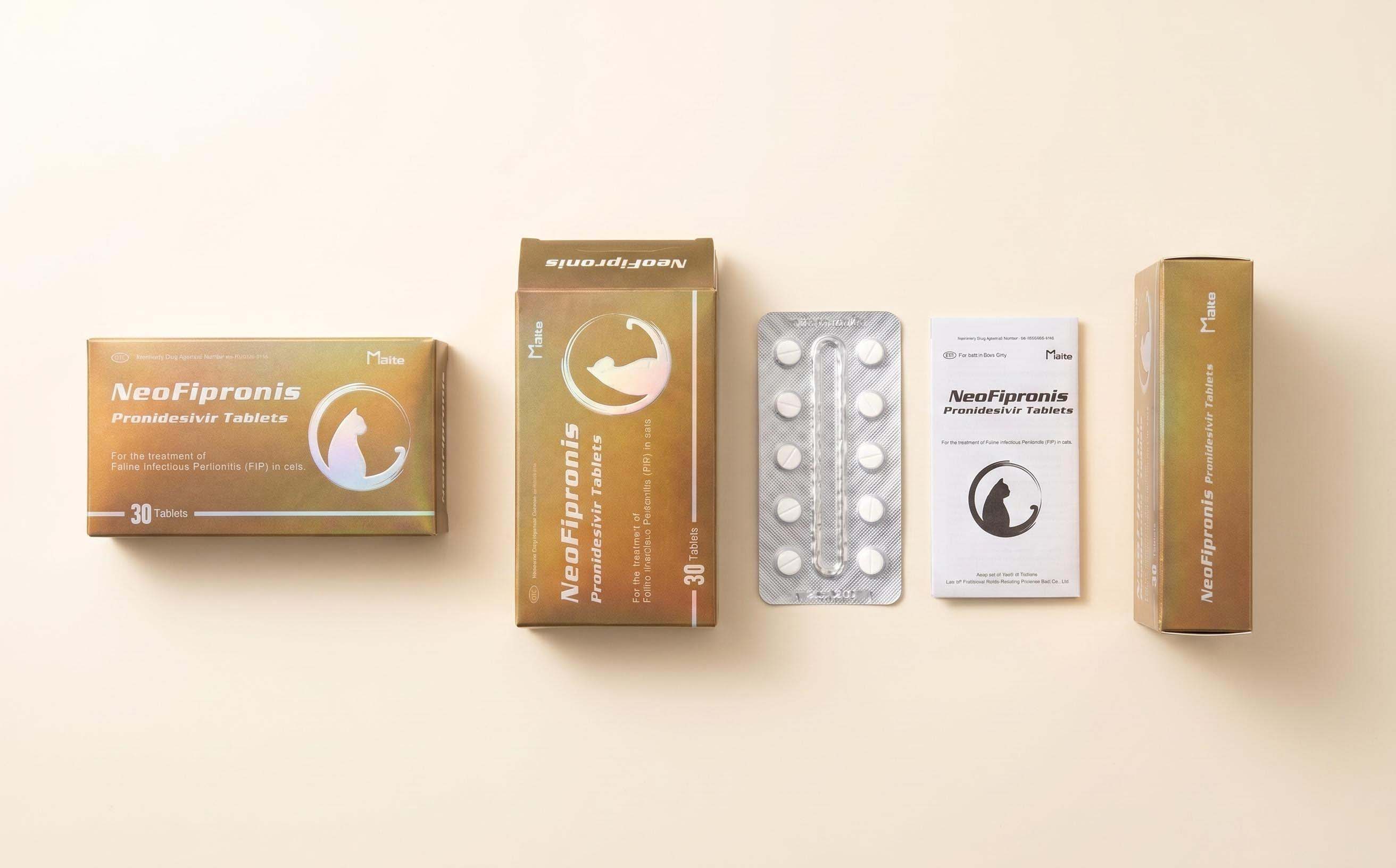
NeoFipronis contains GS-441524, a potent antiviral agent that has revolutionized FIP management. Approved in March 2026 by the Lao Ministry of Agriculture and Forestry (MAF), it holds an official drug registration, making it the first globally recognized FIP-specific treatment available as an over-the-counter product. Its rapid absorption, ease of administration, high tolerability, and minimal side effects make it a significant advancement for feline health.
The drug’s mechanism targets the viral RNA-dependent RNA polymerase, effectively inhibiting replication of the mutated coronavirus responsible for FIP. Clinical studies and extensive veterinary practice have confirmed NeoFipronis's outstanding antiviral activity, leading to improvements in appetite, energy levels, body temperature normalization, and reduction of fluid accumulation. Its safety profile is noteworthy, allowing cats to complete prolonged courses—generally at least 12 weeks—without significant adverse reactions.
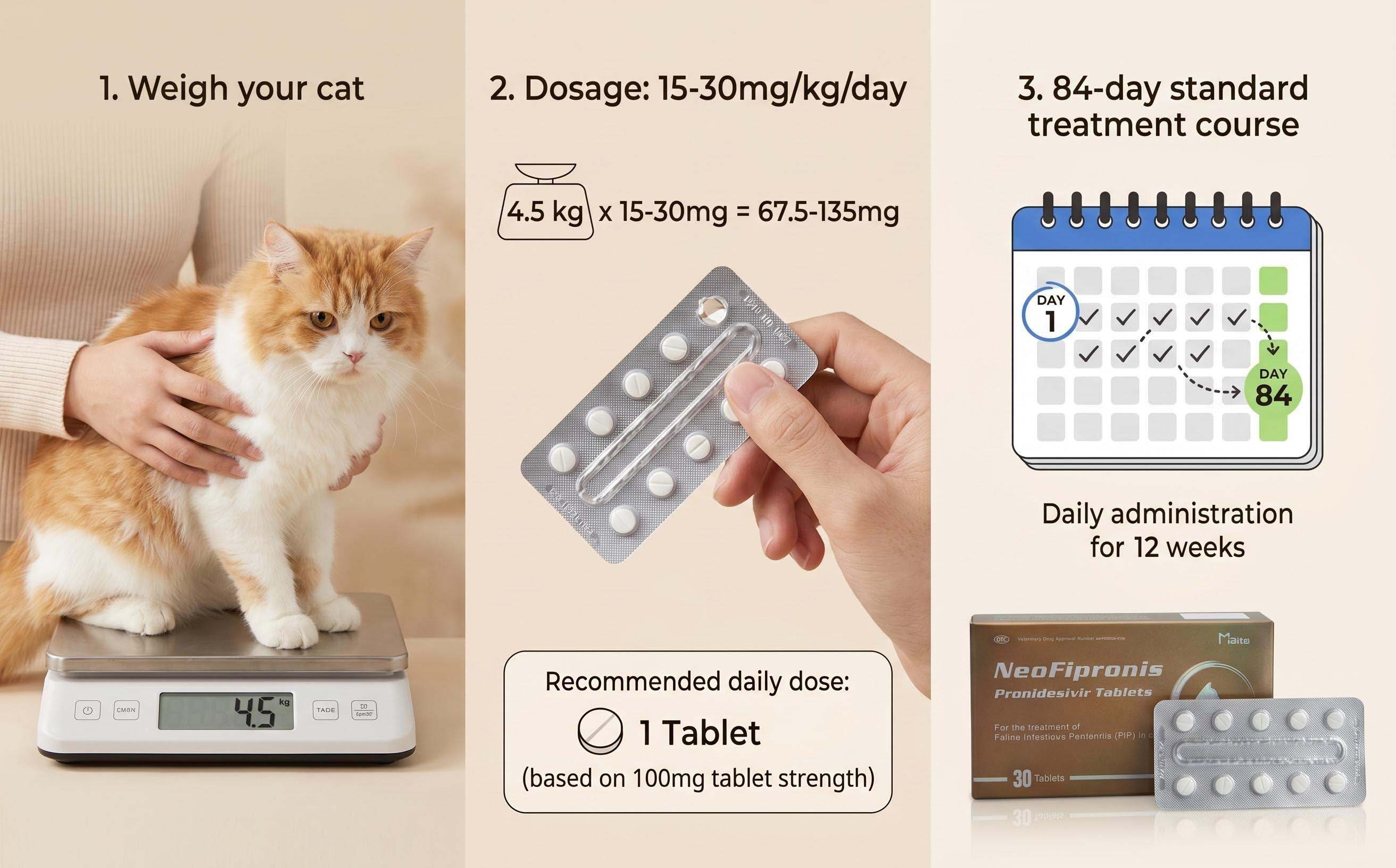
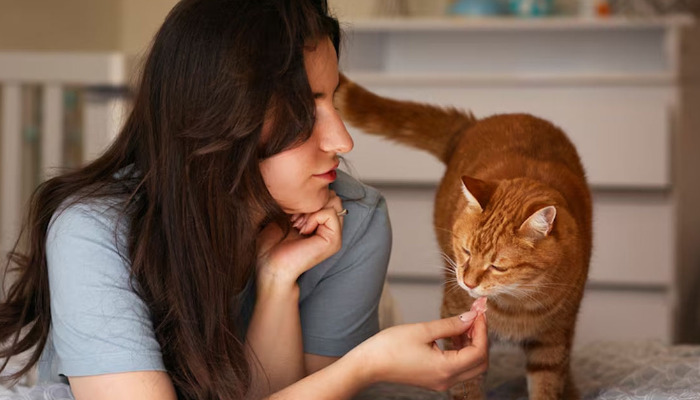
Usage guidelines recommend dosing based on the cat's weight, with 15 mg per kilogram of body weight once daily, ideally administered on an empty stomach—either one hour before or two hours after feeding. For neurological or ocular forms of FIP, doses may be increased to 30 mg/kg as directed by a veterinarian. Strict adherence to the prescribed regimen is critical since missed doses can compromise treatment efficacy. Continuous monitoring of the cat’s health, including routine blood tests to evaluate liver and kidney function, is essential during therapy.
Though NeoFipronis is technically an over-the-counter medication, veterinary supervision is strongly advised. Proper dosage, timing, and monitoring enhance treatment success and minimize potential risks. It is crucial to purchase this medication through official sources, such as the NeoFipronis official website, to ensure product authenticity and quality.
Concerns about antiviral resistance are common with many medications; however, current evidence suggests that resistance development to GS-441524 in cats remains minimal when the drug is used appropriately. The high genetic barrier to resistance, combined with the optimized pharmacokinetics of NeoFipronis, reduces the likelihood of the virus evolving to withstand the medication. Nonetheless, ongoing research and clinical surveillance are essential to monitor long-term outcomes.
In conclusion, NeoFipronis (Pronidesivir) marks a significant milestone in feline medicine, offering a highly effective, safe, and practical treatment for FIP. While the potential for resistance exists with any antiviral, proper use, adherence to treatment protocols, and veterinary oversight greatly diminish this risk. Continued vigilance, combined with responsible medication management, will ensure that cats diagnosed with FIP can achieve the best possible outcomes with NeoFipronis.