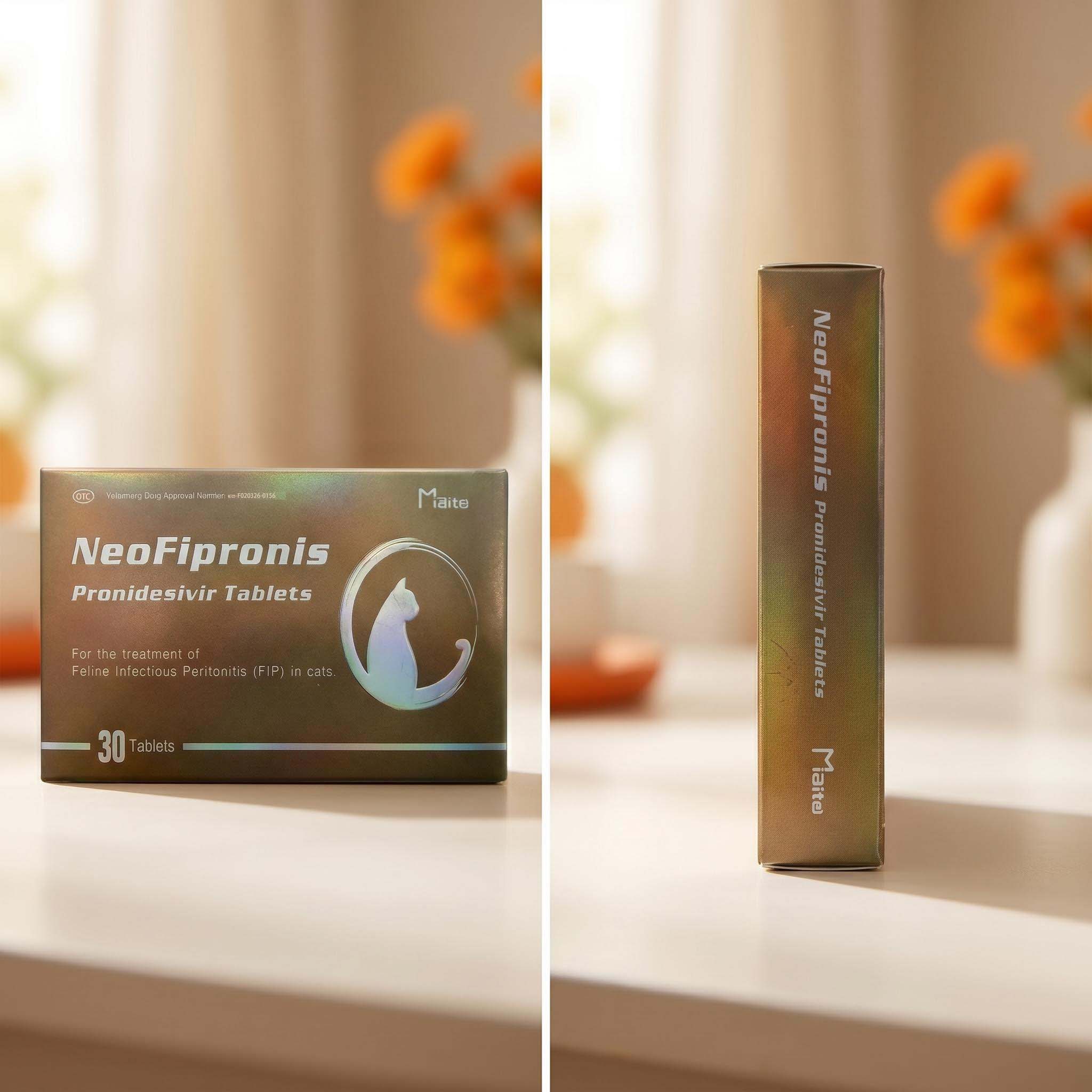
NeoFipronis (Pronidesivir) Indications and Clinical Effectiveness
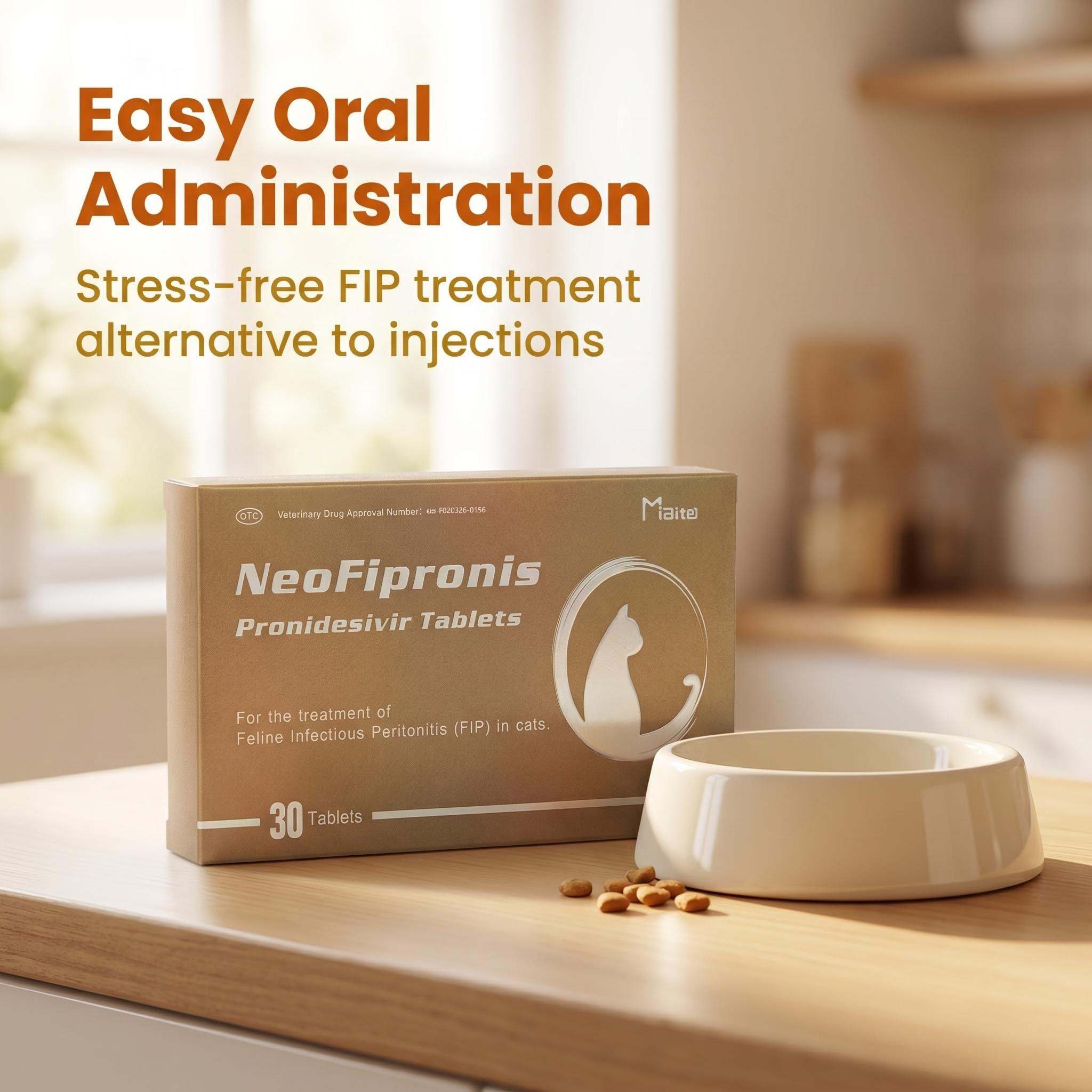
NeoFipronis (Pronidesivir) is a GS-441524-based oral therapy developed for cats with Feline Infectious Peritonitis (FIP), a serious and often progressive coronavirus-related disease. FIP may present with reduced appetite, lethargy, fever, abdominal effusion, pleural effusion, enlarged lymph nodes, inflammatory granulomas, neurological impairment, and uveitis. For many affected cats, timely antiviral intervention is critical, and NeoFipronis is designed to provide a fast-absorbing, non-invasive, and well-tolerated treatment option that supports clinical recovery and improves quality of life.
NeoFipronis (Pronidesivir) is reported as the world’s first official FIP oral treatment product formally approved by the Laos Ministry of Agriculture and Forestry (MAF) in March 2026, with an official drug registration number and legal market availability. Its active ingredient, GS-441524, has been extensively studied and widely used in clinical practice for its strong antiviral activity against FIP. This makes NeoFipronis especially relevant for cats showing signs of wet FIP, dry FIP, mixed presentations, or difficult-to-manage neurological and ocular involvement.
The clinical effectiveness of NeoFipronis is closely tied to early intervention and correct dosing. In routine use, the recommended dosage is based on body weight: 15 mg per kilogram daily, equal to half a tablet per kilogram, with administration once per day. For neurological or ocular FIP, veterinarians may recommend increasing the dose to 30 mg per kilogram. The medicine is typically given on an empty stomach, either one hour before feeding or two hours after a meal, to support efficient absorption. When used consistently, many cats experience improvements in appetite, temperature, activity level, and overall vitality, while fluid accumulation and inflammatory symptoms may gradually decrease.
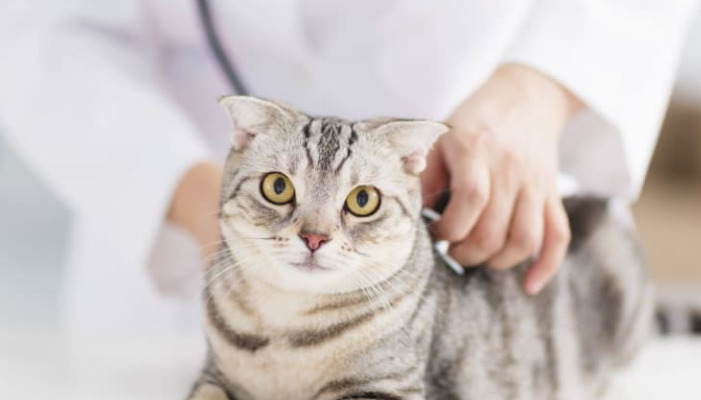
Treatment success depends not only on the drug itself, but also on strict adherence to the full course. NeoFipronis should be taken continuously for no less than 12 weeks, with no missed doses. During therapy, caregivers should monitor appetite, body temperature, behavior, and energy levels, and arrange regular blood tests as well as liver and kidney function checks. Although NeoFipronis is described as an over-the-counter product, veterinary supervision is strongly recommended to ensure the dosage is appropriate, especially in cats with neurological signs, eye disease, or advanced systemic involvement.
NeoFipronis is marketed as a safe, non-invasive oral option with rapid absorption, fast onset, good tolerance, and relatively few side effects. These features make it attractive for owners seeking practical FIP treatment for cats that cannot tolerate injections or require long-term antiviral support. To protect product quality and authenticity, purchase should be made through the official NeoFipronis website. This product is for cats only and must not be used in humans. When selected and used correctly, NeoFipronis (Pronidesivir) offers a promising treatment path for cats living with FIP and the complex symptoms it can cause.