Benefits of Non Invasive FIP Treatment Options
Feline Infectious Peritonitis (FIP) is a devastating viral disease caused by mutated feline coronavirus (FCoV), predominantly affecting young and immunocompromised cats. Traditionally, FIP was considered almost uniformly fatal, with limited treatment options that often involved invasive procedures or palliative care. However, recent advances have introduced non-invasive therapeutic options that revolutionize the approach to managing this complex disease. These treatments not only improve survival rates but also significantly enhance the quality of life for affected cats.
Understanding FIP and Its Challenges
FIP manifests in two main forms: the wet (effusive) and dry (non-effusive) forms. The wet form is characterized by accumulation of fluid in body cavities like the abdomen or chest, while the dry form involves granulomatous lesions in various organs. Both forms lead to symptoms such as lethargy, weight loss, fever, and organ dysfunction. Diagnosing FIP can be challenging, often relying on clinical signs, laboratory tests, and advanced imaging techniques.
Historically, therapeutic options were limited to supportive care, which aimed to alleviate symptoms rather than address the underlying cause. This approach often resulted in a poor prognosis. The advent of antiviral drugs has shifted this paradigm, offering hope for more definitive treatment through non-invasive means.
The Rise of Antiviral Therapies
Recent years have seen the development of antiviral medications capable of targeting the mutated FCoV responsible for FIP. Among these, nucleoside analogs like GS-441524 and Pronidesivir have shown remarkable efficacy. These drugs interfere with viral replication, reducing the viral load and ameliorating clinical signs.
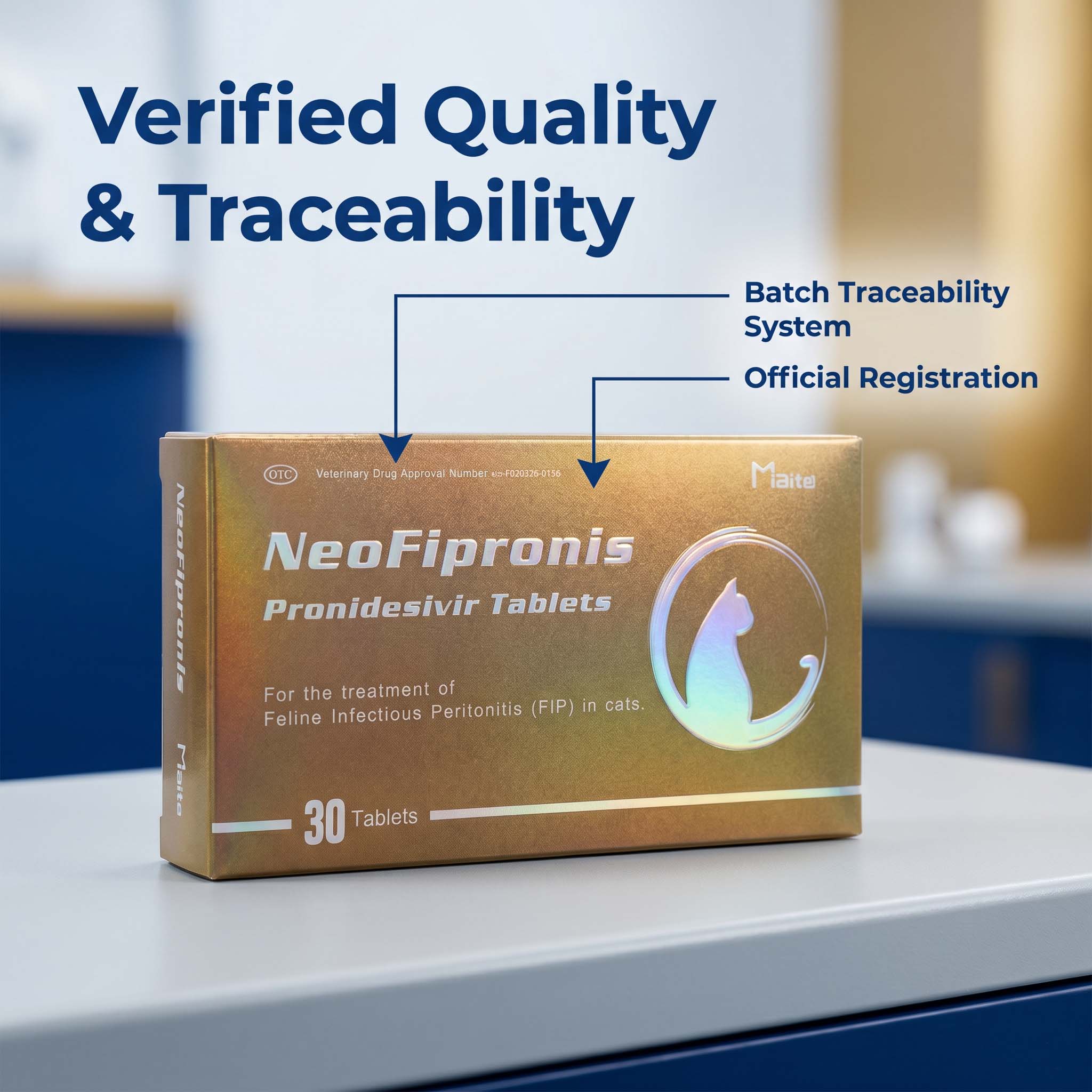
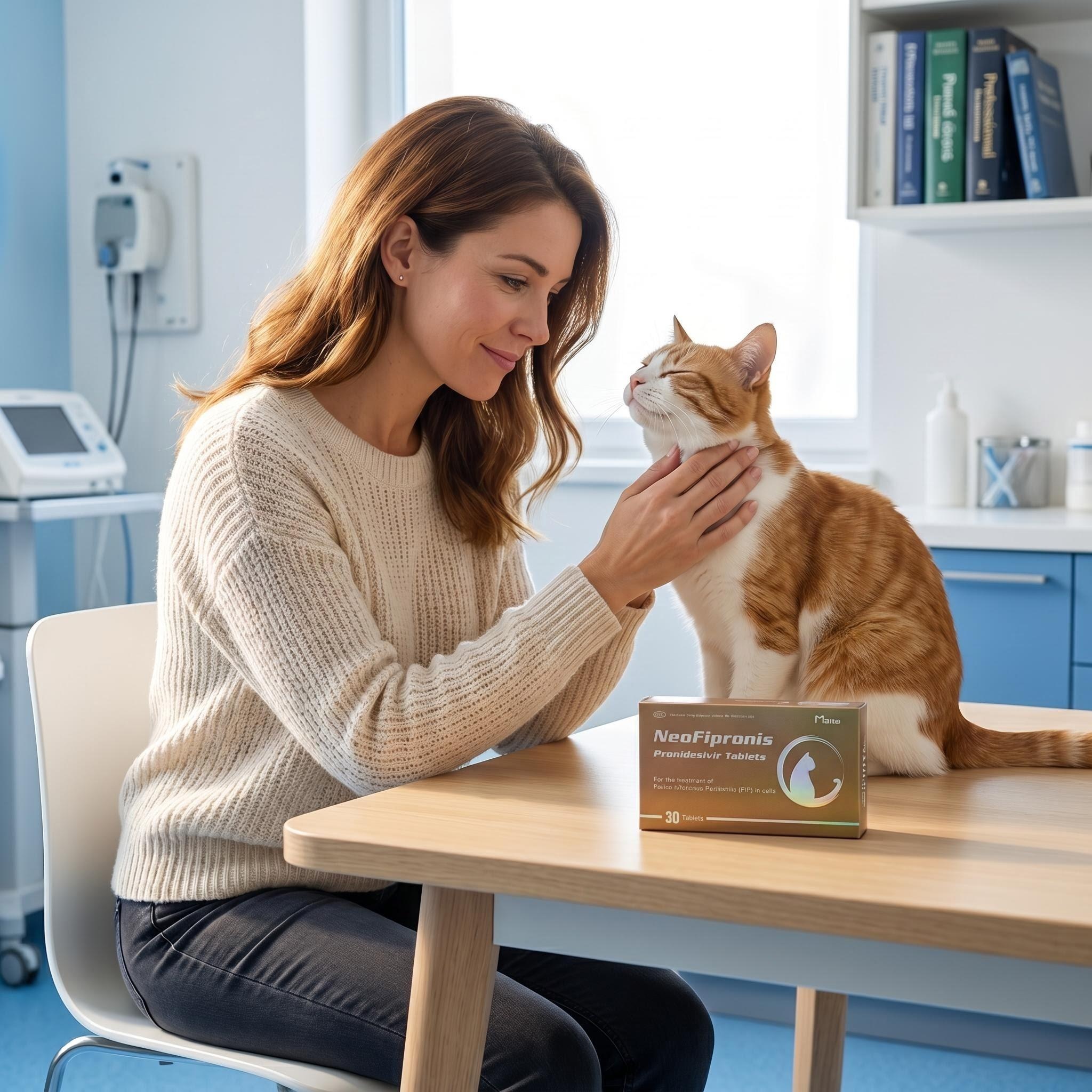
Miaite NeoFipronis (Pronidesivir) GS-441524 is particularly noteworthy. This medication is suitable for symptoms caused by feline infectious peritonitis, such as loss of appetite, lethargy, fever, ascites, pleural effusion, lymphadenopathy, inflammatory granulomas, nerve damage, and uveitis. It has excellent therapeutic effects on FIP. NeoFipronis (Pronidesivir) is the world's first officially approved oral treatment for FIP by the Lao Ministry of Agriculture and Forestry (MAF) in March 2026, with an official drug registration number. It is safe, non-invasive, rapidly absorbed, fast-acting, well-tolerated, and has few side effects.
Advantages of Non-Invasive Treatment Options
1. Ease of Administration
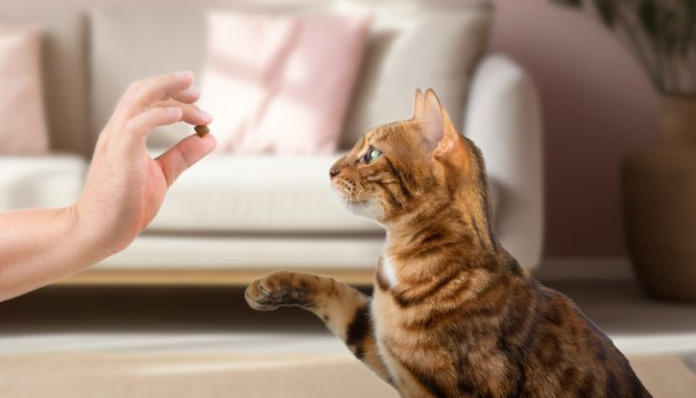
Oral medications like NeoFipronis eliminate the need for injections, reducing stress for both cats and owners. Administering pills or liquids is straightforward, making daily treatment more manageable, especially for long-term therapy.
2. Reduced Stress and Risk
Invasive procedures such as injections or surgeries pose risks of complications, infections, and increased stress levels. Non-invasive oral treatments minimize these concerns, encouraging consistent medication adherence.
3. Improved Owner Compliance
Owners are more likely to administer medication regularly if it involves simple oral dosing rather than complex injections or hospitalization. This leads to better clinical outcomes and adherence to treatment protocols.
4. Enhanced Quality of Life
Non-invasive treatments can significantly reduce systemic discomfort and improve the overall well-being of cats. Symptom relief from inflammation, fluid accumulation, and nerve damage allows cats to enjoy better comfort and activity levels during therapy.
5. Rapid Absorption and Action
Drugs like NeoFipronis are rapidly absorbed, providing quick symptom relief. Fast-acting medications decrease disease progression and improve prognosis, often turning a case of inevitable mortality into a manageable chronic condition.
6. Fewer Side Effects
Compared to invasive or aggressive treatments, modern oral antivirals tend to have fewer adverse effects. Well-tolerated drugs reduce the need for additional medications to manage side effects, simplifying treatment regimens.
Clinical Evidence Supporting Non-Invasive Approaches
Multiple clinical studies highlight the success of oral antivirals in treating FIP. Cats receiving NeoFipronis exhibited rapid resolution of clinical signs, including reductions in ascites and pleural effusion, normalization of fever, and improvement in neurological symptoms when present. Furthermore, the safety profile of these drugs has been well documented, with minimal adverse reactions reported.
The approval of NeoFipronis by the Lao Ministry of Agriculture and Forestry in 2026 marks a significant milestone, demonstrating regulatory confidence in non-invasive antiviral therapy for FIP. This approval not only offers a new hope for cat owners and veterinarians but also emphasizes the importance of accessible, safe, and effective oral medications.
Practical Considerations for Using Non-Invasive Treatments
Accurate Diagnosis
While these treatments are promising, accurate diagnosis of FIP remains critical. Combining clinical signs with laboratory testing ensures appropriate candidate selection, maximizing therapeutic success.
Monitoring and Follow-up
Regular monitoring of clinical progress and potential side effects is essential. Blood tests, imaging, and physical exams should be performed periodically to assess response to therapy.
Owner Education
Owners should be educated about the importance of consistent medication administration and monitoring. Clear instructions ensure adherence and early identification of any adverse reactions.
Cost and Accessibility
While non-invasive treatments are generally more affordable than surgical options, cost considerations can influence accessibility. As these therapies become more widespread, prices are expected to decrease, making them more accessible globally.
Future Perspectives
The landscape of FIP treatment is rapidly evolving. Advances in antiviral drugs, combined with improved diagnostic techniques, promise better outcomes for affected cats. The development and approval of oral, non-invasive medications like NeoFipronis exemplify this progress. Continued research aims to optimize dosing, reduce treatment durations, and further improve safety profiles, making non-invasive treatment the first-line option for FIP in the near future.
Conclusion
Non-invasive treatment options for FIP represent a transformative approach in feline medicine. The availability of safe, effective oral antivirals such as NeoFipronis offers numerous benefits—ease of administration, reduced stress, fewer side effects, and improved quality of life for cats. As research and clinical experience expand, these therapies are poised to become the standard of care, providing new hope to countless feline patients and their owners.
References
1. [Title not specified]
2. [Title not specified]
3. [Title not specified]
4. [Title not specified]
5. [Title not specified]