Early Behavioral Changes That May Indicate FIP

Feline Infectious Peritonitis (FIP) is regarded as one of the most complicated and devastating feline diseases to diagnose and manage. Caused by a mutated strain of feline coronavirus (FCoV), FIP commonly affects young or immunocompromised cats, presenting with a bewildering array of systemic symptoms. For caretakers and veterinary professionals, identifying early behavioral changes in at-risk cats can help facilitate an earlier diagnosis, potentially improving outcomes. This comprehensive guide delves deep into the subtle behavioral signs that precede clinical FIP, providing practical insights for both cat owners and veterinary teams.
Understanding FIP: A Brief Overview
FIP emerges from mutations in the otherwise benign feline enteric coronavirus. The mutated virus triggers an inappropriate immune response, leading to widespread inflammation and characteristic forms: effusive ("wet") and non-effusive ("dry"). Effusive FIP is marked by fluid accumulation in body cavities, while non-effusive FIP manifests in organ dysfunction without obvious fluid buildup. Recognizing FIP's earliest signs—especially behavioral—requires close observation, as these changes often precede more obvious physical symptoms.
Behavioral Changes: Why They Matter
Behavioral shifts in cats are often the first indicators of underlying pathology. For FIP, these changes may occur well before classical symptoms like fever, jaundice, or abdominal distention are recognizable. Early behavioral signs may be subtle—easily mistaken for minor mood fluctuations or routine stress responses.
Common Early Behavioral Changes Associated With FIP
1. Lethargy and Reduced Activity
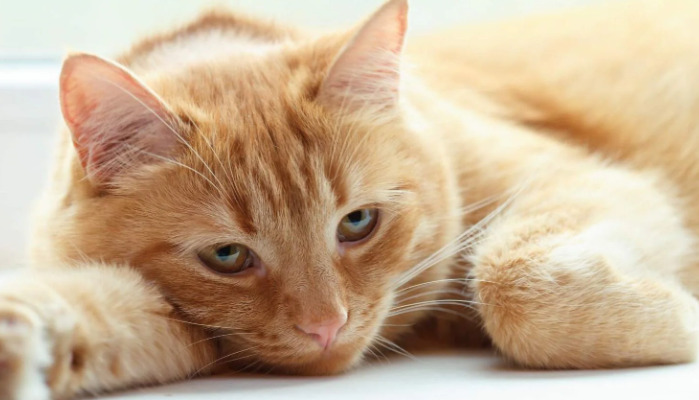
The most consistent early sign in cats developing FIP is an abrupt drop in activity or playfulness. Cats may isolate themselves, avoid previously enjoyed activities, and spend prolonged periods sleeping. This distinguishes them from ordinary, healthy cats, who often balance sleep with periods of vigorous play, exploration, and social interaction. Lethargy may reflect discomfort, fever, or malaise, often preceding physical symptoms by days or weeks.
2. Decreased Social Engagement
Friendly, interactive cats may suddenly become withdrawn. They might avoid household members, other pets, or refuse affection. Sometimes, a previously social cat will hide for hours in closets, under beds, or other secluded locations. This sort of social withdrawal can be an early signal of systemic illness.
3. Altered Eating and Drinking Habits
One of the most telling early behavioral changes is the gradual or sudden loss of appetite. Cats in the initial phases of FIP may refuse their favorite foods or seem disinterested at mealtimes. Water intake may decrease or, sometimes, increase if the cat is developing fever. Changes in eating and drinking behavior are particularly concerning in younger cats or those living in multicat environments—both groups at higher risk for FIP.
4. Disinterest in Grooming
Cats are fastidious groomers, often spending a significant portion of their waking hours cleaning themselves. A sudden disregard for grooming—manifesting in a dull, matted, or greasy coat—may indicate discomfort. Some cats may also stop grooming altogether due to lethargy or malaise, leading to further signs of neglect.
5. Routine Avoidance
FIP can prompt behavioral changes that manifest as avoidance of daily routines, litter boxes, or sleeping areas. A cat may start urinating or defecating outside the litter box, not as a behavioral issue, but as a sign of internal discomfort or confusion. Shifts in sleeping patterns—choosing hidden, cooler locations over their regular beds—are also common.
6. Aggressive or Irritable Behavior
Cats that are normally gentle or playful might exhibit unexpected aggression or irritability. This change is less common, but some cats react to pain or malaise with defensive posturing or hissing when approached. Owners should be vigilant if their cat’s temperament suddenly shifts, especially in conjunction with other concerning behavioral changes.
7. Subtle Neurological Signs
In some cases, early FIP may affect the central nervous system before physical symptoms emerge. Behavioral changes such as disorientation, mild ataxia, aimless wandering, or altered response to stimuli can indicate early neurological involvement. These signs are more common in non-effusive FIP, which may target the nervous system before causing visible illness.
Behavioral Changes by Age and Risk Factor
FIP disproportionately affects young cats, particularly those under two years old, or those in multicat environments such as shelters, rescue facilities, or breeding catteries. Behavioral changes in kittens are often harder to distinguish from normal developmental quirks, but abrupt, unexplained lethargy or withdrawal should always be considered a red flag. Older cats are less commonly afflicted, but behavioral changes in immunocompromised adults (e.g., those with feline leukemia virus or chronic illness) warrant prompt evaluation for FIP.
Environmental Considerations
Cat owners should be aware that many behavioral changes may resemble ordinary stress responses, particularly following changes in the home environment, addition of new pets, or major disruptions. The key is evaluating whether these changes persist or worsen over days to weeks. Notable is the fact that behavioral changes associated with FIP tend to be prolonged, progressive, and unresponsive to typical interventions.
Distinguishing FIP from Other Illnesses
Many feline illnesses can produce similar behavioral changes: upper respiratory infections, urinary tract issues, gastrointestinal distress, or dental disease. The following factors help differentiate potential FIP-related changes:
Progressive Pattern: FIP behavioral changes often progress inexorably, unlike self-limiting or stress-related behaviors.
Non-responsiveness to Routine Care: Behavioral symptoms do not resolve with normal husbandry, dietary improvements, or mild medical intervention.
Conjunction with Subtle Physical Signs: Early signs such as mild weight loss, low-grade fever, or pallor can accompany behavioral changes.
Why Early Recognition Is Crucial
Early detection of FIP-associated behavioral changes allows for more targeted diagnostic efforts. Although definitive FIP diagnosis remains challenging—requiring a combination of history, clinical examination, and sophisticated laboratory tests—prompt veterinary assessment can help identify cases earlier, open the door to supportive care, and potentially offer access to emerging antiviral therapies.
A cat presenting with subtle, persistent behavioral changes should be evaluated with the following:
Thorough physical exam and history, with focus on recent behavioral patterns
Baseline blood work (CBC, serum biochemistry, globulin/albumin ratio)
Feline coronavirus antibody titer assessment
Imaging (ultrasound or radiography to look for hidden effusion or organomegaly)
Practical Steps for Owners Observing Behavioral Changes
If caregivers witness concerning behavioral changes in their cats, particularly those meeting risk criteria for FIP, several steps are recommended:
Monitor and record daily behaviors and routines, noting changes in mood, activity, appetite, grooming, and litter box use
Seek prompt veterinary consultation for persistent changes lasting more than 48-72 hours
Discuss FIP risk factors openly with the veterinarian, including household structure, age, and history of coronavirus exposure
Veterinary Considerations and Behavioral Assessment
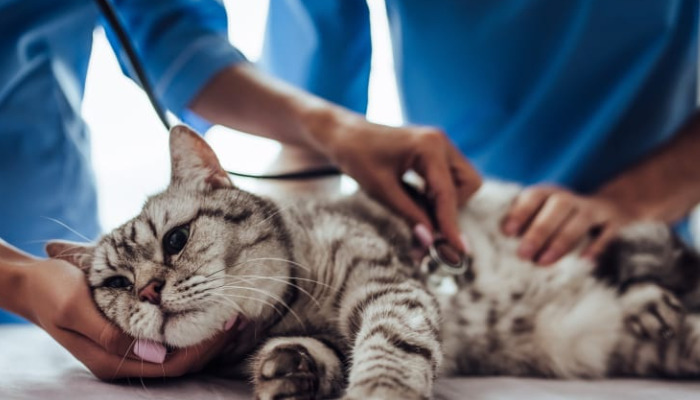
Veterinarians play a crucial role in integrating behavioral observations into holistic care. Detailed behavioral histories should be part of every feline examination. An in-depth discussion about the tempo and nature of behavior changes often reveals clues that may not be evident during a brief clinical encounter. Consider the use of standardized behavioral questionnaires, photos, or videos provided by the owner to supplement traditional clinical findings.
Behavioral Monitoring in High-Risk Environments
Shelters and catteries pose particular diagnostic challenges, given the number of animals, frequent illness outbreaks, and environmental stressors. Staff should be trained to recognize the subtle onset of behavioral changes, with protocols for early isolation and workup of affected cats. Daily behavioral logs, routine wellness checks, and rapid reporting systems can help catch FIP cases earlier, mitigate outbreaks, and improve survival.
Artificial Intelligence and Behavioral Analysis
Recent technological advancements have introduced artificial intelligence (AI)-powered tools to assist with feline health monitoring. Video-based behavioral tracking, smart feeder data, and wearable sensors can help pinpoint early activity changes in high-risk cats. These innovations, while currently limited to research or specialized environments, represent a promising future for early FIP detection and intervention.
Owner Communication and Support
Behavioral changes in a beloved pet are alarming, but with education, support, and timely veterinary care, owners can make informed decisions. Communication tools—such as digital diaries, behavior scoring sheets, or smartphone apps—can facilitate more efficient monitoring and reporting to veterinary professionals.
Potential for Early Therapeutic Intervention
Over the last several years, advances in FIP treatment using antiviral agents have revolutionized outcomes for affected cats, yet early treatment remains key to success. Behavioral changes must be treated with the same urgency as physical symptoms, enabling early diagnostics and prompt initiation of therapy when appropriate. Owner vigilance and proactive veterinary care are central to improving prognoses for FIP.
Summary Table: Early Behavioral Changes Suggestive of FIP
| Behavioral Change | Description | Typical Context |
|-||-|
| Lethargy | Decreased play, increased sleep, withdrawal | All FIP forms |
| Social withdrawal | Hiding, avoiding contact, loss of affection | Early systemic illness |
| Appetite changes | Sudden or gradual food refusal, decreased drinking | May precede physical signs |
| Grooming neglect | Dull, matted coat, reduced self-care | Discomfort, lethargy |
| Routine avoidance | Avoiding litter, sleeping in unusual locations | Possible abdominal pain |
| Aggressive behavior | Uncharacteristic irritability, biting, hissing | Pain or malaise |
| Neurological changes | Disorientation, aimless wandering, altered response | Non-effusive FIP with CNS involvement|
Recognizing these early signs can make a difference between early intervention and delayed care. Cat owners, shelter staff, and veterinary professionals must work collaboratively, employing careful behavioral observation as a frontline tool against the devastating effects of FIP.
References
1. Addie, D.D., et al. (2020). Feline Coronavirus Infection and FIP. Veterinary Clinics of North America: Small Animal Practice, 50(6), 1107-1135.
2. Pedersen, N.C. (2021). An update on feline infectious peritonitis: diagnostics and therapeutics. Veterinary Journal, 274, 105694.
3. Porter, E., & Tasker, S. (2022). Feline coronavirus and FIP: emerging clinical and diagnostic issues. Journal of Feline Medicine and Surgery, 24(5), 476-490.
4. Felten, S., & Hartmann, K. (2019). Diagnosis of feline infectious peritonitis: a review of the current literature. Viruses, 11(11), 1067.
5. Vogel, A., et al. (2021). Early clinical signs and diagnostic workup for FIP in cats. Feline Practice, 36(2), 22-28.
6. Riemer, F., et al. (2016). Clinical and laboratory features of cats with associated FIP. Tierarztl Prax Ausg K Kleintiere Heimtiere, 44(6), 384-394.
7. Gaskell, R., & Povey, R. (2006). Feline coronavirus infections. Feline Practice, 34(4), 13-20.
8. Kipar, A., & Meli, M.L. (2014). Feline infectious peritonitis: still an enigma? Veterinary Pathology, 51(2), 505-526.
9. Levy, J.K., & Wood, E. (2020). Multicat households and FIP risk: monitoring and intervention strategies. Cat Welfare, 8(3), 297-312.
10. T.J. Morris, et al. (2023). The role of behavior and environmental stress in feline infectious disease. Companion Animal, 31(4), 187-195.