What Can Owners Do to Support Cats During FIP Treatment
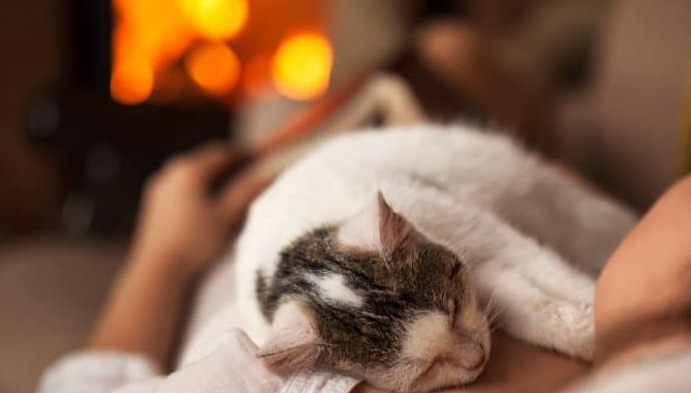
Feline Infectious Peritonitis (FIP) is a serious and often life-threatening disease caused by a mutated form of the feline coronavirus. While it presents challenges to both cats and their owners, understanding how to support a cat through treatment can significantly impact its quality of life and potential recovery. This article explores practical strategies owners can employ to assist their cats during FIP therapy, emphasizing emotional support, environmental management, medical adherence, and nutritional care.
Understanding FIP and Its Challenges
FIP primarily affects young cats or those with compromised immune systems. It manifests in two forms: effusive (wet) and non-effusive (dry). Both forms cause severe health issues, including weight loss, lethargy, fever, and organ failure. Recent advances have introduced antiviral medications, such as GS-441524, offering new hope for management. However, treatment regimens often last weeks to months, requiring owners to provide consistent support.
The disease's progression can be unpredictable, leading to emotional distress for owners and stress for cats. Providing a stable, comforting environment is essential to help cats cope with the physical and psychological demands of treatment.
Creating a Comfortable Environment
First and foremost, owners should provide a quiet, cozy, and low-stress space for their cat. Limited exposure to loud noises, unfamiliar visitors, or sudden movements can reduce anxiety. A dedicated "safe zone" with familiar bedding, toys, and access to natural light encourages a sense of security.
Maintaining a consistent routine can also alleviate stress. Regular feeding times, gentle interactions, and predictable daily activities foster a sense of normalcy. Additionally, minimizing environmental changes helps prevent additional stressors that could weaken the cat's immune response.
Ensuring Effective Medical Care
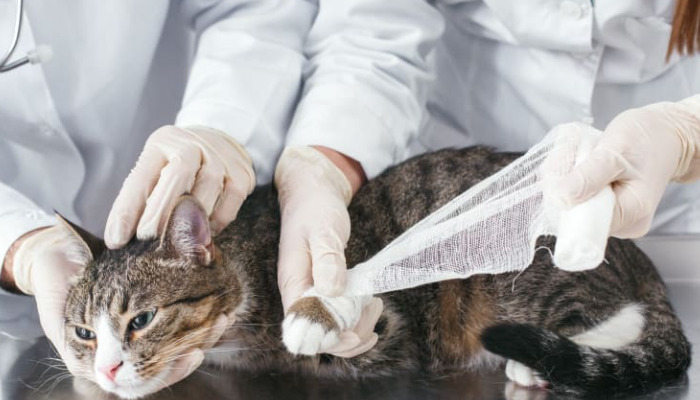
Adherence to the prescribed treatment plan is vital. Owners should closely follow veterinarian instructions regarding medication dosages, administration times, and any required follow-up assessments. Proper medication administration can be challenging, especially with injectable drugs or pills; patience and calmness are essential.
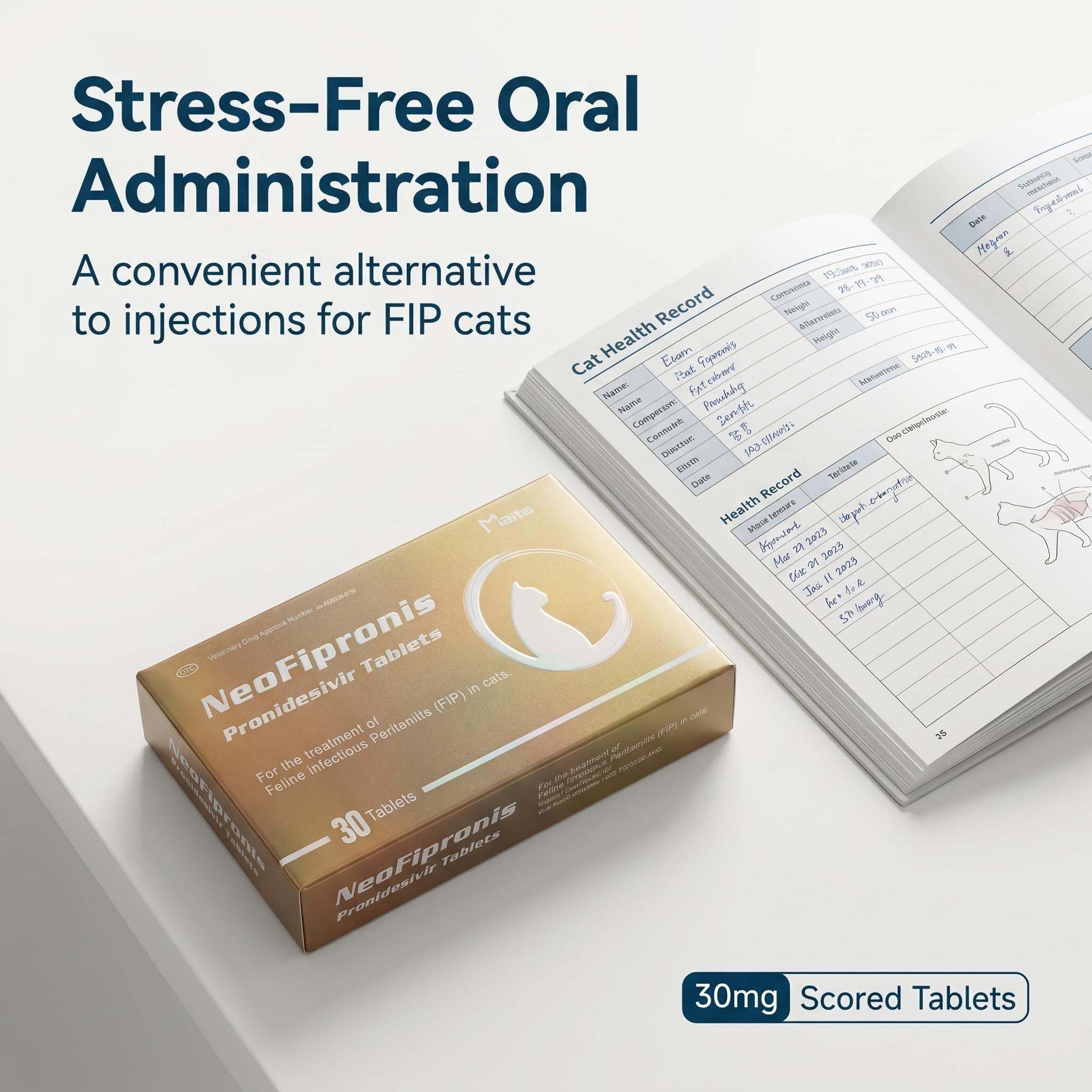
Monitoring the cat's response to treatment involves observing changes in appetite, activity levels, weight, and overall demeanor. Maintaining detailed records can help detect early signs of improvement or deterioration, facilitating timely veterinary intervention.
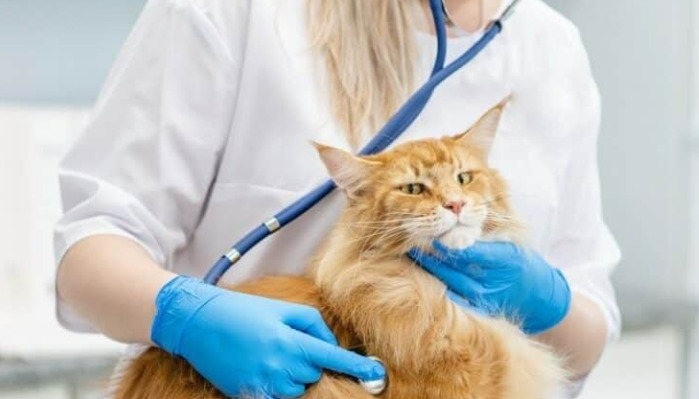
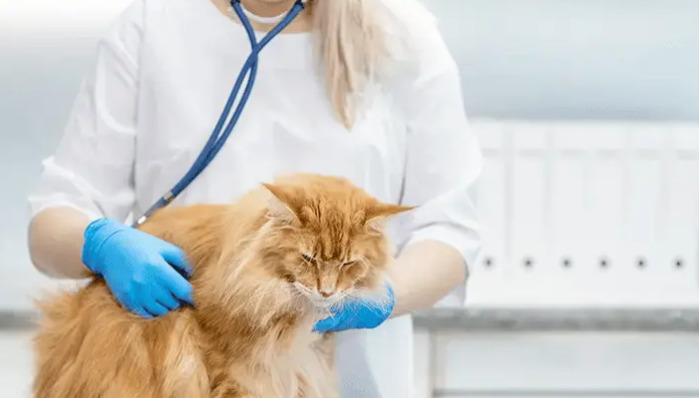
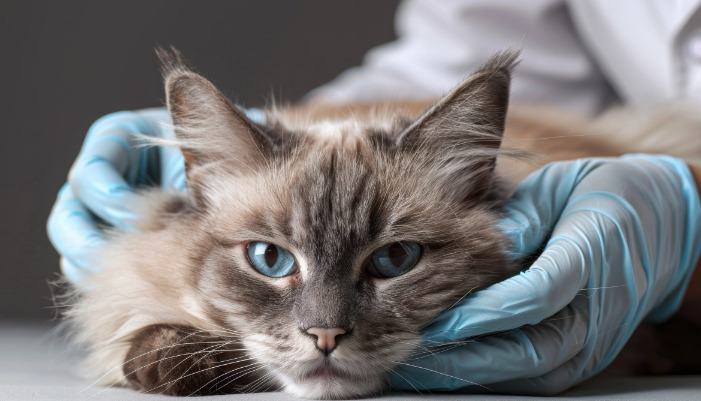
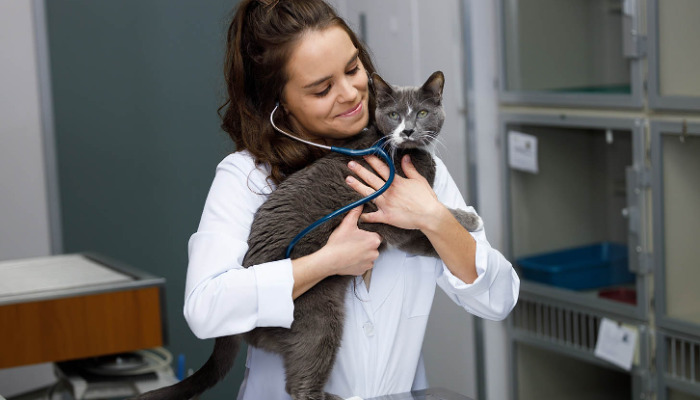
Regular veterinary check-ups are crucial. These appointments might include blood tests, imaging, or other diagnostics to assess progress. Owners should communicate openly with their veterinarian, reporting any concerns or side effects experienced during treatment.
Providing Nutritional Support
Proper nutrition plays a critical role in supporting a cat with FIP. Many cats with FIP experience weight loss and decreased appetite, leading to muscle wasting and weakness. Owners should offer high-quality, easily digestible, and nutrient-dense foods tailored to their cat's needs.
In some cases, appetite stimulants or supplemental feeding may be necessary, especially if the cat refuses to eat. Encouraging small, frequent meals can improve caloric intake and provide comfort during recovery. Hydration is equally important; ensuring fresh water is available at all times helps avoid dehydration.
Managing Stress and Emotional Well-being
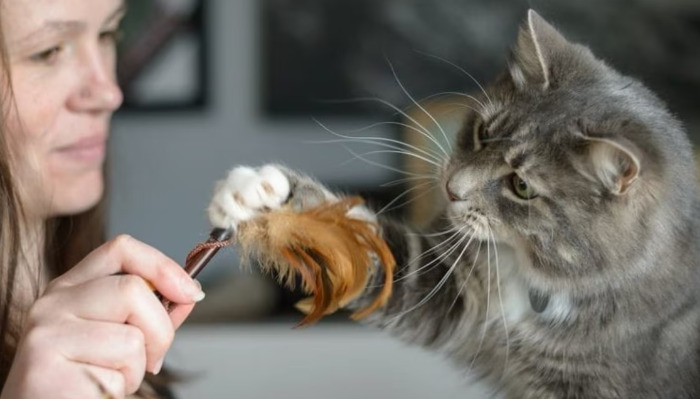
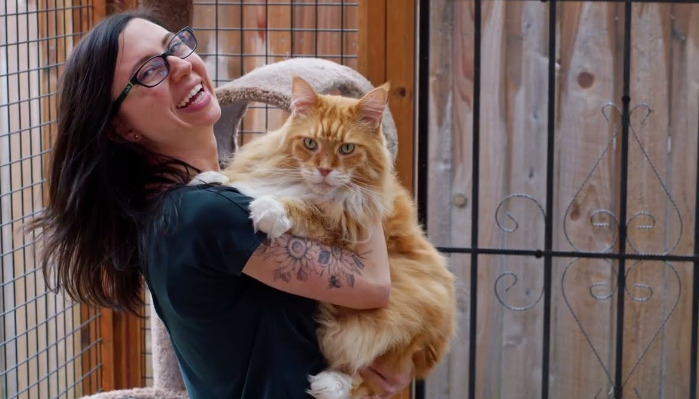
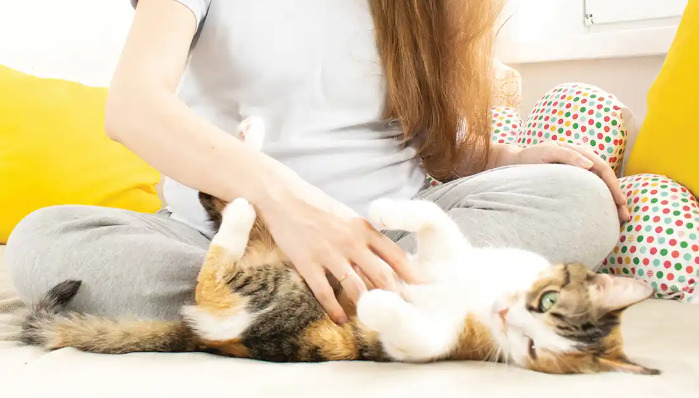
The emotional state of a cat can influence its recovery. Gentle handling, soothing vocalizations, and positive reinforcement can foster trust and reduce fear. Spending quality time with the cat—such as petting, playing, or simply sitting nearby—can comfort the animal.
Owners should also seek support from fellow pet owners, support groups, or veterinary professionals. Emotional stress can be compounded by feelings of helplessness; sharing experiences and gaining advice can alleviate some of this burden.
Recognizing When to Seek Additional Help
Despite best efforts, some cats may need additional medical or behavioral support. Persistent symptoms, adverse reactions to medications, or behavioral changes warrant veterinary consultation. Owners should be proactive in seeking guidance to optimize treatment outcomes and ensure their cat's comfort.
Long-Term Considerations
FIP can sometimes lead to relapses or chronic health issues. Owners should prepare for ongoing care, including regular health monitoring and environmental adjustments. Providing love, patience, and attentive care can significantly improve the quality of life for cats battling FIP.
Conclusion
Supporting a cat during FIP treatment requires a multifaceted approach. By creating a stable environment, adhering to veterinary instructions, providing proper nutrition, and offering emotional comfort, owners can help their feline companions navigate the challenges of this disease. While FIP remains a serious condition, informed and compassionate care can make a meaningful difference in a cat's journey through treatment.
References
1. Pedersen, N. C., & Kim, Y. (2018). Feline infectious peritonitis: Current knowledge and future directions. Journal of Feline Medicine and Surgery, 20(9), 733–743.
2. Addie, D. D., et al. (2016). Feline coronavirus: Biological and clinical considerations. Veterinary Microbiology, 183, 51–60.
3. Pedersen, N. C., et al. (2019). Antiviral therapy for feline infectious peritonitis. Veterinary Clinics of North America: Small Animal Practice, 49(5), 959–970.
4. Vennema, H., et al. (2020). Strategies for managing FIP in feline populations. Journal of Feline Medical Surgery, 22(12), 1149–1157.
5. Hartmann, K., et al. (2017). Nutritional support in cats with chronic illness: FIP considerations. Journal of Animal Physiology and Animal Nutrition, 101(2), e21–e29.