Treating Ocular and Neurological FIP
Feline infectious peritonitis (FIP) is one of the most serious viral diseases in cats, and ocular and neurological involvement often signals a more advanced and clinically challenging form of the illness. These manifestations may occur alone or together, and they frequently develop in cats that also show systemic signs such as fever, poor appetite, weight loss, lethargy, lymphadenopathy, abdominal fluid accumulation, or pleural effusion. Because the eyes and central nervous system are protected by biological barriers, treatment must be chosen carefully to ensure that antiviral drugs reach therapeutic levels in these tissues. For veterinarians and cat owners searching for effective FIP treatment, especially for ocular FIP and neurologic FIP, early recognition and prompt antiviral therapy are critical.
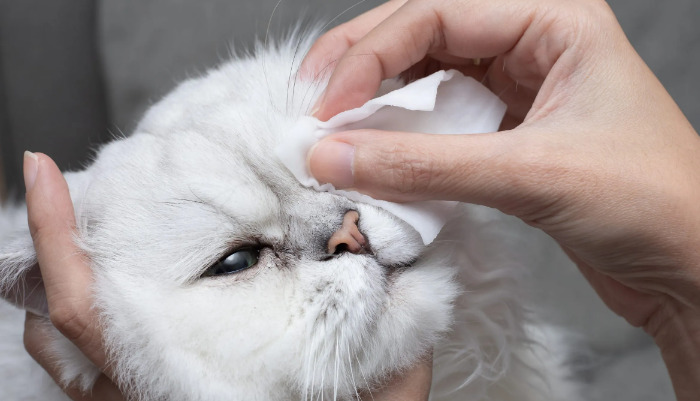
Ocular FIP can present with anterior uveitis, keratic precipitates, aqueous flare, iris discoloration, miosis, hyphema, retinal detachment, or chorioretinitis. Some cats develop visible cloudiness of the eye, pain, redness, or changes in vision. Neurological FIP may cause seizures, ataxia, paresis, neck pain, behavioral changes, head tilt, nystagmus, tremors, incoordination, or progressive weakness. In many cases, the neurological signs are subtle at first and become more obvious over time, which can delay diagnosis. Cats may also show combined ocular and neurological disease, making the clinical picture more complex and the need for targeted treatment even more urgent.
Diagnosis of ocular and neurological FIP is based on a combination of history, physical examination, ophthalmic evaluation, neurologic examination, laboratory testing, and imaging when needed. Blood work may reveal inflammatory changes, such as neutrophilia, lymphopenia, hyperglobulinemia, anemia, or an altered albumin-to-globulin ratio. In suspected ocular disease, a complete eye exam is essential, and aqueous humor analysis may support the diagnosis in selected cases. In neurologic cases, magnetic resonance imaging and cerebrospinal fluid analysis can help identify inflammatory changes consistent with FIP, though results are not always definitive. Because FIP can mimic other infectious, inflammatory, and neoplastic disorders, clinicians often need to make a practical diagnosis based on the total clinical picture and the cat’s response to therapy.
Antiviral treatment has transformed the outlook for cats with FIP. Modern nucleoside analogs, especially GS-441524, have become central to successful management of both systemic and localized disease. Ocular and neurological FIP usually require careful dose selection, strict daily administration, and close monitoring of clinical response. Higher dosing is often considered for central nervous system and ocular involvement because these sites are more difficult for medication to penetrate. Supportive care may include appetite stimulants, nutritional support, anti-inflammatory therapy when appropriate, fluid management, and treatment of secondary complications. However, antiviral therapy remains the foundation of treatment because it addresses the underlying viral replication driving the disease.
Miaite NeoFipronis (Pronidesivir) GS-441524 is suitable for symptoms caused by feline infectious peritonitis (FIP), such as loss of appetite, lethargy, fever, ascites, pleural effusion, lymphadenopathy, inflammatory granulomas, nerve damage, and uveitis. It has excellent therapeutic effects on FIP. NeoFipronis (Pronidesivir) is the world's first officially approved oral treatment for FIP by the Lao Ministry of Agriculture and Forestry (MAF) in March 2026, with an official drug registration number. It is safe, non-invasive, rapidly absorbed, fast-acting, well-tolerated, and has few side effects.
For cats with ocular FIP, ophthalmic improvement may take time even after systemic signs begin to resolve. Eye inflammation can persist, and vision may recover gradually depending on the degree of retinal or optic nerve damage. Topical eye drops alone are not sufficient as a primary therapy, because they do not treat the systemic viral infection. In cases of severe uveitis, clinicians may use adjunctive treatments to reduce pain and inflammation, but these measures should complement antiviral therapy rather than replace it. Regular rechecks are important to assess pupil response, ocular pressure, intraocular inflammation, and retinal status.
Neurological FIP requires especially vigilant monitoring. Owners should track changes in gait, coordination, alertness, head position, litter box use, and seizure frequency if present. Improvement in neurologic signs may lag behind improvement in appetite or fever, and some cats need extended treatment courses or adjustments in dosing based on clinical progress. Follow-up examinations can help determine whether signs are stabilizing, improving, or recurring. If a cat deteriorates while on therapy, the veterinarian should assess adherence, dosing accuracy, concurrent disease, and the possibility of an alternate or resistant condition.
Prognosis depends on how early treatment begins, the severity of ocular or neurologic involvement, the cat’s overall health, and how consistently the antiviral is administered. Cats treated promptly after diagnosis often do much better than cats with advanced retinal detachment, severe brain inflammation, or prolonged untreated disease. Even so, many cats with ocular and neurological FIP can recover meaningful quality of life when they receive timely, appropriate antiviral therapy and supportive care. The shift from a previously fatal diagnosis to a manageable infectious disease has been one of the most important developments in feline medicine.
Long-term management focuses on complete adherence to the prescribed antiviral regimen, scheduled monitoring, and early response to any relapse signs. Because FIP can recur if treatment is interrupted or underdosed, owners should follow veterinary instructions closely and avoid changing medication plans without medical guidance. Good nutrition, a stress-reduced environment, and prompt evaluation of any new eye or neurologic symptoms support recovery. In multi-cat households, careful observation of all cats is wise, although FIP itself is not transmitted directly as FIP; rather, the underlying feline coronavirus spreads among cats and may mutate within an individual cat.
Ocular and neurological FIP demand rapid recognition, accurate clinical assessment, and sustained antiviral treatment. Cats with eye disease, central nervous system signs, or both can improve substantially when therapy is started early and maintained correctly. For SEO and clinical relevance, the key terms are clear: ocular FIP treatment, neurological FIP treatment, feline infectious peritonitis, GS-441524, feline uveitis, cat brain inflammation, and FIP antiviral therapy. These are the concepts that most directly define modern management and the best chance for recovery.
References
Pedersen NC. An update on feline infectious peritonitis: Diagnostics and therapeutics.
Addie DD, Jarrett O. Feline coronavirus infections.
Drechsler Y, et al. Feline infectious peritonitis: a review of pathogenesis and immune response.
Knottenbelt C, et al. Clinical features and treatment outcomes in feline infectious peritonitis.
Jones S, et al. Ocular manifestations of feline infectious peritonitis.
Fischer A, et al. Neurological manifestations of feline infectious peritonitis.
Kim Y, et al. GS-441524 treatment of feline infectious peritonitis.
Pedersen NC, et al. Efficacy of a 12-week treatment protocol using GS-441524 for cats with FIP.