Clinical Manifestations of FIP
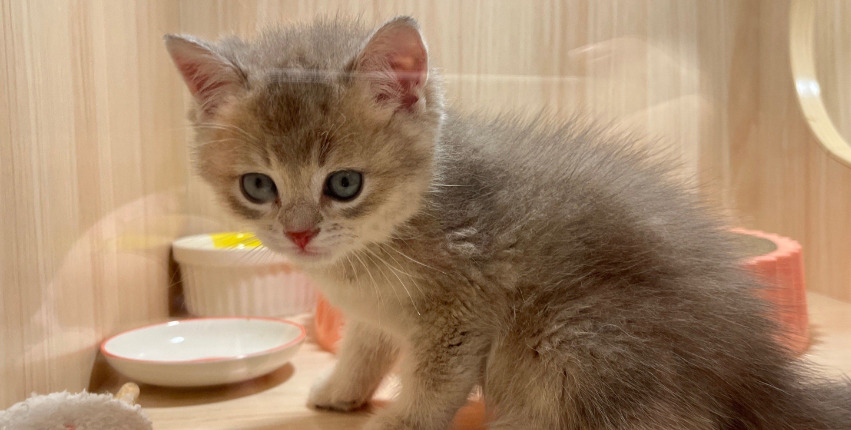
Feline Infectious Peritonitis (FIP) remains one of the most perplexing and lethal diseases affecting cats worldwide. Its clinical presentation is notably variable, often mimicking other feline illnesses, which complicates early diagnosis and management. This review outlines the diverse clinical manifestations, emphasizing the importance of recognizing subtle signs for timely intervention.
1. Generalized Symptomatology
Many cats with FIP present with nonspecific systemic signs, such as:
Persistent fever unresponsive to antibiotics
Anorexia and weight loss
Lethargy and depression
Dehydration and poor coat condition
These symptoms often dominate the clinical picture, especially in early disease stages, making initial diagnosis challenging.
2. Wet (Effusive) Form
The wet form, characterized by accumulation of serous fluids within body cavities, displays distinctive clinical features:
Abdominal distension due to ascites
Dyspnea caused by pleural effusion
Muffled heart sounds upon auscultation
Pleural or peritoneal effusions that are often cloudy and may contain fibrin strands
In this form, fluid analysis typically reveals high protein content and a mixed inflammatory cell presence, aiding in differentiation from other causes of effusion.
3. Dry (Non-effusive) Form
The dry manifestation involves granulomatous lesions without significant fluid accumulation. Its clinical signs depend on organ involvement:
Ocular lesions: anterior uveitis, choroiditis, or retinal hemorrhages
Neurological signs: ataxia, seizures, or behavioral changes
Hepatic or renal dysfunction presenting as jaundice or hematuria
These signs often develop insidiously, making diagnosis heavily reliant on comprehensive clinical assessment and ancillary testing.
4. Ocular Manifestations
Ocular abnormalities are frequently among the earliest signs in dry FIP:
Anterior uveitis leading to cloudy corneas and iris color changes
Chorioretinitis causing vision impairment
Retinal hemorrhages observable via fundoscopy
Hypopyon or hyphema in severe cases
Involvement of the eye may be unilateral or bilateral, serving as a valuable diagnostic clue.
5. Neurological Signs
Neurological presentation is common in certain FIP cases, especially the non-effusive form:
Ataxia and paresis due to meningoencephalitis
Head tilt and circling behavior
Cranial nerve deficits such as facial paralysis
Seizures resulting from cerebral involvement
These manifestations often occur in isolation or conjunction with other organ signs, adding complexity to diagnosis.
6. Variability and Overlap
FIP clinical signs can overlap considerably with other feline illnesses, including chronic infections or neoplastic processes. A subset of cats may exhibit:
Sudden deterioration with rapid weight loss and severe illness
Mild or subclinical signs progressing gradually
Mixed presentations with both effusive and non-effusive features
Such heterogeneity underscores the necessity for detailed diagnostics.
7. Additional Considerations
Some cats exhibit skin lesions or lymphadenopathy. Moreover, laboratory findings often support clinical suspicion:
Elevated serum globulins and hyperproteinemia
Anemia or leukocytosis
Increased serum ferritin levels
However, these are not definitive and must be interpreted within the broader clinical context.
Indications for Advanced Diagnostics
In ambiguous cases, histopathology and immunohistochemistry become crucial, especially when clinical signs are multifocal or atypical.
Extrapulmonary and Multiorgan Involvement
FIP may also involve the kidneys, liver, heart, or gastrointestinal tract, leading to a wide spectrum of clinical presentations. For example, hepatic involvement might cause icterus, whereas renal lesions may induce polydipsia.
Emerging Insights
Recent studies suggest that immune response variability influences clinical manifestations, with some cats mounting partial immune reactions that alter disease progression and presentation. Understanding this interplay enhances diagnostic accuracy and opens avenues for targeted therapies.
References
1. Pedersen, N.C. (2014). Feline infectious peritonitis: the state of the art. Veterinary Immunology and Immunopathology, 159(3-4), 115-121.
2.Addie, D.D., Jarrett, O., & Povey, R.C. (2000). Feline infectious peritonitis: the challenge of diagnosis. Journal of Feline Medicine and Surgery, 2(4), 177-185.
3. Kipar, A., & Meli, M.L. (2014). Feline infectious peritonitis: still an enigma? Veterinary Pathology, 51(2), 505-526.
4. Hartmann, K. (2005). Feline infectious peritonitis. Veterinary Clinics of North America: Small Animal Practice, 35(1), 39-79.
5. Addie, D.D., et al. (2013). Diagnostic challenges in FIP. Journal of Feline Medicine and Surgery, 15(7), Aa78-Aa89.