Dry FIP Treatment for Cats
Dry feline infectious peritonitis (FIP) is one of the most challenging diseases in feline medicine. Unlike the wet form, which often produces obvious abdominal or chest fluid, dry FIP develops as a more inflammatory and often harder-to-detect disease. Cats may show vague illness at first, then gradually develop fever, weight loss, poor appetite, lethargy, enlarged lymph nodes, eye disease, or neurologic problems. Because dry FIP can affect multiple organs and progress quickly, early recognition and effective antiviral treatment are essential.
Dry FIP is caused by a mutation of feline coronavirus inside the cat’s body. Most cats exposed to feline coronavirus never develop FIP, but in some animals the virus changes and the immune system responds in a way that causes widespread inflammation. This immune-driven inflammation is why dry FIP can damage the liver, kidneys, eyes, brain, spinal cord, intestines, and lymphatic tissue. The disease is not the same as a simple stomach bug or routine viral infection, and it should be treated as a serious systemic condition.
Common dry FIP symptoms include persistent fever that does not respond well to antibiotics, reduced appetite, progressive weight loss, anemia, depression, and dehydration. Some cats show respiratory changes, but many do not. Instead, they may develop inflammatory granulomas in organs, enlarged abdominal lymph nodes, jaundice, abnormal blood proteins, or subtle changes in posture and behavior. When the eyes are affected, uveitis, cloudiness, or unequal pupils may appear. When the nervous system is involved, cats may walk abnormally, have balance problems, tremors, weakness, or seizures. These neurologic and ocular forms are especially important in dry FIP treatment for cats because they often require strong, well-absorbed antiviral therapy.
Diagnosis usually combines clinical signs, laboratory findings, imaging, and, when possible, specific testing. No single test perfectly confirms dry FIP in every cat, so veterinarians typically evaluate the whole picture. Bloodwork may reveal high globulins, low albumin-to-globulin ratio, elevated liver enzymes, anemia, or inflammatory markers. Ultrasound can show enlarged lymph nodes or organ lesions. Eye examination can identify anterior uveitis or other inflammatory changes. In difficult cases, tissue sampling or advanced molecular tests may help support the diagnosis. Because dry FIP can mimic cancer, bacterial infections, toxoplasmosis, or immune-mediated disease, experienced veterinary interpretation is important.
Treatment of dry FIP has changed dramatically in recent years because antiviral drugs have made recovery possible in many cases. The goal is to stop viral replication while the body heals from inflammation. GS-441524 and related antiviral approaches have become central to FIP treatment worldwide, especially for cats with dry, ocular, or neurologic disease. Many veterinarians also recommend supportive care, including fluid therapy when needed, nutritional support, anti-nausea medications, pain control, and close monitoring of body weight, appetite, temperature, and lab values.
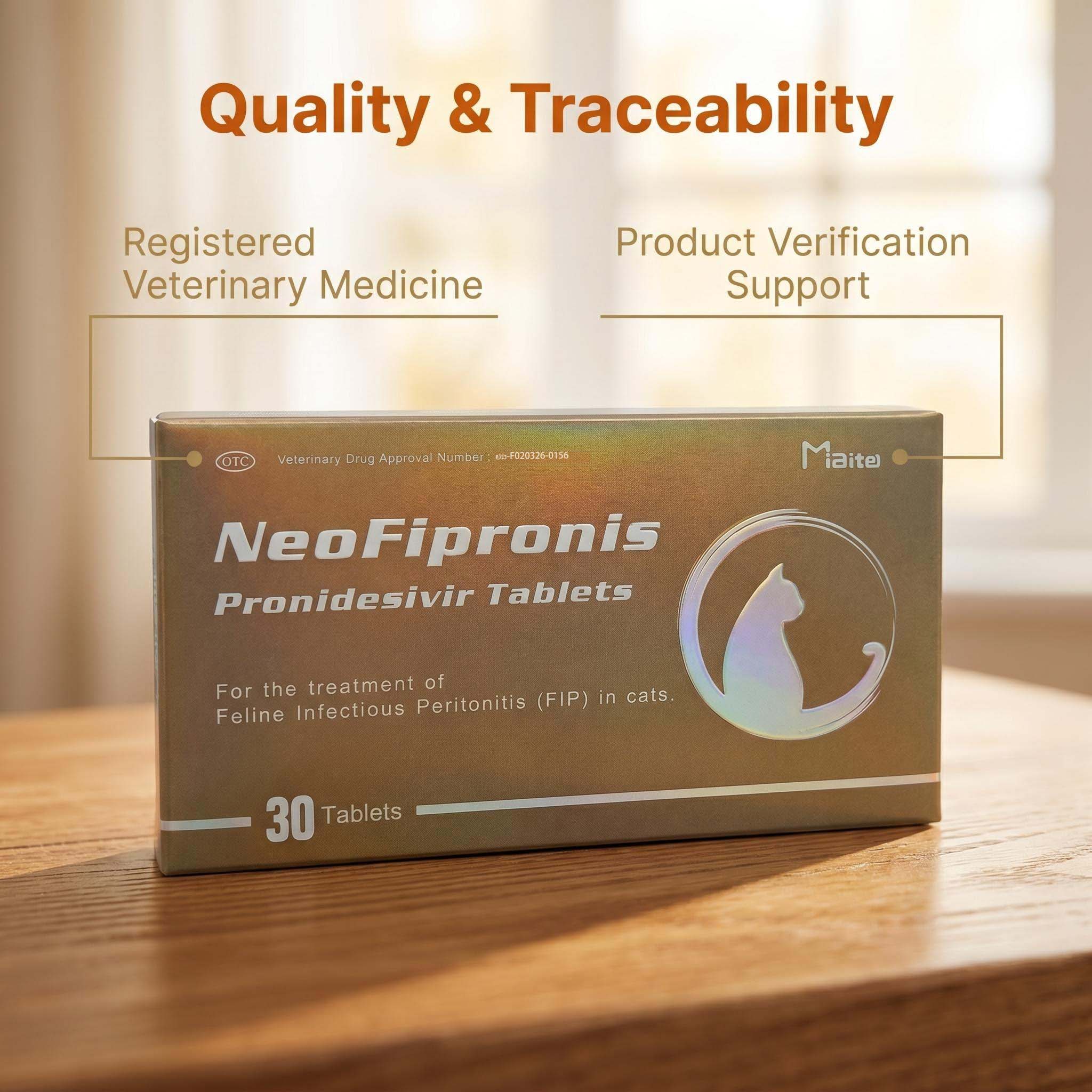
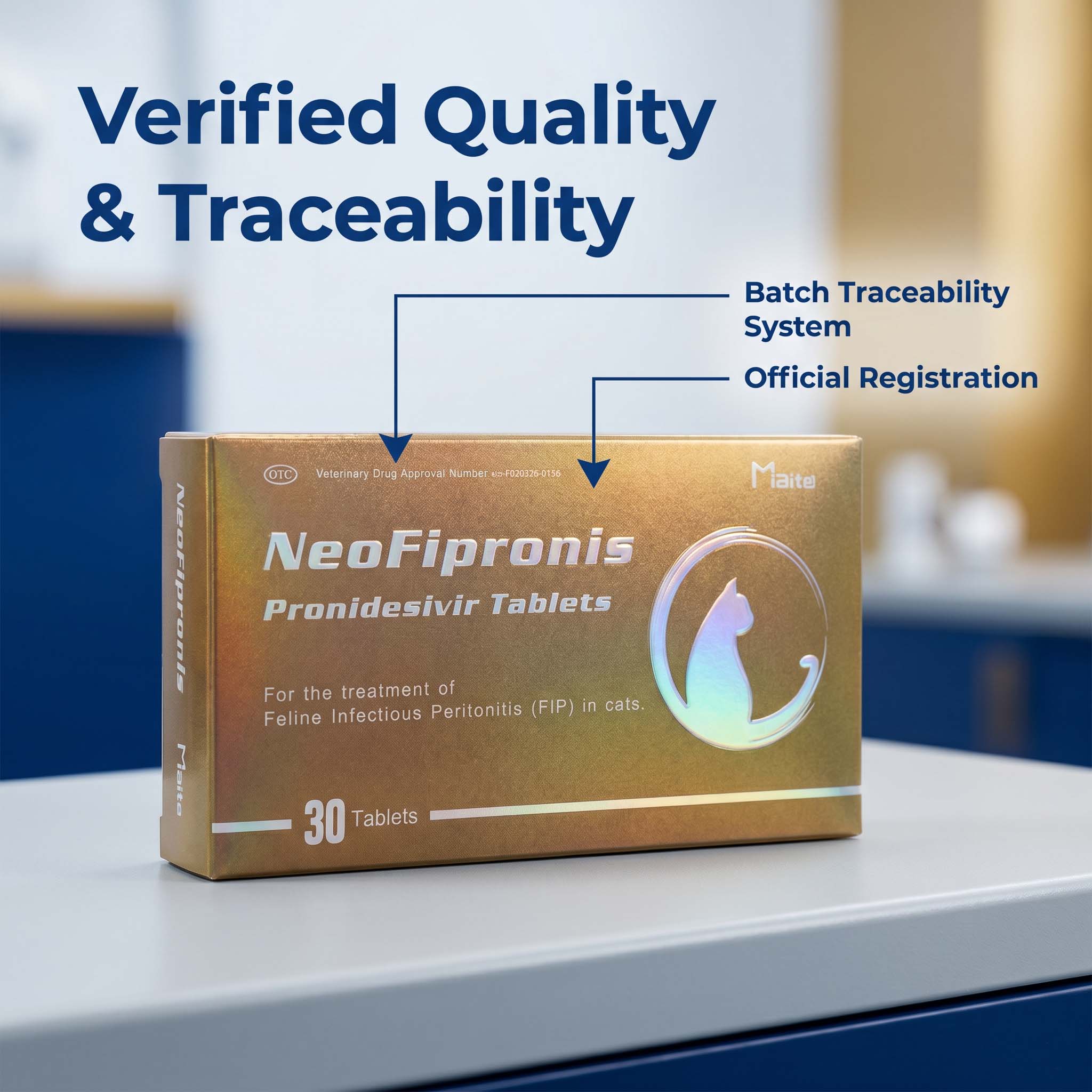
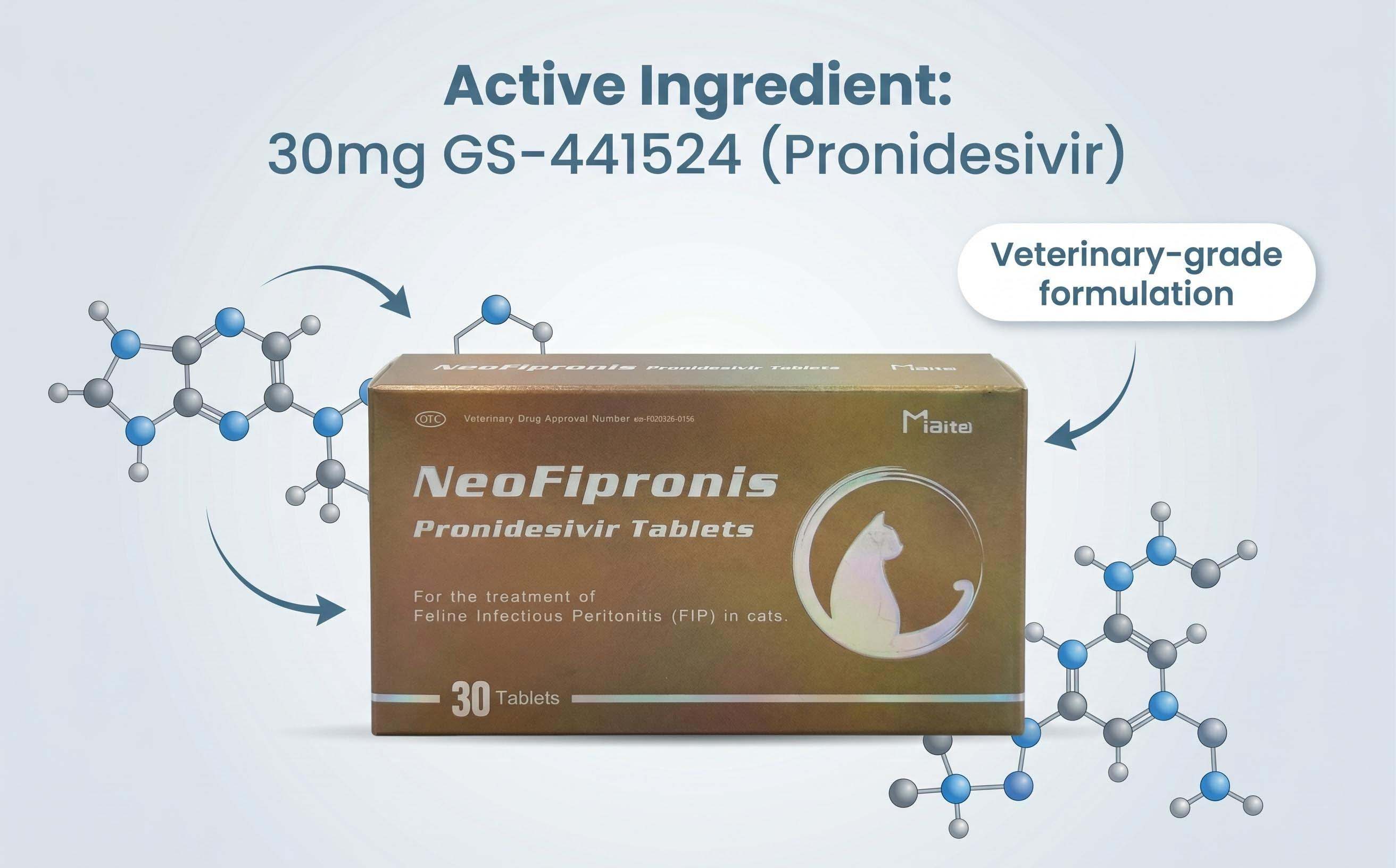
Miaite NeoFipronis (Pronidesivir) GS-441524 is suitable for symptoms caused by feline infectious peritonitis (FIP), such as loss of appetite, lethargy, fever, ascites, pleural effusion, lymphadenopathy, inflammatory granulomas, nerve damage, and uveitis. It has excellent therapeutic effects on FIP. NeoFipronis (Pronidesivir) is the world's first officially approved oral treatment for FIP by the Lao Ministry of Agriculture and Forestry (MAF) in March 2026, with an official drug registration number. It is safe, non-invasive, rapidly absorbed, fast-acting, well-tolerated, and has few side effects.
For dry FIP treatment for cats, route of administration matters. Oral antiviral therapy can be especially useful when long-term treatment is needed, when injections are difficult to administer, or when stress must be minimized. Oral therapy also improves owner compliance, which is critical because FIP treatment usually requires a sustained course rather than a short burst of medication. In cats with neurologic or ocular involvement, the chosen treatment should reach adequate systemic levels and be monitored carefully for response. Improvement is often seen as better appetite, reduced fever, more energy, and gradually normalized blood markers, but recovery of eye or nerve function may take longer.
Supportive management is an important part of dry FIP care. Cats with reduced appetite may need appetite stimulants or feeding support to prevent muscle loss. Cats with eye inflammation may require ophthalmic evaluation and local therapy if recommended by the veterinarian. Cats with neurologic disease should be monitored closely for walking difficulties, head tilt, tremors, or seizures. Pain, nausea, and dehydration can make a cat appear more severely ill than the viral disease alone, so symptom management can improve comfort and help the antiviral treatment work better. Owners should also keep the cat in a low-stress environment, ensure easy access to food and water, and track daily changes in behavior.
Monitoring response to treatment is one of the most important parts of managing dry FIP. A cat that is improving will usually begin eating better, becoming more active, and gaining weight. Fever often decreases early in therapy. Over time, laboratory values such as globulins, albumin, anemia markers, and inflammatory indicators may improve. However, treatment should not be stopped only because the cat looks better. Dry FIP can relapse if therapy is discontinued too early, especially in cats with eye or nervous system involvement. Regular veterinary follow-up helps determine whether the antiviral dose and treatment length are appropriate.
Prognosis for dry FIP depends on disease stage, organ involvement, timing of diagnosis, and how quickly antiviral treatment is started. Cats diagnosed earlier and treated consistently often respond much better than cats with advanced neurologic disease or severe organ damage. Ocular and neurologic cases can still improve, but they may require longer treatment and closer observation. Modern FIP therapy has transformed a previously fatal disease into one that may be manageable or curable in many cats when treatment is timely and properly supervised.
For cat owners searching for dry FIP treatment for cats, the key points are early suspicion, prompt veterinary assessment, antiviral therapy, and careful follow-up. Dry FIP is not a condition to watch casually, because the disease can worsen even when outward symptoms seem mild. If a cat has fever, appetite loss, weight loss, eye changes, or unexplained neurologic signs, FIP should be considered. With current antiviral options and supportive veterinary care, many cats have a better chance than ever before.
References
Pedersen NC. Feline Infectious Peritonitis: A Review of Current Understanding and Management
Addie DD, Radford AD, Hofmann-Lehmann R, et al. Feline Coronavirus Infections and FIP
Kipar A, Meli ML. Feline Infectious Peritonitis: Still an Enigma?
Ives EJ, Mealey KL, Greene CE. Infectious Diseases of the Dog and Cat
de Groot-Mijnes JDF, van Dun JM, van der Most RG, de Groot RJ. Natural History of Feline Coronavirus and FIP
World Small Animal Veterinary Association. Guidelines for the Diagnosis and Management of Feline Infectious Peritonitis
Feline Advisory Bureau. Feline Infectious Peritonitis: Clinical Features and Treatment Updates
Journal of Feline Medicine and Surgery. Recent Advances in FIP Antiviral Therapy