





Cat FIP Types
Four Clinical Presentations at a GlanceWet FIP
Abdominal or Chest Fluid · Rapid Onset · Most Common Type
💧
Dry FIP
Granulomas · Slow Progression · Often Misdiagnosed
🧬
Ocular FIP
Uveitis · Abnormal Pupils · Decreased Vision
👁️
Neurologic FIP
Ataxia · Seizures · Abnormal Gait
🧠
Information on FIP clinical types is based on guidance from:
Cornell University Veterinary Medicine · Merck Veterinary Manual · VCA Animal Hospitals · ISFM · AAFP
Cornell University Veterinary Medicine · Merck Veterinary Manual · VCA Animal Hospitals · ISFM · AAFP

FIP Prevention in Cats
Educational guidance on feline infectious peritonitis (FIP), providing practical prevention awareness and daily care strategies to help reduce potential risk factors in cats.
- ✔ Health management and routine care
- ✔ Clean environment and hygiene habits
- ✔ Stress reduction and stable routines
- ✔ Balanced nutrition and hydration
- ✔ Early awareness and monitoring
Educational content only. Always consult a licensed veterinarian.
FIP Symptoms in Cats
Feline Infectious Peritonitis (FIP) is a serious and often fatal viral disease caused by a mutated form of feline coronavirus (FCoV). Recognizing the symptoms early is critical for timely diagnosis and treatment.Recurrent Fever
Fluctuating body temperature · Fever returns after temporary improvement
Sudden Weight Loss
Rapid weight decrease · Noticeable muscle wasting
Anemia or Jaundice
Pale gums · Yellowing of the skin or eyes
Abdominal Enlargement
Fluid accumulation in the abdomen or chest · Breathing difficulty
Loss of Appetite
Reduced food intake · Low energy or lethargy
Abnormal Walking or Coordination
Unsteady gait · Tremors or loss of coordination
Symptom information is referenced from:
Cornell Veterinary Medicine · Merck Veterinary Manual · VCA Animal Hospitals · ISFM · AAFP
Cornell Veterinary Medicine · Merck Veterinary Manual · VCA Animal Hospitals · ISFM · AAFP
01
Baseline Monitoring
Body temperature · Body weight · Appetite and activity
02
Blood Tests
CBC · Total Protein (TP) · A/G Ratio · Liver and kidney markers
03
Imaging Studies
Ultrasound / X-ray: abdominal or chest fluid, lymph nodes, organ changes
04
Abdominal / Pleural Fluid Analysis
Appearance · Protein level · Cytology · Rivalta test and supportive indicators
05
Differential Diagnosis
Distinguishing from tumors, liver or kidney disease, and other infections
06
Integrated Clinical Assessment
Combining clinical signs and test results to reach a more reliable conclusion
Note: This content is for educational reference only and does not replace professional veterinary judgment.
FIP Medication Guide
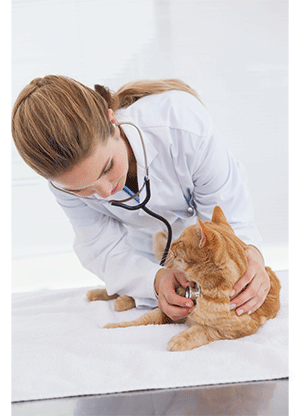
Important: All content on this website is provided for educational and informational purposes only and does not constitute medical or veterinary advice. Always consult a licensed veterinarian for diagnosis and treatment decisions.