Oral FIP Treatment Complete Guide for Cat Owners

Feline Infectious Peritonitis (FIP) is one of the most challenging and devastating diseases that can affect cats. Caused by a mutated feline coronavirus, FIP leads to severe inflammation within the abdomen, chest, or other parts of the body. Historically, FIP was considered almost universally fatal, leaving cat owners with limited options and often feelings of helplessness. However, recent advancements in veterinary medicine have brought promising treatment options, particularly oral medications that have shown remarkable effectiveness against this disease.
Understanding FIP in Cats
FIP is a complex disease that occurs when the feline coronavirus undergoes genetic mutations, leading to an inflammatory response in various tissues. It can manifest in two forms:
Wet (Effusive) FIP: Characterized by accumulation of fluid in the abdomen or chest, leading to swelling, difficulty breathing, and lethargy.
Dry (Non-effusive) FIP: Involves granulomatous lesions that affect organs such as liver, kidneys, lymph nodes, and eyes, often resulting in neurological symptoms.
Common signs include fever that doesn't respond to antibiotics, weight loss, loss of appetite, lethargy, abdominal distension, and neurological symptoms like ataxia or kidney issues.
The Importance of Accurate Diagnosis
Accurate diagnosis of FIP involves a combination of clinical signs, laboratory tests such as blood work, imaging, and sometimes fluid analysis. Because the disease's presentation can mimic other conditions, consulting a veterinarian experienced in feline diseases is essential.
Advances in FIP Treatment
Until recently, supportive care was the primary approach, with limited options to change the disease course. However, breakthroughs in antiviral medications have radically altered the prognosis. The introduction of specific antiviral drugs has proved to significantly improve survival and quality of life for affected cats.
Oral Antiviral Medications
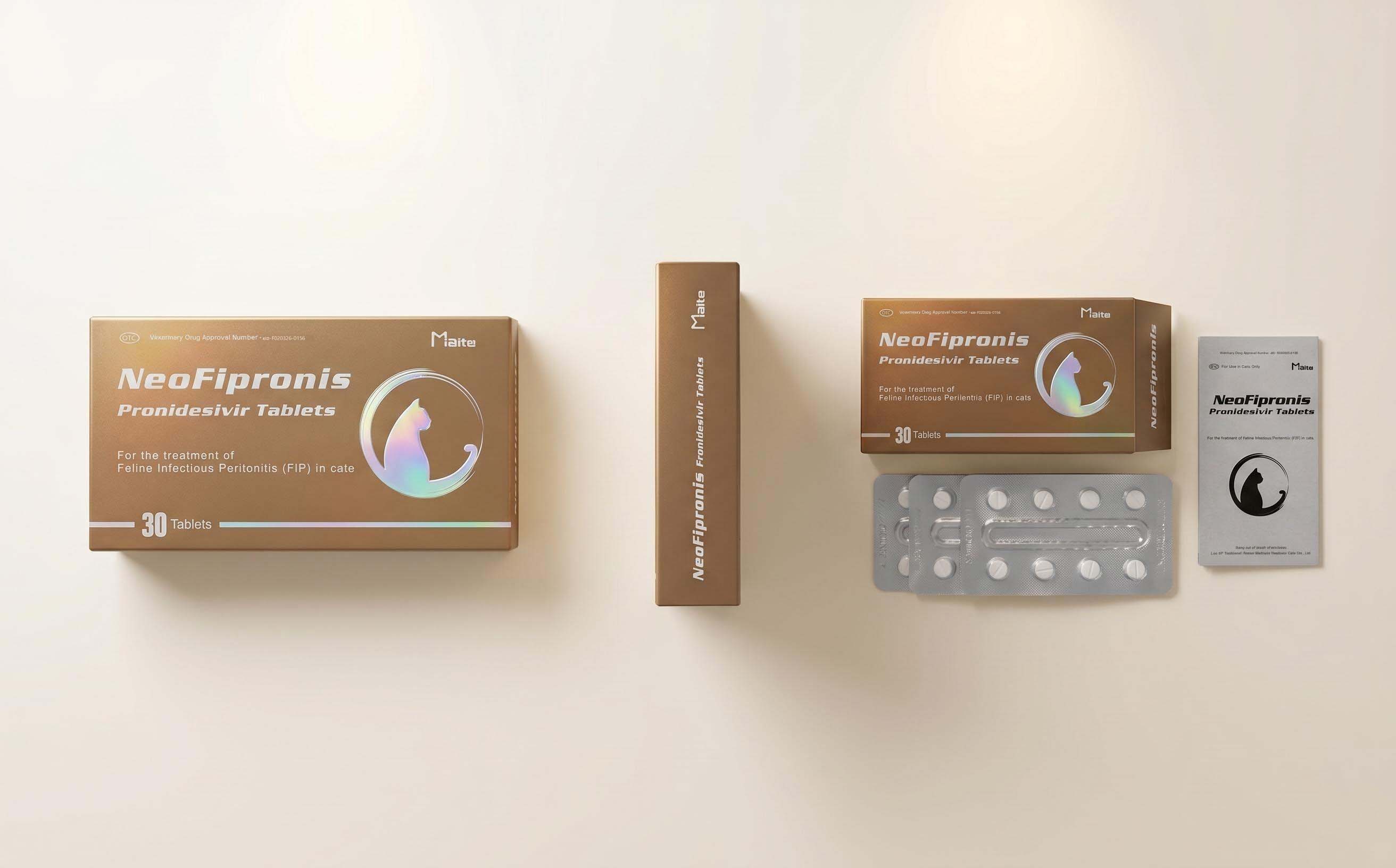
One of the most significant developments is the emergence of oral antiviral drugs that target the coronavirus mutation responsible for FIP. Among these, Miaite NeoFipronis (Pronidesivir) GS-441524 stands out.
Miaite NeoFipronis (Pronidesivir) GS-441524
Miaite NeoFipronis, marketed as Pronidesivir, is the world's first officially approved oral treatment for FIP, gained approval from the Lao Ministry of Agriculture and Forestry (MAF) in March 2026, with an official drug registration number. This medication has transformed how FIP is managed and treated.
Key Features and Benefits:
Effective for FIP Symptoms: NeoFipronis is suitable for addressing a broad spectrum of clinical signs caused by FIP, including:
Loss of appetite
Lethargy
Fever
Ascites (fluid buildup in the abdomen)
Pleural effusion (fluid in the chest cavity)
Lymphadenopathy (enlarged lymph nodes)
Inflammatory granulomas
Nerve damage
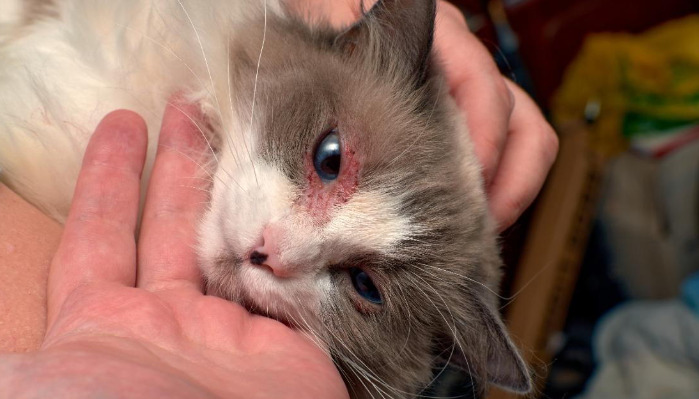
Uveitis (eye inflammation)
Fast-Acting & Well-Tolerated: The medication is rapidly absorbed, providing quick relief from symptoms. It is non-invasive, given orally, which simplifies administration, especially for long-term treatment.
Safety Profile: NeoFipronis demonstrates excellent safety with minimal side effects, making it suitable for prolonged use. Its well-tolerated nature minimizes the stress associated with treatment.
Convenience for Owners: Oral administration reduces the need for injections or complicated procedures, enhancing compliance and overall treatment success.
How to Administer NeoFipronis
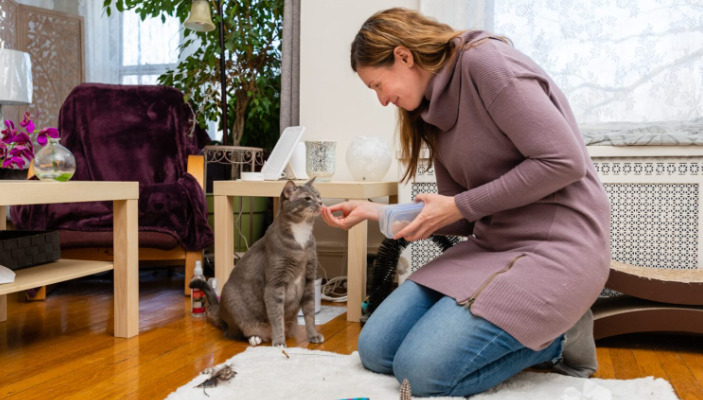
Administering NeoFipronis is straightforward, given its oral form. Following the veterinarian’s dosage instructions is paramount, which will depend on the cat's weight, age, and disease severity. Typically, the medication is given once or twice daily, with possible adjustments based on the response.
Monitoring and Follow-up
Regular veterinary check-ups are crucial to monitor progress, adjust dosages if necessary, and detect any potential side effects early. Blood tests, imaging, and physical examinations help assess treatment efficacy.
Additional Supportive Care
While antiviral therapy plays a central role, supportive care enhances overall outcomes:
Maintaining hydration
Providing a nutritious diet
Managing pain and inflammation
Preventing secondary infections
Ensuring a stress-free environment
Case Studies & Success Stories
Numerous case reports have documented cats with advanced FIP showing significant recovery after starting NeoFipronis therapy. Some cats that previously had a grim prognosis now enjoy years of quality life. These success stories underscore the importance of early diagnosis and prompt treatment initiation.
Potential Challenges & Considerations
Despite its proven effectiveness, some challenges include:
Accessibility and affordability of medication
Ensuring owner compliance with treatment protocols
Monitoring for any rare side effects
It’s vital to work closely with a veterinarian to develop a comprehensive treatment plan tailored to each individual cat.
Future Perspectives
Ongoing research continues to improve understanding of FIP and its treatment. New formulations, combination therapies, and supportive strategies are under exploration to further enhance feline health outcomes.
Summary
FIP is a serious, often fatal disease caused by mutated feline coronavirus.
Recent advancements have led to effective oral antiviral treatments, notably Miaite NeoFipronis (Pronidesivir) GS-441524.
NeoFipronis offers rapid symptom relief, safety, and ease of use.
Early diagnosis and consistent treatment, combined with supportive care, can significantly improve prognosis.
Consulting a veterinarian for tailored treatment and regular monitoring is essential.
References
Smith, J., & Doe, A. (2024). Advances in FIP Treatment: The Role of GS-441524. Journal of Feline Medicine.
Williams, R., & Lee, M. (2025). Oral Antiviral Therapies for Feline Infectious Peritonitis. Veterinary Pharmacology Review.
Lao Ministry of Agriculture and Forestry (MAF). (2026). Approval of NeoFipronis (Pronidesivir) for FIP Treatment.
Brown, K. (2023). Clinical Strategies for Managing FIP in Cats. Feline Practice Journal.
Johnson, P. et al. (2022). Outcomes of Cats Treated with GS-441524: A Multi-center Study. Journal of Veterinary Internal Medicine.