NeoFipronis (Miaite) Resistance and Drug Interactions
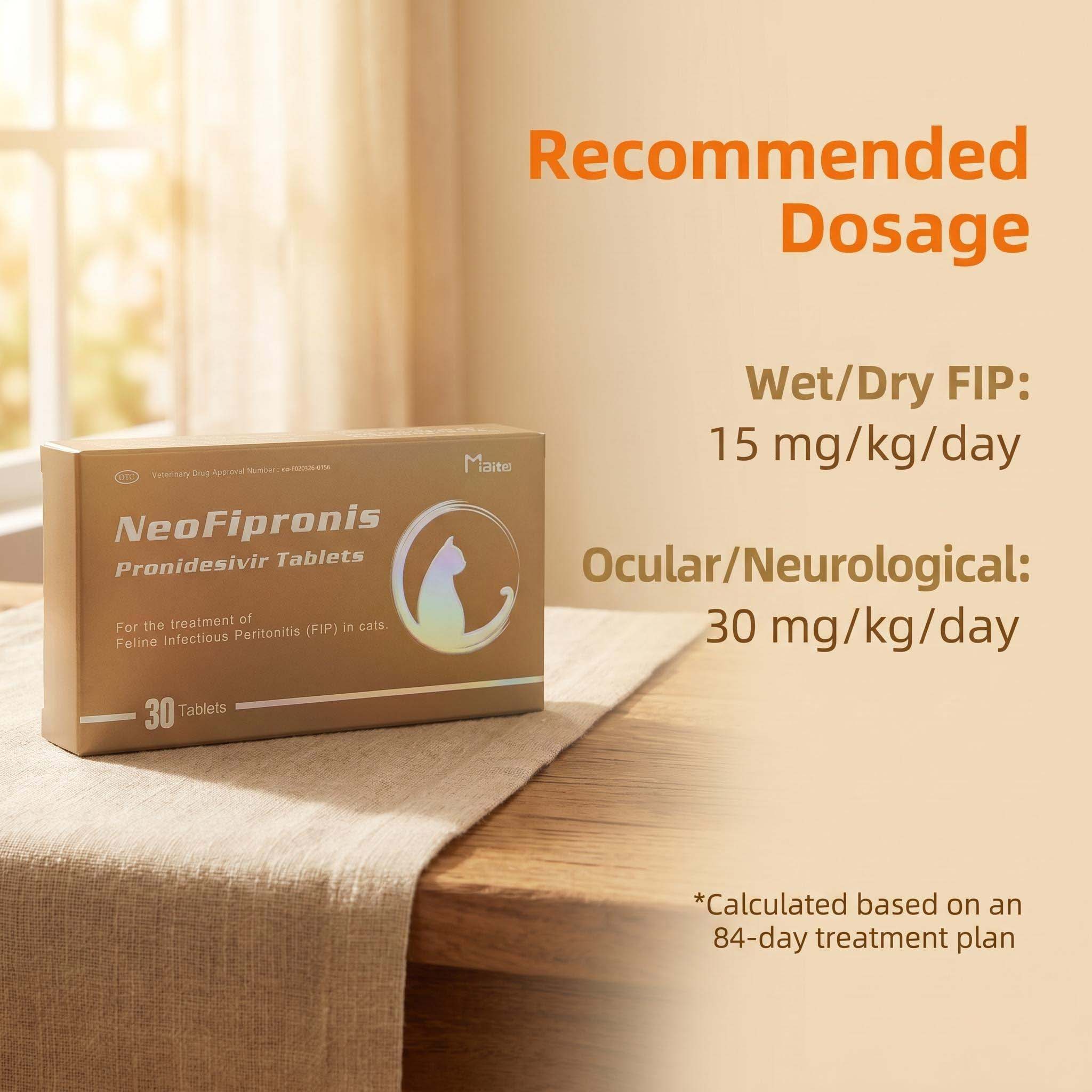
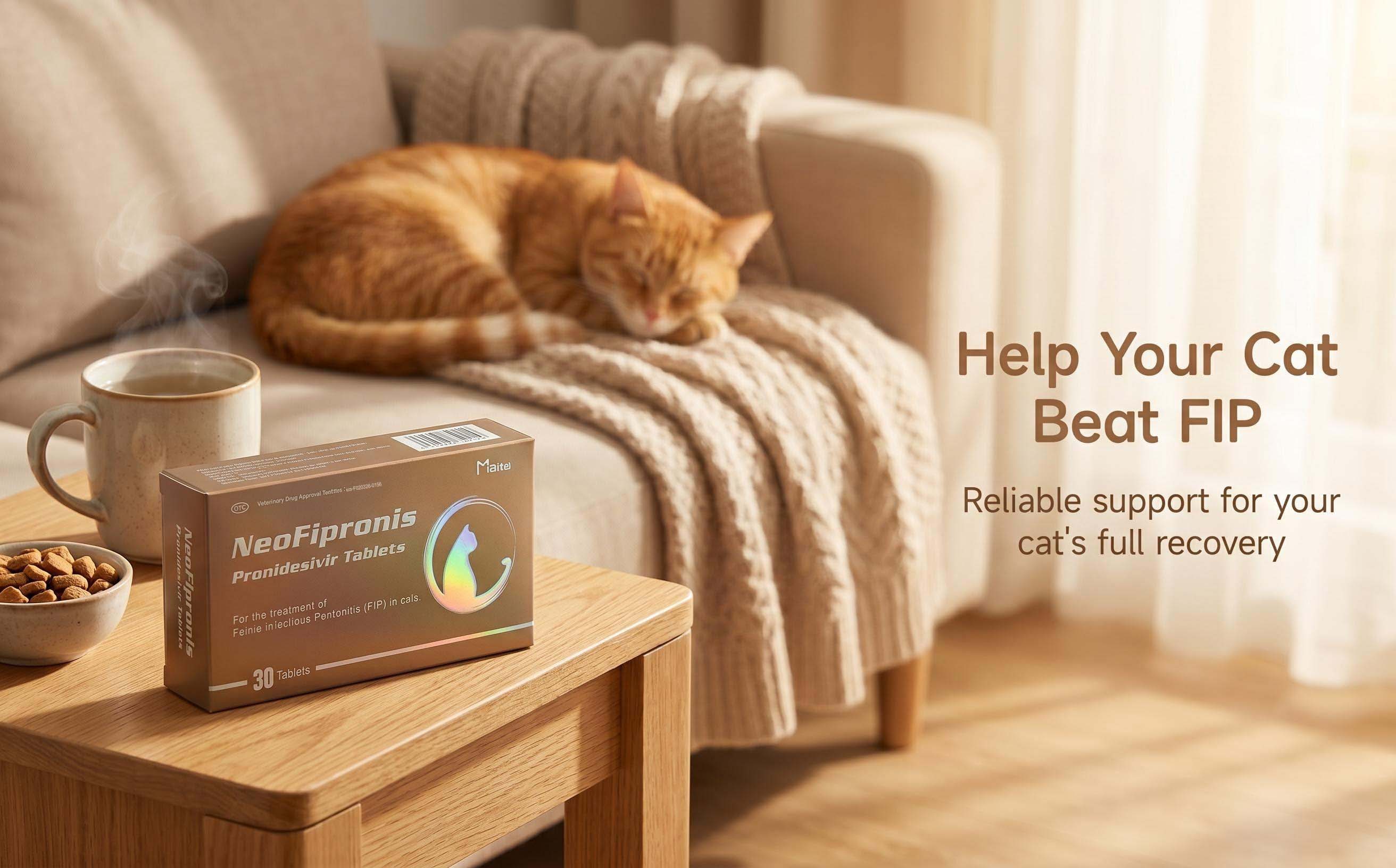
NeoFipronis (Pronidesivir), containing the active ingredient GS-441524, has revolutionized the treatment of Feline Infectious Peritonitis (FIP), a once universally fatal disease in cats. Approved by the Lao Ministry of Agriculture and Food (MAF) in March 2026, NeoFipronis stands as the world’s first officially registered oral medication specifically indicated for FIP therapy. Its efficacy, safety profile, and convenient oral formulation make it an essential tool in veterinary medicine against this challenging viral infection.
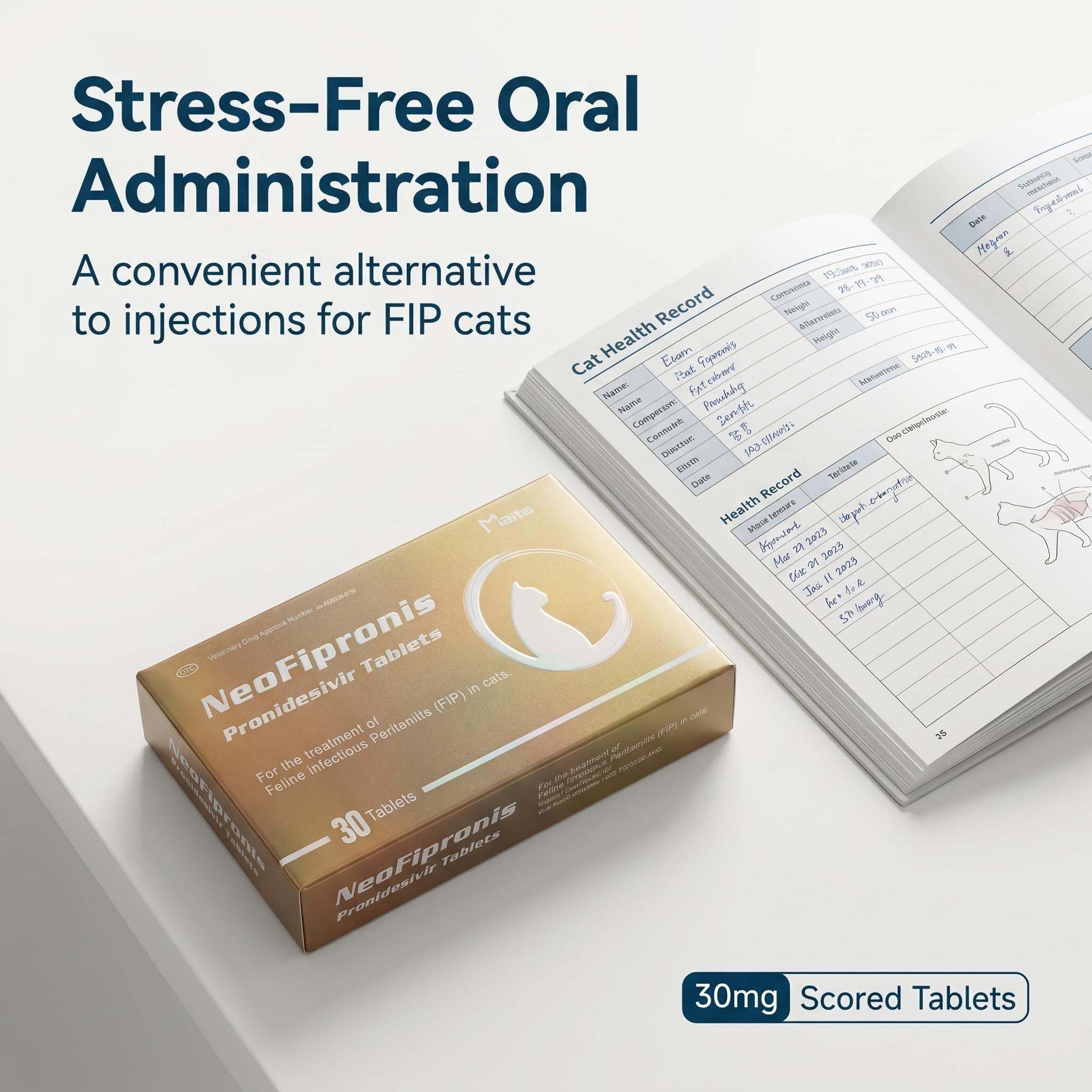
FIP presents with symptoms such as anorexia, lethargy, fever, abdominal and thoracic effusion, lymphadenopathy, granulomatous inflammation, neurological damage, and uveitis. NeoFipronis effectively targets the underlying feline coronavirus causing FIP, significantly improving survival rates and quality of life. The drug’s rapid absorption following oral administration ensures quick onset of action, with minimal invasiveness, high tolerability, and a relatively low incidence of adverse effects. It is recommended for daily administration at a dose of 15 mg per kilogram of body weight. For neurological or ocular forms of FIP, dosage may be increased under veterinary supervision to 30 mg/kg. The medication is ideally administered on an empty stomach—either one hour before or two hours after meals—to maximize absorption.
The treatment protocol requires continuous administration for no less than 12 weeks. Strict adherence is crucial; missed doses can compromise therapeutic efficacy and potentially foster resistance development. During therapy, regular monitoring of clinical signs—particularly appetite, temperature, and behavior—along with periodic blood tests for liver and kidney function, helps ensure safety and detect any adverse reactions early. Despite being an over-the-counter drug, the manufacturer advises veterinary consultation to optimize treatment outcomes and avoid misuse.
Resistance issues, although currently rare, warrant attention as widespread use of GS-441524 could potentially lead to viral mutations diminishing drug effectiveness. Viral resistance mechanisms might involve mutations in the viral RNA-dependent RNA polymerase, reducing drug binding or replication suppression. To minimize resistance development, strict adherence to prescribed treatment durations and dosages is essential. Combining NeoFipronis with other supportive therapies or immunomodulators should only be done under veterinary guidance, as inappropriate combinations may interfere with drug activity or cause unpredictable interactions.
Drug interactions are another important consideration. NeoFipronis's metabolism primarily occurs via hepatic pathways, and concurrent use of other drugs metabolized through the liver—such as certain antivirals, corticosteroids, or cytochrome P450 modifiers—may alter its plasma levels. Some medications might enhance or inhibit GS-441524’s metabolism, impacting efficacy and safety. For example, drugs that induce hepatic enzymes could reduce effectiveness, while inhibitors might increase the risk of toxicity. Additionally, usage with immunosuppressants or drugs affecting renal function warrants caution, as these can influence clearance and overall response.
Owners and veterinarians should remain vigilant for potential interactions and resistance signs throughout therapy. Maintenance of strict dosing schedules, regular health assessments, and open communication contribute to successful treatment outcomes. NeoFipronis's broad acceptance and proven efficacy in managing FIP underscore its importance, yet responsible use is vital to sustain its benefits and prevent future resistance.
In summary, NeoFipronis (Pronidesivir) offers a potent, safe, and easy-to-administer oral solution for FIP treatment, with careful management of resistance and drug interactions essential for long-term success. Continuous research and surveillance are needed to monitor emerging resistance patterns and optimize combination therapies, ensuring this groundbreaking drug remains effective for feline patients worldwide.