How to Manage NeoFipronis (Miaite) Side Effects
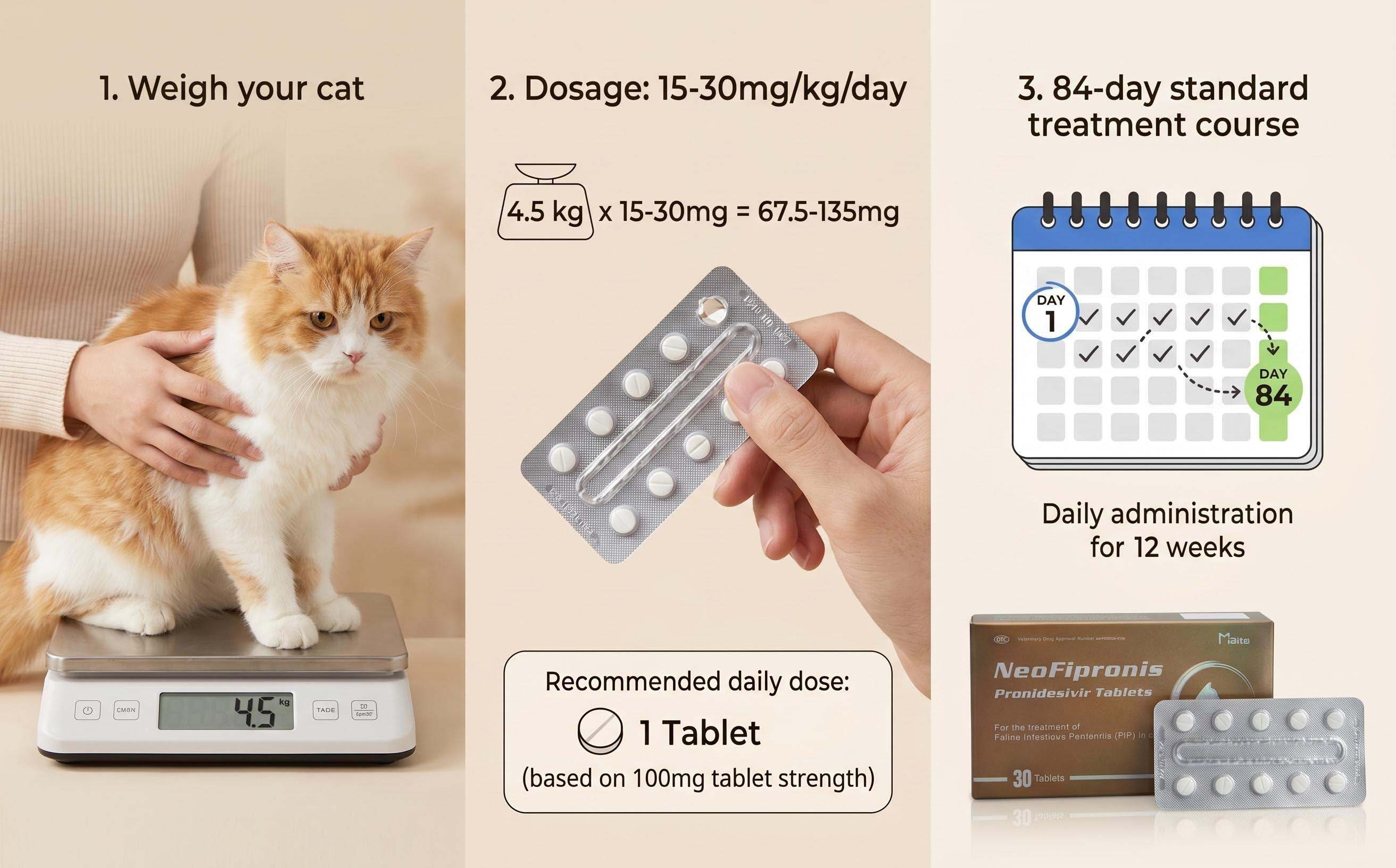
NeoFipronis (Pronidesivir), the groundbreaking oral medication for Feline Infectious Peritonitis (FIP), has shown remarkable efficacy in treating this deadly disease. With its active ingredient GS-441524, NeoFipronis offers a fast-acting, well-tolerated option for cats suffering from symptoms such as inappetence, lethargy, fever, ascites, pleural effusion, lymphadenopathy, granulomatous lesions, neuro problems, and uveitis. Nevertheless, like any medication, managing potential side effects is essential to ensure optimal treatment outcomes and minimize discomfort for your feline patient.
Understanding Potential Side Effects
While NeoFipronis (Pronidesivir) has demonstrated a high safety profile, some cats may experience adverse reactions. Common issues include temporary loss of appetite, mild gastrointestinal disturbances like vomiting or diarrhea, and slight changes in behavior or activity level. More rarely, cats might develop elevated liver enzymes or transient increases in temperature. Vigilance during treatment is crucial to identify and address these side effects promptly.
Monitoring Your Cat During Treatment
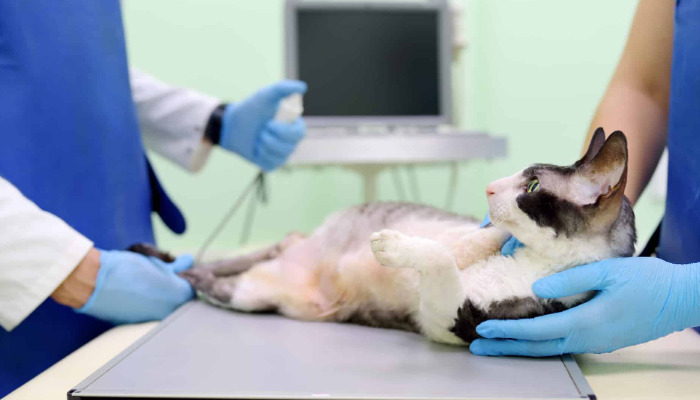
Regular observation is the best approach to managing side effects. Owners should monitor their cats daily for changes in appetite, energy levels, and demeanor. Routine veterinary check-ups, including blood tests to assess liver and kidney functions, are recommended every 4-6 weeks during extended therapy. Keeping a detailed record of your cat's symptoms, medication schedule, and any side effects will aid your veterinarian in adjusting dosing or offering supportive care if necessary.
Managing Gastrointestinal Symptoms
If your cat develops nausea, vomiting, or diarrhea, consult your veterinarian. These symptoms may be managed by ensuring your cat remains hydrated and maintaining a bland diet. In some cases, your veterinarian might recommend gastrointestinal supportive medications or suggest adjusting the timing of NeoFipronis administration, such as giving it with food if tolerated, although the medication is ideally taken on an empty stomach for faster absorption.
Addressing Liver or Kidney Concerns
Elevated liver enzymes or signs of hepatic stress might occur. If blood work indicates liver involvement, your veterinarian may recommend hepatoprotective agents or adjust the medication dosage. The same applies to kidney function issues. Close monitoring is essential, especially since long-term therapy extends at least 12 weeks.
Managing Behavioral Changes
Mild lethargy or behavioral changes can be monitored at home. Ensuring a comfortable, low-stress environment can aid recovery. If behavioral issues persist or worsen, consult your veterinarian, who may determine whether dose adjustment or additional supportive therapy is needed.
Dealing with Rare Adverse Reactions
In rare cases, cats might experience allergic reactions such as swelling, hives, or breathing difficulties. Immediate veterinary attention is critical. If you notice any abnormal symptoms, discontinue NeoFipronis and seek urgent care.
Supporting Overall Well-being
Maintaining good hydration, providing a balanced diet, and minimizing stress are vital during treatment. Owners should strictly adhere to the prescribed dosing schedule—15 mg per kg daily, with neuro/ocular cases sometimes requiring up to 30 mg/kg under veterinary guidance. Never adjust dosage without consulting your vet.
Precautions and Safety
Though NeoFipronis remains a non-prescription medication, it is recommended to use under veterinary supervision to ensure safety and efficacy. Avoid self-medicating your cat. Only purchase NeoFipronis from official sources to guarantee product authenticity and quality.
Summary
Effective management of NeoFipronis side effects involves close monitoring, timely veterinary consultation, and supportive care. Most cats tolerate the treatment well, experiencing minimal adverse reactions. Consistent observation, regular blood work, and adherence to veterinary advice will maximize your cat’s chances of recovery from FIP, transforming the prognosis for this once deadly disease.