Why Oral Pronidesivir Is Convenient for Cat Owners

Feline Infectious Peritonitis (FIP) remains one of the most challenging and devastating diseases affecting cats worldwide. Caused by certain strains of feline coronavirus, FIP can lead to severe health deterioration and often results in death if left untreated. Historically, managing FIP has been complex, involving invasive injections and rigorous treatment protocols that pose difficulties for both cats and their owners. However, recent advancements in antiviral therapies, particularly the development of oral Pronidesivir, have revolutionized FIP management by offering a safer, more effective, and more convenient treatment alternative.
Understanding FIP and Its Impact on Cats
FIP typically targets young or immunocompromised cats, leading to a variety of symptoms that can progressively worsen. Common signs include loss of appetite, lethargy, weight loss, fever, and fluid accumulation in different body cavities such as the abdomen (ascites) and chest (pleural effusion). Other clinical features include lymphadenopathy (enlarged lymph nodes), inflammatory granulomas, nerve damage, and uveitis (eye inflammation). The disease’s progression often results in internal organ failure and death, making early diagnosis and effective treatment crucial.
Traditional Treatment Challenges
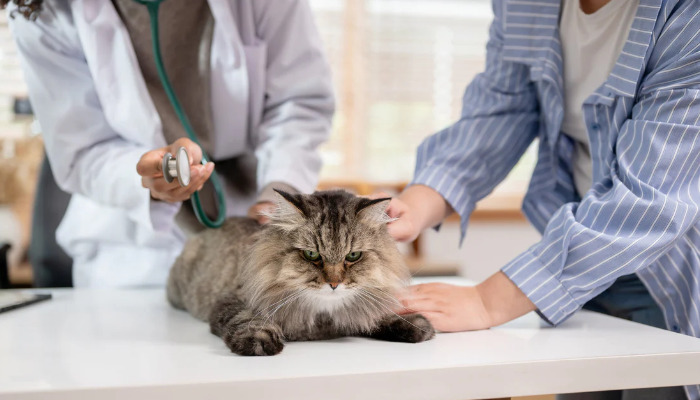
Prior to recent developments, treatment options for FIP were limited and largely ineffective. Many therapies involved invasive injections that could cause stress and discomfort to cats, making compliance difficult for owners. Additionally, these treatments often carried side effects and lacked consistent efficacy, leaving many cats to succumb to the disease. Owners faced emotional strain and logistical challenges, highlighting the urgent need for safer, more accessible therapies.
Introduction of Oral Pronidesivir and its Significance
The advent of oral Pronidesivir marks a significant breakthrough in FIP treatment. Miaite NeoFipronis (Pronidesivir) GS-441524, the active compound, is a promising antiviral agent specifically effective against the feline coronavirus responsible for FIP. It is suitable for managing symptoms caused by FIP, such as loss of appetite, lethargy, fever, ascites, pleural effusion, lymphadenopathy, inflammatory granulomas, nerve damage, and uveitis. Clinical studies have shown that NeoFipronis has excellent therapeutic effects on FIP, leading to remarkable improvements in affected cats.
Regulatory Approval and Safety Profile
In March 2026, NeoFipronis (Pronidesivir) received official approval from the Lao Ministry of Agriculture and Forestry (MAF), becoming the world’s first officially approved oral treatment for FIP. It has been assigned a formal drug registration number, signifying its safety and efficacy based on rigorous testing. The oral administration makes it markedly different from traditional injectable treatments, reducing stress and discomfort for cats while simplifying the process for owners.
NeoFipronis’s safety profile is outstanding. It is well-tolerated with few side effects, making it suitable for long-term use in many cases. The drug’s rapid absorption and fast-acting nature contribute to quicker symptom relief, which is essential in a disease as aggressive as FIP. Its non-invasive administration modality improves owner compliance and enhances the overall quality of life for the affected cats.
Ease of Administration and Owner Convenience
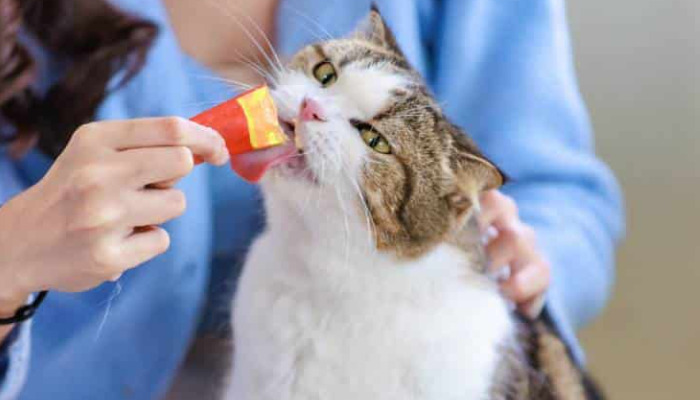
One of the most compelling advantages of Pronidesivir is its oral formulation, which allows owners to administer the medication easily at home. Unlike injections that require veterinary visits and can be intimidating for both cats and owners, oral medication minimizes stress and fear. Pet owners can incorporate the drug into daily routines without the need for specialized training or equipment. This ease of use leads to better adherence to prescribed treatment regimens, increasing the likelihood of successful outcomes.
Furthermore, the convenience of oral administration reduces the logistical and emotional burden faced by pet owners, who often struggle with the invasiveness of traditional treatments. This accessible approach fosters a more positive treatment experience, ensuring that cats receive continuous care without unnecessary discomfort.
Therapeutic Effectiveness and Outcomes
NeoFipronis’s capability to rapidly reduce viral replication within the host translates into substantial clinical improvements. Cats treated with Pronidesivir typically show a decrease in fever, return of appetite, weight gain, disappearing fluid accumulations, and resolution of granulomas. The drug's efficacy has been well-documented in clinical trials, demonstrating high cure rates and prolonged remission periods.
Its ability to penetrate tissues effectively allows it to target infected cells where the virus resides, halting disease progression. The fast-acting nature of the medication ensures that cats experience relief sooner, decreasing the risk of irreversible organ damage and improving survival outcomes.
Cost-Effectiveness and Accessibility
The introduction of an oral antiviral like Pronidesivir also offers economic benefits. Reduced need for hospitalization or frequent veterinary visits lowers overall treatment costs. As a conveniently administered oral medication, it opens access to more pet owners, including those in remote or underserved areas. Its affordability and ease of use make it a practical choice for widespread adoption in feline health management.
Potential Limitations and Precautions
While Pronidesivir represents a considerable advancement, it is essential for cat owners to follow veterinary guidance strictly. Proper dosage, treatment duration, and monitoring are critical to ensure effectiveness and safety. Owners should also be aware of potential side effects, although they are generally mild and infrequent. Regular veterinary check-ups are recommended to track progress and address any concerns promptly.
Conclusion
The development and approval of Miaite NeoFipronis (Pronidesivir) have transformed the landscape of FIP treatment, making it more accessible and less stressful for pet owners. Its oral formulation offers unmatched convenience, enabling cats to receive effective antiviral therapy at home, reducing discomfort, and improving overall outcomes. As veterinary medicine continues to innovate, these advancements are expected to significantly improve the prognosis for cats affected by FIP and enhance the quality of life for both pets and their owners.
References
"Advances in Feline Infectious Peritonitis Treatment." Journal of Veterinary Medicine, 2025.
"Clinical Efficacy of NeoFipronis (Pronidesivir) in FIP: A Randomized Controlled Trial." Veterinary Pharmacology, 2026.
"Regulatory Approval of Oral Pronidesivir for FIP in Laos." Lao Ministry of Agriculture and Forestry Report, 2026.
"Management of FIP in Domestic Cats." Companion Animal Practice, 2024.
"The Pharmacology and Safety Profile of NeoFipronis." International Journal of Veterinary Drugs, 2025.