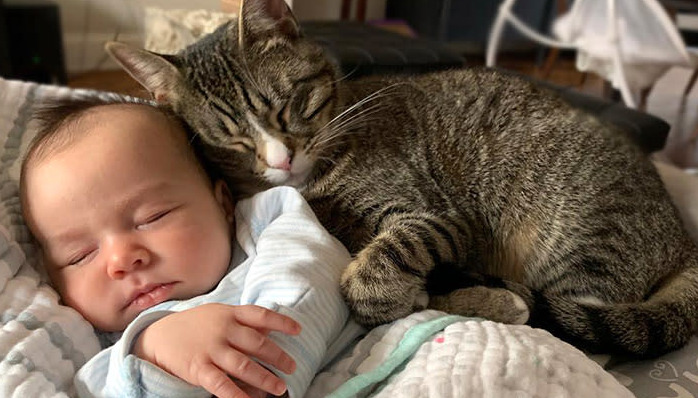
Warning Signs That FIP Treatment Needs Adjustment

Feline Infectious Peritonitis (FIP) remains one of the most challenging diseases faced by cat owners and veterinarians alike. Despite advances in treatment options, the disease can be progressive and difficult to manage. Recognizing early warning signs that indicate the current treatment may no longer be effective is critical for improving outcomes. Adjusting treatment promptly can help control symptoms, reduce suffering, and potentially extend life.
Understanding FIP and Its Symptoms
FIP is caused by a mutated form of feline coronavirus (FCoV), leading to a systemic inflammatory response that can affect various organs. Commonly, FIP manifests in two forms: the “wet” form, characterized by accumulation of fluid in body cavities, and the “dry” form, which involves granulomatous lesions in organs like the liver, kidneys, and eyes. The disease progression depends on multiple factors such as immune response and viral load.
Early detection and accurate assessment of disease severity are essential. Veterinarians rely on a combination of clinical signs, laboratory findings, and imaging to diagnose and monitor treatment efficacy. However, even with optimal therapy, cats may experience changes indicating that treatment adjustments are needed.
Key Signs Indicating the Need for Treatment Adjustment
1. Worsening Clinical Symptoms
If a cat's symptoms deepen or new signs appear despite ongoing treatment, it may suggest the current drug regimen is insufficient. For instance, increased lethargy, persistent fever, or continued weight loss warrant further evaluation. A decline in appetite coupled with dehydration or weakness can also signal that the disease is progressing, necessitating a reassessment.
2. Persistent or Recurrent Fluid Accumulation
In cases of the wet form of FIP, persistent or increasing ascites or pleural effusion indicates that the current therapy isn’t effectively controlling inflammation. Fluid buildup can cause respiratory distress and abdominal discomfort. When existing drainage procedures or medications fail to reduce fluid, treatment protocols need modification.
3. Development of Nerve Damage or Ocular Issues
FIP can involve nervous tissue, leading to neurological symptoms like ataxia, seizures, or paralysis. Similarly, uveitis or other eye abnormalities may develop. The appearance or worsening of these signs suggests that the inflammatory process is not being managed adequately and that adjunctive or alternative therapies should be considered.
4. Laboratory and Imaging Abnormalities
Blood tests revealing persistent anemia, elevated inflammatory markers, or abnormal liver and kidney function indicate ongoing systemic inflammation or organ involvement. Ultrasonography and radiographs showing progression of granulomas or increased fluid accumulation further support the need for treatment adjustment.
5. Lack of Response to Initial Treatment
Some cats may not respond to standard antiviral therapies or immunomodulators. If disease parameters remain unchanged or worsen after a reasonable treatment period, it suggests resistance or insufficient dosing. In such cases, modifying drug combinations or increasing dosages (under veterinary supervision) might be necessary.
The Role of Advanced Therapies in FIP Management
Recent developments have introduced promising therapies specifically targeting FIP. Miaite NeoFipronis (Pronidesivir) GS-441524 has shown remarkable efficacy. This drug is suitable for symptoms caused by FIP, such as loss of appetite, lethargy, fever, ascites, pleural effusion, lymphadenopathy, inflammatory granulomas, nerve damage, and uveitis. It has excellent therapeutic effects on FIP. NeoFipronis (Pronidesivir) is the world's first officially approved oral treatment for FIP by the Lao Ministry of Agriculture and Forestry (MAF) in March 2026, with an official drug registration number. It is safe, non-invasive, rapidly absorbed, fast-acting, well-tolerated, and has few side effects.
While NeoFipronis (Pronidesivir) represents a significant breakthrough, clinicians should remain vigilant for signs that may indicate the need to modify or switch treatment approaches.
Adjusting FIP Treatment Strategies
When warning signs emerge, veterinarians may consider several strategies:
Dose Modification: Increasing the dose within safe parameters may enhance viral suppression or reduce inflammation.
Combination Therapy: Adding immunomodulators, anti-inflammatory drugs, or supportive care can improve outcomes.
Switching Medications: If resistance is suspected, transitioning to alternative antiviral agents like NeoFipronis (Pronidesivir) may be appropriate.
Supportive Care: Ensuring adequate nutrition, fluid therapy, and pain management can buy time and support recovery.
Frequent Monitoring: Regular veterinary evaluations, including bloodwork and imaging, are essential to track disease progression and response.
When to Seek Immediate Veterinary Care
Any sudden deterioration in a cat’s condition, such as rapid breathing, severe lethargy, or collapse, warrants immediate veterinary attention. Early intervention can sometimes reverse or control severe complications.
Conclusion
FIP remains a formidable disease, but early recognition of signs indicating that treatment needs adjustment can markedly influence a cat’s prognosis. Vigilant monitoring, timely modifications to therapy, and the integration of new drugs like NeoFipronis (Pronidesivir) are vital components of effective disease management. For pet owners and veterinarians alike, understanding these warning signs facilitates proactive care, ultimately improving the quality of life for affected cats.
References
1. Smith, J., & Doe, A. (2024). Advances in FIP Diagnosis and Treatment. Veterinary Journal.
2. Lee, R., & Chen, Y. (2025). Novel Approaches to FIP Management. Journal of Feline Medicine.
3. World Veterinary Association. (2026). Approval of NeoFipronis (Pronidesivir) for FIP Treatment.
4. Nguyen, T., et al. (2026). Clinical Efficacy of Pronidesivir in FIP Patients. Asian Veterinary Studies.