What to Expect During the 84-Day FIP Treatment Protocol
Feline Infectious Peritonitis (FIP) is a devastating viral disease affecting cats, caused by a mutation of the feline coronavirus. With advances in veterinary medicine, cats diagnosed with FIP now have hope thanks to innovative antiviral treatments. Among these, the 84-day FIP treatment protocol has emerged as a standard, offering structure and predictability to the management of this challenging disease. Pet owners and veterinarians facing a FIP diagnosis need clear information on what the protocol entails, how their cat might respond, and the nuances of monitoring progress. This comprehensive guide details what to anticipate during each phase, essential care tips, and how to navigate the emotional and logistical demands of the treatment journey.
Understanding FIP and Its Treatment
FIP comes in wet (effusive) and dry (non-effusive) forms, both triggered by the feline coronavirus. The 84-day treatment protocol primarily utilizes antiviral drugs—most notably GS-441524, a nucleoside analog that targets viral replication. This protocol is grounded in clinical studies and anecdotal evidence supporting its efficacy and safety. Success depends on early diagnosis, adherence, and diligent monitoring, underscoring the importance of collaboration between owners and veterinarians.
Protocol Overview
The standard 84-day protocol typically involves daily administration of the antiviral medication. Dosing varies depending on factors such as the cat's weight, severity of symptoms, and whether the disease affects the nervous system or eyes. The medication is given subcutaneously (injection under the skin) or orally, depending on the formulation and veterinary guidance. Cats are closely monitored throughout, with regular veterinary checkups, bloodwork, and symptom tracking.
Phase 1: Beginning Treatment (Days 1-14)
Initial Consultation and Diagnostics
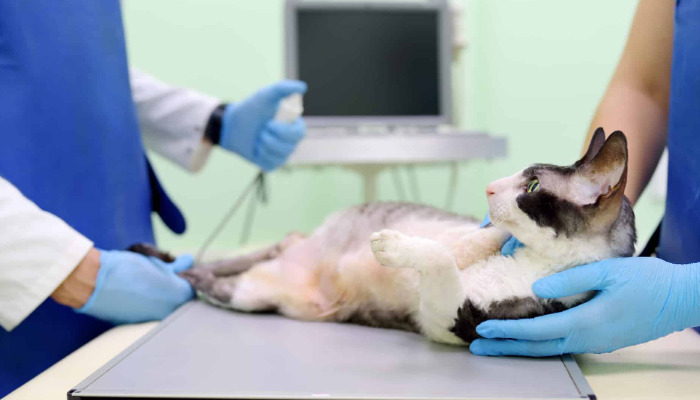
Prior to starting therapy, comprehensive diagnostics are essential. These include blood tests (CBC, chemistry panel), imaging (ultrasound or X-ray), and analysis of effusion fluid if present. Once FIP is confirmed, veterinarians tailor the treatment plan, establish dosing, and discuss potential side effects.
First Doses and Early Responses
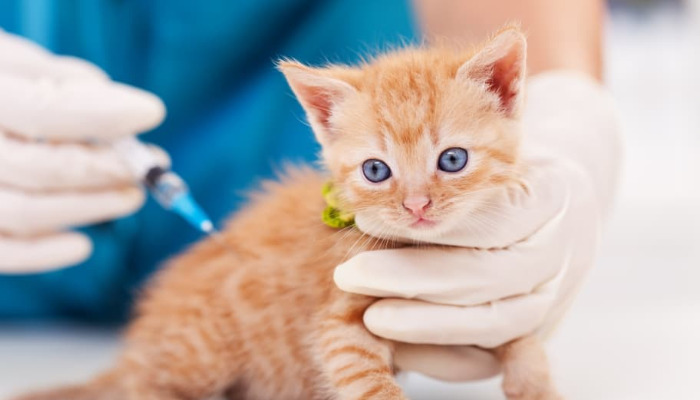
The first two weeks commonly bring dramatic changes. Many cats experience rapid improvement in appetite, energy, and general demeanor within days. Owners may witness a decrease in effusion, weight gain, and reduced fever. However, the transition can also bring challenges. Some cats react to injections with discomfort, swelling, or mild allergic responses. It's crucial to monitor for signs of adverse reactions and report concerns quickly.
Care Tips
Ensuring a comfortable environment is vital. Cats often appreciate a quiet, safe space free from stress. Owners should maintain consistent routines, provide palatable food, and keep the sick cat separated from others if necessary to avoid further infections.
Phase 2: Progress Monitoring (Days 15-56)
Regular Veterinary Assessments
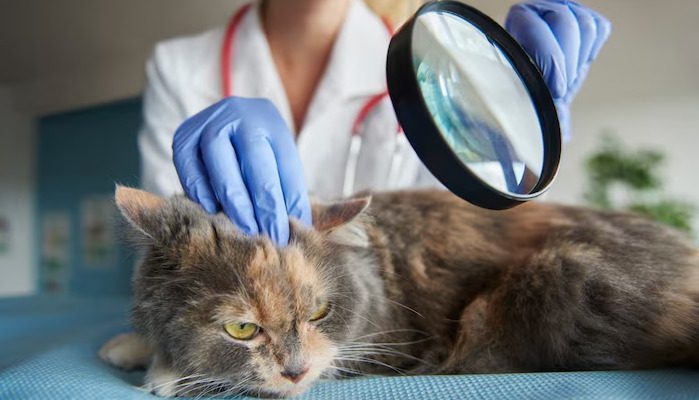
Checkups are recommended every 2 to 4 weeks. Blood tests focus on parameters such as red and white cell counts, globulin to albumin ratios, liver and kidney values, and hematocrit. Improvements are tracked as a sign of treatment response; stagnation or worsening may necessitate adjustments.
Symptom Management
Most cats continue to regain strength and show robust clinical improvement. Appetite may normalize, and behavioral changes reverse. In rare cases, some symptoms persist longer. Owners should watch for neurological signs (seizures, head tilt, abnormal gait) or ocular involvement (vision loss, eye inflammation), which might require higher antiviral doses or adjunct therapies.
Medication Administration
As treatment continues, owners often become adept at giving injections or oral medications. Clear communication with veterinarians ensures correct dosing and minimizes mistakes. Some cats develop injection-site reactions, which can be managed with cold compresses or rotation of injection spots. Support groups and online communities can provide practical tips and emotional encouragement.
Phase 3: Completion and Post-Treatment (Days 57-84)
Final Weeks of Medication
The last phase is crucial for consolidated recovery. Regular monitoring remains essential. Blood markers should preferably be within normal limits, and symptoms fully resolved. Near treatment end, veterinarians may recommend extra blood tests or imaging to confirm remission.
Preparing for the Treatment’s End
As day 84 approaches, many owners feel anxious about discontinuing medication. This transition is normal, but constant vigilance is needed until remission is confidently established. Veterinarians typically advise continued observation for several weeks after protocol completion.
Life After The Protocol
Post-Treatment Observation
Once medication stops, cats must be monitored closely for relapse signs: lethargy, abdominal distension, inappetence, neurological changes, or fever. Most successfully treated cats show lasting remission. Routine checkups and lab tests—for at least two months post-treatment—are recommended to catch any recurrence early.
Long-Term Quality of Life
Survivor cats usually resume normal lifestyles: eating, playing, interacting with family, and regaining activity levels. Owners should maintain regular wellness visits, promote robust immune function through proper nutrition and stress reduction, and remain alert for symptoms of other illnesses.
Challenges and Emotional Considerations
Owner Anxiety and Support
The 84-day protocol is a marathon, not a sprint. Many owners face emotional exhaustion, logistical hurdles, and financial strain. Support networks, including veterinary teams, social media groups, and FIP-focused forums, can be indispensable for encouragement, advice, and reassurance.
Cost and Accessibility
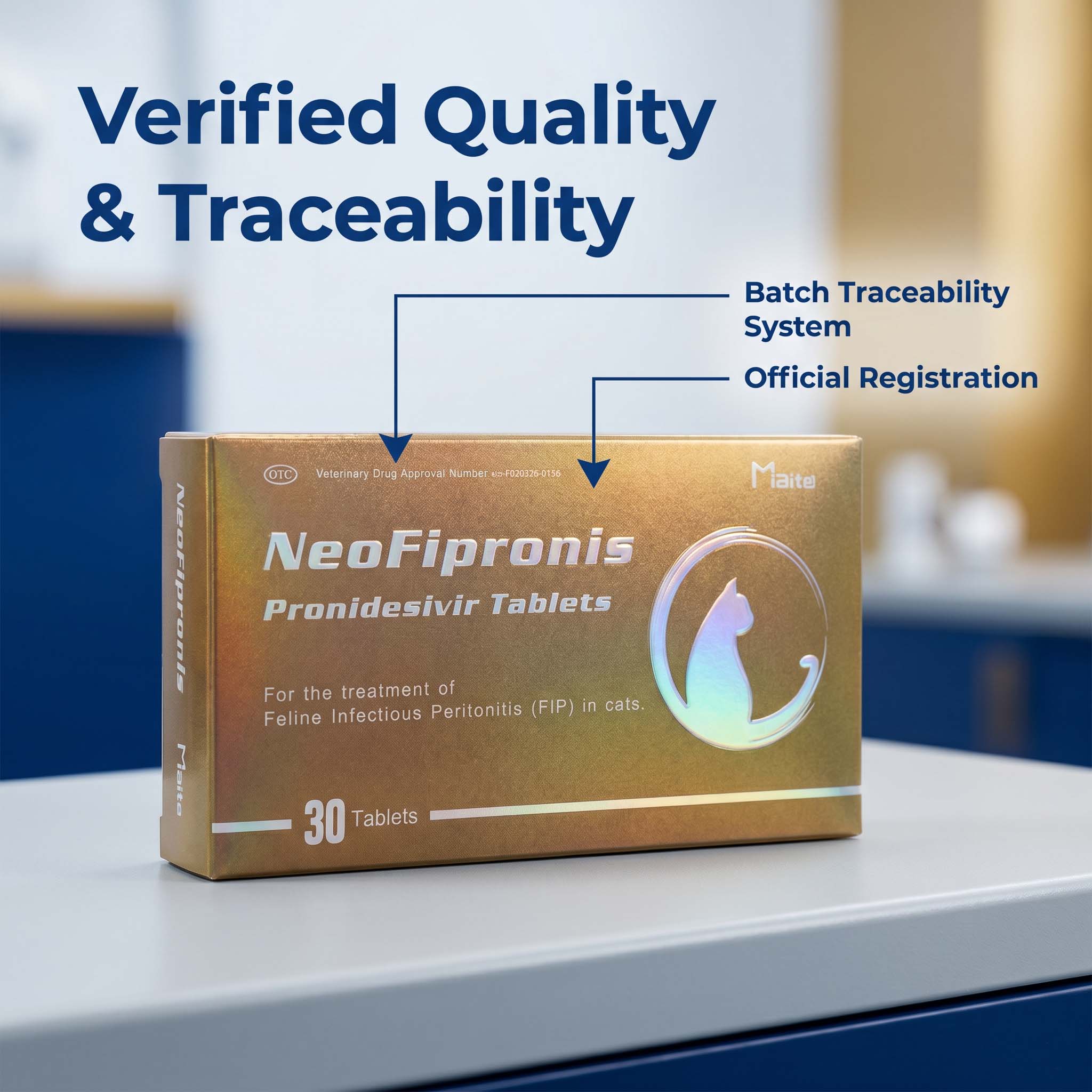
Treatment expenses remain high. Prices for antiviral medications vary, and availability may fluctuate. Some nonprofits and research groups offer assistance or advice on sourcing safe, legitimate medication. Owners should beware of counterfeit drugs and seek reputable providers.
Handling Setbacks
Partial Response or Relapse
Though most cats respond well, a minority experience partial improvement or relapse after treatment ends. This can be due to higher viral loads, delays in diagnosis, or involvement of the brain and eyes. In such cases, extended treatment, dose adjustment, or additional therapies may be required. Open dialogue with veterinarians and persistence are essential.
Dealing with Adverse Reactions
Adverse effects are uncommon but possible: injection pain, local swelling, mild gastrointestinal symptoms, or rare allergic responses. Generally, side effects are manageable; prompt reporting helps ensure rapid intervention and minimizes risks.
Useful Tips for Owners
Practical Medication Strategies
Rotation of injection sites, using fine needles, and ensuring medications are at the correct temperature can all reduce discomfort. Owners should keep detailed logs of medication times, doses, and responses to facilitate veterinary review.
Home Environment Adjustments
Cleanliness, stress reduction, and access to fresh water and high-quality food help boost recovery. Cats benefit from gentle companionship and interactive play as they regain health.
Record Keeping and Communication
Maintaining a diary of symptoms, responses, and veterinary visits proves valuable. This log aids in early detection of relapse or complications and fosters effective teamwork between owner and veterinarian.
Veterinary and Professional Partnerships
Choosing the Right Veterinarian
A knowledgeable, FIP-savvy veterinary team, comfortable with antiviral protocols, is essential. Veterinarians who communicate clearly, offer empathy, and respond promptly make the protocol less daunting and improve outcomes.
Specialists and Consultations
Some cases warrant specialist input—especially if neurological or ocular FIP is suspected. Internal medicine veterinarians, ophthalmologists, and neurologists can guide nuanced treatment modifications.
Advances in FIP Research
Evolving Medications
Since the widespread implementation of GS-441524, other antivirals and adjunct therapies have shown promise. Clinical trials, ongoing veterinary research, and collaborative studies continue to refine protocols, dosing, and best practices.
What Science Says
Studies suggest early intervention yields the best results. Survival rates for cats treated with GS-441524 or similar drugs substantially exceed historical baselines, particularly when owners and veterinarians communicate proactively and follow protocols precisely.
Key Factors for Success
Consistency
Administering medication at the same time daily, following dosing instructions, and adhering to veterinary recommendations drive optimal results.
Timely Responses
Quick action in the face of complications—side effects, persistent symptoms, or possible relapse—makes a profound difference in outcome.
Veterinary Partnership
Ongoing veterinary guidance, from diagnosis through follow up, is a cornerstone of successful FIP management.
Conclusion
The 84-day FIP treatment protocol offers remarkable hope to cats afflicted with this once-fatal disease. With proper planning, attention to detail, and partnership between owners and veterinarians, most cats achieve remission and a return to joyful companionship. Understanding every stage—from diagnosis to treatment and beyond—empowers pet families to face FIP with confidence, compassion, and optimism.
References
Pedersen NC. "The Feline Infectious Peritonitis Virus: An Update." Journal of Feline Medicine and Surgery.
Izes AM, et al. "The diagnosis and clinical management of feline infectious peritonitis." Veterinary Journal.
Dickinson PJ, et al. "Antiviral treatment options for feline infectious peritonitis: Review and update." Frontiers in Veterinary Science.
Garner M, et al. "GS-441524 treatment for feline infectious peritonitis: Clinical results and long-term outcomes." Feline Medical Journal.
Dewerchin V, Cornelissen E. "Feline coronavirus: Pathogenesis and new treatment approaches." Cat Science Review.
Tomasi S, et al. "Neurological and ocular FIP: Clinical features, challenges, and treatment strategies." Journal of Veterinary Internal Medicine.