How Safe Is NeoFipronis (Pronidesivir)
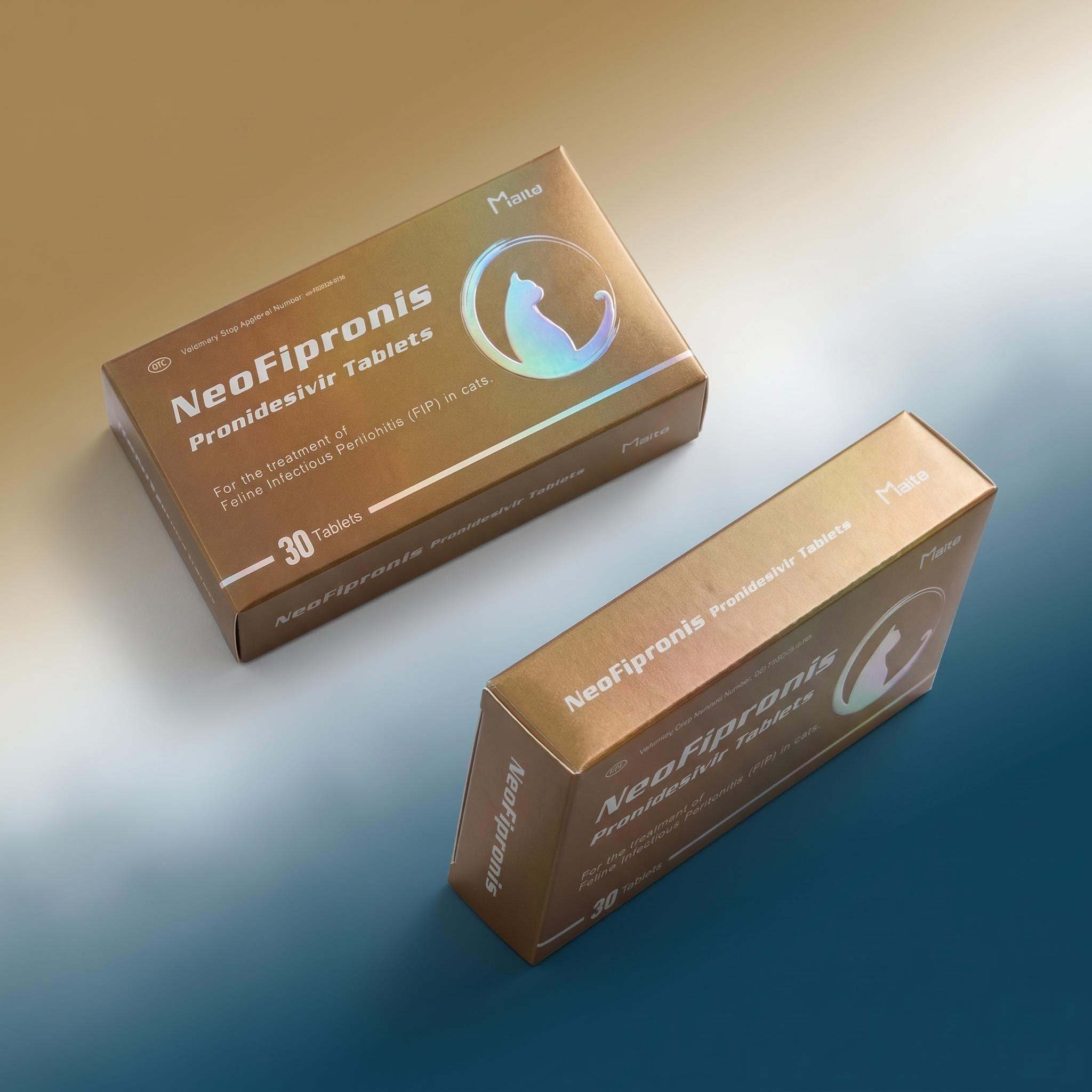
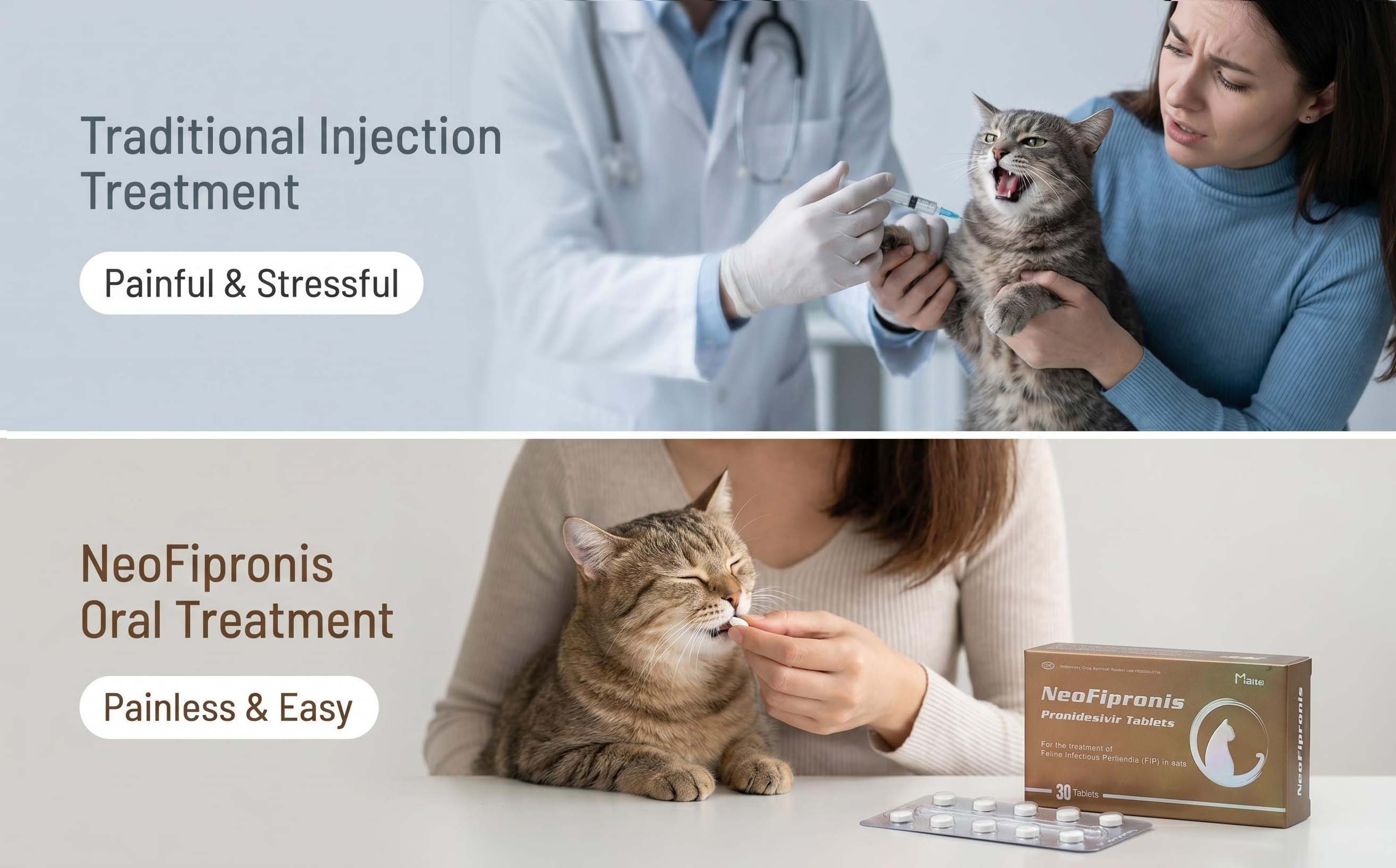
NeoFipronis (Pronidesivir) is marketed as an oral FIP treatment for cats, with GS-441524 as its active ingredient. For cat owners facing feline infectious peritonitis, safety is often the first concern, especially when symptoms include poor appetite, fever, lethargy, abdominal fluid, chest fluid, enlarged lymph nodes, inflammatory granulomas, neurologic signs, or uveitis. In real-world FIP care, the biggest safety advantage of a GS-441524-based therapy is that it is designed to be non-surgical, easy to administer, and suitable for long treatment courses when monitored properly.
Why Safety Matters in FIP Treatment
FIP is a serious and often rapidly progressive disease, so treatment decisions should balance urgency with careful monitoring. A medication can only be considered “safe” if it is tolerated well, absorbed reliably, and used at the correct dose for the cat’s disease type and weight. NeoFipronis is described as an oral, fast-absorbing option with good tolerance and fewer side effects, which makes it appealing for owners who want a practical home treatment. Even so, safety depends on the cat’s condition, the accuracy of dosing, and regular veterinary follow-up.
GS-441524 and Tolerability
GS-441524 has been widely discussed in FIP treatment because of its antiviral activity against the coronavirus responsible for FIP. In many cases, cats receiving GS-441524-based therapy show improved appetite, better energy, reduced fever, and gradual control of fluid accumulation and inflammation. The main safety profile is generally considered favorable, especially compared with invasive procedures or poorly controlled disease. Still, every cat can respond differently, and some may experience mild digestive upset, temporary changes in laboratory values, or reactions related to the disease itself rather than the medicine.
Dosing and Monitoring
NeoFipronis is commonly described as a weight-based oral treatment, often given once daily. For standard FIP cases, the dosage is typically 15 mg/kg, while neurologic or ocular FIP may require a higher dose, such as 30 mg/kg, under veterinary guidance. The medication is usually given on an empty stomach, either one hour before eating or two hours after a meal, to support absorption. Safety also depends on consistency: treatment should continue for at least 12 weeks without missed doses. During therapy, cats should be monitored for appetite, body temperature, activity level, and any worsening signs. Bloodwork and liver and kidney function tests are strongly recommended throughout treatment.
Side Effects and Precautions
NeoFipronis is often described as well tolerated, but no FIP medication is completely risk-free. Cats with advanced illness, dehydration, liver strain, kidney concerns, or neurologic disease may need closer monitoring. Owners should watch for vomiting, diarrhea, marked lethargy, reduced appetite, or any new neurologic or eye symptoms. Because FIP treatment can be complex, using the medication under a veterinarian’s supervision is the safest approach, even if the product is sold as non-prescription in some markets.
Practical Buying and Use Guidance
Quality control matters as much as the ingredient itself. If NeoFipronis is being considered, purchase only through the official brand website or another verified source to reduce the risk of counterfeit products or incorrect formulations. This medication is intended for cats only and should never be used in people. For cat owners asking “How safe is NeoFipronis (Pronidesivir)?”, the best answer is that it can be a promising and generally well-tolerated FIP treatment when used correctly, monitored closely, and matched to the cat’s specific form of disease.