What Records Should Cat Owners Keep During FIP Treatment

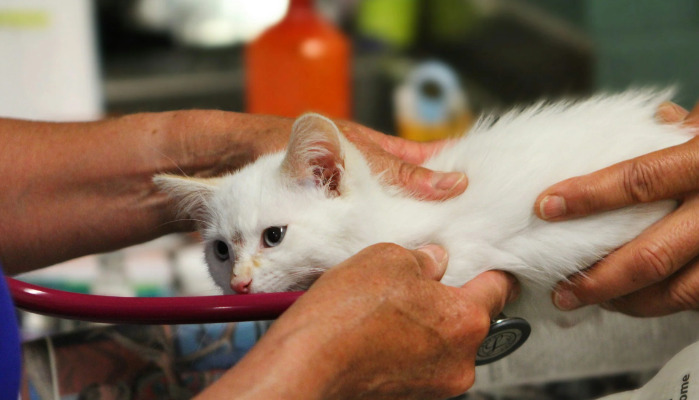
Feline Infectious Peritonitis (FIP) presents daunting challenges for cat owners and veterinarians alike. Keeping thorough, accurate treatment records can help monitor the progression of FIP, ensure the efficacy of therapeutic interventions, and facilitate communication between owners and their veterinary team. This article examines what specific records cat owners should maintain during FIP treatment, why they matter, how to organize them, and ways these records improve outcomes and peace of mind.
1. Understanding FIP and Its Treatment
FIP is a severe, often fatal viral disease in cats, particularly affecting kittens and young adults. Caused by a mutation of feline coronavirus, FIP can manifest in "wet" (effusive) and "dry" (non-effusive) forms, resulting in widely variable clinical signs: fever, weight loss, abdominal swelling, neurological symptoms, and more. Over the past several years, advances in antiviral drugs—most notably GS-441524—have improved the outlook for some cats. Due to the complexity and length of FIP treatment (often 12 weeks or longer), documentation is critical.
2. Baseline Records Before Treatment Begins
Before starting FIP therapy, create a comprehensive health profile of your cat. Collect and record the following data for future comparison:
Date of diagnosis and by whom.
Clinical signs and symptoms at diagnosis (e.g., appetite, activity level, presence of effusion).
Results of diagnostic tests (bloodwork including CBC, chemistry, FCoV antibody titers, PCR testing, ultrasound findings, x-rays).
Physical measurements: weight, body temperature, size of any effusion.
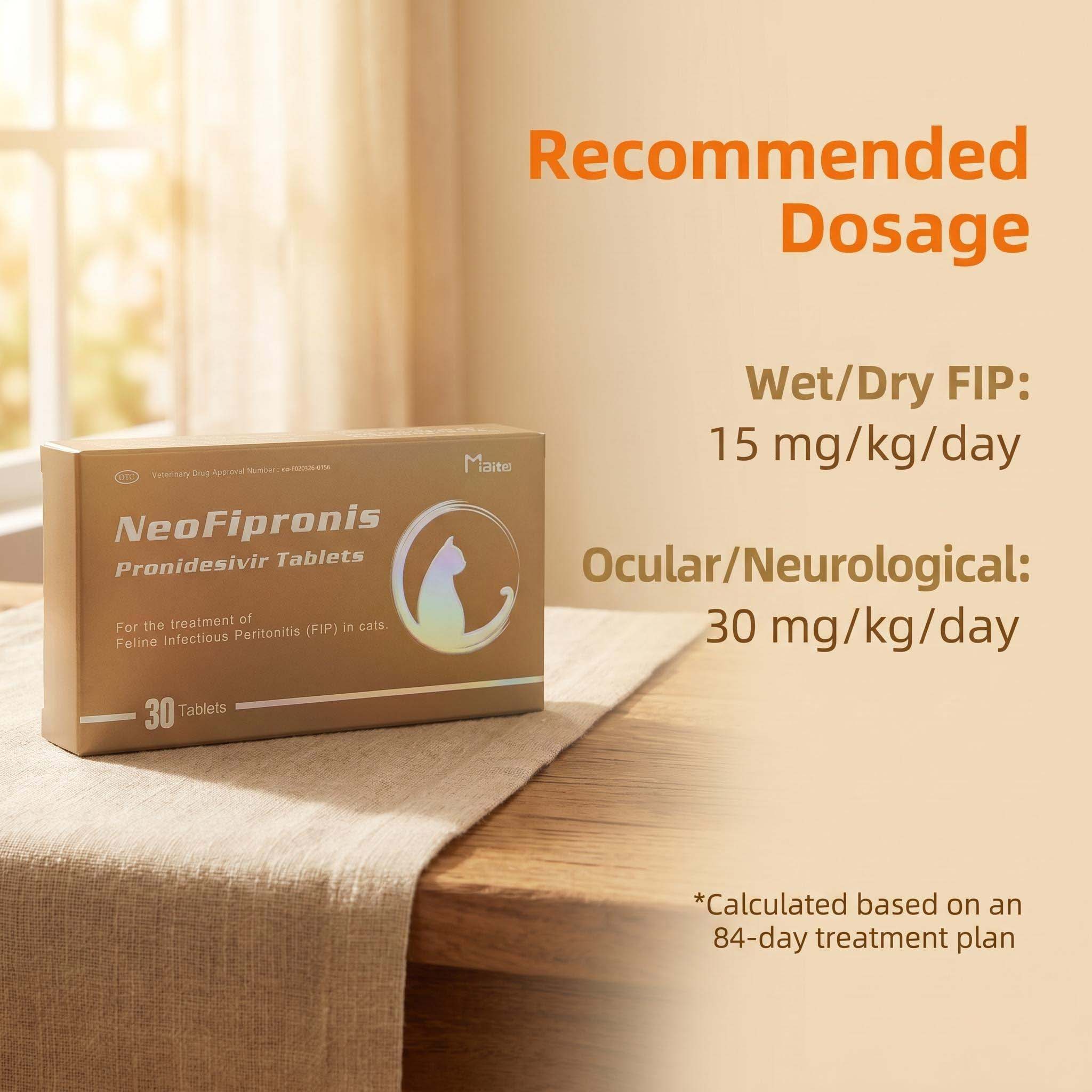
Medications/therapies prescribed (drug name, dose, frequency, route).
Photographs or videos documenting initial appearance.
A baseline allows owners and veterinarians to clearly see changes over the course of treatment.
3. Daily Medication Records
Consistent and accurate drug administration is key to FIP recovery. Each day, log:
Date and time medication is given.
Name, dose, and batch number of the medication (especially for GS-441524, as formulation and concentration can vary).
Method of administration (injection vs. pill, oral liquid).
Observations about administration (e.g., ease/difficulty, cat’s reaction).
A spreadsheet, notebook, or FIP-specific mobile app can help organize this information. Errors or missed doses can hinder treatment success, and documentation allows quick correction if issues arise.
4. Symptom Tracking
Careful daily notes on your cat’s health status provide a crucial snapshot of progress and setbacks. Each day, monitor and record:
Appetite: full, partial, absent.
Hydration: water intake, signs of dehydration.
Activity level: playful, quiet, lethargic.
Visible symptoms: sneezing, coughing, jaundice, abnormal movements.
Presence/size of abdominal swelling, neurological issues (balance, seizures).
Notes about bowel and urinary habits.
Charts or brief journal entries can illustrate patterns. Owners should note improvements as well as any concerning changes, both for home management and during veterinary checkups.
5. Weight and Body Condition Monitoring
Weight loss is a common sign of FIP, and recovery often coincides with steady gains. Weigh the cat at the same time each day or week, using a digital scale, and record the exact weight. Supplement this with observations of muscle tone, body fat, and the animal’s overall body condition.
Include photographic documentation at intervals (weekly or bi-weekly). Comparing images and weights side-by-side reveals subtle trends that may not be obvious day-to-day.
6. Laboratory Test Records
Laboratory values are essential to track FIP progression and recovery:
Bloodwork (CBC, chemistry panel): monitor anemia, organ function, protein levels.
Biochemistry: albumin-to-globulin ratio, liver/kidney values, bilirubin.
PCR or antibody titer tests: identify ongoing viral load or immune response.
Imaging follow-ups, such as ultrasound or radiographs, if performed.
Record dates of all tests, results, and any interpretive notes from your veterinarian. If test values fail to improve, catch complications early and adjust treatment accordingly.
7. Adverse Effects and Complications
FIP treatment and the medications used can produce side effects. Keep logs of any adverse reactions:
Injection site: redness, swelling, pain, ulceration.
Gastrointestinal upset: vomiting, diarrhea, constipation.
Behavior changes: aggression, withdrawal, hyperactivity.
Laboratory values worsening after treatment begins.
Allergic or anaphylactic responses.
Note the onset, severity, and resolution of each reaction, and report them to your veterinarian immediately. Detailed records help distinguish between disease progression and therapy-related side effects.
8. Vet Visit Summaries and Correspondence
After every veterinary visit, summarize recommendations and observed changes:
Date and reason for visit.
Procedures performed (exams, lab draws, imaging, fluid taps).
Recommendations or adjustments to protocol.
Communication or questions exchanged with veterinary staff.
Store these summaries alongside other records for continuity. Include copies of relevant emails, texts, or printouts.
9. Treatment Milestones and Outcomes
Mark major milestones:
Improvement in clinical symptoms.
Decrease of effusion (if present).
Weaning off medications or dose adjustments.
Final completion of therapy.
Special events (appetite returns, playfulness, etc.).
Celebrate each milestone to encourage adherence and acknowledge recovery. Long-term follow-up (monthly to yearly) may be advised, and continued logs can support post-treatment health.
10. Organizing and Storing Records
Select a system to suit your lifestyle—digital apps (such as Google Sheets, Notion, or FIP-specific tracking apps), paper journals, or binders. Important features include:
Chronological organization.
Easy shareability (vets, support networks).
Backup and security.
Double-check that all records are legible, dated, and accessible. Many support groups for FIP have ready-made templates for tracking data.
11. Sharing Records with Your Veterinary Team
A well-organized log helps your vet make informed decisions and swiftly address concerns. Prior to appointments, send summaries of recent trends, medication logs, and test results. This enables efficient consultations and precise adjustments to treatment plans.
12. Support Groups and Second Opinions
Online FIP support communities often request documentation when troubleshooting or providing advice. Records facilitate obtaining second opinions and alternative recommendations from other professionals.
13. Legal and Research Purposes
Complete records may be critical for insurance, legal, or future research purposes. Documenting successful FIP treatments adds to emerging knowledge and can help other cat owners and veterinary professionals worldwide.
14. Tips for Staying Consistent
Consistency is key:
Set daily reminders for logs.
Involve household members in record keeping.
Create easy-to-use checklists.
Review entries weekly to catch omissions.
Consistent documentation not only prevents lapses, but also offers reassurance and empowers informed choices.
15. Examples of Useful Templates
Popular options include:
Symptom tracker charts (appetite, weight, energy).
Medication log sheets.
Bloodwork laboratory value spreadsheets.
Photo galleries for visual trends.
Printable checklist templates for daily care routines.
Tailor templates to your cat’s needs and your own style.
16. Psychological Support
Keeping records can also offer psychological support in an emotional journey. Visible progress lifts spirits during challenging times. Recalling milestones and objective improvements illuminates hope and sustains motivation.
17. Privacy and Security Concerns
When storing digital records, ensure strong passwords and backup solutions. Protect sensitive health and contact information, particularly if sharing with unfamiliar online communities.
18. Common Mistakes and How to Avoid Them
Avoid these pitfalls:
Omitting dates or times.
Failing to record medication batch numbers.
Forgetting weight records.
Not documenting adverse reactions.
Waiting too long to share information with veterinary staff.
Routine double-checks and cross-referencing with your vet’s recommendations can prevent lapses.
19. Where to Find Further Guidance and Templates
The following resources offer sample templates and expert advice:
FIP Warriors and other feline health support groups.
Your veterinarian’s recommended logs or clinic-provided trackers.
Veterinary telemedicine platforms.
Sample forms and suggested organization structures are often freely available through these sources.
20. Conclusion
Proactively keeping robust records throughout FIP treatment is one of the most impactful steps an owner can take. From medication logs to symptom tracking, clear and comprehensive documentation helps guide decision-making, ensures continuity of care, and supports both the health team and the owner on the path to feline recovery. This active engagement fosters better clinical outcomes and gives owners a sense of purpose in a difficult time.
References
1. Addie, D. D., et al. (2020). Feline Infectious Peritonitis: Diagnosis and Treatment. Veterinary Clinics of North America: Small Animal Practice, 50(5), 1001-1017.
2. Hartmann, K. (2022). Feline Infectious Peritonitis: Update on Pathogenesis, Diagnostics, and Treatment. Veterinary Journal, 279, 105776.
3. Pedersen, N. C. (2019). Antiviral treatment of FIP with GS-441524: Past, present and future. FIP Warriors Support Group.
4. American Association of Feline Practitioners (2021). Feline Infectious Peritonitis: Owner Information Sheet.
5. FIP Warriors USA. (2023). FIP Tracker Templates. [Online Resource]
6. Porter, E., & Tasker, S. (2021). Feline Infectious Peritonitis: Recent Advances and Remaining Challenges. Journal of Feline Medicine and Surgery, 23(7), 601-613.
7. American Veterinary Medical Association (2022). FIP Care Guidelines for Cat Owners.
8. Cohen, S. B., et al. (2020). Perceptions and information needs of pet owners dealing with infectious diseases in cats. Animals, 10(11), 2020.
9. Scott, M. (2023). Veterinary Record Keeping Best Practices: Critical for Chronic Disease Management. Veterinary Practice Today, 38(2), 50-58.