Key Facts About FIP Treatment Every Cat Owner Must Understand
Introduction and Overview of FIP
Feline Infectious Peritonitis (FIP) stands as one of the most daunting diagnoses in the world of feline health. This condition stems from mutation of the feline coronavirus (FCoV), which is typically mild, but in rare instances transforms into FIP, an almost always fatal disease if left untreated. Affecting cats of all ages, but especially young ones and those with compromised immune systems, its clinical presentation can vary, causing confusion and panic among cat owners. Recent years have witnessed advances in FIP understanding and, perhaps more importantly, new treatment protocols offering hope to afflicted cats.
Understanding FIP Pathogenesis
FIP develops from benign feline enteric coronavirus (FECV), which infects the intestines and is generally harmless. However, a mutation in the virus can enable it to infect white blood cells, spreading systemically. This mutated form, known as FIPV, elicits a severe inflammatory response inside multiple organ systems. The symptoms that appear depend on which organs are involved and whether the cat develops "wet" (effusive) or "dry" (non-effusive) types of FIP. This process is influenced by the cat’s immune status, viral load, genetics, age, and environmental stressors.
Clinical Signs and Diagnosis: Navigating the Diagnostic Challenge
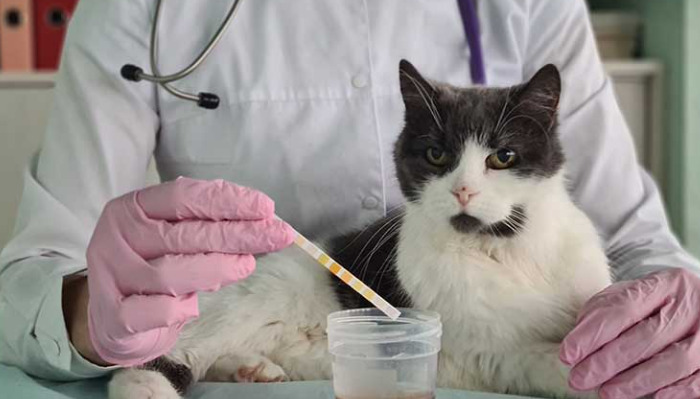
FIP's clinical features are highly variable. The "wet" form causes fluid accumulation in the abdomen or chest, leading to visible swelling, breathing difficulty, and lethargy. The "dry" form typically leads to granuloma formation in organs, causing signs such as neurological symptoms, ocular changes, jaundice, fever, poor appetite, weight loss, and fluctuating energy levels. Because FIP's manifestations overlap with other feline diseases, diagnosis is challenging. Veterinarians rely on a combination of clinical findings, bloodwork showing anemia and high protein levels, imaging, and more specific confirmation through PCR or immunohistochemistry, especially from tissue samples.
Misconceptions Surrounding FIP
Many myths persist regarding FIP. First, it is not directly contagious between cats; rather, the benign FECV can be, and mutation into FIPV occurs infrequently. Second, exposure to coronavirus does not guarantee FIP development—most cats may shed coronavirus in feces at some point, but only a small percentage progress to FIP. Third, FIP was long viewed as untreatable, but treatment options have dramatically changed in recent years, debunking old fatalism.
Recent Advances in FIP Treatment
Until recently, supportive care, such as fluid therapy and symptomatic management, was the sole option for affected cats, leading to nearly universal mortality. However, scientific breakthroughs now provide real hope:
1. GS-441524 and Related Antivirals
GS-441524, a nucleoside analog developed through research on feline viruses, targets the replication of the mutated FIP virus inside white blood cells. Studies published since 2018 have shown that many cats treated early respond well, with complete remission in most cases if therapy is sustained for 12 or more weeks. This drug is given orally or by injection, and its success rate is especially high for cats without advanced neurological involvement.
2. Remdesivir
A related molecule, remdesivir (originally developed for human coronavirus infections), has been used off-label in some regions and may be effective for FIP, although GS-441524 remains the gold standard.
3. Adjunct Therapies
Supportive treatments offer critical comfort and improve outcomes. These may include corticosteroids for reducing inflammation, antibiotics for secondary infections, appetite stimulants, nutritional support, and pain management. With effective antiviral therapy, the need for immune suppressing drugs like corticosteroids has decreased.
Availability and Legal Issues in the United States
Regulatory hurdles mean FDA approval for GS-441524 is pending in the United States, leading some owners to source the drug from overseas vendors or underground networks. Veterinarians may be constrained in their ability to prescribe or administer these antivirals under current guidelines. However, advocacy is building for legal access, given the empirical evidence of safety and efficacy in published studies and thousands of anecdotal success stories.
Treatment Protocols: Dosage, Duration, and Monitoring
Treatment protocols vary by cat’s body weight, disease severity, and FIP form (wet, dry, neurological, ocular). Typical courses require daily doses for 12-15 weeks, with regular veterinary checks, bloodwork monitoring (especially globulin and albumin ratios), and observation for side effects. Relapses can occur if therapy is prematurely halted or dosing inadequate. Doses may need adjustment for cats showing neurologic or ocular symptoms, as these forms require higher tissue concentrations of the drug.
Response to Treatment and Prognosis
Cats respond to GS-441524-based treatment at different rates, with some showing rapid improvement in energy, appetite, and clinical signs within days, while others take weeks. Prognosis depends on disease stage at discovery; cats without severe neurologic or organ involvement fare best. Remission is possible for most cats if protocol guidelines are followed. Incomplete response, relapse, or drug intolerance occurs in some cases, requiring reevaluation. Vigilant observation for return of symptoms after therapy is critical.
Managing Side Effects and Complications
Antiviral therapy is generally well tolerated, but side effects such as pain at injection sites (subcutaneous GS-441524), transient GI upset, or rare allergic reactions may happen. Drug resistance or inefficacy is unusual but possible. Supportive measures include adjusting injection techniques, providing comfort, and treating secondary infections as needed.
Post-Treatment Monitoring and Long-Term Care
After initial therapy, ongoing monitoring through blood tests and periodic evaluation are essential to ensure full viral clearance and immune normalization. Most cats can return to normal life after successful treatment, but immunity may not be absolute, and reinfection with enteric coronavirus remains theoretically possible. Owners should keep stress low, ensure excellent nutrition, and maintain routine veterinary care.
Cost Considerations
Treatment comes with significant cost implications. Typical GS-441524 protocols can exceed several thousand dollars for medication alone, not including veterinary visits and supportive care. Some rescue groups, charities, and compassionate-use programs may help offset these costs, but out-of-pocket expense is a reality for most families. It is vital to weigh financial ability, commitment, and treatment logistics before embarking on therapy.
Alternative and Unsupported Therapies
Given desperation around FIP, many unproven treatments have been promoted over time, including immunomodulators, herbal supplements, homeopathics, and experimental drugs. Studies consistently show that only nucleoside analog antivirals are effective in controlling FIP. Owners should be wary of untested or pseudo-scientific therapies that can delay real help or harm overall health.
Preventing Future FIP Cases: Practical Tips for Owners
Complete prevention of FIP is not yet possible, but measures can lower risk. Reducing crowding in multi-cat households minimizes stress and viral shedding. Clean litter boxes daily to reduce fecal-oral transmission. Quarantine new arrivals and ensure routine testing when cats come from shelters or breeders. Kittens and immunocompromised cats are most vulnerable; extra vigilance is warranted. No FIP vaccine has proven reliably effective on the market as of 2026.
Breed and Genetic Factors
Some genetic predispositions exist, with purebred cats at higher risk, possibly due to limited genetic diversity or specific immune system quirks. Breed-specific genetic screening may become viable in the future, but at present individualized monitoring is essential. Discuss breed risks and preventive care with your veterinarian if adopting or breeding high-risk cats.
Emotional Impact on Cat Owners
Receiving an FIP diagnosis can be emotionally devastating. Owners should seek support from feline health communities, online forums, veterinarians, and counselors as needed. With modern therapy, hope and positive outcomes are now realistic, transforming FIP from a universally fatal disease to a treatable condition for many cats.
Veterinary Care and Owner Advocacy
Working closely with an experienced veterinarian is vital. Not all vets are familiar with the latest FIP treatments due to rapid medical advances and regulatory constraints. Owners should bring studies, seek second opinions if needed, and advocate for their cats’ care. Networking with other FIP families online can yield resources and reassurance. Accurate record keeping assists in diagnosis, monitoring, and sharing data that may help other cats in the future.
Key Takeaways for Every Cat Owner
Understanding current facts about FIP treatment is essential for every cat owner. Progress in antiviral therapy means that FIP is no longer universally fatal. Owners should be able to recognize symptoms, secure early diagnosis, navigate legal and logistical challenges, pursue effective therapy, and provide long-term care and emotional support. Staying informed and working with knowledgeable professionals ensures cats receive the best opportunity for recovery and quality life.
References
1. Pedersen, N.C., et al. (2019). Efficacy and safety of the nucleoside analog GS-441524 for treatment of cats with naturally occurring feline infectious peritonitis. Journal of Feline Medicine and Surgery, 21(4), 271-281.
2. Dempsey, S.M., & Ewing, P.J. (2011). Feline infectious peritonitis: Another update. Veterinary Clinics: Small Animal Practice, 41(6), 1271-1287.
3. Kipar, A., & Meli, M.L. (2014). Feline infectious peritonitis: Still an enigma? Veterinary Pathology, 51(2), 505-526.
4. Addie, D.D., et al. (2020). Feline coronavirus: Pathogenesis, epidemiology, diagnosis and management. Veterinary Medicine and Science, 6(2), 223-234.
5. Krentz, D., et al. (2021). Use of GS-441524 antiviral therapy for feline infectious peritonitis in the United States: Practical considerations. JAVMA, 259(6), 579-587.
6. American Association of Feline Practitioners (2023). Feline Infectious Peritonitis Guidelines. [Online] Available at: https://catvets.com/fip
7. Hartmann, K. (2022). Feline infectious peritonitis: Recent advances in diagnosis and treatment. Veterinary Clinics of North America: Small Animal Practice, 52(6), 1439-1454.
8. Gaskell, R.M., et al. (2020). Feline coronavirus infection and feline infectious peritonitis. Veterinary Research, 51(1), 20.