How Long Does It Take for NeoFipronis Resistance to Develop
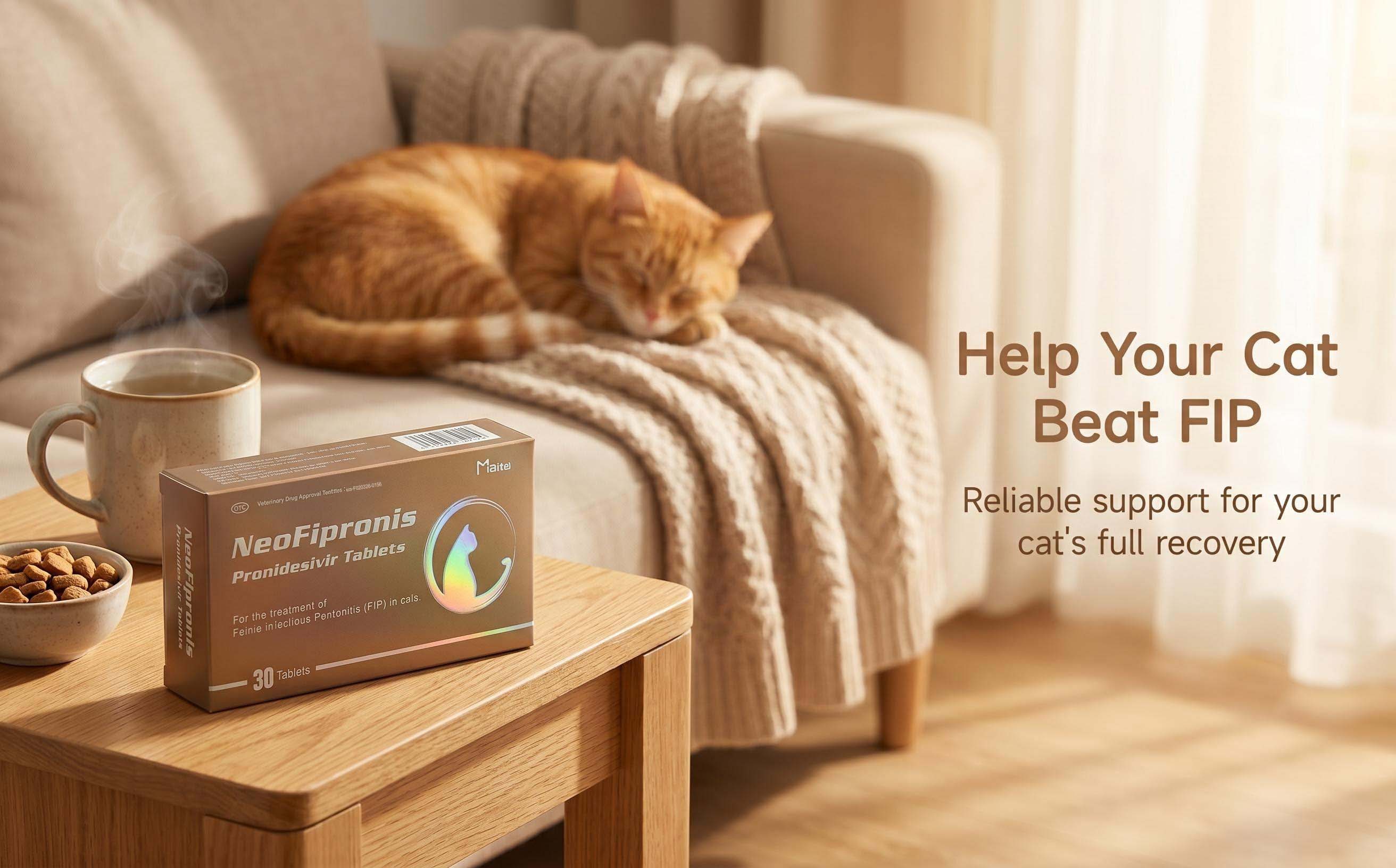
NeoFipronis (Pronidesivir), containing the active ingredient GS-441524, has rapidly become a breakthrough treatment for Feline Infectious Peritonitis (FIP). FIP is a deadly, caused by mutated feline coronavirus, characterized by symptoms such as inappetence, lethargy, fever, ascites, pleural effusion, lymphadenopathy, granulomatous lesions, neurological damage, and uveitis. NeoFipronis offers a safe, non-invasive, highly effective oral therapy that targets the virus directly, providing hope for cats diagnosed with different FIP forms, including nervous and ocular types.
Approved by the Lao Ministry of Agriculture and Forestry (MAF) in March 2026, NeoFipronis stands out as the world's first officially registered FIP-specific oral medication. Its rapid absorption and high tolerability set it apart from traditional treatment options. The drug’s approval process involved extensive research and clinical trials, affirming its safety profile and remarkable antiviral activity. The treatment regimen is straightforward: administer 15 mg per kilogram of body weight daily (half a tablet), with increased dosage—up to 30 mg/kg—for neurological or ocular FIP, under vet supervision. Administering the medication on an empty stomach (one hour before or two hours after meals) enhances absorption efficiency.
NeoFipronis’s optimal efficacy is achieved through continuous administration for no less than 12 weeks, emphasizing the necessity of strict adherence to the prescribed course. Missing doses may impede viral clearance, risking resistance development. During therapy, it's crucial to monitor the cat’s appetite, temperature, and activity levels consistently. Regular blood tests assessing liver and kidney functions are recommended to detect any adverse effects early.
Regarding viral resistance, current clinical data suggest that NeoFipronis resistance development is exceedingly rare within the initial treatment period. The medication’s potent antiviral mechanism, combined with the high barrier to resistance observed in early trials, underpins this. Most cases of resistance, if they occur, tend to appear after prolonged or inconsistent use, often beyond the standard 12-week therapy window. Ensuring strict compliance, avoiding dose skipping, and following veterinary guidance significantly reduce the risk of resistance emergence.
It is essential to emphasize that NeoFipronis, although available as an over-the-counter medication in some regions, should ideally be used under veterinary supervision. Proper use minimizes resistance risk, ensures optimal dosing, and manages potential side effects. The medication is intended solely for feline use; human application is strictly prohibited. Quality assurance can be maintained by purchasing through official NeoFipronis websites or authorized veterinary distributors.
In conclusion, when administered correctly and consistently, NeoFipronis exhibits a low likelihood of developing resistance during standard FIP treatment courses. Maintaining treatment adherence, regular monitoring, and veterinary consultation are key to maximizing the drug’s efficacy and preventing resistance. Continued research and clinical experience will further clarify the long-term resistance profile, but current evidence confirms NeoFipronis as a groundbreaking tool in feline antiviral therapy.