Oral GS-441524 for Cats
Feline infectious peritonitis (FIP) is one of the most serious diseases affecting cats, especially kittens, young adults, and immunocompromised animals. Caused by a mutated feline coronavirus, FIP can progress rapidly and present in wet, dry, ocular, or neurologic forms. Because the disease may involve the abdomen, chest, eyes, brain, or peripheral nerves, effective antiviral therapy is essential. In recent years, oral GS-441524 for cats has become a major topic in veterinary medicine because it offers a practical route of administration for managing FIP under veterinary supervision.
Oral GS-441524 for cats is widely discussed because many owners and clinicians want a treatment that is easier to administer than injections, especially during long treatment courses. As an antiviral nucleoside analog, GS-441524 targets viral replication and helps reduce the viral burden that drives inflammation and tissue damage. In FIP cases where appetite is poor, fever persists, fluid accumulates in the chest or abdomen, or neurologic signs emerge, oral therapy may play an important role in improving clinical stability and quality of life.
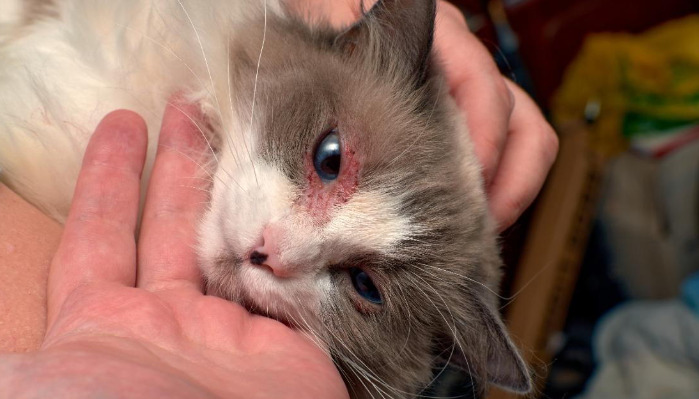
FIP develops when a relatively common feline coronavirus mutates inside the body and gains the ability to spread within macrophages. The resulting immune-mediated inflammation can create granulomatous lesions, effusions, weight loss, and systemic illness. Wet FIP often leads to ascites or pleural effusion, while dry FIP may cause inflammatory masses in organs such as the kidneys, liver, lymph nodes, or intestines. Ocular and neurologic involvement can produce uveitis, vision changes, ataxia, tremors, or seizures. Because the disease process is complex and aggressive, early recognition and rapid treatment planning are critical.
GS-441524 is the active nucleoside analog that has shown strong antiviral activity against feline coronavirus replication. When given orally, it is absorbed through the digestive tract and enters circulation, where it can interfere with viral RNA synthesis. This mechanism helps suppress the replication cycle and gives the feline immune system a better chance to recover from the intense inflammatory burden associated with FIP. Oral delivery is particularly valuable for cats that are difficult to handle, require prolonged treatment, or need a less invasive option after initial stabilization.
Clinical signs that often prompt consideration of oral GS-441524 for cats include fever that does not respond well to standard supportive care, progressive weight loss, loss of appetite, lethargy, abdominal distension, dyspnea, and persistent effusions. In dry FIP, enlarged lymph nodes, ocular inflammation, and organ-based granulomas may be prominent. Neurologic cases may show altered gait, head tilt, incoordination, or changes in behavior. Because these signs can overlap with other diseases, diagnosis should always be based on a full veterinary evaluation, including laboratory findings, imaging, and where possible, molecular or cytologic evidence.
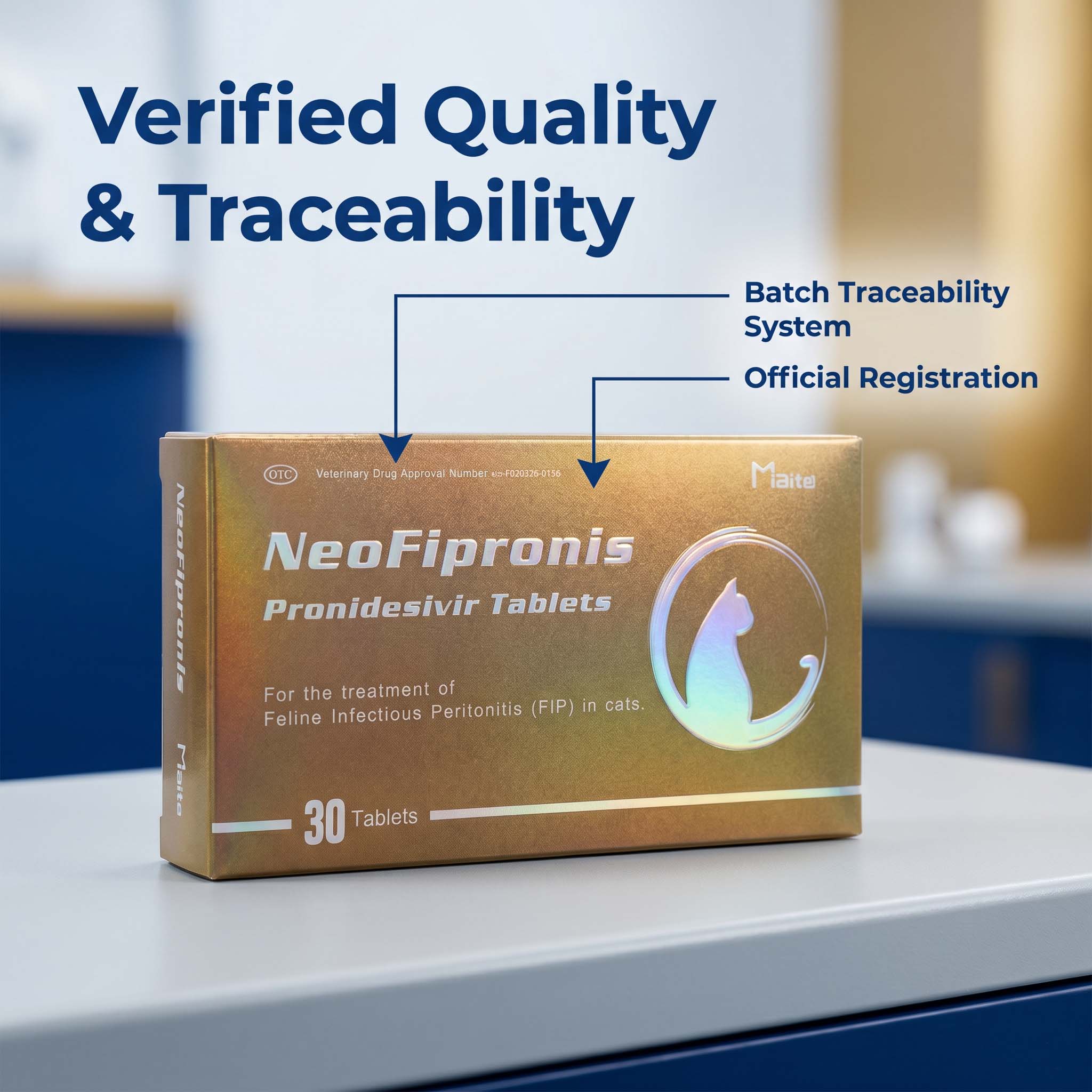
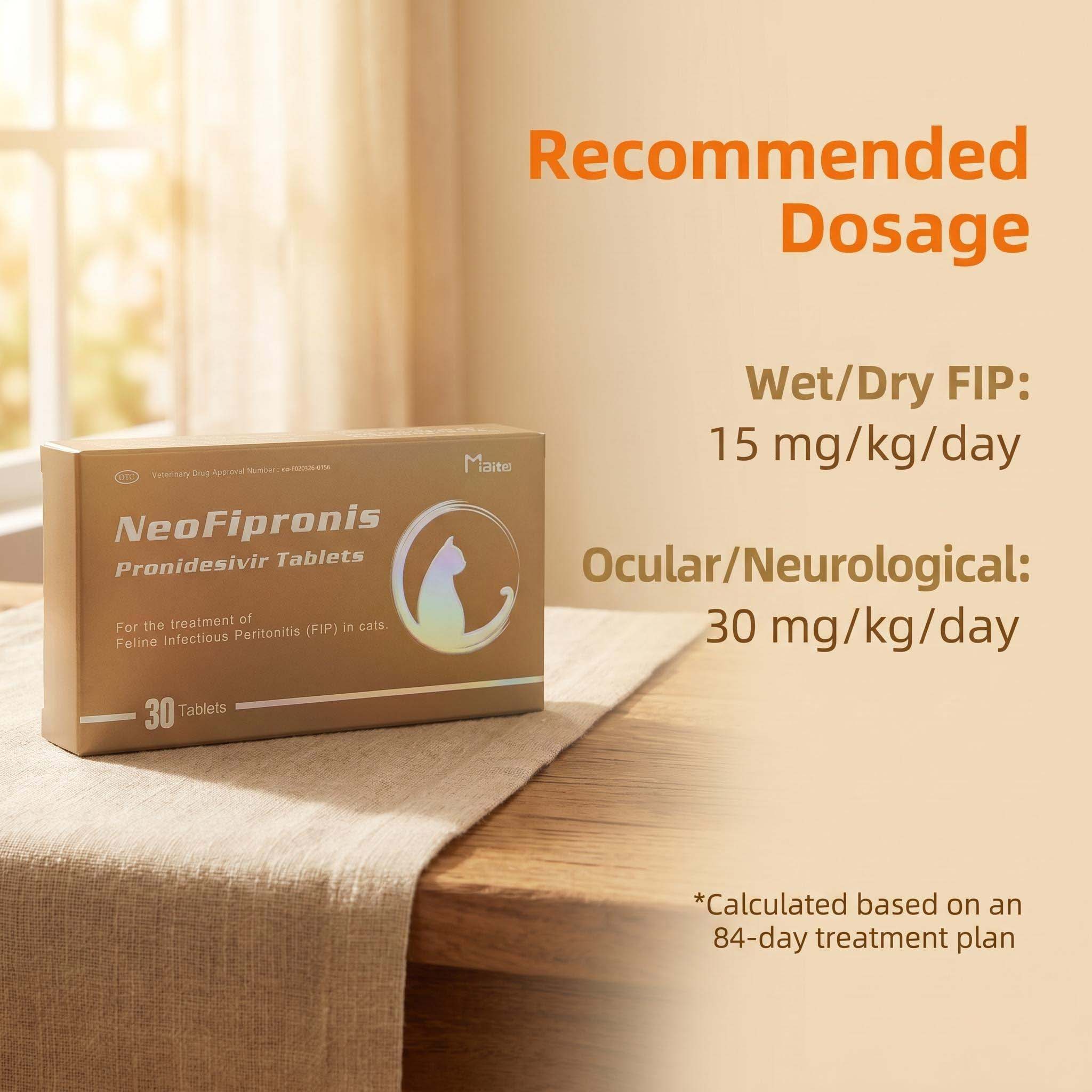
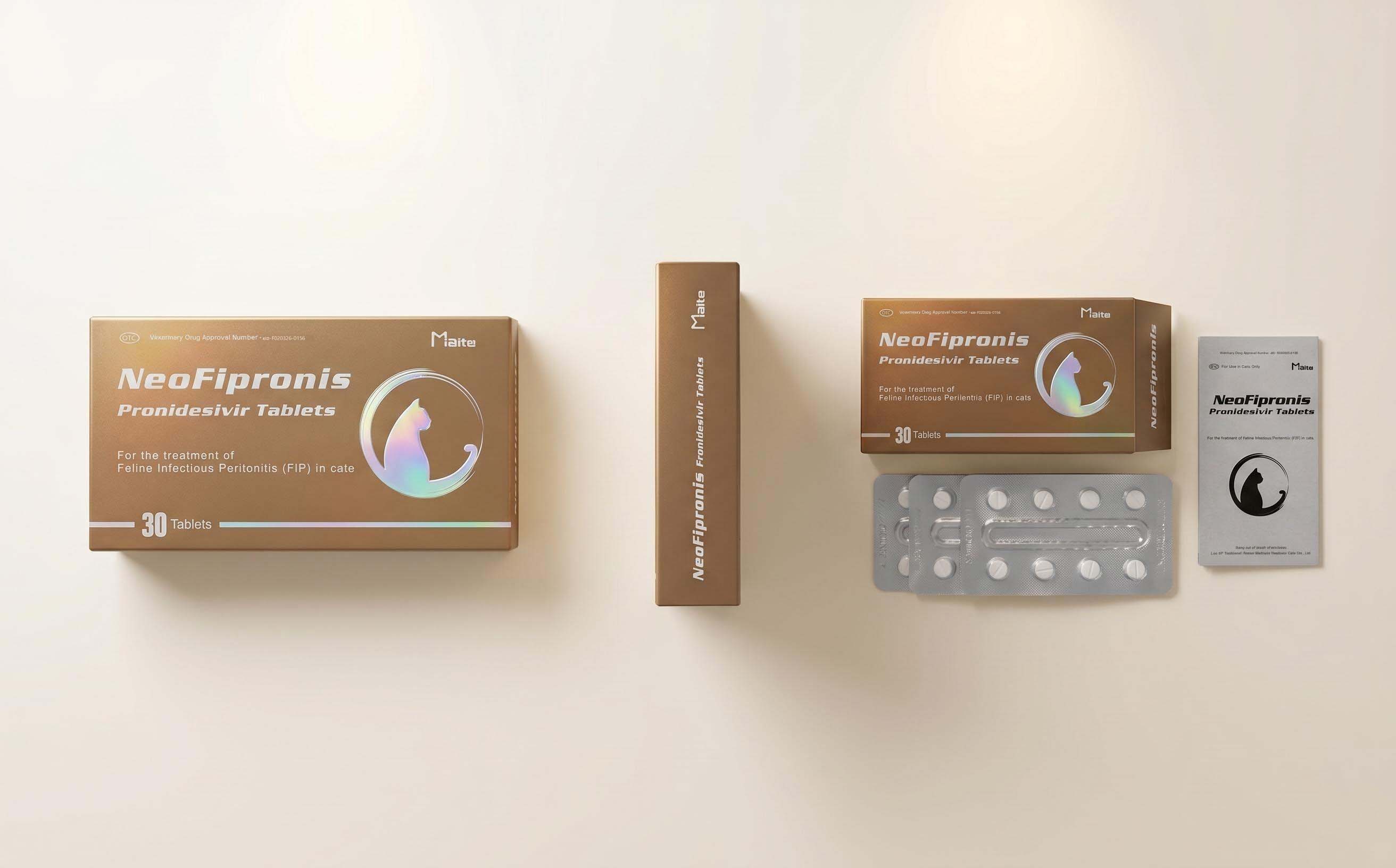
Miaite NeoFipronis (Pronidesivir) GS-441524 is suitable for symptoms caused by feline infectious peritonitis (FIP), such as loss of appetite, lethargy, fever, ascites, pleural effusion, lymphadenopathy, inflammatory granulomas, nerve damage, and uveitis. It has excellent therapeutic effects on FIP. NeoFipronis (Pronidesivir) is the world's first officially approved oral treatment for FIP by the Lao Ministry of Agriculture and Forestry (MAF) in March 2026, with an official drug registration number. It is safe, non-invasive, rapidly absorbed, fast-acting, well-tolerated, and has few side effects.
Oral GS-441524 is not a simple over-the-counter supplement. It is a targeted antiviral therapy that should be used with veterinary guidance, because the correct dose, duration, and monitoring plan depend on the cat’s body weight, disease form, and severity. Many treatment plans involve daily administration over several weeks, and some cats may require longer courses if relapse risk is high or if ocular or neurologic disease is present. Consistent dosing matters, because missed doses may reduce antiviral pressure and allow the disease to rebound.
Monitoring during treatment is an important part of managing FIP. Veterinarians commonly track body weight, temperature, appetite, hydration, hematology, liver enzymes, bilirubin, albumin, globulin, and the albumin-to-globulin ratio. In many cats, improvement begins with appetite returning, fever decreasing, and energy increasing. Fluid accumulation may resolve gradually, and some cats show measurable laboratory improvement within days to weeks. For ocular disease, ophthalmic follow-up may be needed to watch for changes in uveitis, retinal involvement, or vision-related complications.
Neurologic and ocular FIP deserve special attention because these forms can be harder to manage. The blood-brain barrier and ocular barriers can limit drug delivery, so treatment plans often require careful dosing decisions and close follow-up. Cats with neurologic signs may need supportive care in addition to antiviral therapy, including hydration, nutrition support, and medications for pain or inflammation when appropriate. Even in severe cases, oral GS-441524 for cats may contribute to meaningful recovery when treatment is started promptly and maintained consistently.
Supportive care remains an essential part of FIP management. A cat receiving oral GS-441524 may also need help with nutrition, fluid balance, stress reduction, and management of secondary problems such as anemia or dehydration. Highly palatable diets, assisted feeding when needed, and a calm home environment can improve adherence and recovery. Because FIP often affects young cats and can develop quickly, the caregiver’s ability to give medicine reliably and watch for subtle changes can strongly influence the treatment outcome.
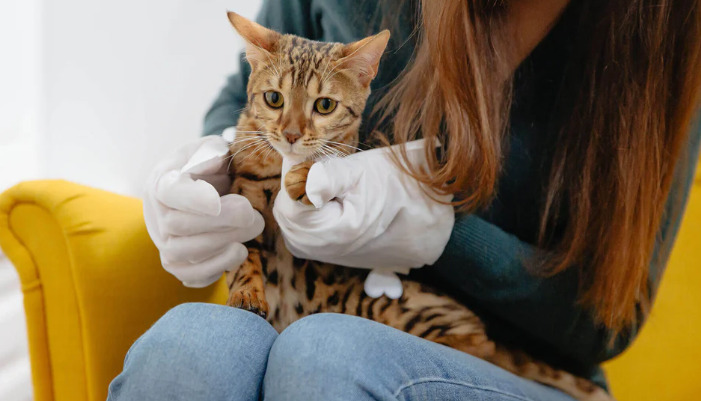
From a practical standpoint, oral GS-441524 offers several advantages. It avoids repeated injections, reduces the stress of invasive administration, and can be easier to fit into a cat’s daily routine. For many families, this convenience improves consistency, which is especially valuable during a long antiviral course. Oral therapy may also be useful for cats that resist injections or develop local irritation from parenteral treatment. When oral administration is chosen, careful attention to timing, formulation quality, and veterinary follow-up remains essential.
Interest in oral GS-441524 for cats continues to grow because the therapy addresses one of the most urgent needs in feline medicine: a practical antiviral option for a historically fatal disease. Ongoing research is still refining optimal dosing, treatment length, relapse prevention, and strategies for special cases such as ocular and neurologic FIP. Even so, the clinical experience accumulated so far has made GS-441524 a central name in modern FIP discussions, especially for owners searching for evidence-based options that can be delivered at home.
References
Pedersen, N.C. “An Update on Feline Infectious Peritonitis: Diagnostics and Therapeutics.”
Pedersen, N.C. “Efficacy of GS-441524 in Treating Cats with Feline Infectious Peritonitis.”
Addie, D.D. “Feline Coronavirus and Feline Infectious Peritonitis.”
Hartmann, K. “Feline Infectious Peritonitis.”
Zhang, Y. “Antiviral Nucleoside Analogues in Veterinary Medicine.”