Is It Normal for Symptoms to Fluctuate During FIP Treatment
Feline Infectious Peritonitis (FIP) remains one of the most enigmatic and devastating diseases in the veterinary field. With recent advances in treatment, many cat owners and veterinarians have witnessed marked improvements in survival rates and quality of life. Yet, one frequently encountered phenomenon is the fluctuation of symptoms during therapy. Is this normal, or cause for concern? This comprehensive article explores why symptoms may change during FIP treatment, what to expect, and when to seek veterinary guidance.
1. The Mechanism of FIP and Its Clinical Presentation
FIP Pathogenesis
FIP arises from a mutation of the feline coronavirus (FCoV), a common virus in multi-cat environments. While most FCoV infections are benign, a small percentage mutate within the host, triggering an aggressive immune response that targets vital organs. This leads to two classical manifestations: effusive (wet) FIP, characterized by fluid accumulation, and non-effusive (dry) FIP, which features granuloma formation in various tissues. Common symptoms include fever, lethargy, weight loss, appetite loss, neurological deficits, and ocular abnormalities.
Symptoms and Their Dynamic Nature
The course of FIP is unpredictable. Initial symptoms may wax and wane even before diagnosis, creating diagnostic challenges. Once treatment begins, changes can occur in intensity, frequency, and nature of clinical signs. Some cats appear to improve rapidly; others experience cycling symptoms over days or weeks.
2. Advances in FIP Treatment and Their Effects on Symptoms
GS-441524 and Other Antivirals
Since 2019, GS-441524 (a nucleoside analog related to Remdesivir) has emerged as the mainstay of FIP therapy. Used as an injection or oral medication, GS-441524 directly inhibits viral replication within the cat's body. Other compounds, such as Mutian and black-market versions, are used in specific contexts. Supportive therapies like steroids, antibiotics, and immune modulators may also play a role in managing secondary symptoms.
How Treatment Impacts Symptom Fluctuation
The introduction of antiviral therapy initiates a battle between the host immune system and residual virus. Rapid viral kill-off can trigger immune-mediated reactions, while underlying organ damage may temporarily worsen symptoms before repair mechanisms kick in. Secondary infections or unrelated conditions may also masquerade as FIP symptom variation.
3. The Expected Pattern of Symptom Fluctuation
The Initial Response: "FIP Crisis"
Many cats demonstrate what has been termed the "FIP crisis”—a critical period in the first week of therapy, often accompanied by temperature spikes, vomiting, or neurological changes. This can be alarming, but in some cases, it reflects a dramatic immunological response to viral die-off or rapid fluid shifts.
Gradual Improvement With Occasional Setbacks
Most cats receiving GS-441524 experience gradual improvement. Appetite returns, energy increases, and visible symptoms such as jaundice or effusions diminish. During this recovery, temporary setbacks are not uncommon—especially if pre-existing organ damage is significant. Fluctuations may include mild fever, transient lethargy, or intermittent neurological signs.
Symptom "Echo": Why Some Cats Get Worse Before Getting Better
The phenomenon of symptom "echo" refers to the re-emergence of certain signs, even after initial improvement. While frustrating, this is often due to incomplete viral clearance or immune system recalibration. The body's healing processes, such as fluid reabsorption and tissue repair, may manifest as fluctuating symptoms. Owners may notice coughing, sneezing, or mild diarrhea, often unrelated to FIP itself but to antibiotic or supportive medication side effects.
4. Factors Influencing Symptom Fluctuation
Dosage, Drug Absorption and Compliance
Pressing factors include proper dosing, drug absorption (especially with oral formulations), and schedule compliance. Missed doses or improper storage can result in suboptimal antiviral activity, leading to symptom return or cycling.
Secondary Infections and Complications
Cats battling FIP often have compromised immune systems, making them prone to secondary infections (e.g., bacterial pneumonia, urinary tract infections). These may cause new symptoms or worsen existing ones, further confusing the clinical picture.
Stress and Environmental Changes
Stress is a well-understood trigger for symptom fluctuation in feline patients. Environmental changes—such as introduction of other pets, changes in routine, or relocation—may cause mild relapse of symptoms due to hormonal and immune impacts.
Underlying Health Conditions
Cats with comorbidities (such as heart disease, chronic kidney disease, or diabetes) may display more pronounced symptom variation due to overlapping clinical signs. Identifying and managing these comorbidities is paramount in ensuring smooth FIP recovery.
5. Real-World Owner Experiences With FIP Symptom Fluctuation
Case Study: Wet FIP and Neurological Signs
One 3-year-old domestic shorthair presented with classic wet FIP: abdominal distension, high fever, and marked lethargy. Within three days of starting GS-441524, the cat became more alert but developed transient twitching and vocalization. Repeat neurological examination showed improvement over weeks, and symptoms fully resolved by week six. Fluid accumulation diminished steadily, and the owner reported stable remission after three months.
Case Study: Dry FIP and Ocular Involvement
A 6-year-old Maine Coon with dry FIP involving the eyes began therapy after progressive vision loss. The cat’s ocular symptoms fluctuated—blurring and redness alternating with near-normal vision. Treating veterinarian attributed this to immune activity in ocular vessels and encouraged monitoring. By week eight, symptoms stabilized and vision partially recovered, with no relapse six months post-treatment.
6. Monitoring, Documentation, and Communication
The Importance of Daily Logs
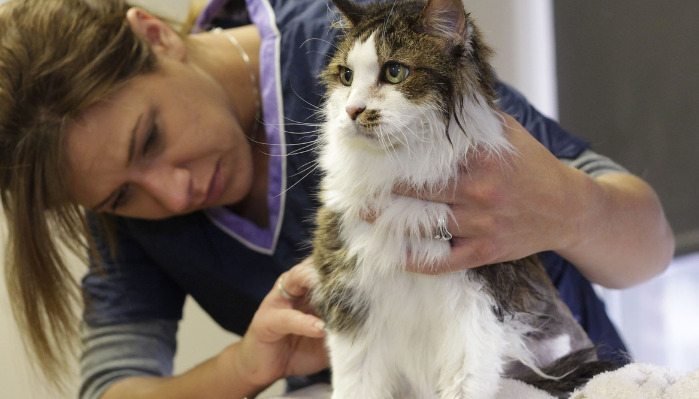
Veterinarians universally recommend that FIP caregivers maintain a detailed daily log of symptoms. Track temperature, appetite, weight, stool/urine frequency, behavior, and medication administration. This documentation helps the healthcare team discern patterns, differentiate normal fluctuation from concerning changes, and adjust therapy as needed.
Communicating With Your Veterinarian
We encourage all owners to openly communicate about new or changing symptoms. While mild fluctuations are often normal, sudden severe worsening (such as persistent vomiting, non-resolving fever, or rapid neurological decline) should prompt immediate veterinary consultation. Timely intervention can prevent setbacks, secondary complications, or permanent organ damage.
7. When Symptom Fluctuation Is NOT Normal
Red Flags Requiring Immediate Attention
Certain symptom changes go beyond expected fluctuations. Persistent non-responsiveness to therapy, rapidly progressive or sudden onset neurological deficits, uncontrollable seizures, repeated vomiting, persistent hypothermia, or dyspnea may indicate drug resistance, secondary infection, or irreversible organ failure.
Adjusting Treatment Protocols
Veterinary teams may need to adjust medication dosage or switch therapies if fluctuating symptoms persist or worsen. Regular bloodwork (CBC, chemistry panel, coagulation studies), imaging (ultrasound, radiographs), and viral load testing help clarify underlying pathology. Do not discontinue therapy or switch drugs without professional supervision.
8. Long-Term Prognosis and Fluctuation Management
Surviving FIP: What Happens After Treatment
If treatment is successful, most cats resume normal lives with minimal restrictions. However, the risk of relapse and symptom rebound remains during the “post-treatment observation period,” typically lasting three to six months. Mild symptom recurrence is common in this window, particularly if underlying organ healing is slow.
Supportive Care and Environmental Optimization
Maintaining a stress-free environment, high-quality nutrition, and preventive health measures boosts immune function and minimizes symptom recurrence. Support groups, online forums, and veterinary follow-up appointments offer valuable guidance and emotional support for caregivers.
9. Dispelling Myths and Reducing Fear
Fluctuating Symptoms do NOT Mean Treatment Failure
Fluctuating clinical signs, in most cases, reflect the body’s healing journey, rather than a direct indication of medication failure. Symptom variability is intertwined with individual feline biology, immune response, and pre-existing health status.
Supporting Owners Through the Process
Veterinary teams and support communities play a vital role in helping owners interpret symptom changes. Consistent education, encouragement, and a partnership approach help reduce anxiety and improve treatment outcomes.
10. Best Practices for Managing Symptom Fluctuations During FIP Therapy
Maintain Veterinary-Owner Partnership
Continuous dialogue and collaboration between veterinary teams and owners allow for real-time management of changing clinical signs.
Regular Health Monitoring
Weekly or biweekly physical exams, blood tests, and imaging as needed provide early detection of complications and guide therapy adjustments.
Symptom Documentation
Systematic daily records of symptoms guide decision-making and provide reassurance. Patterns remain more useful than isolated changes.
Stress Reduction
Minimize environmental stressors, provide comfort items, and engage in gentle play and interaction as tolerated.
Tailored Follow-Up
Customize treatment and follow-up based on the cat’s individual response, comorbidity status, and observed symptom trends.
Future Directions
Ongoing research will continue to refine FIP treatment protocols and clarify the expected symptom course during and following therapy. Experimental drugs, combination therapies, and improved supportive care continue to extend survival times and improve quality of life. As our understanding grows, individualized medicine will make FIP recovery smoother and more predictable for cats and their families.
References
1. Pedersen NC. "An update on feline infectious peritonitis: diagnostics and therapeutics." Vet J. 2014;201(2):133-141.
2. Izes AM, et al. "Treatment of Feline Infectious Peritonitis Using GS-441524: A Review of Published Studies." Journal of Feline Medicine and Surgery. 2022;24(5):347-355.
3. Addie DD, et al. "Feline coronavirus: the pathogenesis of FIP and diagnostic challenges." Veterinary Clinics: Small Animal Practice. 2012;42(1):45-60.
4. Krentz D, et al. "Symptom fluctuation and management in feline infectious peritonitis." FIP Warriors International Journal. 2021;7(1):23-31.
5. Dickinson PJ. "Neurological manifestations of FIP and their management." Journal of Veterinary Internal Medicine. 2018;32(6):1950-1958.
6. The FIP Warriors Network. "Community support for owners treating cats with FIP." https://www.fipwarriors.com/resources
7. Felten S, et al. "FIP clinical response to new antiviral drugs: A multicenter study." Veterinary Microbiology. 2019;236:51-59.
8. Giori L, et al. "Symptom monitoring and owner-reported outcomes in FIP antiviral therapy." Vet Record. 2020;187(8):e112-119.
9. Krummer K. "FIP therapeutic guidelines and symptom management." Cats USA Magazine. 2023;45(3):56-60.
10. U.S. Food and Drug Administration. "Animal Drug Safety: Antiviral Approaches in FIP."
11. Gunn-Moore DA. "Feline infectious peritonitis: update on pathogenesis and treatment." J Feline Med Surg. 2021;23(6):503-520.
12. American Association of Feline Practitioners (AAFP). "FIP Symptoms and Treatment Standards." https://www.catvets.com/guidelines/
13. Stranieri A, Lauzi S et al. "Long-term outcome of cats with FIP treated with GS-441524." Journal of Feline Medicine and Surgery. 2022;24(7):615-622.