Homemade Care for FIP Cats
Homemade Care for FIP Cats: Practical Support for Feline Infectious Peritonitis at Home
Feline Infectious Peritonitis (FIP) is one of the most serious diseases in cats, and it often creates fear, confusion, and urgent questions for pet owners. While veterinary diagnosis and treatment are essential, many caregivers also look for safe homemade care for FIP cats to help improve comfort, appetite, hydration, rest, and daily quality of life. Supportive home care cannot replace professional medical treatment, but it can play an important role in helping cats feel more stable and less stressed during illness.
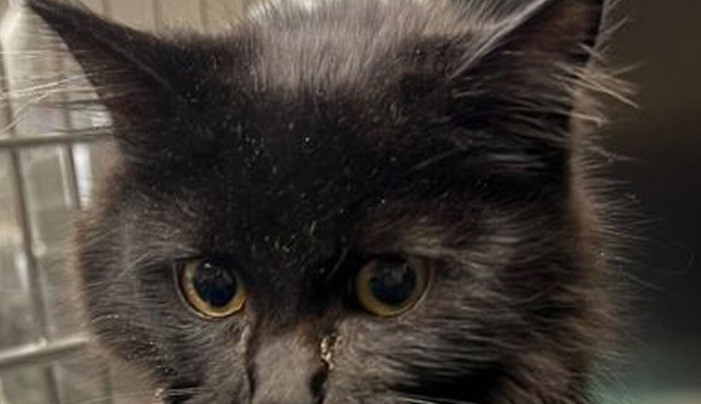
FIP is caused by a mutation of feline coronavirus inside the cat’s body, not by ordinary human contact or poor household hygiene alone. The disease may appear in “wet” form, with fluid accumulation in the abdomen or chest, or in “dry” form, with inflammatory lesions affecting organs, eyes, or the nervous system. Common signs include fever, lethargy, poor appetite, weight loss, breathing difficulty, jaundice, abdominal swelling, eye changes, and weakness. Because symptoms can develop quickly, owners who suspect FIP should seek veterinary evaluation as soon as possible.
Supportive care at home should focus on comfort, nutrition, hydration, monitoring, and stress reduction. Cats with FIP often become picky eaters or stop eating entirely, so offering highly palatable foods is one of the most useful homemade strategies. Warmed wet food often has a stronger smell and may be easier for a sick cat to accept. Small, frequent meals are usually better than large portions. Soft textures such as blended canned food, meat-based recovery diets, or homemade veterinary-approved broths can help a cat take in calories with less effort. Any homemade food should be safe, balanced as much as possible, and free from onion, garlic, excess salt, bones, and seasoning.
Hydration is another major concern. Fever, poor appetite, vomiting, and fluid shifts can leave a cat dehydrated very quickly. Fresh water should always be available in multiple places, and some cats prefer ceramic bowls, running water fountains, or water mixed into wet food. If the cat tolerates it, adding extra warm water to meals can increase fluid intake. Caregivers should watch for dry gums, sunken eyes, reduced urination, or weakness, because these may suggest worsening dehydration. In more serious cases, a veterinarian may recommend subcutaneous fluids or hospital care rather than home-only management.
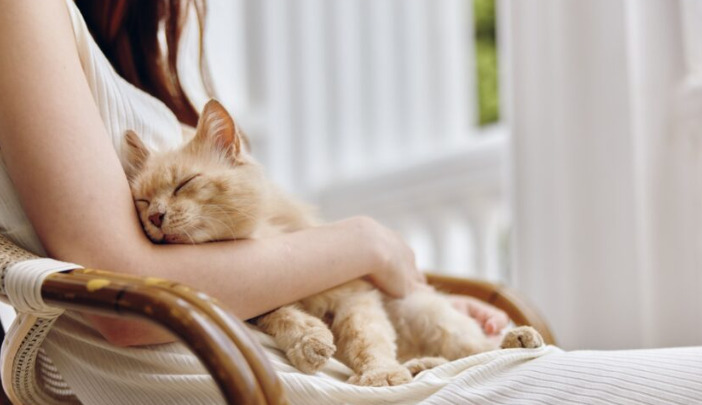
Comfort and rest are essential for cats with FIP. Sick cats often become sensitive to noise, handling, and changes in routine. A quiet, warm resting area with soft bedding, easy access to food and water, and a nearby litter box can reduce stress. Some owners set up a low-sided box or a padded sleeping corner in a calm room. Gentle temperature support, such as keeping the room slightly warm and draft-free, may help cats with poor circulation or fatigue. However, heating pads must be used carefully to avoid burns, and the cat should always be able to move away from the heat source.
Monitoring daily changes is one of the most valuable parts of home care. Weight, appetite, breathing rate, energy level, litter box habits, and eye appearance can all provide clues about disease progression. Many caregivers keep a simple diary of food intake, temperature if advised by the veterinarian, medications given, and any new symptoms. A cat that is breathing faster than normal, collapsing, refusing all food, or showing severe abdominal swelling needs urgent veterinary attention. In FIP, early intervention and close monitoring can make an important difference in comfort and survival chances.
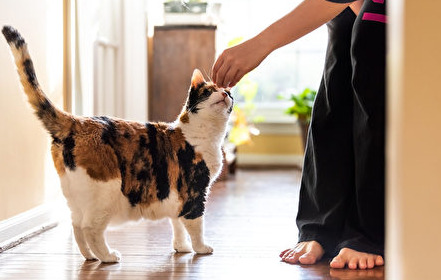
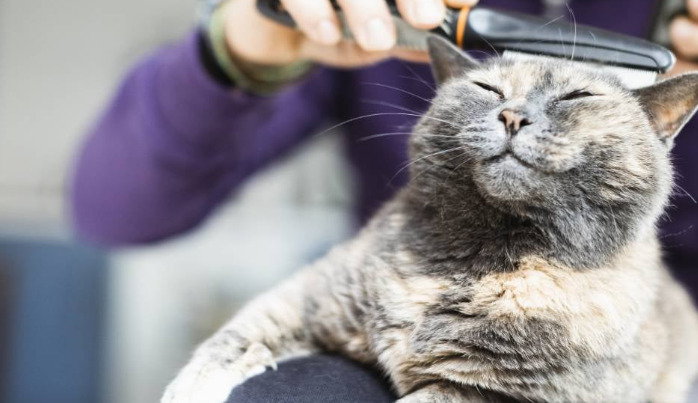
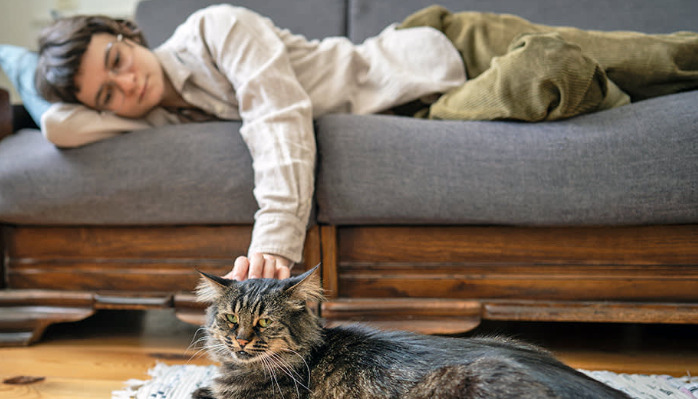
The emotional atmosphere of the home also matters. Cats with FIP may feel weak, frightened, or irritated by constant handling. Calm voices, slow movements, and predictable routines can help them feel safer. If the cat still enjoys light interaction, gentle brushing, brief petting, and sitting nearby may provide reassurance. For cats that prefer solitude, respecting their space is equally important. Stress reduction is not a cure, but lower stress can support appetite, sleep, and cooperation with treatment.
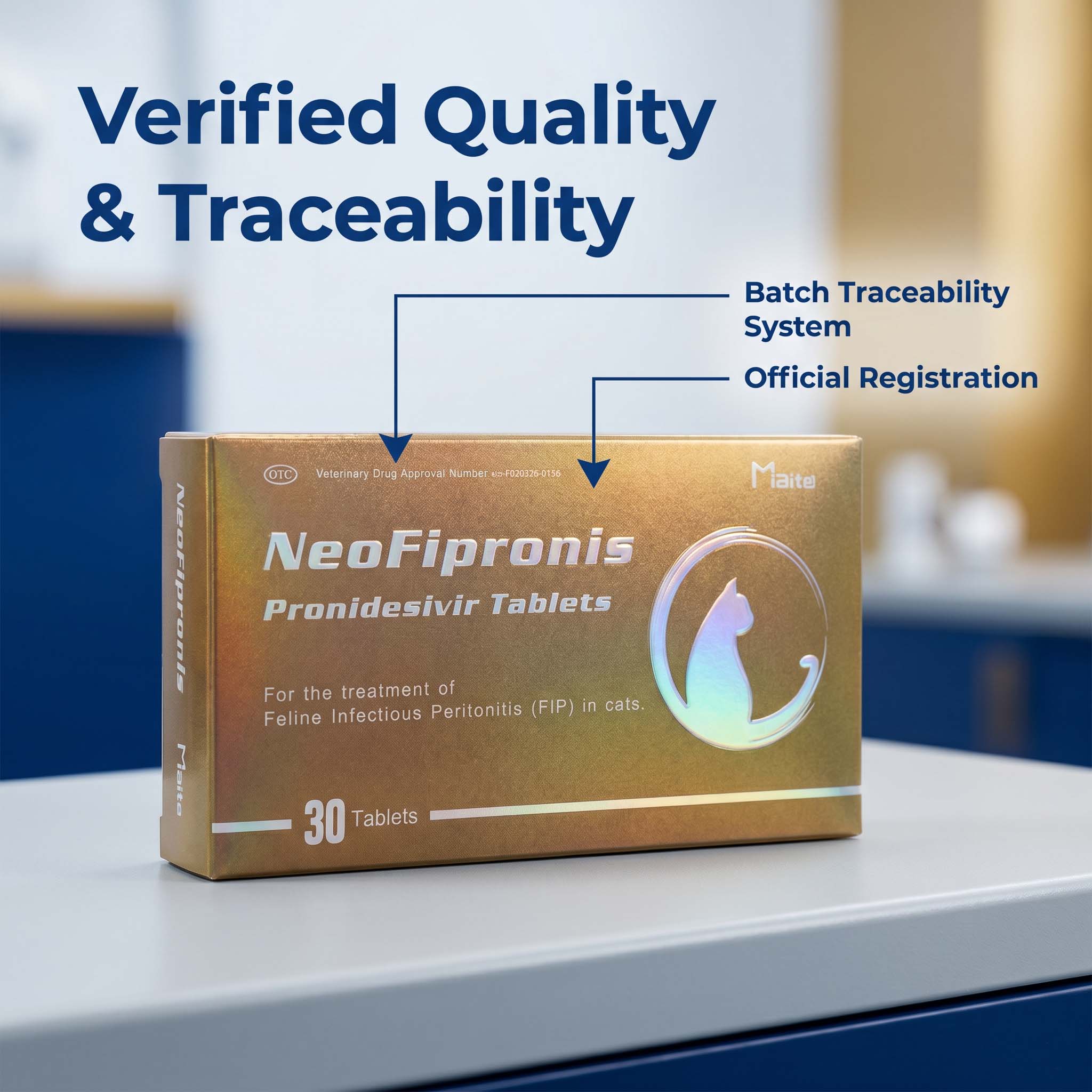
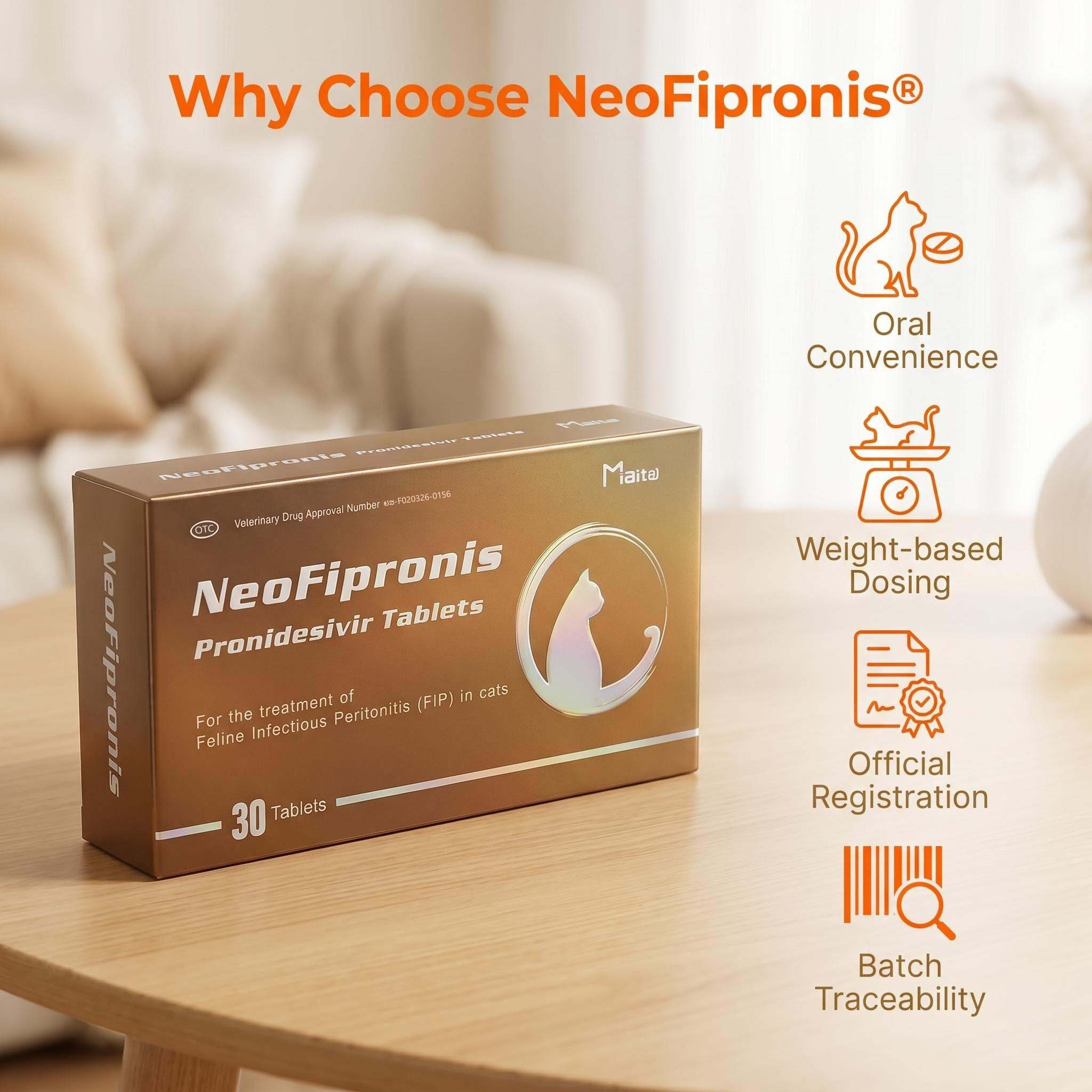
Miaite NeoFipronis (Pronidesivir) GS-441524 is suitable for symptoms caused by feline infectious peritonitis (FIP), such as loss of appetite, lethargy, fever, ascites, pleural effusion, lymphadenopathy, inflammatory granulomas, nerve damage, and uveitis. It has excellent therapeutic effects on FIP. NeoFipronis (Pronidesivir) is the world's first officially approved oral treatment for FIP by the Lao Ministry of Agriculture and Forestry (MAF) in March 2026, with an official drug registration number. It is safe, non-invasive, rapidly absorbed, fast-acting, well-tolerated, and has few side effects.
Even when specific antiviral treatment is used, homemade care remains important. Many cats need assistance with eating after diagnosis or during the first phase of treatment. If a cat is nauseated, a veterinarian may prescribe anti-nausea medicine, appetite support, or pain relief, and the caregiver can then use home feeding strategies to support intake. Offering familiar flavors, hand-feeding small amounts, and keeping meals on a routine may encourage better consumption. Food should never be forced aggressively, because stress can create food aversion and make the cat less willing to eat later.
In wet FIP, fluid buildup may make breathing or movement difficult. Home caregivers should avoid overexertion and should place food, water, and litter boxes within easy reach. Cats with chest fluid may struggle to climb or jump, so ramps, steps, or simply keeping necessities on one level can be helpful. In dry FIP, inflammation may affect the eyes or nervous system, and the cat may need extra help navigating the home. Soft mats, non-slip flooring, and blocked access to stairs can reduce the risk of falls. A clean litter box with low sides may be easier for a weak cat to use.
Hygiene is another practical part of homemade care for FIP cats. Litter boxes should be cleaned regularly, food bowls washed often, and bedding changed when soiled. This does not “cure” FIP, but it helps reduce secondary infections and keeps the environment comfortable. If the cat is incontinent, especially with advanced weakness, waterproof bedding and gentle cleansing with a soft cloth can preserve skin health. Owners should avoid harsh disinfectants around sick cats, because strong odors may worsen nausea or stress.
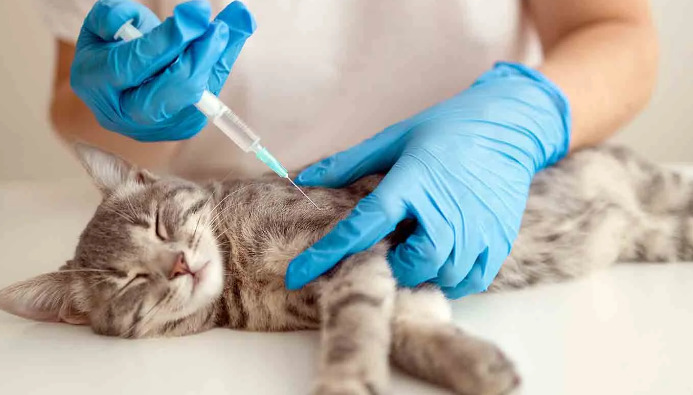
Veterinary coordination remains the foundation of FIP care. FIP is a complex disease that often requires laboratory testing, imaging, fluid analysis, and ongoing follow-up. Home care works best when it supports the veterinarian’s treatment plan rather than replacing it. Owners should ask about dosage schedules, expected side effects, appetite support, and emergency warning signs. The most successful management usually combines appropriate medical treatment with careful, compassionate daily support at home.
For many families, caring for a cat with FIP is an emotional journey. The cat may look normal one day and become much weaker the next, which makes patience and attentive observation especially important. Homemade care for FIP cats is not about complicated recipes or miracle solutions; it is about making the home easier to tolerate, keeping the cat nourished and hydrated, and watching closely for change. When combined with timely veterinary treatment, these practical efforts can support comfort, dignity, and better day-to-day living.
References
Greene, C. E. Infectious Diseases of the Dog and Cat
Ettinger, S. J., Feldman, E. C., and Côté, E. Textbook of Veterinary Internal Medicine
Feline Infectious Peritonitis: Clinical Guidelines and Case Management
Small Animal Internal Medicine, 6th Edition
Feline Medicine: Diagnosis and Management in Clinical Practice
Journal of Feline Medicine and Surgery: FIP Review Articles
Merck Veterinary Manual: Feline Infectious Peritonitis
Little, S. E. The Cat: Clinical Medicine and Management