Can NeoFipronis (Pronidesivir) Cause Side Effects
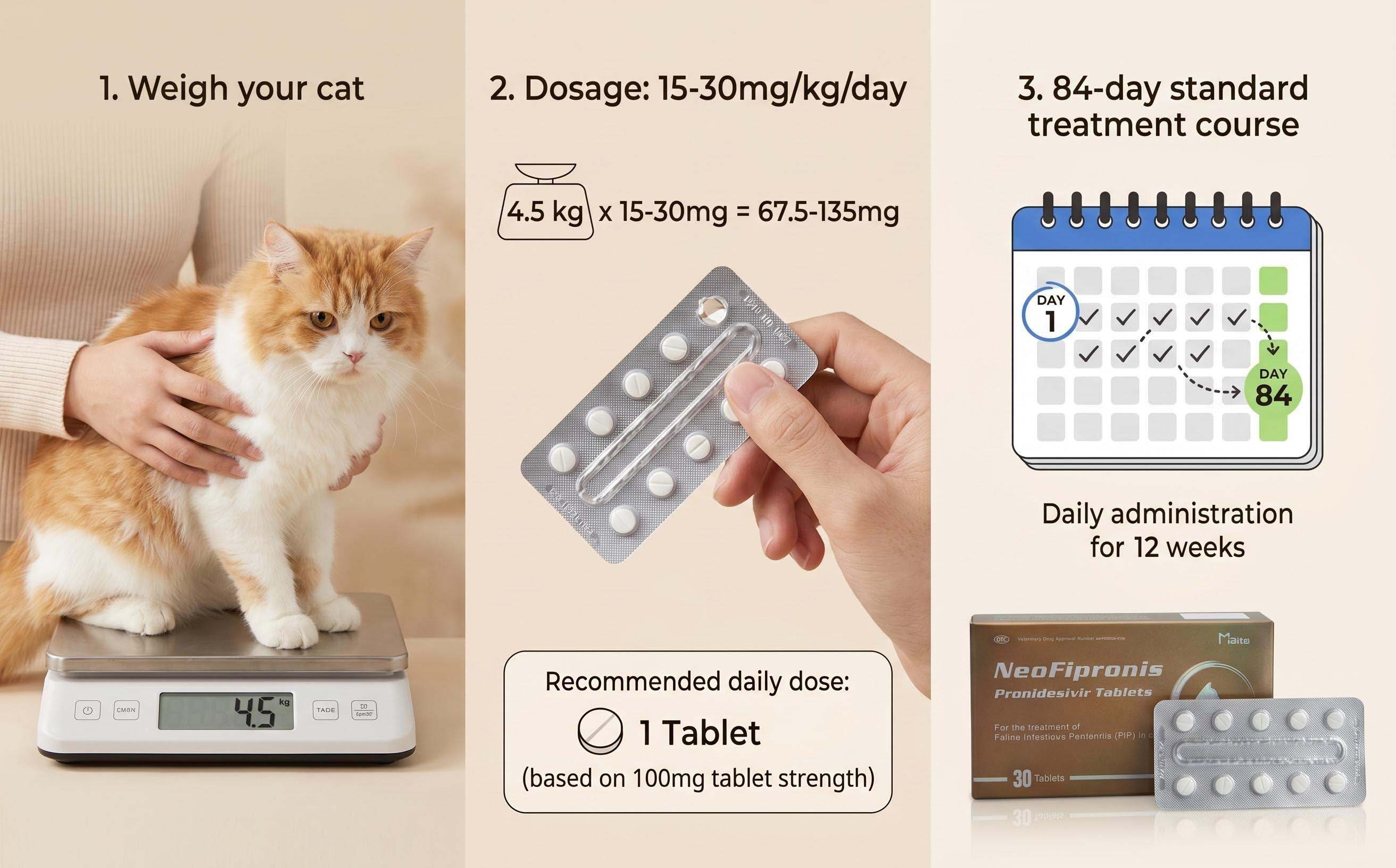
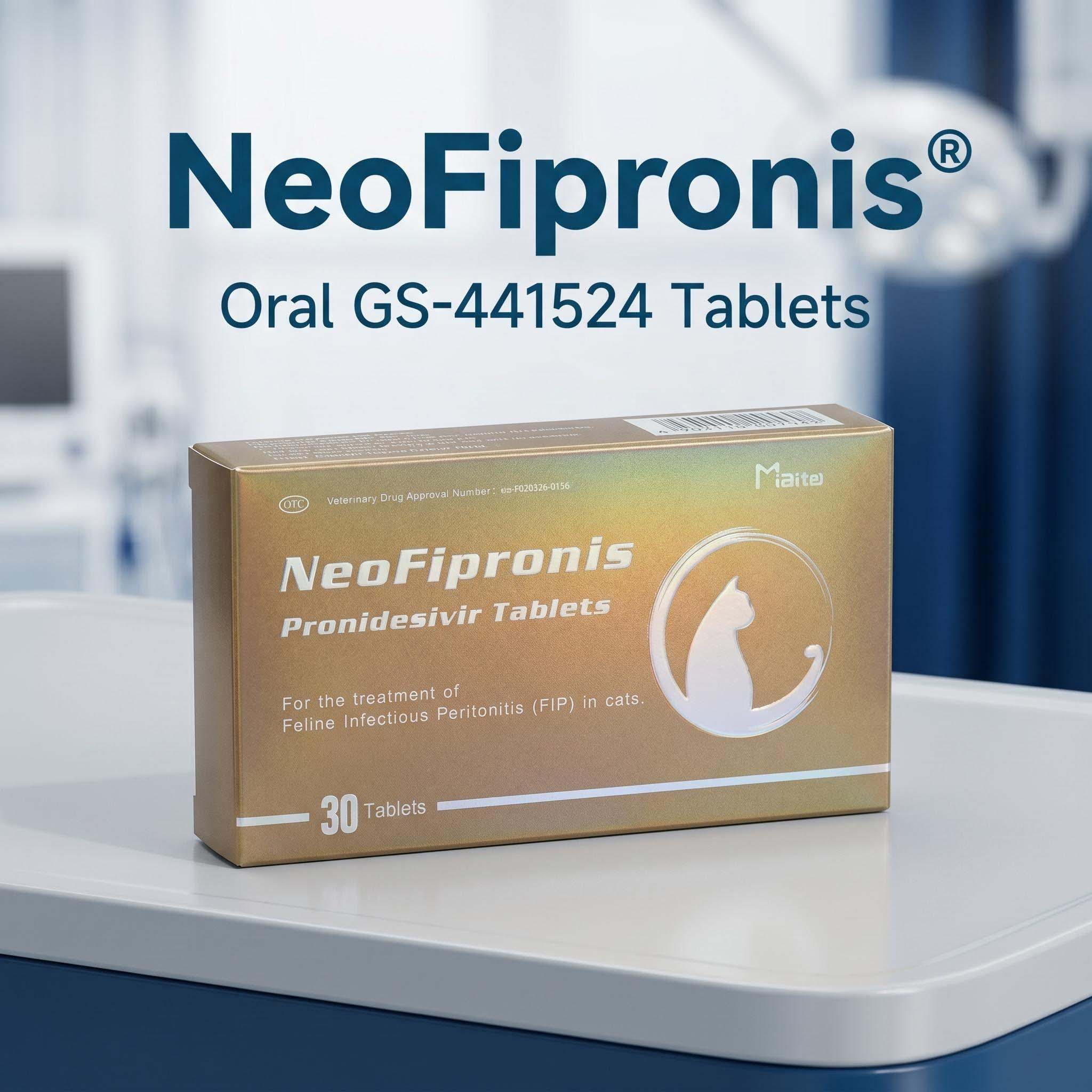
NeoFipronis (Pronidesivir) is described as an oral GS-441524-based treatment for feline infectious peritonitis (FIP), a serious and often life-threatening disease in cats. FIP may cause poor appetite, lethargy, fever, abdominal fluid, pleural effusion, enlarged lymph nodes, inflammatory granulomas, neurological signs, and uveitis. Because of its targeted antiviral action, NeoFipronis is often discussed as a practical option for cats that need long-term FIP management. Many owners ask the same important question: can NeoFipronis cause side effects?
The short answer is yes, side effects are possible, even when a treatment is generally well tolerated. Most cats receiving GS-441524-based therapy handle it well, especially when the dose is matched to body weight and the medication is used consistently. However, every cat is different, and responses may vary depending on the severity of FIP, the cat’s age, liver and kidney function, hydration status, and whether the disease affects the nervous system or eyes.
Reported or possible side effects may include mild vomiting, loose stool, temporary loss of appetite, or brief changes in energy level. Some cats may also show changes in blood chemistry, especially if they are already ill or dehydrated. In rare cases, cats may appear more tired for a short period after starting treatment, but this can also reflect the underlying FIP rather than the medicine itself. For cats with neuro or ocular FIP, veterinary supervision is especially important because higher dosing may be recommended, and careful monitoring helps distinguish treatment effects from disease progression.
NeoFipronis is typically given once daily by mouth, often on an empty stomach, at around 15 mg/kg for standard FIP cases, with higher doses sometimes used for neurological or eye involvement under veterinary guidance. Consistent dosing matters. Missing doses, stopping early, or changing the amount without advice can reduce effectiveness and may make recovery more difficult.
To improve safety, cat owners should monitor appetite, body temperature, behavior, and hydration during therapy. Regular blood work to check liver and kidney function is strongly recommended, especially during the first weeks of treatment and whenever the cat’s condition changes. If vomiting, severe diarrhea, marked weakness, jaundice, or worsening neurological signs occur, veterinary attention should be sought promptly.
NeoFipronis may be an important oral FIP treatment option, but “well tolerated” does not mean “side-effect free.” The good news is that many cats experience only mild or temporary issues, and careful monitoring can help keep treatment on track. It should be used only in cats and never in humans, and owners should rely on a veterinarian for dosing and safety decisions.