Are FIP Symptoms the Same in Every Cat
Feline Infectious Peritonitis (FIP) stands as one of the most challenging diseases in feline medicine. Caused by certain strains of the feline coronavirus, it transforms from a benign virus into a life-threatening condition in some cats. Because of its unpredictable nature, veterinarians and cat owners alike grapple with diagnosing and managing FIP. One of the most pressing questions is whether FIP symptoms are consistent across every cat. The answer is nuanced: FIP presentations are far from identical, and understanding their variability is crucial for early detection and care.
What Is Feline Infectious Peritonitis (FIP)?
FIP arises when common feline coronavirus mutations enable the virus to invade certain immune cells. While most cats exposed to feline coronavirus remain healthy or show mild symptoms, a small fraction develop this severe, often fatal disease. FIP is not simply a uniform illness. Instead, it presents in different ways, largely dependent on factors like age, breed, immune response, and whether the virus triggers the "wet" or "dry" form of the disease.
Why Do Symptoms Vary Among Cats?
Genetics, Age, and Immune Function
Genetic predisposition plays a role in how FIP manifests. Certain purebred cats (such as Bengals, Persians, and Abyssinians) are more susceptible to aggressive symptoms. Kittens and young cats, with their still-developing immune systems, are also at elevated risk. Adult cats, or those with robust immune responses, may experience subtler symptoms, sometimes defying easy recognition.
Environmental Influences
Cats living in crowded settings—catteries, shelters, or multi-cat households—face frequent exposure to feline coronavirus. Stress and concurrent infections can influence how the virus mutates and how FIP presents.
Wet vs. Dry FIP: Distinct Syndromes
The hallmark of FIP is its bifurcation into two main forms:
Wet (Effusive) FIP: Characterized by accumulation of fluid in body cavities, particularly the abdomen and chest. This can lead to a distended belly, labored breathing, and rapid clinical decline.
Dry (Non-effusive) FIP: Involves more localized inflammatory lesions within organs. Symptoms are less obvious and progress more slowly, sometimes mimicking other chronic illnesses.
Many cats express a mix of both forms during illness, further complicating recognition and treatment.
Common Symptoms Across All Cats
Despite the variations, some symptoms frequently arise:
Persistent fever unresponsive to antibiotics
Lethargy and loss of appetite
Weight loss
Jaundice (yellowing of the eyes and skin)
Poor coat condition
However, the specific combination and severity of these symptoms can differ greatly.
Wet Form FIP: What to Expect
Abdominal Distension
One of the most visible signs of wet FIP is fluid accumulation in the abdomen. This cause cats to develop a pot-bellied appearance, sometimes seen within just a few days of disease onset. Not all cats with FIP will show pronounced abdominal swelling, however, making this feature less reliable as a sole diagnostic clue.
Breathing Difficulties
When fluid builds up in the chest cavity (pleural effusion), cats may exhibit rapid, shallow, or labored breathing, even open-mouth breathing in severe cases. The severity ranges with the rate of fluid accumulation and the cat’s heart and lung health.
Other Wet FIP Signs
Cats may also show muffled heart or lung sounds when veterinarians listen with a stethoscope, and owners might notice a reluctance to move, jump, or play due to discomfort.
Dry Form FIP: Symptoms Can Be Subtle
Ocular Changes
Dry FIP may involve the eyes, producing cloudiness, inflammation, or even blindness. Owners sometimes catch early symptoms when their cat's eyes look different, but others miss changes until the disease is advanced.
Neurological Signs
In some cats, FIP affects the brain or spinal cord, resulting in unsteady walking, tremors, seizures, or changes in behavior. These symptoms are particularly deceptive since they mimic other neurological conditions.
Organ-specific Issues
Granulomas—clusters of inflammatory cells—can develop in organs such as the liver, kidneys, or lymph nodes. Cats may present with vomiting, diarrhea, increased thirst, or simply unexplained weight loss. Symptoms vary based on which organ is affected.
Uncommon or Overlooked FIP Symptoms
No article on FIP is complete without addressing the less-discussed symptoms:
Anemia: Pale gums, weakness
Fluid buildup in unusual places, like the heart sac
Chronic dehydration, resistant to treatment
Intermittent vomiting or diarrhea with no clear cause
Sudden behavioral changes or personality shifts
Again, not all cats display these signs, and some only become evident late in the disease course.
Symptoms Change Over Time
FIP's variability extends even into the progression of symptoms. Some cats deteriorate rapidly, while others experience fluctuating or slowly worsening signs over weeks or months. This unpredictability means no two FIP cases are exactly alike.
Diagnosing FIP Amidst Variable Symptoms
Veterinarians use a combination of techniques:
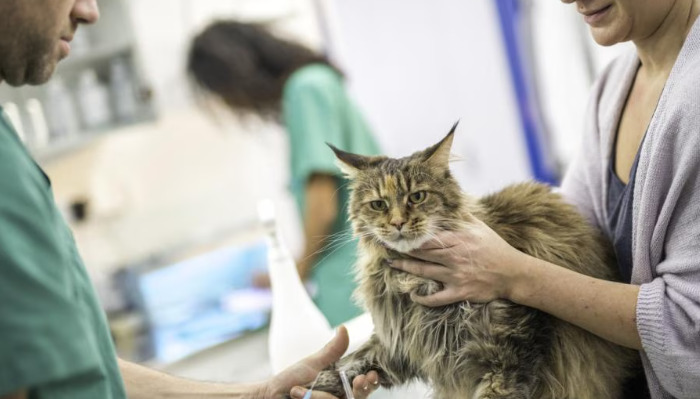
Medical history and symptom evaluation
Blood tests for clues like elevated protein levels, anemia
Imaging studies to locate fluid buildup or organ changes
PCR and antibody tests for coronavirus, though not definitive alone
The diagnosis is sometimes only confirmed after death, thanks to the diversity of clinical presentations and lack of a single definitive test.
Symptom Overlap With Other Feline Diseases
Because FIP shares signs with other illnesses like lymphoma, liver disease, or bacterial infections, misdiagnosis is frequent. The presence or absence of specific symptoms can help guide the vet’s suspicion but rarely provides certainty.
How Cat Owners Can Help
Early observation and reporting of changes in behavior, appetite, or appearance are essential. Keep records of symptoms, take photos if you observe swelling, and talk regularly with your veterinarian. Noticing subtle differences early could influence disease management and quality of life.
Advances in FIP Treatment and Prognosis
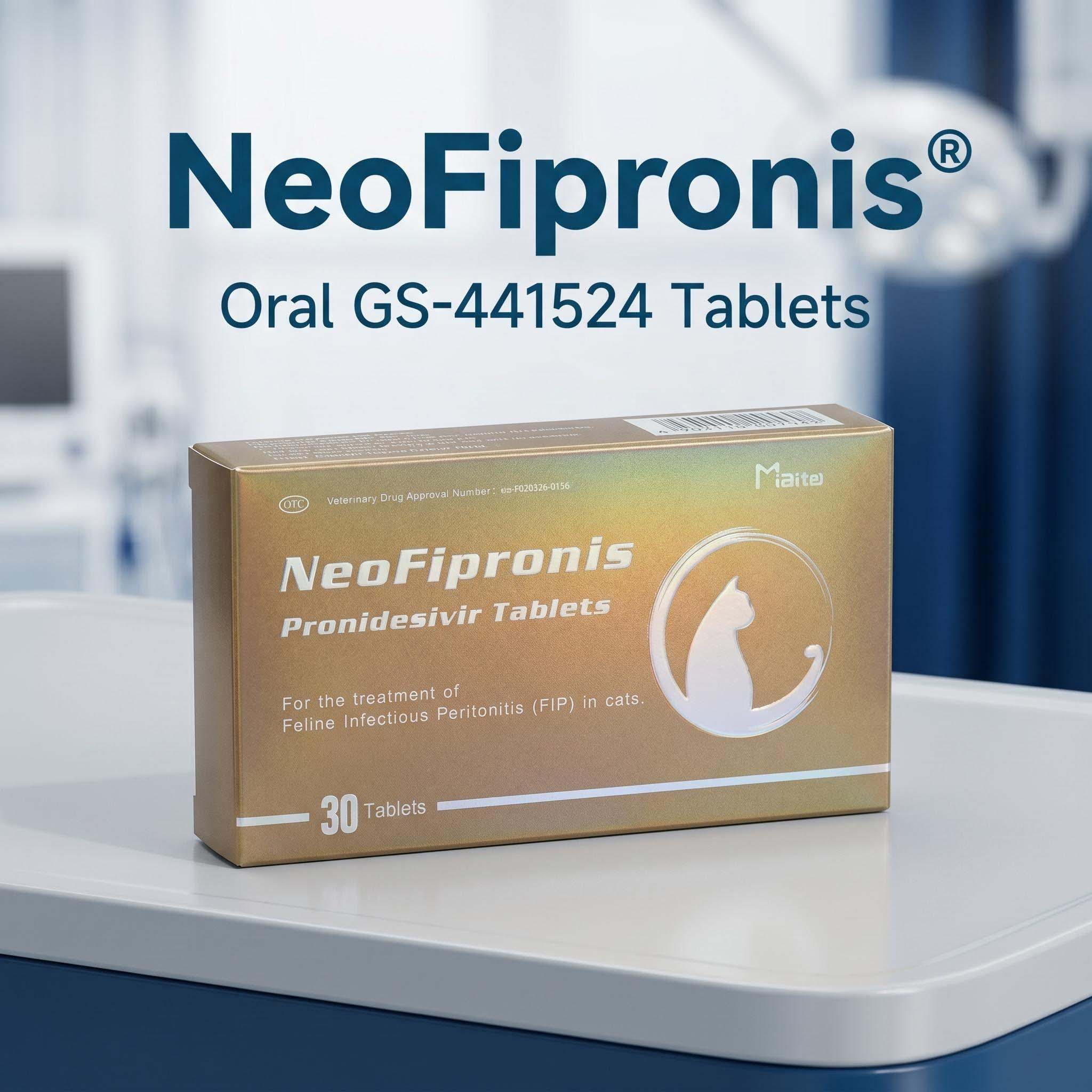
In recent years, new antiviral treatments have changed the outlook for some cats diagnosed with FIP. Remdesivir and related medications, alongside supportive care (including fluids, nutrition, and anti-inflammatory drugs), can occasionally halt or reverse symptoms, especially if treatment is started early.
However, because FIP symptoms are so diverse, treatment strategies remain personalized. Recognizing symptom patterns helps veterinarians tailor supportive measures and evaluate the likelihood of treatment success.
Preventing FIP: Is It Possible?
Minimizing stress, maintaining optimal hygiene in multi-cat environments, and prompt isolation of sick animals can lower risks. Still, no vaccine or preventive strategy has proven fully successful, given the disease’s complex nature and the prevalence of feline coronavirus among cats.
Why Do Some Cats Show No Symptoms, or Unusual Symptoms?
A small group may harbor the mutated virus for weeks or months without showing symptoms. Others develop only mild issues, possibly due to individual immune strengths or the virus’s particular mutation. These asymptomatic carriers still pose risk to other cats.
Unique or rare symptoms—severe neurological signs, heart issues, or unexplainable behavioral changes—often create diagnostic confusion. These cases highlight the importance of individualized care and cautious observation.
What To Watch For: Practical Tips
Track appetite and weight regularly
Notice changes in litter box habits or drinking patterns
Examine your cat’s eyes and coat each week
Watch for new behavioral quirks or periods of hiding
Learn to distinguish between normal aging or stress and true illness
Veterinarians value detailed owner observations and often rely on these to help distinguish FIP from similar diseases.
What the Latest Research Reveals
Modern studies highlight just how variable FIP can be:
Wet and dry forms can transition from one to the other over time
Antiviral drugs may reduce some symptoms but not others
Neurological and ocular signs are underreported but important
Purebred cats have higher risk for atypical presentations
Early detection improves survival rates and quality of life
Keeping up with research, especially through reputable sources and veterinary advice, can change the approach from despair to possibility.
Conclusion
FIP does not produce identical symptoms in every cat. Its complexity means that no single list of symptoms covers every case. Instead, understanding the wide range of potential signs, from the classic fluid-filled belly to subtler neurological or organ-specific issues, allows for more precise detection and compassionate care. Cat owners and veterinarians must work together, watching diligently for changes and embracing the evolving science of feline medicine.
References
1. Pedersen, N. C., "A Review of Feline Infectious Peritonitis Virus Infection: 1963–2008," Journal of Feline Medicine and Surgery, 2009.
2. Felten, S., Hartmann, K., "Diagnosis of Feline Infectious Peritonitis: A Review of the Current Literature," Viruses, 2019.
3. Kipar, A., Meli, M. L., "Feline Infectious Peritonitis: Still an Enigma?" Veterinary Pathology, 2014.
4. Porter, E., Tasker, S., "Diagnosis and Management of FIP," The Veterinary Nurse, 2016.
5. Addie, D. D., "Feline Coronavirus and FIP: Recent Developments in Diagnosis and Treatment," Veterinary Record, 2021.
6. Chang, H. W. et al., "Analysis of Feline Coronavirus Pathotypes: Insights into FIP Emergence," Veterinary Microbiology, 2012.
7. American Association of Feline Practitioners, "Feline Infectious Peritonitis," AAFP Practice Guidelines, 2023.
8. Cornell University College of Veterinary Medicine, "FIP: Clinical Signs, Diagnosis, and Treatment," Feline Health Topics, 2023.