How Long Does It Take to Confirm a Diagnosis of FIP
Feline Infectious Peritonitis (FIP) remains one of the most challenging diseases facing cat owners and veterinarians alike. Caused by a mutation of feline coronavirus (FCoV), this progressive and often fatal condition evokes significant concern when first suspected in a cat. Many pet guardians are thrown into a maze of tests and uncertainty, wondering how long it will take to finally confirm or rule out FIP. Understanding the diagnostic journey for FIP—its steps, timeframes, and complexities—can help reduce anxiety and promote informed decision-making.
An Overview of FIP in Cats
FIP typically affects young cats, often under the age of two, but it can occur at any age. The disease presents in two main forms: “wet” (effusive) and “dry” (non-effusive), depending on whether fluid buildup occurs in the cat’s abdomen or chest. Early symptoms are often vague—fever, lethargy, loss of appetite—and progress over weeks to more severe signs. Since clinical manifestations overlap with other feline illnesses, a methodical approach to diagnosis is vital.
Diagnostic Challenges: Why FIP Is Difficult to Confirm
Veterinarians face a major obstacle: no single test can definitively diagnose FIP. Unlike certain viral infections, FIP lacks a straightforward “yes or no” blood test. Most steps, instead, build circumstantial evidence for (or against) the disease. This results in a diagnostic process involving physical exams, targeted laboratory tests, imaging studies, and, sometimes, tissue biopsies. The rarity and complexity of FIP also mean most general veterinarians see only a handful of cases over their careers.
Typical Timeline for FIP Diagnosis
The time it takes to confirm a diagnosis of FIP varies, depending on factors such as clinical presentation, availability of diagnostic tools, and the skills of the veterinary team.
Initial Clinical Examination (Same Day)
After the cat is brought in for evaluation, the veterinarian records a detailed history of symptoms and exposure risk. A physical exam seeks signs typical of FIP, such as persistent fever unresponsive to antibiotics, fluid in the abdomen (ascites), weight loss, or ocular changes. If the suspicion of FIP is strong, testing begins immediately.
Laboratory Blood Work (1–2 Days Turnaround)
Routine bloodwork—including a Complete Blood Count (CBC) and serum biochemistry—provides initial clues. FIP often causes moderately high white blood cell counts, anemia, elevated globulin levels, and low albumin. None of these findings are unique to FIP, though. Results usually return within 24–48 hours in most U.S. clinics.
Feline Coronavirus Antibody Testing (2–3 Days)
Most cats are exposed to FCoV at some point, so almost all will test positive for antibodies. High antibody titers may increase suspicion but cannot confirm FIP on their own. Antibody testing results typically return in 2–3 days.
Imaging Studies (Same Day or Next Day)
X-rays and ultrasound exams help identify fluid collection in the abdomen or chest. If fluid is found, the veterinarian can perform a sterile aspiration and obtain a sample for further analysis. These imaging studies are usually available in-clinic, so scheduling is usually prompt.
Analysis of Effusion Fluid (2–4 Days)
Collected fluid is examined for color, consistency, and protein content. FIP-associated fluid is often straw-colored, viscous, with high protein and low cellularity. Cytological assessment and protein measurement may take 2–4 days depending on lab speed.
PCR Testing and Immunohistochemistry (3–7 Days)
Polymerase Chain Reaction (PCR) detects viral RNA in fluid or tissue samples. While highly sensitive, PCR alone cannot always distinguish between benign enteric coronavirus and the mutated FIP form. Immunohistochemistry (IHC) on tissue biopsy samples remains the gold standard for confirming FIP but is more invasive and less commonly performed. Results may take 3–7 days, especially if samples are sent to specialized laboratories.
Further Diagnostic Steps: Biopsy (Variable, Often 1–2 Weeks)
In non-effusive or “dry” FIP cases, external symptoms are subtler. Ultrasound may reveal enlarged lymph nodes or organs, prompting fine needle aspiration or biopsy. Obtaining and evaluating tissue for IHC and histopathology is a process that often stretches to a week or longer from collection to reporting.
Summary of Diagnostic Timeline
Initial Evaluation and History: Same day
Bloodwork: 1–2 days
Antibody Testing: 2–3 days
Imaging: Same day or next day
Fluid Analysis: 2–4 days
PCR/IHC: 3–7 days
Biopsy (if needed): 1–2 weeks
Most cats suspected of having FIP receive a “presumptive” diagnosis within 7–10 days. If a biopsy is needed—especially in dry FIP—it may take up to two weeks to confirm. Unfortunately, no process currently allows for instant, definitive diagnosis in a routine clinical setting.
How Suspicion Versus Confirmation Affects Treatment
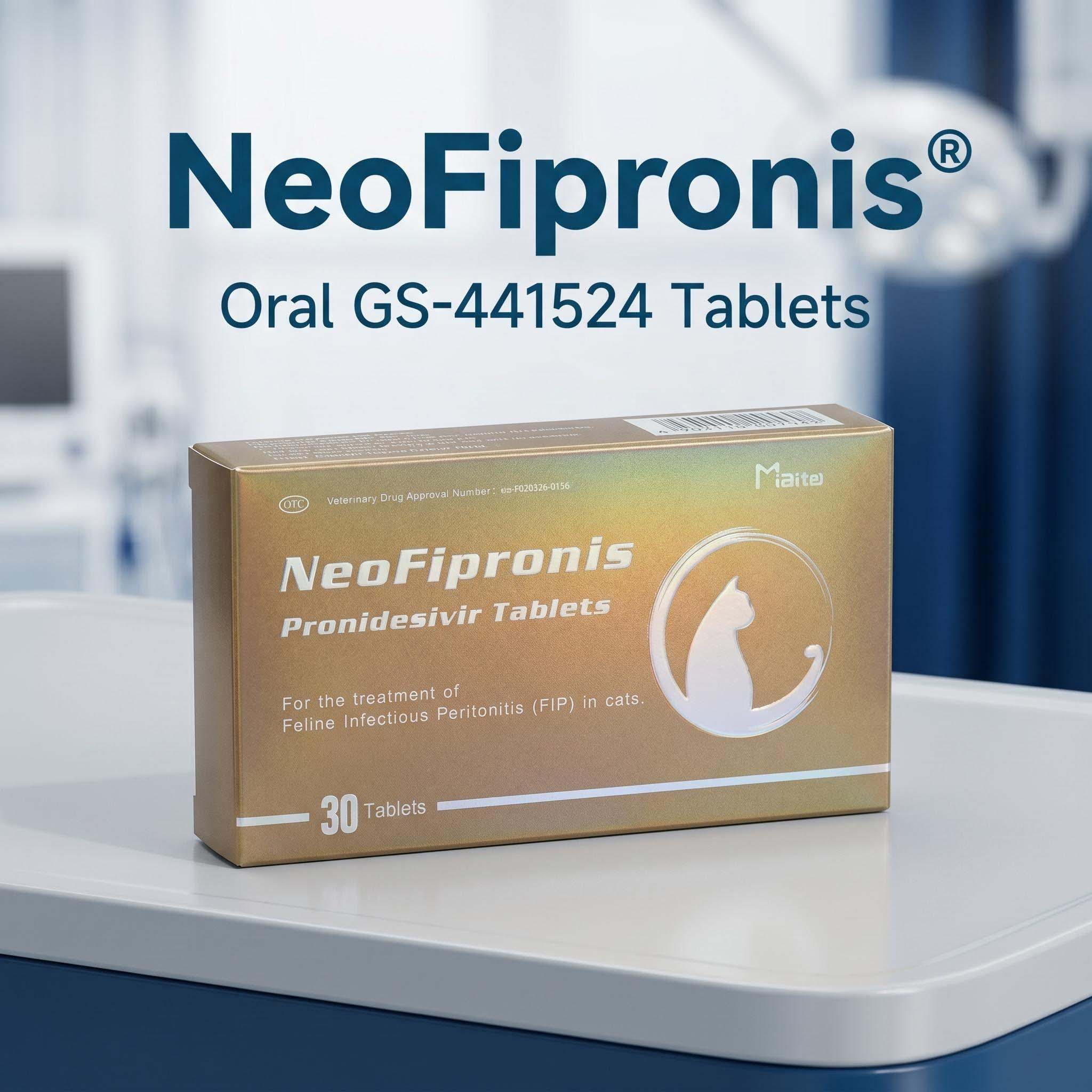
In practice, FIP is often diagnosed on a “weight of evidence” basis. If a cat’s history, clinical signs, and diagnostic findings strongly suggest FIP, veterinarians may justify starting emerging antiviral treatments (such as GS-441524 analogs) before confirmation. This is particularly important, since untreated FIP progresses rapidly. Many experts recommend balancing urgency and certainty, especially as new therapies are most effective when given early.
Factors That Can Delay FIP Diagnosis
Atypical Clinical Presentation
Some cats display unusual symptoms that can confuse or slow diagnosis. Dry FIP, in particular, may mimic other chronic diseases such as lymphoma or immune-mediated conditions. This ambiguity can prompt additional rounds of testing, referral to specialists, or repeating diagnostics—adding days or weeks to the diagnostic process.
Limited Access to Specialized Diagnostics
Not all veterinary clinics offer PCR or advanced imaging. If samples must be shipped to a reference laboratory, waits for transport and reporting can extend by several days. Rural or understaffed clinics may experience additional wait times.
Concurrent Illnesses
Cats with multiple health problems present a complex diagnostic puzzle. Co-existing renal, hepatic, or infectious diseases can mask or mimic FIP signs, requiring a broader panel of diagnostics to fully rule out alternatives before making a presumptive or confirmed diagnosis.
Emerging Improvements in FIP Diagnosis
Research drives progress. Modern PCR assays are evolving to better distinguish between non-threatening FCoV and the FIP-associated mutant. Parallel advancements in rapid point-of-care testing, especially for characteristic biomarkers, are ongoing. Tissue immunohistochemistry is being streamlined for easier in-clinic use. These developments may, in the near future, shorten the diagnostic timeline and reduce reliance on “presumptive” diagnoses.
Owner Involvement and Realistic Expectations
Clear, direct communication with your veterinarian is vital. Owners should expect to discuss symptoms, risk factors (such as living in multi-cat households), and the pros and cons of each diagnostic step. Since FIP confirmation is rarely possible in a single visit, establishing realistic expectations about timeframes is key to reducing frustration and unnecessary delay.
The Emotional Toll of Waiting
Waiting for a diagnosis is stressful. Many pet owners find themselves combing online forums, seeking reassurance, and second-guessing decisions. Support groups, veterinary social workers, and open dialogue with veterinary staff can ease this burden. Understanding the medical necessity behind each step—rather than viewing delays as inefficiency—helps reframe the experience and promotes compassionate care.
What Owners Can Do to Help Diagnostic Efficiency
Provide detailed histories about symptom onset and everyday behaviors.
Follow pre-test instructions (such as fasting before bloodwork or imaging).
Ask about available rapid tests or direct access to specialty labs.
Update veterinarians on any changes in symptoms during the process.
Discuss financial or logistical constraints openly, as solutions may exist.
Collaboration between owner and veterinary team can expediate the process while avoiding errors that mislead or confuse.
Case Examples: Typical and Atypical Diagnostic Journeys
Case 1: Wet FIP in a Shelter Kitten
A six-month-old kitten presents with fever and abdominal swelling. Bloodwork, imaging, and fluid analysis are completed within three days. High protein effusion and PCR positivity direly suggest FIP. Treatment begins on day four; confirmation via IHC arrives on day seven.
Case 2: Dry FIP in a Senior Cat
A nine-year-old cat experiences weight loss, jaundice, and enlarged abdominal lymph nodes. Routine tests reveal suspicious clues, but not enough to be definitive. Ultrasound-guided biopsy is performed and sent for histopathology/IHC. Diagnosis takes two weeks, punctuated by anxious waiting.
Moving Toward Faster, More Definitive Diagnosis
The diagnostic landscape for FIP is rapidly changing. As more effective therapies gain approval and awareness, faster diagnostic methods are becoming a priority. Until then, understanding the necessary timeline—from initial suspicion to confirmation—offers owners both insight and hope. By trusting the process and working closely with veterinary professionals, families can ensure the best possible outcome for cats suspected of this elusive disease.
References
Addie, D. D., Jarrett, O. "Feline Coronavirus Infections," Veterinary Clinics of North America: Small Animal Practice, 2001.
Pedersen, N. C. "A Review of Feline Infectious Peritonitis Virus Infection: 1963–2008," Journal of Feline Medicine and Surgery, 2009.
Hartmann, K. "Feline Infectious Peritonitis," Veterinary Clinics of North America: Small Animal Practice, 2005.
Felten, S., Hartmann, K. "Diagnosis of Feline Infectious Peritonitis: A Review," Veterinary Journal, 2019.
Tasker, S. "Feline infectious peritonitis: update on diagnosis and management," Veterinary Record, 2018.
Simons, F. A., et al. "A Competitive enzyme-linked immunosorbent assay for detection of antibodies to feline coronavirus," Journal of Virological Methods, 2005.
Pedersen, N. C. "An update on feline infectious peritonitis: Diagnostics and therapeutics," Veterinary Journal, 2014.