What Are the Most Common Reasons FIP Medication Fails
Feline Infectious Peritonitis (FIP) is a devastating disease caused by mutations of feline coronavirus. Recent breakthroughs have made effective medications available, transforming treatment outcomes for many cats. However, therapy does not always succeed. Some cats fail to respond, relapse, or experience severe side effects that necessitate discontinuation. Understanding why FIP medication fails is vital for improving disease management, tailoring treatment protocols, and counseling concerned cat owners. This article explores these reasons in depth, drawing from veterinary research, clinical observations, and expert recommendations.
1. Inaccurate Diagnosis
FIP diagnosis remains challenging, as its clinical signs—fever, lethargy, weight loss, fluid accumulation, neurological changes—are not unique and can mimic other illnesses. Gold standard diagnosis requires histopathology with immunohistochemistry, yet is rarely feasible in living cats. Most clinicians rely on a combination of clinical presentation, laboratory findings (such as globulin elevation, effusion analysis), and PCR-based viral detection.
Mistaken diagnosis is a major reason FIP medication appears to “fail.” Treatments like GS-441524 or GC376 act directly on the causative virus; if the cat’s illness is due to lymphoma, bacterial peritonitis, toxoplasmosis, or another non-FIP disease, antiviral therapy will not work. Therefore, a precise diagnosis, utilizing imaging, bloodwork, and sometimes PCR of effusions or tissues, is critical before initiating costly, intensive medication.
2. Viral Resistance and Mutation
The feline coronavirus responsible for FIP is highly mutable. Although GS-441524 and related drugs show powerful antiviral effects against most FIP-causing viral strains, viral mutations may create resistant variants.
Evidence suggests drug-resistant FIP virus can emerge, especially in cases of incomplete suppression. Cats exposed to subtherapeutic drug concentrations (due to under-dosing, improper administration, or skipped doses) create conditions where some virus survives and adapts, potentially rendering subsequent therapy ineffective. Sequence analyses from relapsed cases have identified specific point mutations associated with resistance.
3. Suboptimal Dosing or Duration
Standard GS-441524 dosing typically lasts for 12 weeks, with doses ranging by the severity and form of FIP (higher doses for neurological or ocular disease). Failing to adhere to the correct dose or stopping early leads to incomplete viral clearance and relapse.
Cats with wet (effusive) FIP sometimes respond more quickly, but dry (non-effusive) and neurological forms require strictly maintained, higher dosing. Factors affecting dosing beyond mere weight calculations include drug absorption, concurrent medications, and individual cat metabolism. Inadequate dosing due to cost constraints, owner misunderstanding, or poor guidance by an untrained source is a common medication failure point.
4. Poor Drug Quality or Inactive Compounds
With the rise of FIP medication demand, non-regulated sources and black-market formulations have proliferated. Medications purchased from unreliable vendors may lack active GS-441524 or contain adulterants, impurities, or incorrect concentrations.
Several reports indicate cats treated with faux medication experience sudden worsening, relapse, or no initial improvement. Ensuring medication is sourced from reputable, research-backed, and regularly tested suppliers is essential for treatment success. Veterinarians can support owners in identifying trustworthy sources.
5. Underlying Health Conditions
Cats with significant concurrent illnesses—such as advanced kidney failure, heart disease, or severe immunosuppression from FeLV/FIV—may fail to respond to FIP drugs even if viral suppression is achieved. Fragile patients may not recover due to irreversible organ damage caused before or during FIP progression.
Moreover, poor nutritional state, inability to take oral medications, or comorbid infections (bacterial, parasitic, fungal) can compromise recovery. Comprehensive management, including supportive care, pain management, and intensive nursing, is crucial in these complex cases.
6. Owner Non-Compliance
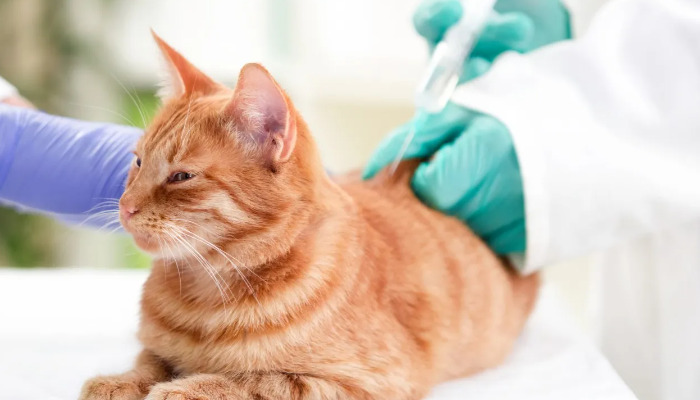
Treatment for FIP is intensive, requiring daily injections for weeks, careful monitoring, and regular veterinary visits. Owner exhaustion, misunderstanding instructions, fear of injections, and financial constraints contribute to inconsistent dosing, missed medications, or abrupt cessation.
Relapses typically occur within weeks of discontinuing or irregularly administering medication. Owners should receive thorough education, hands-on training for injections, and open communication to support compliance. Veterinarians can help with guidance, empathetic counseling, and connecting owners to support groups.
7. Delayed Treatment Initiation
FIP progresses rapidly. Early signs—such as lethargy, anorexia, mild fever—can be missed or mistaken for less severe conditions. By the time severe effusions, neurological signs, or dramatic weight loss appear, extensive tissue and organ destruction may have occurred.
Even effective antiviral therapy struggles to reverse such advanced damage. The therapeutic window for optimal results is relatively short. Most studies and case reports stress early intervention as a critical factor for success.
8. Immunopathology and Inflammatory Response
The immune system’s reaction to FIP virus plays a central role in clinical disease. Some cats mount an extreme inflammatory response, leading to extensive tissue granulomas, vasculitis, or severe CNS involvement.
Even if the virus is suppressed, such immune-mediated damage may persist, rendering antiviral therapy insufficient. Adjunctive treatments—corticosteroids, immunomodulators—may help in selected cases; however, balancing suppression of harmful inflammation against enabling viral persistence is a clinical challenge.
9. Incorrect Use of Adjunctive Therapies
Steroids, antibiotics, antifungals, and other drugs are sometimes given alongside FIP medication. While helpful in legitimate cases of secondary infection or severe inflammation, inappropriate routine use may interfere with immune function and treatment efficacy.
For example, prolonged corticosteroid use suppresses normal immune defenses and impairs tissue recovery. Unnecessary antibiotics foster resistant bacteria, causing additional morbidity. Treatment plans should be individualized according to established clinical protocols and guided by experienced veterinarians.
10. Medication Side Effects
GS-441524 and other FIP drugs are generally safe, but side effects—such as injection site pain, skin reactions, vomiting, or allergic responses—can be severe. Some cats refuse medication, react poorly, or develop secondary infections at injection sites.
Such complications may necessitate dose reductions or discontinuation, compromising treatment. Proper injection technique, rotation of sites, and management of side effects are vital for maintaining adherence and achieving successful outcomes.
11. Relapse After Initial Response
Some cats improve during therapy but relapse shortly after cessation. Relapses typically result from incompletely suppressed virus, insufficient duration, or inadequate dosing. Occasionally, new viral mutations emerge, or residual infected tissues act as reservoirs from which the virus reemerges.
In these cases, reinitiating treatment at a higher dose and extended duration often succeeds, but owners must be prepared for increased cost, time commitment, and emotional strain. Preventing relapse through strict adherence to guidelines and close veterinary supervision is the best approach.
12. Form of FIP Treated
Wet (effusive) forms of FIP respond more consistently to medication, with higher survival rates reported. Dry (non-effusive) and neurological or ocular FIP forms are historically less responsive, likely due to drug penetration challenges and severe organ damage prior to therapy.
Cats with neurological FIP require higher doses and longer treatment. Ocular involvement may need adjunctive therapies. Outcomes vary, and clinicians closely monitor progress, adjusting protocols as needed.
13. Unaddressed Household Factors
FIP occurs in some multi-cat households with frequent introductions of new cats, high stress, and poor sanitation. Reinfection or continued transmission of feline coronavirus—especially in catteries, shelters, or foster environments—can undermine treatment efforts.
Environmental control—clean litter sharing, minimizing group stress, isolating ill cats, and discouraging crowding—supports recovery and reduces risk of persistent or recurrent infection.
14. Geographic and Regulatory Limitations
FIP medications are not yet FDA-approved in the U.S., and global access is uneven. Some veterinarians and owners struggle to obtain legitimate drugs, leading to administration delays or reliance on unreliable sources—each increasing failure risk.
Collaborative networks, veterinary advocacy, and support groups can help bridge gaps in access, clarify legal and ethical considerations, and improve treatment success.
15. Psychological and Emotional Toll
Owners treating cats with FIP face intense emotional and financial strain. Depression, stress, and burnout are unfortunately common, impacting adherence and decision-making around medication and supportive care.
Veterinary teams play a crucial role in providing psychological support, practical guidance, and honest communication about prognosis and options. Building a strong relationship can enhance compliance and improve outcomes, even in challenging cases.
16. Socioeconomic Constraints
The cost of FIP therapy is high—often exceeding $3,000 for a full course—and may be prohibitive for many families. This constraint can lead to shorter courses, under-dosing, or skipping essential monitoring.
Creative solutions—such as crowdfunding, financial support from rescue organizations, and transparent cost discussions—may help reduce medication failure resulting from economic hardship.
17. Lack of Monitoring and Follow-Up
Monitoring during and after FIP therapy is essential to track response, identify side effects, and catch early signs of relapse or treatment failure. Bloodwork (CBC, chemistry, globulin levels), clinical assessments, and imaging are helpful.
Cats treated without appropriate veterinary oversight are at higher risk of unnoticed complications, inappropriate dose adjustment, and missed relapses. Active, ongoing management supports better outcomes.
18. Incomplete Clinical Data and Evolving Guidelines
While research around FIP and GS-441524 has improved drastically in recent years, much remains unknown—especially about long-term relapse rates, less common side effects, and optimal dosing protocols.
Veterinarians and cat owners must be alert to new research, updated guidelines, and evolving best practices. Failure to keep pace with these changes can result in suboptimal therapy and increased risk of treatment failure.
19. Inappropriate Use in Non-FIP Conditions
Some hope that GS-441524 and similar medications might address other difficult feline diseases, leading to experimentation outside established FIP indications. Such off-label use seldom results in benefit and may drain owner resources or breed disillusionment.
Sticking carefully to validated diagnostic and therapeutic criteria is the foundation for successful use and minimized risk of medication failure.
Conclusion
Medication failure in feline infectious peritonitis is multifactorial. Inaccurate diagnosis, viral mutation, improper dosing, poor drug quality, concurrent illness, owner non-compliance, and delayed intervention all contribute to unsuccessful outcomes. Advancements in FIP therapy bring hope, but best results require accurate diagnosis, strong veterinary oversight, and commitment to treatment protocols. By comprehensively understanding why medication fails, the veterinary community can continually improve treatment standards and support cats and owners facing FIP.
References
Addie, D. D., "Feline coronavirus infections," Journal of Feline Medicine and Surgery
Pedersen, N. C., "An update on feline infectious peritonitis: diagnostics and therapeutics," Veterinary Clinics of North America: Small Animal Practice
Dickinson, P. J., "Novel treatments for feline infectious peritonitis," Veterinary Medicine: Research and Reports
Keller, S. M., "GS-441524 for cats with feline infectious peritonitis," Journal of Veterinary Internal Medicine
Kipar, A., "Feline infectious peritonitis: pathology, pathogenesis and regulatory mechanisms," Veterinary Pathology
Hsieh, L. E., "Clinical efficacy and safety of GS-441524," Frontiers in Veterinary Science
Hartmann, K., "Feline infectious peritonitis: new insights into diagnosis and treatment," Veterinary Journal
Huang, J., "Treatment challenges in feline infectious peritonitis," Veterinary Focus
Dunbar, D., "Owners' perspectives on FIP therapy: Compliance and emotional impact," Companion Animal Psychology
Lorusso, A., "Feline coronavirus mutations and resistance mechanisms," Viruses