Oral Vs Injectable Medication for FIP — What’s the Difference
Introduction to Feline Infectious Peritonitis (FIP)
Feline Infectious Peritonitis (FIP) is a serious and often fatal disease affecting domestic and wild cats. Originally identified in the 1960s, FIP results from infection with certain strains of feline coronavirus (FCoV). While many cats carry FCoV without issue, mutations in the virus can trigger a harmful response, causing FIP. This illness is known for presenting in two forms: effusive (wet) and non-effusive (dry), both challenging to diagnose and treat. For decades, a diagnosis of FIP meant a poor prognosis. However, advancements in antiviral medications have brought new hope and options for cats, notably oral and injectable drug therapies.
Understanding the Role of Antiviral Treatment in FIP
The largest breakthrough for FIP therapy has come through antiviral agents, especially those targeting the viral RNA polymerase, such as GS-441524 and GC376. These compounds are not officially FDA-approved for veterinarian use but are widely accessible through authorized or gray markets. Their effectiveness in managing FIP, including both the wet and dry forms, is backed by significant anecdotal and clinical evidence.
Oral Medication Options for FIP
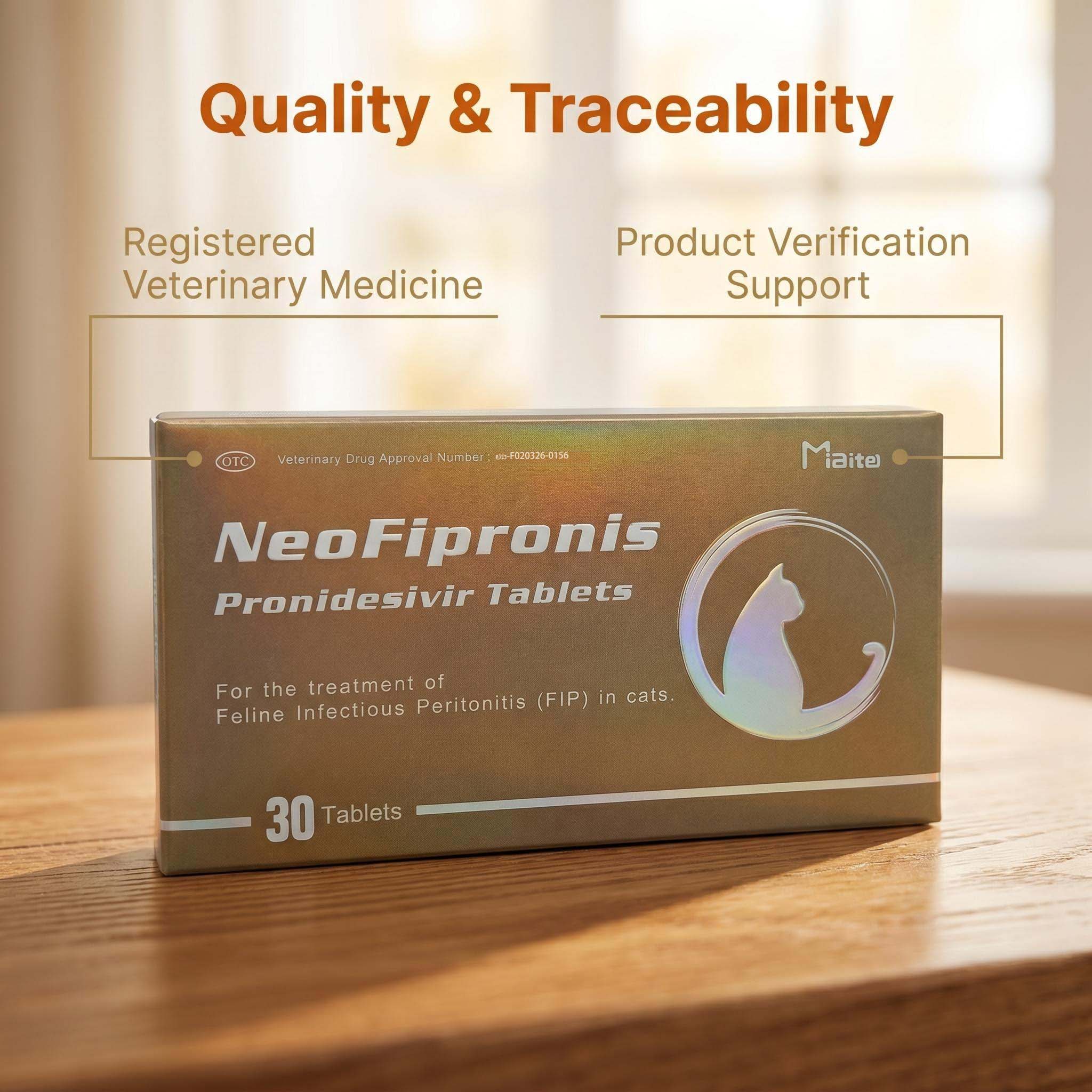
Oral FIP drugs offer several advantages. Typically, oral GS-441524 comes in tablet or capsule form, making administration at home convenient for pet owners. Oral medications are especially popular in the United States because many cats react poorly to injections, and stressful clinic visits can be avoided.
Benefits:
Easier administration at home
Lower stress for cat and caregiver
Reduced chance of injection-related complications
Challenges:
Accurate dosing can be more difficult, especially with kittens or sick cats
Medication may be spit out or vomited, reducing absorption
Some cats refuse pills, requiring creative solutions or pill pockets
Oral forms are typically given daily for periods of 12-14 weeks, depending on the severity of FIP and response to treatment. Caregivers must ensure proper dosage based on the cat’s weight and health status, ideally under the guidance of a veterinarian experienced with FIP therapy.
Injectable Medication Options for FIP
Injectable FIP therapies, usually involving GS-441524 or similar analogs dissolved in solutions for subcutaneous injection, remain the mainstay in many clinical settings. These medications deliver precise dosing directly to the body’s tissues, with less risk of underdosing due to refusal or vomiting.
Benefits:
Reliable, direct absorption
Useful for cats too ill to take oral medications
Clinicians can accurately monitor therapy delivery
Challenges:
Painful injections
Risk of injection site sores or abscesses
Requires skills in administration or professional support
Higher stress for some cats and owners
Usually, injectable therapy is administered daily, with treatment extending over several weeks as with oral medications. Some veterinarians use injectable drugs for the initial phases, then switch cats to oral forms as their health improves.
Comparing Efficacy: Oral vs Injectable FIP Medications
Multiple clinical studies and case reports have explored both oral and injectable therapies for FIP. Both forms rely on the same antiviral mechanisms, mainly inhibiting viral replication. Evidence suggests that, when dosed correctly, both oral and injectable GS-441524 yield similar cure rates, particularly for the wet FIP form.
However, differences may arise based on absorption and bioavailability. Injectable medications typically reach effective blood levels faster and without the variability associated with gastrointestinal absorption. Oral medications may have slightly lower bioavailability, but advances in formulation are narrowing this gap.
Cats presenting severe symptoms or advanced FIP may benefit from initial injectable therapy to ensure rapid action, while oral medications are often preferable for long-term maintenance or milder cases. Neurological and ocular FIP variants often require higher dosing and, consequently, careful consideration between oral and injectable options, as achieving sufficient concentrations within the affected tissues is crucial.
Adverse Effects and Safety Considerations
Both oral and injectable medications have potential adverse effects, though their risk profiles differ:
Oral Therapy Risks:
Gastrointestinal upset (vomiting, diarrhea)
Incomplete dosing due to refusal
Allergic reactions (rare)
Injectable Therapy Risks:
Injection site reactions (pain, swelling, necrosis)
Systemic effects (lethargy, fever)
Increased risk of dosing errors if not administered correctly
Proper training for administering injections is essential, and close monitoring of the cat can mitigate many risks. Oral therapy generally has a lower risk of causing stress, but correct dosing and observation for any GI side effects are crucial.
Dosing, Monitoring, and Compliance
Dosing for FIP antiviral therapy is weight-dependent, requiring regular adjustments as a sick cat regains health and weight. Both oral and injectable regimens often require daily doses for up to 12-14 weeks. Consistent monitoring through bloodwork (CBC, chemistry, and protein levels) remains vital to gauge treatment efficacy and adjust dosages.
Owners must be diligent with oral therapy to avoid missed or partial doses, while injectable therapy warrants attention to technique and site rotation. Compliance can dramatically affect outcomes, making education and support essential.
Veterinarians typically recommend periodic rechecks throughout medication administration, regardless of the chosen method. Following completion of therapy, additional monitoring helps detect potential relapses or complications and supports ongoing health.
Cost Comparison and Accessibility
One major factor influencing the choice between oral and injectable medication for FIP is cost. Injectable medications often carry higher initial prices due to compounding and distribution barriers. Oral medications, while usually more accessible in the gray market, can sometimes be purchased at a lower price point, though the difference is narrowing as both methods gain popularity.
Accessibility issues also arise from geographical differences, regulations, and logistical challenges in sourcing legitimate, high-quality medication. In the United States, most FIP medications are not FDA-approved, requiring pet owners to seek reliable sources with proven safety and effectiveness.
Some rescue groups and online forums have begun organizing support networks for owners navigating FIP therapy. These groups supply guidance on medication sourcing, administration, side-effect management, and emotional support throughout the treatment process.
Choosing What's Best for Your Cat: Factors to Consider
Deciding between oral and injectable medication requires consideration of multiple factors:
Cat’s health status:
Severely ill or neurologically affected cats may require injectable therapy for faster, more consistent results.
Stable cats with dry FIP might thrive with oral medication.
Owner’s abilities and preferences:
Comfort with giving injections versus oral medication
Willingness to bear higher costs or handle frequent veterinary visits
Medication availability:
Regional access to quality drugs
Legal considerations for obtaining antiviral compounds
Support from veterinarians:
Expertise in guiding therapy
Willingness to assist with monitoring and follow-up
Each option involves trade-offs. By weighing cat welfare, caregiver resources, and available medication, optimal treatment plans can be crafted in partnership with experienced veterinarians.
Practical Tips for Successful FIP Therapy
Regardless of the method chosen, the following tips may dramatically improve the outcomes for cats undergoing FIP treatment:
Work closely with a knowledgeable veterinarian:
Regular assessment and rechecks
Blood tests to track therapy progress
Educate yourself:
Read up on FIP therapy protocols
Seek support from reputable online and local support groups
Maintain excellent record-keeping:
Document doses, side effects, and your cat’s physical changes
Share records with your veterinary team
Monitor your cat daily:
Watch for signs of improvement or worsening
Adjust dosing as needed under veterinary supervision
Prioritize stress reduction:
Use techniques to calm your cat during medication administration
Employ positive reinforcement and gentle handling
With careful planning and collaboration, cats with FIP have a real chance at recovery thanks to these modern antiviral treatments.
Recent Developments and Future Directions
The field of FIP therapy is evolving quickly. Ongoing clinical trials and pharmaceutical research continue to refine both oral and injectable antiviral compounds. Next-generation drugs may eventually gain official approval for use, increasing safety, reliability, and accessibility.
Combining therapies, such as antiviral drugs with immune modulators, offers intriguing possibilities. As research continues and medications become more widely available, the distinction between oral and injectable forms may erode further, allowing for truly individualized therapeutic approaches.
References
Crawford, C., et al. "Antiviral therapy for Feline Infectious Peritonitis." Journal of Feline Medicine and Surgery
Pedersen, N. "Feline Infectious Peritonitis: An overview." Veterinary Medicine and Science
Addie, D., et al. "Feline Coronavirus and FIP: Pathogenesis and treatment." Feline Medicine Review
Dickinson, P. J., et al. "GS-441524 and the treatment of FIP in cats." Veterinary Journal
Hartmann, K., et al. "Diagnosis and management of feline infectious peritonitis." Veterinary Clinics of North America: Small Animal Practice
Murphy, B. G., "Pharmacokinetics and efficacy of GS-441524 in cats with FIP." Journal of the American Veterinary Medical Association
Felten, S., et al. "Immunology of FIP: Updates and implications." Feline Health Research
Mohamed, N.A., "FIP antiviral therapy: oral vs injectable options." International Journal of Veterinary Pharmacology