What to Do if a Cat Vomits After Taking FIP Medication
Feline Infectious Peritonitis (FIP) is a devastating viral disease affecting cats worldwide. Caused by a mutated form of the feline coronavirus, FIP often strikes young cats or those living in multi-cat environments. In recent years, promising antiviral therapies have emerged, offering hope to pet owners. However, administering medication may pose challenges, including gastrointestinal side effects like vomiting. Cat owners commonly report concerns when their feline companions vomit after receiving FIP treatments. Understanding why this happens and how to address it can make a difference in treatment success and your cat’s wellbeing.
Understanding FIP and Its Medication Side Effects
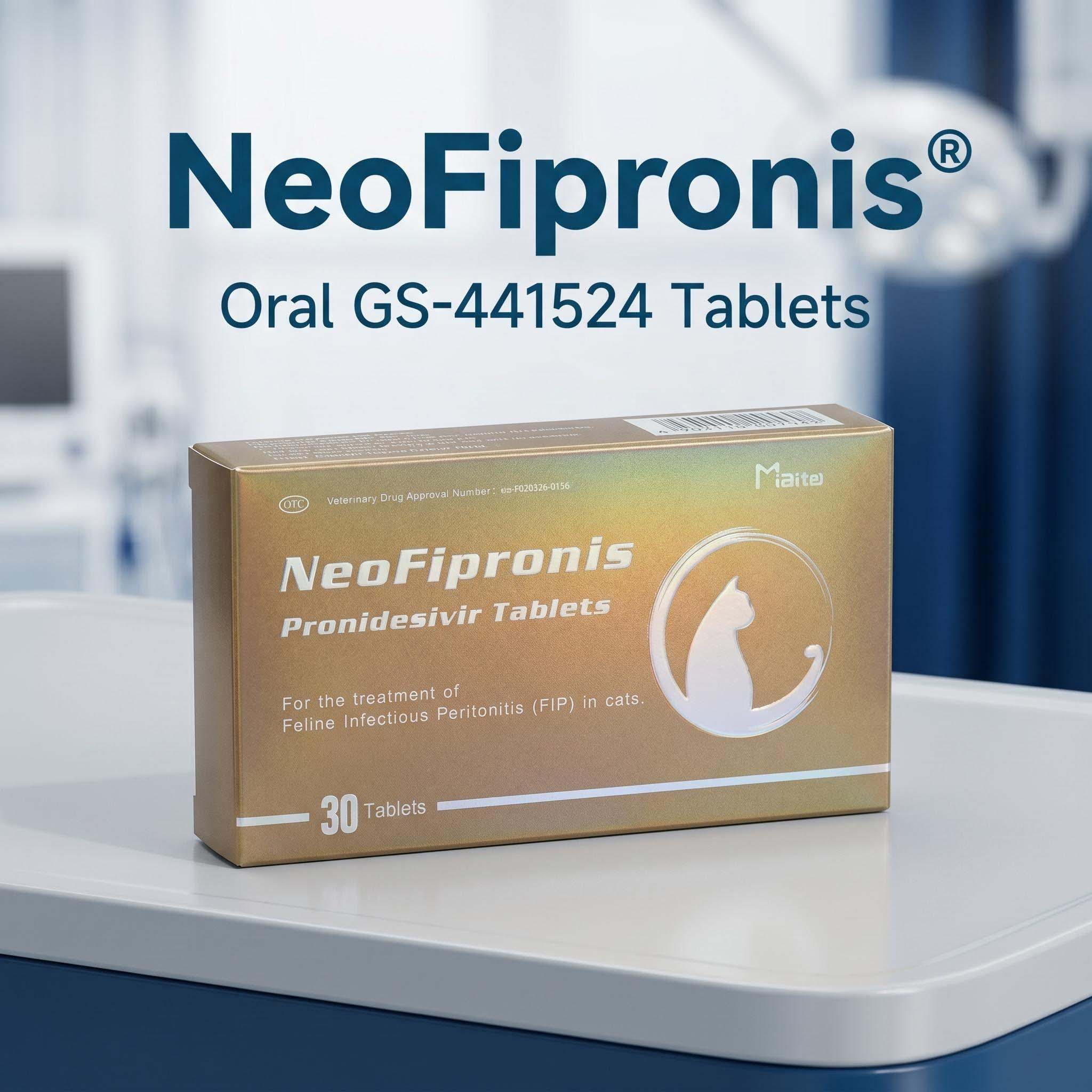
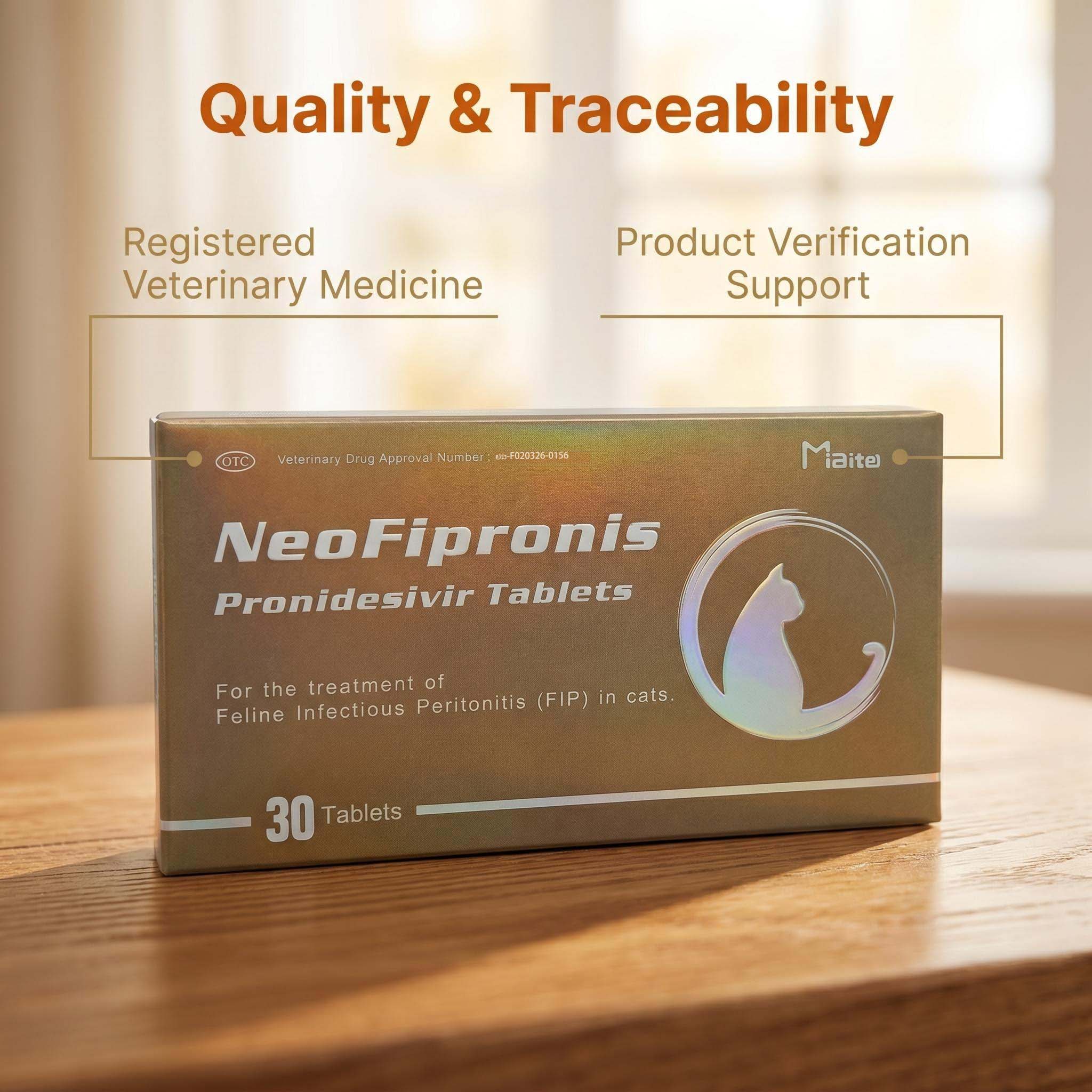
FIP treatment has been revolutionized by antiviral drugs, such as GS-441524 and remdesivir-based formulations. These drugs aim to inhibit viral replication, giving infected cats a fighting chance. The mode of administration is usually via oral tablets or injectable solutions, depending on veterinary recommendations.
Like many potent medications, FIP drugs may cause side effects. Vomiting is one of the most frequently reported adverse reactions. It can range from mild to severe and may occur shortly after dosing or within a few hours. The reasons for vomiting can vary, including the bitter taste of the medicine, irritation of the stomach lining, or individual sensitivity.
Vomiting poses a significant problem: active drug components may not be absorbed, reducing treatment efficacy. Persistent vomiting can lead to dehydration, electrolyte imbalances, and further weakening of your cat’s immune response.
Why Do Cats Vomit After Taking FIP Medication?
Bitter Taste or Odor: Some FIP medications have a strong bitter taste or smell, which can trigger a nausea reflex in cats. Cats are sensitive to bitterness, making them more likely to vomit if the medicine is unpalatable.
Stomach Irritation: Antiviral medication may irritate the gastric lining, especially if administered on an empty stomach.
Individual Sensitivity: Cats metabolize drugs differently. Some cats have sensitive stomachs or underlying conditions, like pancreatitis, that can increase the likelihood of vomiting.
Incorrect Dosing or Administration Method: Too large a dose at once or improper administration technique (such as rapid oral dosing) can contribute to gastric upset.
Anxiety or Stress: Cats already feeling unwell or stressed may be more susceptible to vomiting during treatment.
Immediate Steps If Your Cat Vomits After FIP Medication
Assess the Situation: Did your cat vomit just after receiving the medication or several hours later? If vomiting occurs within 15–30 minutes, much of the medicine may not have been absorbed. Multiple vomiting episodes suggest severe intolerance and require prompt veterinary attention.
Check for Dehydration: Examine your cat for signs of dehydration, such as skin tenting or dry gums. If dehydration is present, veterinary support is needed.
Monitor Other Symptoms: Pay attention to additional symptoms—persistent diarrhea, lethargy, refusal to eat, or changes in behavior. These may indicate a serious reaction.
Do Not Re-dose Without Veterinary Advice: Never double dose or immediately re-administer medication without consulting your vet. Overdosing may lead to toxicity.
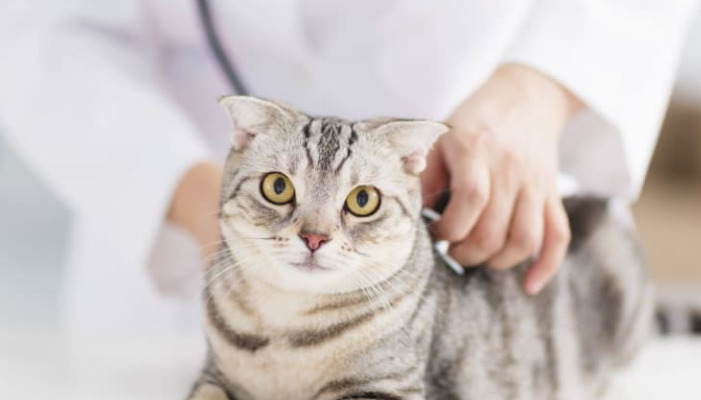
Contact Your Veterinarian: Communicate what happened, including timing, dosage, and visible symptoms. Your vet can advise whether to re-dose, adjust the treatment plan, change the medication form, or provide supportive therapy.
Supporting Your Cat During FIP Treatment
Minimize Stress When Medicating: Calm your cat by gently wrapping them in a towel or using positive reinforcement. Avoid forceful restraint.
Administer Medication With Food (If Vet-Approved): Pairing oral medications with a small treat or meal may reduce gastric irritation and mask bitter flavors. Always verify with your vet, as some medications need an empty stomach for optimal absorption.
Try Medication Alternatives: If oral medication consistently leads to vomiting, ask your veterinarian about switching to injectables or alternative drugs with fewer gastrointestinal effects.
Anti-Nausea Medications: In some cases, your vet may prescribe antiemetics (nausea-reducing drugs) like maropitant (Cerenia) or ondansetron to help your cat tolerate treatment.
When to Seek Emergency Care
While occasional vomiting may not be life-threatening, certain scenarios demand urgent attention:
Repeated Vomiting: More than three times in one day or within an hour of dosing.
Blood in Vomit: Indicates possible injury to the stomach or severe irritation.
Collapse or Severe Lethargy: Suggests systemic illness requiring immediate care.
No Urination or Defecation for 24 Hours: May signal dehydration or kidney trouble.
If any of these symptoms occur, transport your cat to a veterinary emergency clinic.
Practical Tips for Easier Medication Administration
Compounding Medication Flavor: Veterinary pharmacists can sometimes compound antiviral medicines into a more palatable form using fish or chicken flavor. Always check efficacy and stability of the drug.
Use Pill Pockets or Gel Capsules: Conceal tablets in pill pockets designed for cats, or ask if the medication can be put in an inert gel capsule to minimize taste.
Gentle Oral Syringe Technique: For liquid medications, use a syringe to squirt medicine slowly inside the cheek pouch, avoiding contact with the tongue for bitter drugs.
Positive Reinforcement: Follow each dose with gentle praise, petting, or a treat to reduce stress.
Long-Term Management and Monitoring
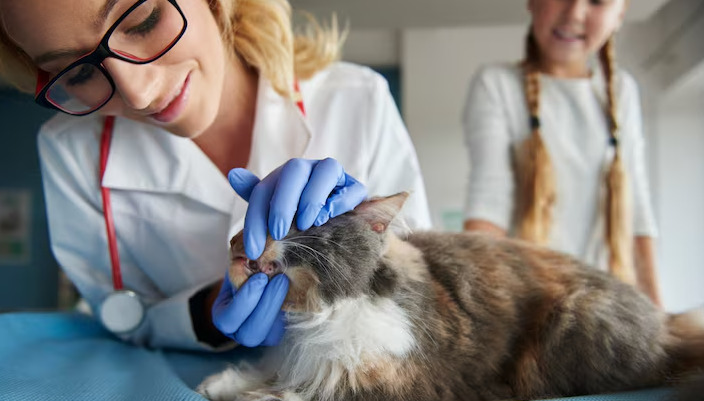
Regular Check-Ups: Frequent veterinary check-ins allow dosage adjustments, monitoring drug side effects, and assessing overall progress. Bloodwork may be needed to spot any underlying metabolic changes.
Tracking Symptoms: Maintain a daily journal of medication administration, side effects, and appetite—provide this to your veterinarian at each visit.
Supportive Care: Ensure your cat remains hydrated and maintains a healthy caloric intake. High-calorie recovery diets may aid in healing and help cats cope with GI stress.
Alternatives in Treatment Protocol
Adjusting Dosage: Cats with lower-than-average body weight or those experiencing severe side effects may benefit from a dosage adjustment. Only do this under veterinary supervision.
Switching Medication Forms: Injectable FIP drugs tend to cause fewer GI issues in some cats. If tolerated, they may be preferable. However, injections can be uncomfortable or cause local reactions.
Adjunct Therapies: Supportive medications, such as appetite stimulants or probiotics, may decrease vomiting incidence.
Prevention Strategies
Pre-Medication Assessment: If your cat has a known history of GI sensitivity (e.g. chronic vomiting, IBD), alert your vet before starting FIP medication.
Baseline Blood Work: Checking kidney and liver function before and during treatment helps anticipate adverse reactions.
Gradual Dose Increases: Some protocols use incremental dosing to help cats adjust to antivirals with fewer side effects.
Addressing Common Concerns and Misconceptions
Misinformation abounds regarding FIP treatments. Some myths include:
"Vomiting always means the treatment isn't working." Not necessarily; mild vomiting may simply indicate an adjustment phase.
"Cats must fast before medication." Only follow vet instructions, as some drugs require food intake.
"All FIP drugs cause severe side effects." Side effects vary widely; consult your vet on expected outcomes.
The Role of the Vet in Managing Side Effects
A proactive, communicative relationship with your veterinarian is paramount. Vets can guide you through alternative protocols, manage side effects, and offer holistic support like nutritional counseling. If side effects persist, your vet may recommend hospitalization and intravenous support to stabilize your cat.
Support Systems for Owners
FIP treatment can be emotionally and financially taxing. Support groups for FIP caregivers provide crucial advice, emotional support, and shared experiences. Online forums, social media groups, and local pet clubs often host helpful resources and stories that shed light on success strategies for medication tolerance.
Special Considerations for Multi-Cat Households
If you own multiple cats, quarantine protocols during FIP treatment help avoid cross-contamination. Monitor other cats for potential GI symptoms and stress—stressful environments can exacerbate digestive upset in susceptible animals.
Research Developments and Promising Trends
Recent studies indicate that phased dosing, tailored diet plans, and adjunctive therapies may improve drug tolerance in cats with FIP. Clinical trials continue to expand, leading to newer drug formulations with better taste profiles, improved absorption, and reduced adverse reactions.
In veterinary medicine, personalized care determines outcomes as much as pharmaceutical advances. Working closely with your vet, you can navigate the challenge of medication-induced vomiting, optimize your cat’s response to FIP therapies, and ensure the best possible quality of life for your companion.
References
Pedersen, N.C. (2019). The History and Impact of GS-441524 in Treating FIP.
Addie, D.D. (2020). Management of FIP: Clinical Experience and Protocols.
Dickson, J.L., et al. (2021). Gastrointestinal Side Effects of Antiviral Drugs in Cats.
American Association of Feline Practitioners. Feline Infectious Peritonitis Guidelines.
Sparkes, A.H., et al. (2018). Supportive Care in Feline Infectious Disease.
Munn, K. (2021). Managing Pill Aversion in Cats: Techniques and Tricks.
Hartmann, K. (2018). Advances in FIP Treatment Protocols.