Why Consistency Is Important in FIP Medication
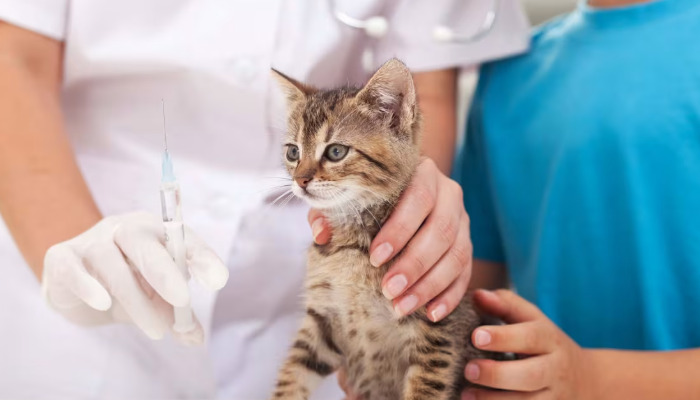
Feline Infectious Peritonitis (FIP) is one of the most dreaded diagnoses among cat owners and veterinarians. Once considered a death sentence, recent advancements in antiviral medications have transformed the outlook for many affected cats. Treatments such as GS-441524 and related therapies have given families hope where little existed before. However, alongside this hope comes the need for diligence and discipline. When it comes to fighting FIP, consistency in medication—timing, dosage, and administration—is crucial. Understanding why consistency matters and how to build a routine can empower cat owners to give their pets the best possible chance at recovery.
Understanding FIP and Its Mechanisms
FIP is caused by a mutation of the feline coronavirus (FCoV). While most forms of FCoV are benign and live harmlessly in the intestines, the mutated version replicates in white blood cells and spreads throughout the body, causing widespread inflammation. The disease exists in two primary forms: the "wet" (effusive) version, involving fluid accumulation in the abdomen or chest, and the "dry" (non-effusive) version, marked by granulomas in different organs. Both varieties trigger severe systemic illnesses that progress rapidly without intervention.
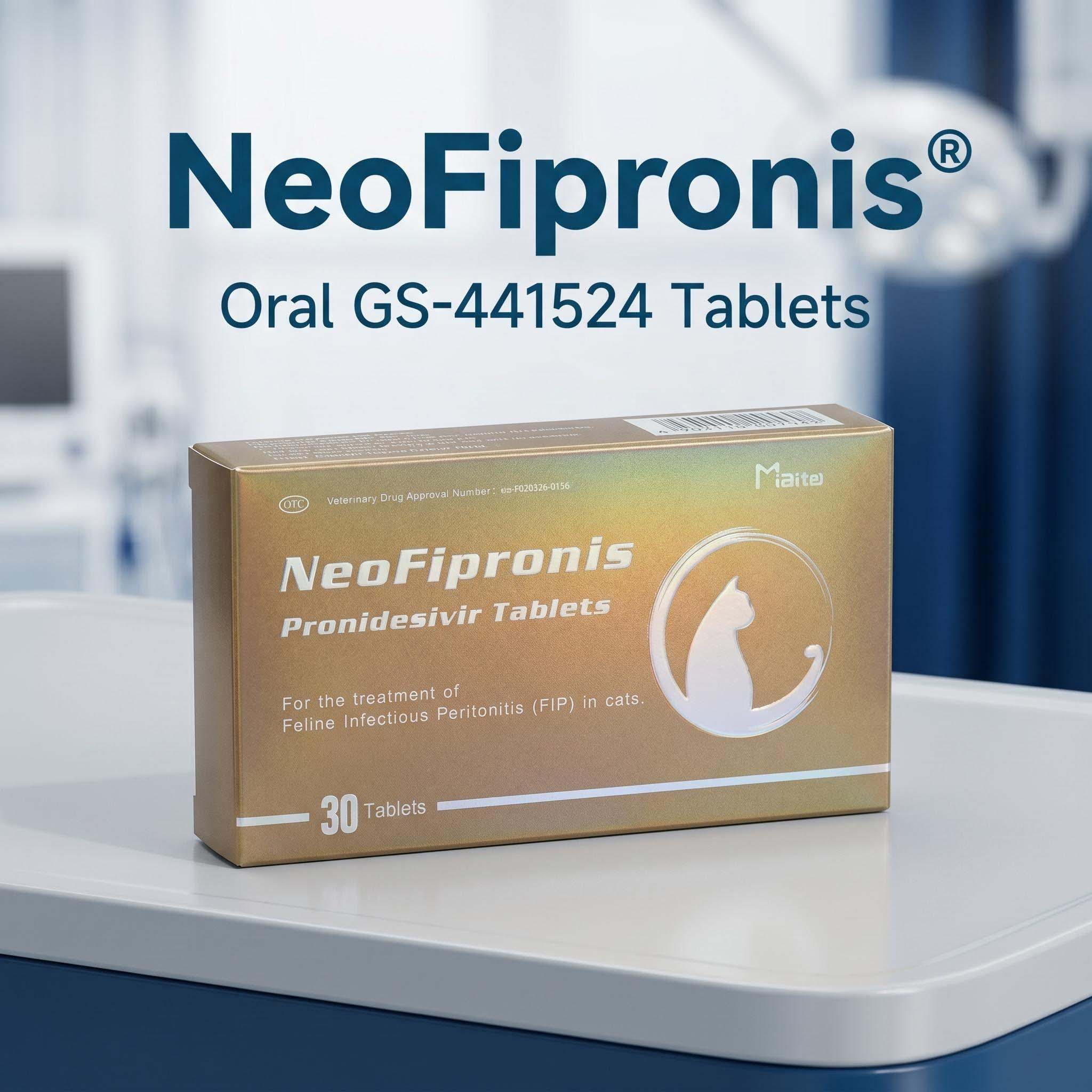
The use of antiviral medications like GS-441524 targets this process by inhibiting the replication of the virus at the cellular level. These drugs usually require precise, daily administration over a minimum of 12 weeks. Any deviations can jeopardize the treatment’s effectiveness, highlighting the importance of unwavering consistency.
Why Is Consistency Key in FIP Treatment?
1. Maintaining Therapeutic Drug Levels
The success of FIP treatment hinges on sustained levels of medication in a cat’s bloodstream. Like many antivirals, GS-441524 must be present at consistent concentrations to halt viral replication. Missing a dose, providing too little, or not spacing treatments correctly allows the virus to regain strength, which can lead to setbacks or even relapse. Incomplete suppression enables the virus to potentially mutate further, which may increase the risk of drug resistance.
2. Preventing Viral Resistance
Irregular dosing is one of the primary contributors to antiviral resistance, not just in FIP but in human and veterinary medicine alike. When medication levels dip below the therapeutic threshold, some viruses may survive and reproduce, even in the presence of the drug. This situation paves the way for resistant strains that no longer respond to formerly effective treatments. Consistent treatment dramatically lowers this risk by maintaining an environment hostile to the virus at all times.
3. Ensuring Accurate Evaluation of Progress
Effective FIP therapy requires close monitoring—regular weight checks, bloodwork, and observation of clinical signs. If doses are missed or administered sporadically, it becomes challenging for veterinarians to distinguish between true drug failure, normal recovery fluctuations, or issues arising from inconsistent therapy. Adhering to a regular medication schedule ensures any changes in the cat’s health are due to the disease itself or a true treatment failure, not inconsistent medication.
4. Building Immune Confidence
Cats suffering from FIP are immunologically fragile. The viral mutation not only hampers their immune system but also triggers harmful immune responses, such as persistent fever or organ inflammation. Consistent medication reduces viral load and eases immune system strain, giving the cat’s body a better chance to heal. Gaps in treatment, even brief, can prompt a resurgence in viral activity, restarting damaging immune reactions and potentially undoing weeks of progress.
5. Reducing Psychological Stress for Cat and Owner
Routine has psychological benefits. Cats, sensitive creatures by nature, quickly adapt to daily patterns. When medication is given at the same time every day, it becomes less stressful for both cat and owner. Owners can prepare, minimize resistance, and monitor for side effects consistently. This routine reduces the chances of missed or double dosages and provides peace of mind to caregivers during a challenging time.
Barriers to Consistency: Recognizing and Addressing Challenges
Several real-world challenges can disrupt a consistent medication schedule: demanding work routines, family obligations, medication costs, or difficulty in restraining a frightened or painful cat. Addressing these barriers takes creativity, planning, and sometimes a bit of outside help.
Time Management: Using alarms, pill-dispensing reminders, or smartphone apps can ensure treatments are never missed. Some owners choose to involve other family members, with clear written schedules, to share responsibilities.
Financial Concerns: The high cost of FIP medications can tempt some owners to stretch doses or skip days to save money. While understandable, this approach ultimately endangers the cat. Speaking openly with veterinarians about cost constraints may reveal sources of discounted medication or creative payment plans.
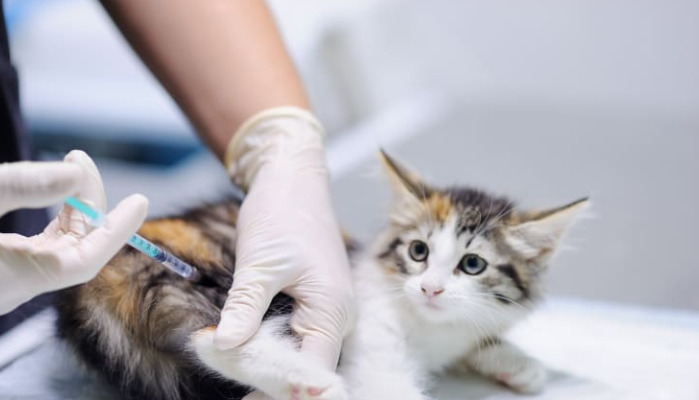
Cat Aversion: Many FIP treatments require injections, which may be painful or frightening for cats. Careful, gentle restraint, treats, and even temporary mild sedation (under veterinary supervision) are sometimes necessary for particularly stressed animals. Over time, most cats and their owners settle into a manageable routine.
Optimizing the Treatment Routine for Success
A clear treatment plan greatly increases the likelihood of consistent and effective FIP therapy. Some key strategies include:
Establish a Set Time and Place: Administer medication in the same quiet room at the same hour every day, ideally matching the cat’s natural rhythms (such as after feeding).
Track Doses Visibly: Use calendars, medication charts, or checklists on the refrigerator. Checking off each dose helps multiple caregivers stay coordinated.
Monitor for Side Effects: Promptly note adverse reactions, but do not skip doses without veterinary guidance unless in cases of severe reaction.
Schedule Regular Follow-Ups: Consistent lab checks (e.g., complete blood counts, organ enzyme levels) every 4-6 weeks catch complications early and encourage adherence.
Celebrate Milestones: FIP treatment is a marathon, not a sprint. Mark each week of successful therapy, and reward both the cat and yourself with something positive—a special treat for your pet, or a favorite beverage for you.
Long-Term Benefits: Giving Cats the Chance to Thrive
Consistent medication schedules do more than increase the odds of survival. Emerging evidence suggests that cats treated in this manner achieve higher remission rates and lower relapse rates. They are more likely to enjoy a full recovery with minimal long-term side effects, and owners report better quality of life during and after treatment.
Data from clinical studies of GS-441524 in both experimentally and naturally infected cats supports these claims. Among cats who completed a full, uninterrupted course of therapy, over 80% achieved sustained remission, compared to less than 50% for those with gaps in care. These statistics underscore the dramatic impact of consistency—not just in life-or-death terms, but in the everyday comfort and well-being of cherished pets.
Navigating Medication Transitions or End of Treatment
FIP medications are powerful tools, but many come with specific protocols for tapering or ceasing treatment. Sudden withdrawal, dose changes, or switching brands without proper overlap can spark new flare-ups. Veterinarians may recommend reducing the drug very gradually over several weeks, observing the cat for any return of symptoms. Documentation and adherence are critical, even during these transition periods.
Owners should remember that any apparent setbacks—such as fever recurrence, weight loss, or behavioral change—require immediate veterinary attention. Transparent communication with the treating team ensures prompt adjustments or interventions.
The Role of the Care Team: It Takes a Village
Consistency is seldom achieved in isolation. Veterinarians, veterinary technicians, family members, and sometimes pet sitters all play a role. Bringing everyone into the loop means fewer gaps, fewer misunderstandings, and more emotional support for both the cat and the primary caregiver. Owners should not hesitate to ask for help or divide tasks to ensure steady, reliable therapy.
Real-Life Success Stories
Many cats have overcome FIP thanks to steadfast commitment from their families. Accounts abound of previously emaciated, listless cats regaining full health after months of dedicated, daily injections. Such stories inspire hope and reinforce the message: Each dose matters, every day counts, and even challenging routines become second nature with time and persistence.
Key Takeaways for Cat Owners
FIP is treatable, but only with disciplined, daily care.
Inconsistency undermines progress and risks viral resistance or relapse.
Practical strategies and emotional support can overcome almost all barriers.
Teamwork, organization, and celebration of small wins keep morale high.
Throughout the long, exhausting journey of FIP treatment, consistency is the best gift cat owners can give—unlocking the potential for healing and reunions that once seemed impossible.
References
1. Pedersen, N.C. "The History of Feline Infectious Peritonitis: 1963–2008." Journal of Feline Medicine and Surgery.
2. Pedersen, N.C., et al. "Efficacy and safety of the nucleoside analog GS-441524 for treatment of cats with naturally occurring feline infectious peritonitis." Journal of Feline Medicine and Surgery.
3. Murphy, B.G., et al. "The pathogenesis of feline infectious peritonitis." Veterinary Microbiology.
4. Chang, H.W., et al. "Antiviral therapy in cats with naturally acquired FIP: Case report and review." Veterinary Sciences.
5. Norris, J.M., et al. "Feline infectious peritonitis: current perspectives." The Veterinary Journal.
6. Kipar, A., & Meli, M.L. "Feline infectious peritonitis: Still an enigma?" Veterinary Pathology.
7. Addie, D.D., et al. "Guidelines for the diagnosis and management of feline infectious peritonitis." Journal of Feline Medicine and Surgery.
8. Hartmann, K. "Feline infectious peritonitis." Veterinary Clinics of North America: Small Animal Practice.