How Long Does FIP Medication Treatment Usually Last
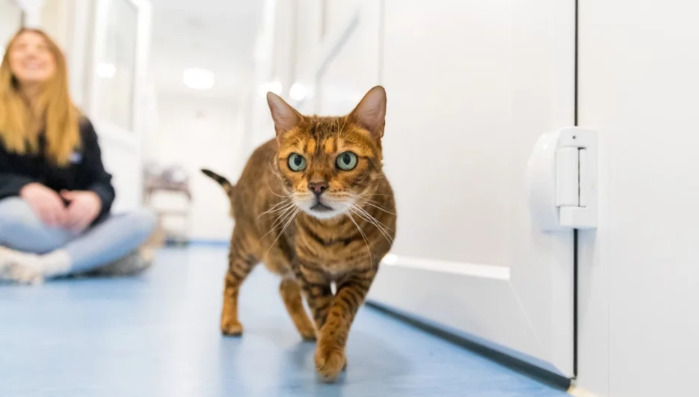
Feline Infectious Peritonitis (FIP) is one of the most challenging diseases affecting cats, causing confusion and worry among pet owners and veterinarians alike. As new medications have emerged, the treatment landscape has changed significantly, bringing hope where there was once little. Understanding the duration and process of FIP medication treatment is crucial for caregivers seeking a path toward recovery.
What Is FIP?
FIP is a viral disease caused by a mutated form of a common feline coronavirus. While the coronavirus usually induces mild gastrointestinal symptoms, mutation can lead to FIP, an aggressive illness involving widespread inflammation. FIP develops in two forms: “wet” (effusive), featuring fluid accumulation in body cavities, and “dry” (non-effusive), marked by granuloma formation in organs. The course is typically rapid unless intervention is initiated.
Evolution of FIP Treatments
Historically, FIP was considered universally fatal, with only supportive care available. However, in recent years, antiviral therapies specifically targeting the mutated virus have become available, most notably drugs like GS-441524 and a related compound remdesivir. These innovations have shifted the treatment paradigm, allowing for actual viral suppression and recovery in many cases.
Current Medications and Availability
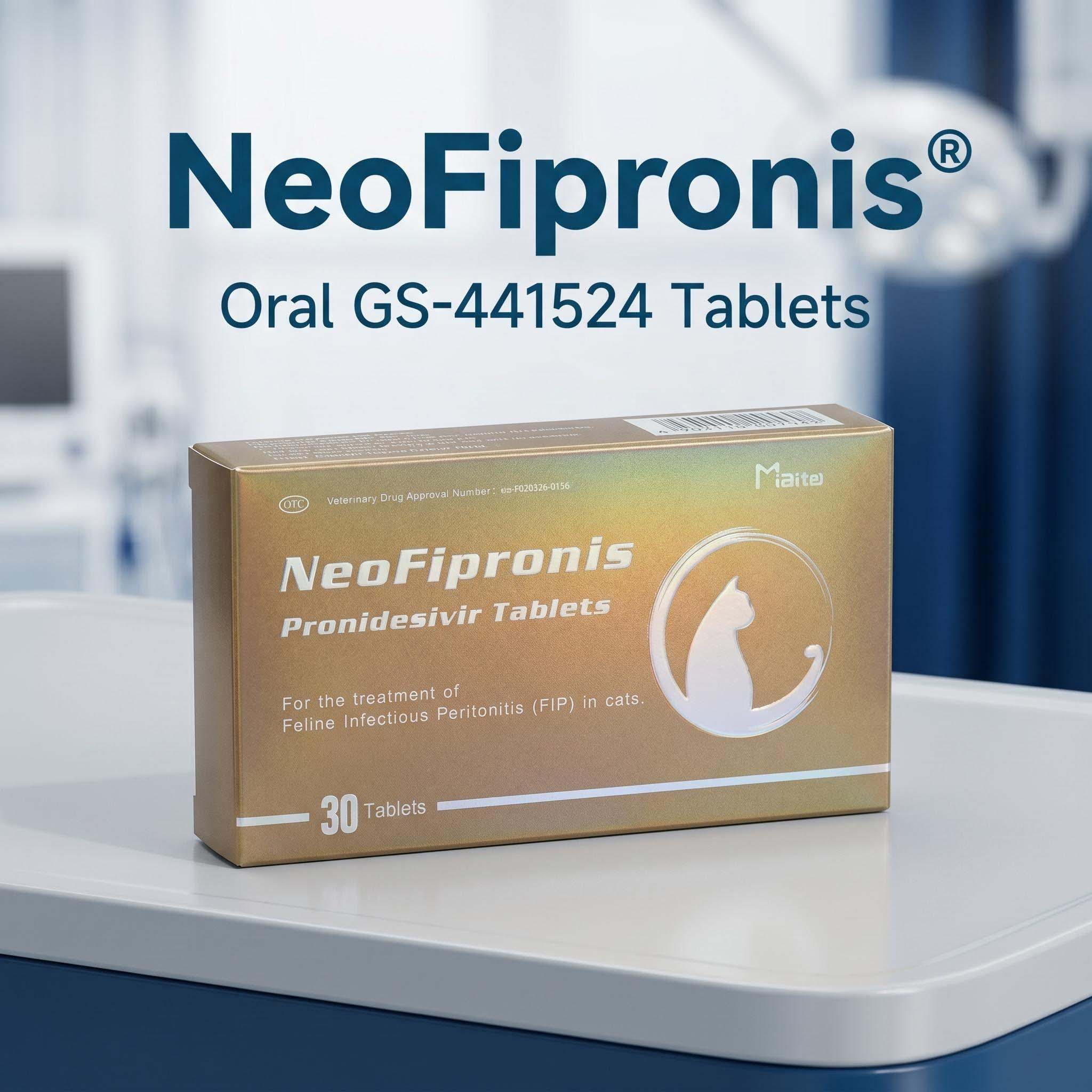
GS-441524 has become the primary medication for treating FIP in cats, although it lacks FDA approval in the United States as of 2024. Some veterinarians and caregivers access it through unofficial channels due to high demand and promising results from international studies. Remdesivir, developed for use in humans during the COVID-19 pandemic, is structurally similar and may be used in some cases.
The typical medication comes in injectable and oral forms, affecting dosing protocols and duration. Veterinarians may make case-by-case decisions depending on a cat’s FIP presentation, overall health, and access to medications.
The Standard Duration of Treatment
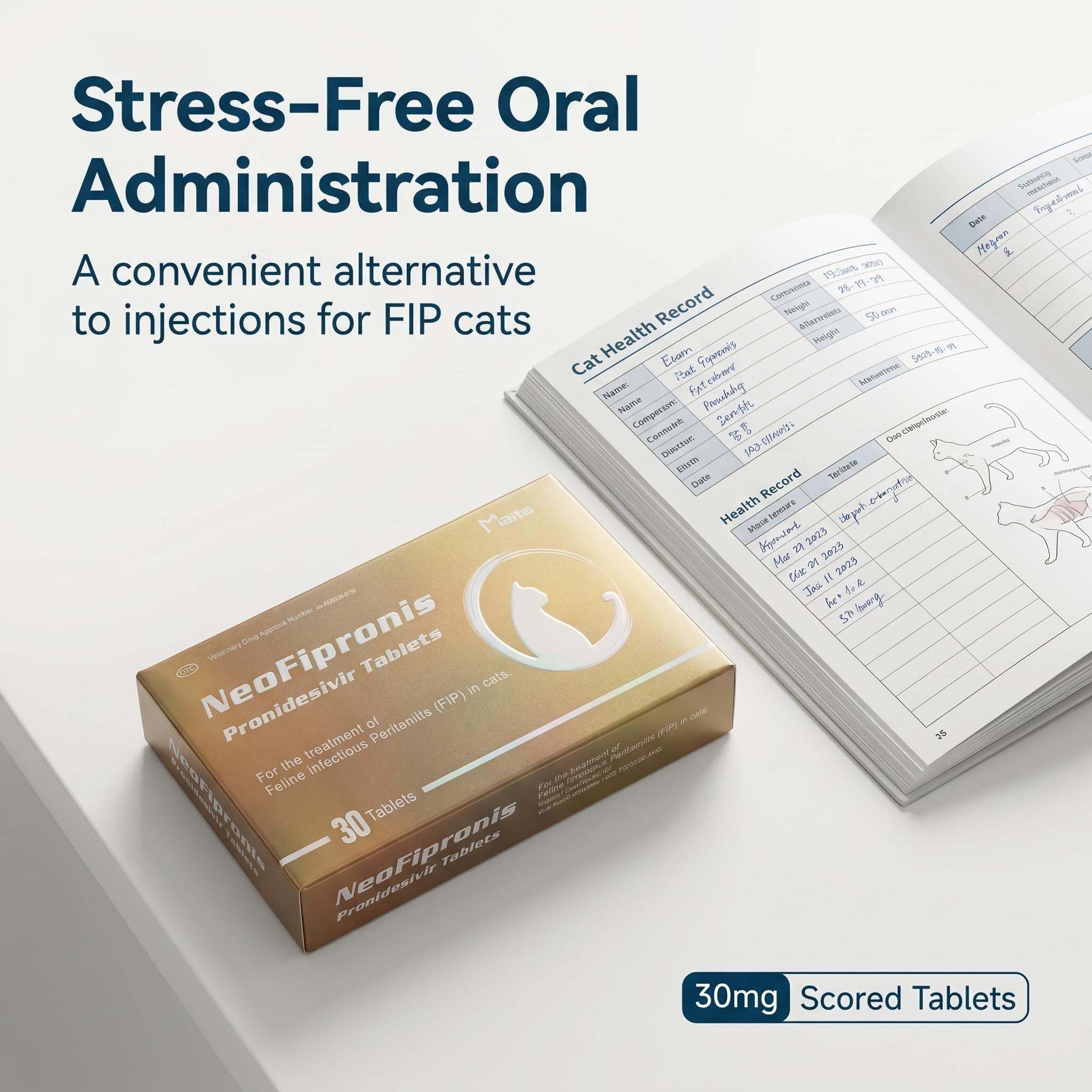
Most successful FIP medication regimens—especially those utilizing GS-441524—last about 12 weeks (or 84 days). This treatment period has become a global standard due to positive outcomes observed in clinical practice and research. Throughout these weeks, the medication is typically administered once daily either via subcutaneous injection or as an oral tablet.
Some cats may require a slightly longer therapy period (14 to 16 weeks), especially if there are complications, slow response, neurologic involvement, or persistent laboratory abnormalities. Rarely, shorter durations are considered, but they run a higher risk of relapse.
Week-by-Week Breakdown
A usual 12-week medication course includes:
Weeks 1-4: The cat is closely monitored for rapid clinical improvement after starting therapy. Owners report improvements in appetite, energy, and reduction of effusions or neurologic signs.
Weeks 5-8: Signs resolve further; periodic blood tests are mandatory to assess anemia, liver enzymes, protein levels, and response.
Weeks 9-12: Continued medication consolidates viral suppression, minimizing risk of relapse. Laboratory tests should show normalization.
Cats with extra complications, such as neurological or ocular involvement, may require higher doses or extended durations, potentially up to 16 weeks.
Monitoring During Treatment
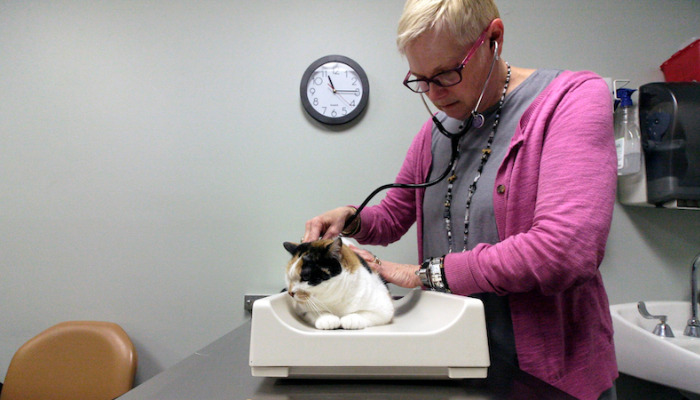
Regular monitoring throughout the medication regimen is vital. Blood tests (CBC, chemistry panels), ultrasound scans, and physical exams help determine medication efficacy and possible side effects. If abnormalities persist at week 12, therapy may be extended until full resolution.
What Influences Treatment Duration?
Several factors shape the length of FIP treatment:
FIP Type: “Wet” forms often respond faster, while “dry,” especially those with neurologic involvement, need longer or higher-dose regimens.
Initial Severity: Critically ill cats or those with multi-organ involvement might need more time for complete viral clearance.
Response Rate: If a cat responds slowly, veterinarians may extend the medication course by 2–4 weeks.
Lab Results: Persistently abnormal values support longer treatment.
Relapse Risk: Relapses post-treatment, though uncommon, justify additional or repeated courses.
Ending Medication and Post-Treatment Care
Discontinuing FIP medication is recommended only after clinical remission and normalized lab results. Upon completion of therapy, cats are observed for another 2–3 months for relapse signs. Relapses are most common within the first four weeks after stopping treatment, so ongoing vigilance is vital.
If relapse occurs, another course of the medication may be prescribed. In most cases, cats who relapse respond well to a second treatment regimen.
Long-Term Prognosis
With proper medication and adequate monitoring, survival rates have dramatically increased. A majority of treated cats live healthy lives post-recovery. Sustained remission is defined by three to six months of no symptoms and stable laboratory findings after completing medication.
Supportive and Adjunctive Therapies
While specific antiviral drugs are central, supportive care ties directly into outcomes. Nutritional support, fluid therapy, anti-inflammatories, and management of complications (such as seizures in neurologic FIP) may accompany medication. These do not influence the antiviral medication’s duration but may impact a cat’s overall recovery trajectory.
Challenges in Treatment
Even with effective antivirals, challenges remain:
Access: In the U.S., many caregivers must source GS-441524 through unofficial means, leading to variability in dosing and quality.
Cost: Treatment is expensive, often exceeding $3000 for a full course.
Compliance: Daily injections or pills for twelve weeks require strict adherence.
Adverse Effects: Injection site reactions, gastrointestinal upset, and other side effects may arise. Rarely, dose adjustments are necessary.
Emotional Toll: The lengthy and burdensome process weighs heavily on pet owners.
Importance of Early Intervention
Studies have demonstrated that cats who begin medication soon after symptoms manifest have better outcomes and shorter recovery periods. This pattern reinforces the importance of prompt veterinary evaluation and diagnosis.
Special Considerations for Neurologic and Ocular FIP
Cases involving the brain or eyes are considerably harder to treat. Higher doses (up to twice standard) and longer courses (sometimes 16 weeks or more) are recommended. Dosing protocols are evolving as research continues, but many such cases achieve remission.
Future Directions
Research on FIP and antiviral medications continues to progress. New drugs and combination therapies may further improve efficacy and safety, potentially shortening treatment duration in the future. FDA approval for GS-441524 or similar compounds could streamline access and standardize care, reducing negative outcomes linked to improvised protocols.
Summary Table: FIP Medication Duration
| FIP Type | Typical Duration | Extended Duration | Notes |
||-|||
| Wet (Effusive) | 12 weeks | Up to 14–16 weeks for slow response | Often responds quickly |
| Dry (Non-Effusive) | 12 weeks | Up to 16 weeks for complications | May need longer for full remission |
| Neurologic/Ocular | 12–16 weeks | Up to 20 weeks for severe cases | Requires higher doses |
Recovery Timeline at a Glance
Initial improvement: 3–14 days after starting medication
Complete clinical remission: By week 6–12
End of medication: Week 12 (or longer for severe cases)
Surveillance period: 8–12 weeks post-treatment
Conclusion: Optimism Grounded in Science
Modern antiviral therapies have transformed FIP from a fatal disease to a treatable one. A standard medication course typically lasts 12 weeks, though individual variations may extend this to 14 or 16 weeks. Consistent monitoring, timely intervention, and strict adherence to medication protocols maximize the chance of permanent remission. Continued advancements and wider drug approvals offer hope for even better outcomes and shorter, safer treatment courses for all cats affected by FIP.
References
Pedersen NC. “Antiviral Therapy of Feline Infectious Peritonitis.” Veterinary Clinics of North America: Small Animal Practice, 2020.
Jones S, Evans S, “GS-441524 Treatment Outcomes in Cats with Feline Infectious Peritonitis,” Journal of Feline Medicine and Surgery, 2023.
Dickerson P, “Feline Infectious Peritonitis: Diagnosis and Management,” Veterinary Medicine, 2022.
Addie D, et al., “Feline Coronavirus Infections: Pathogenesis and Treatment,” Veterinary Microbiology, 2021.
Dewerchin HL, et al., “Remdesivir and GS-441524 Use in FIP: Safety and Efficacy,” Animal Health Research Reviews, 2024.
Hartmann K. “Feline Infectious Peritonitis: An Update,” Journal of Veterinary Internal Medicine, 2022.