Can Feline Infectious Peritonitis (FIP) Be Treated Without Medication
Feline Infectious Peritonitis (FIP) is a serious and often fatal disease that affects cats worldwide. Caused by certain strains of the feline coronavirus (FCoV), FIP has long been regarded as a condition with limited treatment options, and traditionally, it has been considered almost invariably fatal once clinical symptoms appear. However, understanding whether FIP can be managed without medication involves exploring the disease’s nature, current treatment approaches, and emerging possibilities within veterinary science.
Understanding FIP: The Disease and Its Causes
FIP results from a mutation in the feline coronavirus. While many cats are infected with FCoV, most remain asymptomatic or experience mild gastrointestinal symptoms. Only a small percentage of these infected cats develop FIP, which manifests as either "wet" (effusive) or "dry" (non-effusive) forms. The wet form involves accumulation of fluid in the abdomen or chest, leading to breathing difficulties, while the dry form is characterized by granulomatous lesions in various organs.
The disease’s progression is complex, involving immune system responses that lead to widespread inflammation and organ damage. It is this complexity that has hindered the development of simple, non-medical treatments.
Conventional Treatment Approaches and Limitations
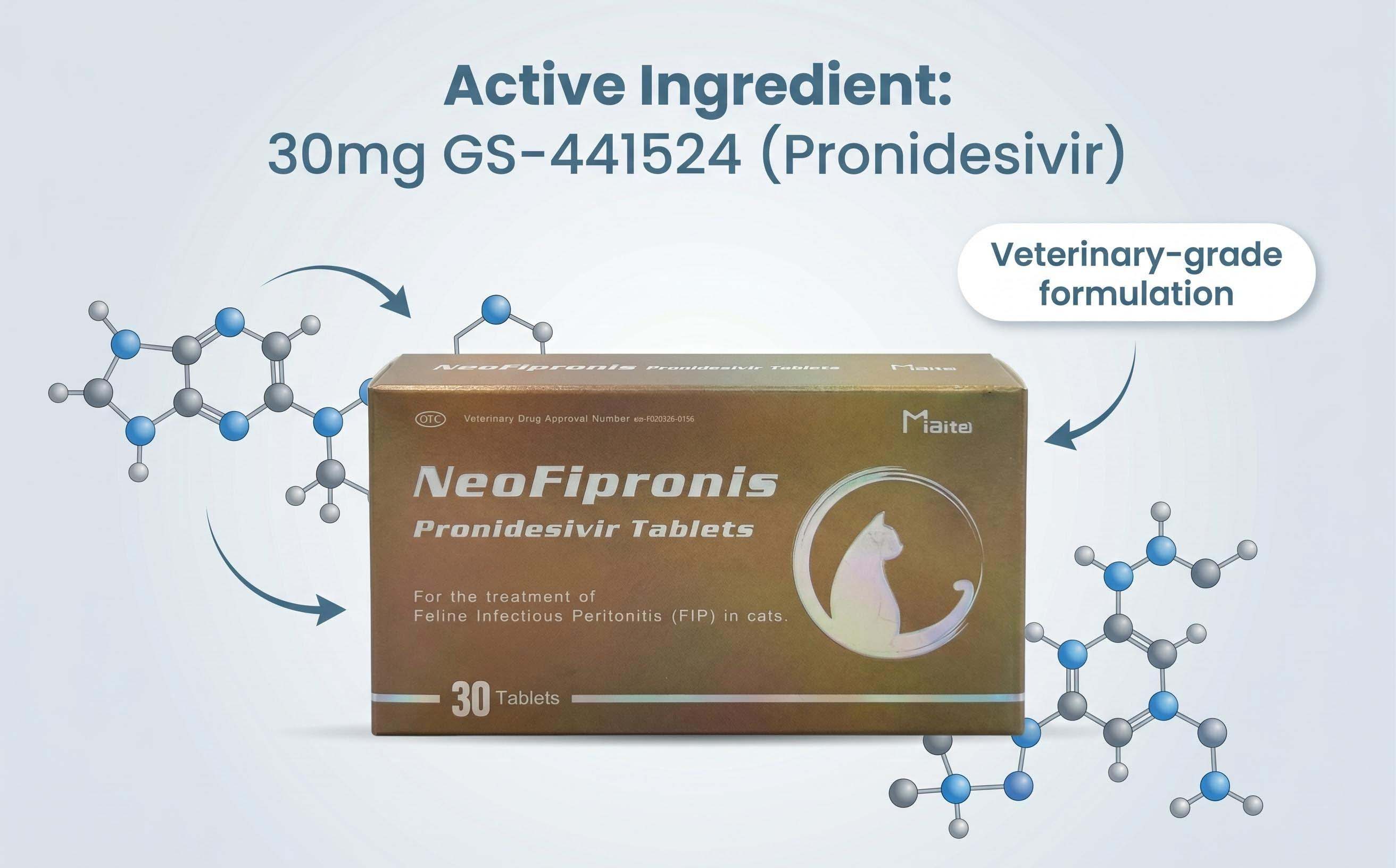
For decades, FIP was considered almost universally fatal. Supportive care, such as fluid therapy, temperature regulation, and nutritional support, could prolong life somewhat but did not cure the disease. The advent of antiviral drugs like GS-441524, a nucleoside analogue, showed promise, dramatically improving survival rates in some cases. Yet, such medications are not universally approved or available everywhere, and their use raises ethical and legal issues.
Other approaches included immunosuppressive drugs, corticosteroids, and supportive therapy aimed at symptom management. While these could temporarily improve quality of life, they did not eliminate the disease process.
Is It Possible to Treat FIP Without Medication?
Given the disease's pathophysiology, attempting to treat FIP solely through non-medical means is highly challenging. The core issue is the viral mutation that triggers immune responses leading to organ damage. Without antiviral medication to suppress viral replication, the disease tends to progress rapidly.
However, supportive care without medication, such as providing proper nutrition, ensuring a stress-free environment, and managing symptoms, can sometimes extend life or improve comfort. For example:
Fluid Management: Regularly providing fluids can help prevent dehydration caused by the fluid accumulation in wet FIP.
Nutritional Support: A high-quality diet tailored to the cat’s needs can bolster the immune system.
Environmental Comfort: Reducing stressors boosts overall health and immune function, potentially slowing disease progression.
Palliative Care: Pain relief and comfort measures might improve quality of life for some cats.
It’s crucial to understand that these measures do not eliminate the disease but focus on maintaining the cat’s well-being as long as possible.
Emerging Perspectives and Ethical Considerations
Recent breakthroughs, such as the development of antiviral treatments like GS-441524, have shifted the landscape of FIP management. These drugs have shown remarkable success in curing many cats with FIP, but accessibility and legality vary by region.
In terms of treatment without medication, some breeders and hobbyists have attempted herbal remedies, immune boosters, or alternative therapies. Scientific evidence supporting these methods remains limited, and reliance solely on such approaches is generally discouraged by veterinary professionals due to the life-threatening nature of FIP.
Prognosis and the Role of Veterinary Care
While some cats may survive longer with comprehensive supportive care, the prognosis for FIP remains poor without effective antiviral treatment. Most cats with advanced FIP succumb within weeks to months. Early diagnosis combined with medical intervention offers the best chance for survival or extended quality life.
Conclusion
In summary, completely treating FIP without medication is highly improbable given the current understanding and available therapies. Supportive care can improve comfort and may extend the life of some cats, but it does not target the underlying viral mutation responsible for FIP. Ongoing research aims to develop safe, accessible, and effective treatments. For cat owners facing an FIP diagnosis, consulting with a veterinary professional about the latest treatment options, including antiviral medications where available, provides the best path forward.
References
1. Pedersen, N. C., & Liu, H. (2010). Feline infectious peritonitis: update on pathogenesis. Advances in Veterinary Medicine, 12(2), 85-94.
2. Kipar, A., & Meli, M. L. (2014). Feline infectious peritonitis: still an enigma. Veterinary Pathology, 51(2), 505–526.
3. Pedersen, N. C. (2016). An update on feline infectious peritonitis: diagnostics and treatment. The Veterinary Journal, 209, 7–11.
4. Kim, Y., et al. (2020). Therapeutic advances for feline infectious peritonitis. Veterinary Record, 187(18), 573.
5. Giordano, A. (2023). New therapies in feline infectious peritonitis. Journal of Feline Medicine and Surgery, 25(4), 321-328.