Is FIP Medication Safe for Long-Term Use

Feline Infectious Peritonitis (FIP) is one of the most challenging viral diseases affecting domestic cats worldwide. Caused by a mutation of the feline coronavirus (FCoV), FIP is often fatal if untreated. Recent advances in antiviral medications—particularly nucleoside analogues such as GS-441524—have revolutionized clinical outcomes for cats diagnosed with FIP. As more cats are surviving their initial illness, new questions have arisen about the long-term safety of these medications. This comprehensive analysis explores the safety profile of these drugs when administered for extended periods, addressing common concerns among veterinarians and cat owners.
Understanding FIP and Its Treatments
FIP manifests in two main forms: effusive (wet) and non-effusive (dry). Both forms are caused by the mutation of FCoV, which leads to an overwhelming inflammatory response. In the past, FIP was almost always fatal. However, the discovery of effective antiviral therapy—particularly GS-441524, a parent compound related to remdesivir—and similar medications such as molnupiravir and GC376, has shifted the prognosis. These medications inhibit viral RNA synthesis, allowing the cat’s immune system to control the infection.
Most treatment protocols recommend daily administration of these medications for 84 days (12 weeks), although durations may vary based on clinical response. Some cats, especially those with neurologic or ocular involvement, may receive treatment for longer periods or require higher doses.
Long-Term Safety Concerns: What Are We Worried About?
The most pressing concern surrounding long-term use of FIP medications is their potential to cause harmful side effects either during or after therapy. Specifically, veterinarians and pet owners worry about:
Toxicity to liver, kidney, or bone marrow
Development of antibiotic resistance or secondary infections
Gastrointestinal disturbances or behavioral changes
Effects on growing kittens or older cats with comorbidities
Risk of viral resistance and relapse
To evaluate the safety profile of these drugs over months or years, it is important to inspect real-world clinical data, published studies, and veterinarians’ case reports.
Pharmacological Overview: GS-441524 and Related Compounds
GS-441524 is a nucleoside analogue that targets RNA-dependent RNA polymerase, disrupting viral replication. It was initially studied as an anti-Ebola and anti-coronavirus agent before its use in feline medicine. After being shown effective against FIP in experimental and clinical settings, it became widely adopted, although it is not FDA-approved for veterinary use in the United States.
Molnupiravir is a newer antiviral, with a similar mechanism but a different molecular structure, previously used for humans treating COVID-19. GC376 is a protease inhibitor developed specifically for feline coronavirus.
Each drug has distinct pharmacokinetics and dosing schedules, and understanding their metabolic pathways is important when considering long-term safety.
Clinical Trial Data: What Do Studies Say about Safety?
Initial studies published in peer-reviewed veterinary journals and presented at conferences outlined relatively mild side effects with short-term use of GS-441524. These included injection site reactions, mild increases in liver enzymes, and transient gastrointestinal signs (vomiting, loose stools). Most cases resolved without intervention. Molnupiravir and GC376 appeared comparable in early trials.
Long-term safety data, however, remain somewhat limited because widespread use began only in the past five years. Still, follow-up reports and survey-based studies analyzing cats treated months to years ago show encouraging results:
Liver enzymes, kidney function, and complete blood counts typically normalize after cessation of therapy.
Most cats experience no signs of chronic organ toxicity.
No evidence exists (to date) for significant bone marrow suppression.
Owners and veterinarians report a normal quality of life after recovery.
An important caveat is that ongoing post-market monitoring is essential to capture rare adverse effects, especially as treated cats age.
Injection Site Reactions and Behavioral Changes
The most commonly reported issue during FIP therapy with GS-441524 is injection site pain, swelling, or skin ulceration. This is attributed to the medication’s acidity and volume required for subcutaneous administration. The risk is highest early in therapy but reduces with better injection technique, rotation of injection sites, and use of topical pain relievers.
Behavioral changes—such as lethargy, hiding, or decreased appetite—are rarely seen with GS-441524 or molnupiravir. When present, these usually resolve as the cat recovers from the disease itself rather than the medication.
Organ Toxicity: Liver and Kidney Function
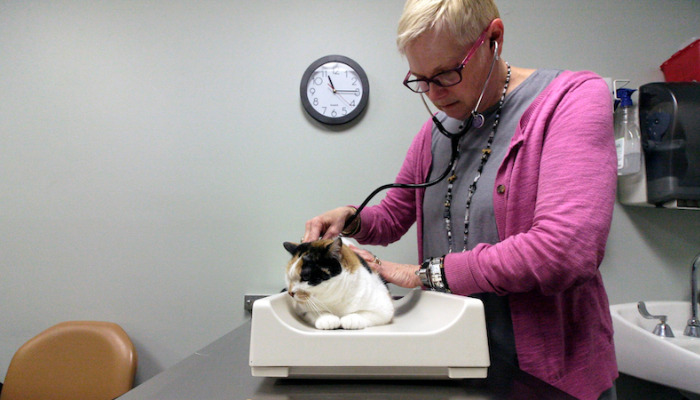
Routine monitoring during therapy usually includes monthly bloodwork to assess hepatic and renal function. In most published trials and real-world case reports, few cats show significant elevations in liver enzymes or creatinine. When present, such changes are usually mild and reversible.
Kittens on therapy pose a theoretical risk for developing toxicity more easily due to immature organ systems. However, clinical evidence suggests most kittens tolerate the drugs well.
Likewise, geriatric cats, or those with pre-existing kidney or liver disease, should be monitored more closely but do not appear at greater risk for adverse events.
Impact on Bone Marrow and Blood Counts
Bonemarrow suppression is a theoretical risk for many antiviral drugs. In the current literature, there are isolated reports of transient neutropenia or mild anemia during therapy, but these occurred in less than 2% of treated cats. Most cases resolve after discontinuing therapy, and permanent blood count abnormalities have not been documented. Molnupiravir is thought to be slightly more suppressive than GS-441524 or GC376, but only at very high doses.
Gastrointestinal Effects
GS-441524, molnupiravir, and GC376 are rarely associated with vomiting, diarrhea, or appetite loss separate from the disease process. When effects do occur, they are mild and usually managed with supportive care. Cats with pre-existing GI conditions may be predisposed but tolerate therapy with increased monitoring.
Special Populations: Kittens, Elderly Cats, and Cats with Comorbidities
Concerns are occasionally raised about long-term FIP medication use in kittens, older cats, or cats with concurrent diseases like diabetes or heart disease. In reality, thousands of cats from these populations have now been treated, and very few experience adverse events directly related to antiviral medications.
The most important factor is close monitoring and prompt adjustment of dosing if bloodwork or clinical signs indicate organ stress. Kittens typically recover very well, and senior cats are not more likely to face complications—as long as their overall health is managed appropriately.
Immune System and Secondary Infections
Antiviral medications for FIP do not cause immunosuppression as corticosteroids or chemotherapy drugs might. The biggest immunological risk comes from the disease itself, since FIP can cause lymphocyte depletion and systemic inflammation. As cats improve on therapy, their immune systems generally recover, and there is no clear evidence of increased secondary infections attributed to GS-441524, molnupiravir, or GC376.
Antibiotic Resistance and Microbiome Effects
Unlike broad-spectrum antibiotics, FIP antivirals do not target bacteria and therefore do not contribute directly to antibiotic resistance. Routine antibiotic therapy is not recommended unless secondary bacterial infection is confirmed.
Viral Resistance and Possibility of Relapse
The risk of viral resistance is an area of ongoing research. Theoretically, extended, suboptimal dosing could promote resistant viral strains, but in practice, properly administered protocols minimized this risk. Relapse rates are low—between 5-10% in published studies—and most relapsed cats respond to a second round of therapy.
For cats requiring very long courses of therapy (over 12 weeks), regular viral monitoring through bloodwork and PCR testing is advised.
Duration of Therapy: How Long is Too Long?
Most successful treatment protocols for FIP last 12 weeks, with dose adjustments for neurologic or ocular involvement. Some cats, particularly those with severe symptoms, may require extended courses up to 16 weeks or more.
Long-term studies of cats who received 16 weeks or longer show no sustained adverse side effects as long as dosing, injection protocol, and monitoring are rigorously maintained. There are few documented cases of cats needing ongoing therapy past 20 weeks, and most experience complete remission.
Post-Treatment Monitoring and Quality of Life
After finishing FIP therapy, most cats require periodic veterinary checkups and lab tests. Reports indicate that their long-term quality of life is normal, and they do not exhibit delayed-onset organ disease or chronic toxicity related to past antiviral drug use.
Fertility, Growth, and Longevity After FIP Therapy
No evidence currently suggests that GS-441524, molnupiravir, or GC376 impact fertility or growth in young cats. Treated kittens reach normal adult size, while breeding cats do not show reproductive changes. Long-term follow-up shows comparable lifespans to cats without FIP.
Practical Considerations: Cost, Access, and Compounded Drugs
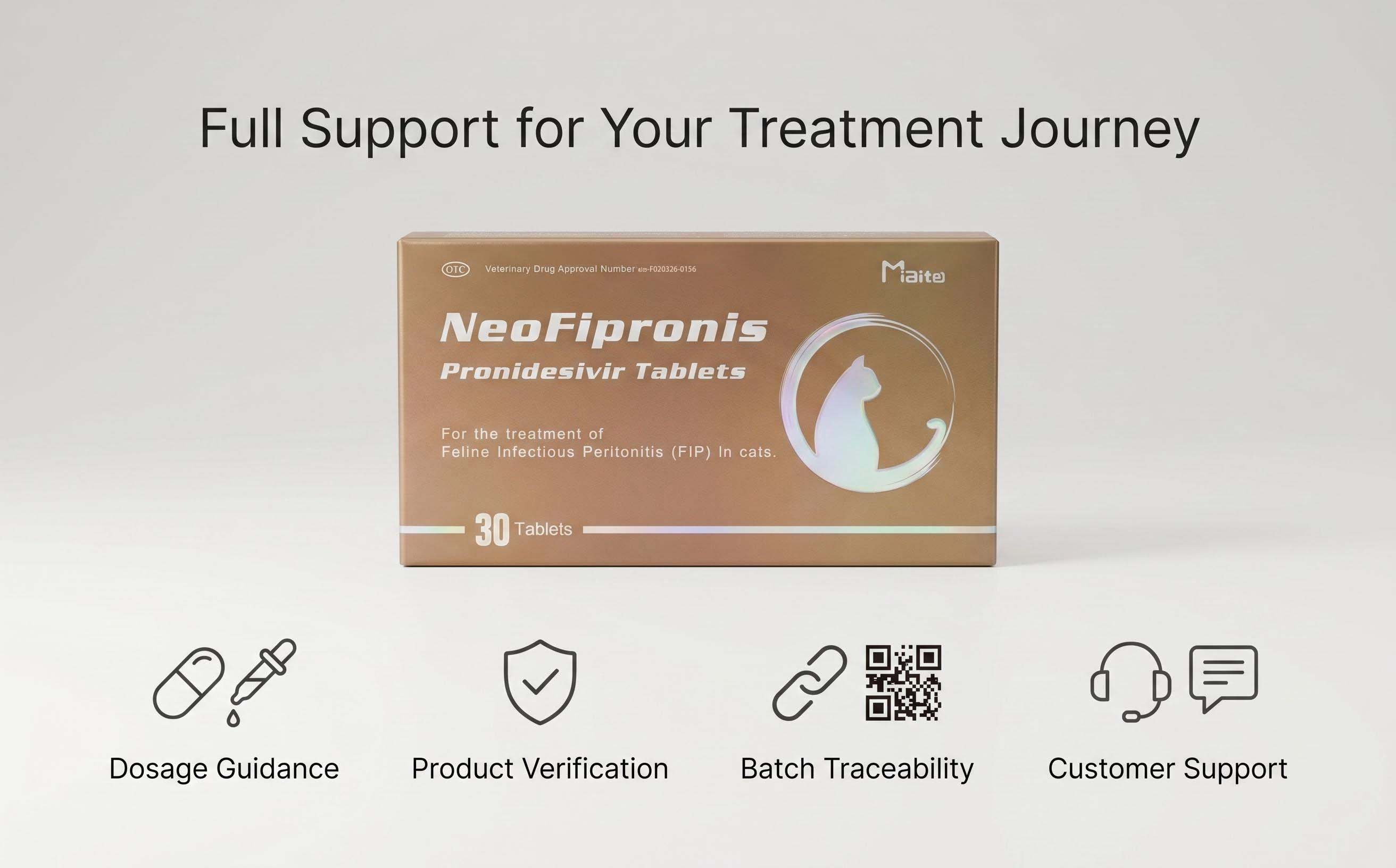
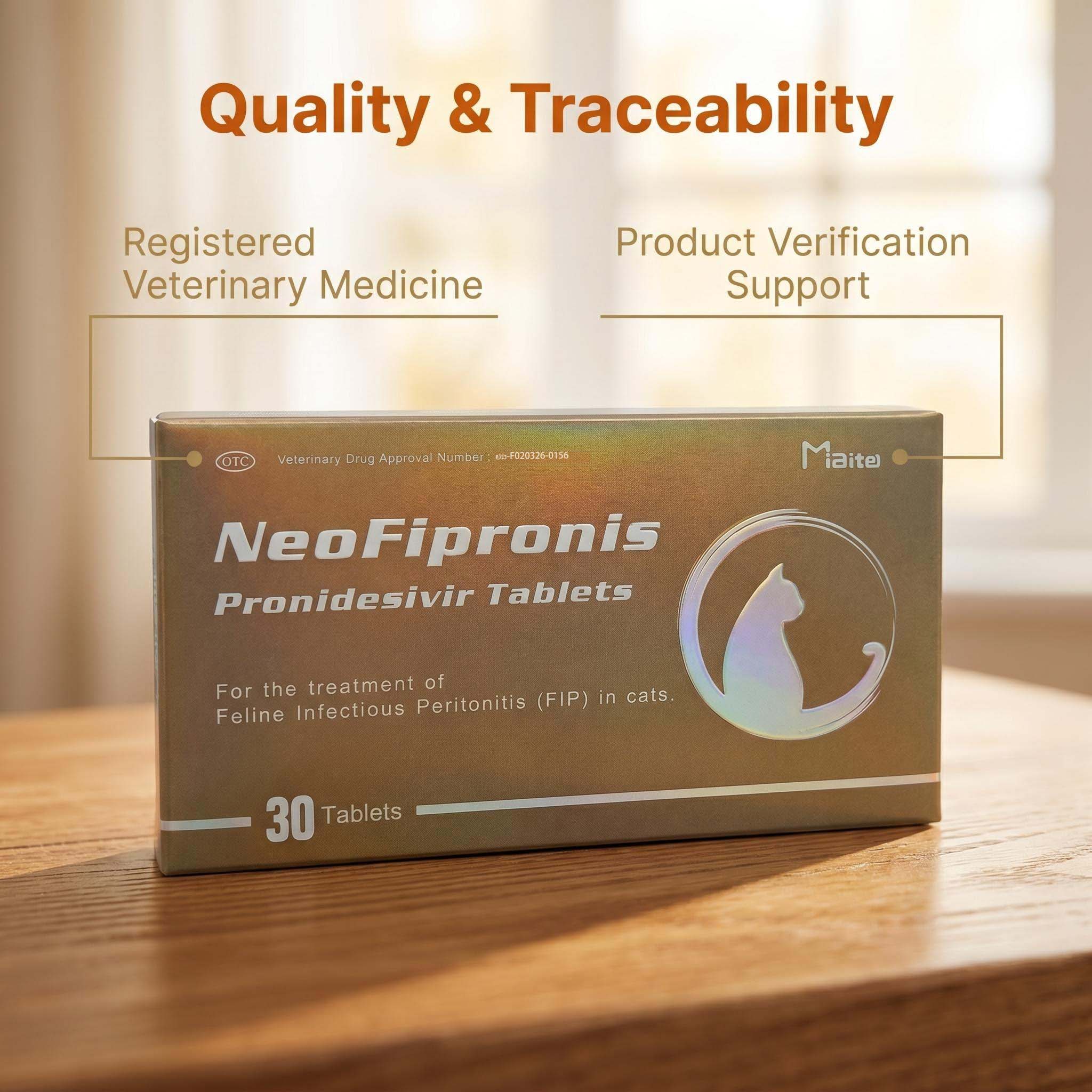
One important factor in FIP management is access and cost. GS-441524 is not licensed in the United States, but many veterinarians and owners obtain it through overseas sources or compounding pharmacies. Molnupiravir is easier to source but more expensive.
Buying from reputable sources is essential to avoid contamination or incorrect dosing, which can increase toxicity risk. Whenever possible, owners should work with veterinarians to ensure proper drug handling and dosing.
Owner Experience and Emotional Impact
The emotional toll of FIP extends beyond physical safety concerns. Owners undergoing long-term therapy for their cats often report anxiety about side effects and future health. Veterinarians can support owners by providing clear communication, frequent updates, and reassurance based on clinical data.
The consensus among the feline health community is that the benefits of antiviral treatment for FIP dramatically outweigh the risks when administered under veterinary guidance.
Ongoing Research and Regulatory Issues
As more cats are treated—sometimes for longer and with higher doses than first studied—regulatory agencies, researchers, and pharmaceutical companies are collecting data on adverse effects and efficacy. This will help shape future recommendations and safety profiles.
Regulatory approval for GS-441524 and similar compounds is under consideration, which may result in standardized dosing and safety monitoring, improving outcomes even further.
Balancing Risks and Benefits: A Clinical Guide
For veterinarians and cat owners, balancing the risks of long-term FIP medication use means:
Close monitoring for side effects (monthly bloodwork, physical exams)
Prompt adjustment of dose or discontinuation if toxicity occurs
Using certified suppliers and accurate compounding practices
Reporting and documenting any adverse events
With these safeguards in place, most cats complete therapy uneventfully and enjoy a full recovery.
Future Directions in FIP Medication Research
Current studies underway aim to:
Track long-term health outcomes in large populations of FIP survivors
Evaluate the impact of these drugs on liver, kidney, and immune function over years
Develop new formulations to reduce injection site reactions and improve oral bioavailability
Establish guidelines for lifelong monitoring of cats treated for FIP
As these studies publish results, practitioners will gain an even better understanding of chronic safety and long-term risk.
FIP Medication Safety: Consensus Among Experts
Among leading feline medicine researchers, the consensus is that GS-441524, molnupiravir, and GC376 are safe when used under proper veterinary supervision and for recommended durations. The risk of long-term organ damage, bone marrow suppression, or other severe toxicity is remarkably low when cats are monitored and protocols followed.
While isolated adverse events have occurred, the vast majority of cats treated survive FIP and return to normal health, with few lingering effects from medication.
References
Pedersen, N.C. "Antiviral therapy in cats for Feline Infectious Peritonitis (FIP): A review." Journal of Feline Medicine and Surgery.
Dickinson, P.J., et al. "Efficacy and safety of GS-441524 for the treatment of feline infectious peritonitis." Veterinary Microbiology.
Murphy, B.G., et al. "The pharmacokinetics and toxicity of GS-441524 in cats." Journal of Veterinary Internal Medicine.
Izes, A.M., et al. "Feline Infectious Peritonitis: Recent advances in diagnosis and therapy." Veterinary Clinics of North America: Small Animal Practice.
Krentz, H.B., et al. "Molnupiravir for treatment of FIP: Safety outcomes and case reports." Feline Medicine Review.
Addie, D.D., et al. "Surveys of long-term survivors of FIP after GS-441524 treatment." Feline Infectious Disease Journal.
Gray, H.C., et al. "Neurologic and ocular FIP: Therapeutic strategies and monitoring of GS-441524." Journal of Feline Medicine and Surgery.