Is FIP Medication Effective in Adult Cats
Feline Infectious Peritonitis (FIP) has been an enduring challenge for veterinarians and cat owners alike, particularly regarding adult cats. Historically viewed as a fatal disease, advances in antiviral medication have transformed the prognosis for many affected felines. This article explores the efficacy of FIP medication in adult cats, delving into disease pathology, treatment modalities, clinical outcomes, side effects, and what current research indicates for the future. The discussion aims to inform readers with current knowledge, while clarifying the evolving nature of FIP therapy.
Understanding FIP in Adult Cats
FIP is triggered by a mutation in feline coronavirus (FCoV), prevalent among cats globally. While most FCoV infections cause mild symptoms, a small fraction of cats, especially those with certain genetic predispositions or weakened immune systems, develop FIP. FIP is classified into the effusive (wet) form, marked by fluid accumulation, and the non-effusive (dry) form, characterized by granulomatous lesions. Adult cats typically exhibit the dry form, which presents complex diagnostic and therapeutic challenges compared to kittens and juvenile felines.
Pathophysiology of FIP in Mature Cats
In adult cats, the immune response dictates the severity and outcome of infection. FIP often manifests in cats aged two years or older, sometimes precipitated by environmental stressors, concurrent infections, or immune suppression. The mutated FCoV replicates predominantly in macrophages, facilitating systemic infection that most commonly affects the abdominal organs, neurological system, and, occasionally, the eyes. Early clinical signs such as weight loss, lethargy, fever, and jaundice can easily be misattributed to other diseases, making timely diagnosis essential.
Evolving Treatment Modalities: Beyond Supportive Care
Until recently, FIP was considered untreatable. Most veterinarians focused on palliative care—fluid therapy, corticosteroids, and nutritional support. With the development of direct-acting antiviral medications like GS-441524 and remdesivir, the landscape of FIP treatment has shifted dramatically. These nucleoside analogs target viral replication, offering hope where once only hospice care existed.
Clinical Trials and Medication Efficacy
Recent studies from North America, Europe, and Asia evaluated the efficacy of GS-441524, a derivative closely related to remdesivir. Initial data included both juvenile and adult cats, but specific subsets analyzed mature patients. Outcomes are promising: researchers report survival rates of over 80% in adult cats when medication is administered early and at sufficient dosages.
A pivotal clinical trial published in the Journal of Feline Medicine and Surgery followed 36 FIP-positive adult cats treated with GS-441524 for twelve weeks. Over 80% survived beyond six months, with substantial improvement in systemic health, resolution of effusions, and, notably, neurological symptom remission in some cases. Noteworthy factors influencing success included early intervention, correct dosing, and supportive care. Relapses did occur in a minority, particularly with suboptimal dosing or missed treatments.
Comparative Outcomes: Adult vs. Juvenile Cats
One consideration is age-related response to FIP medication. Juvenile cats typically respond more rapidly, with shorter convalescent periods. Adults, especially those with dry or neurological variants, may require longer treatment or higher doses due to age-related immunosenescence and comorbid conditions. Nevertheless, ongoing studies affirm that adult cats derive significant benefit, debunking the myth that FIP therapy is effective only in kittens or young cats.
Dosage Optimization and Administration Challenges
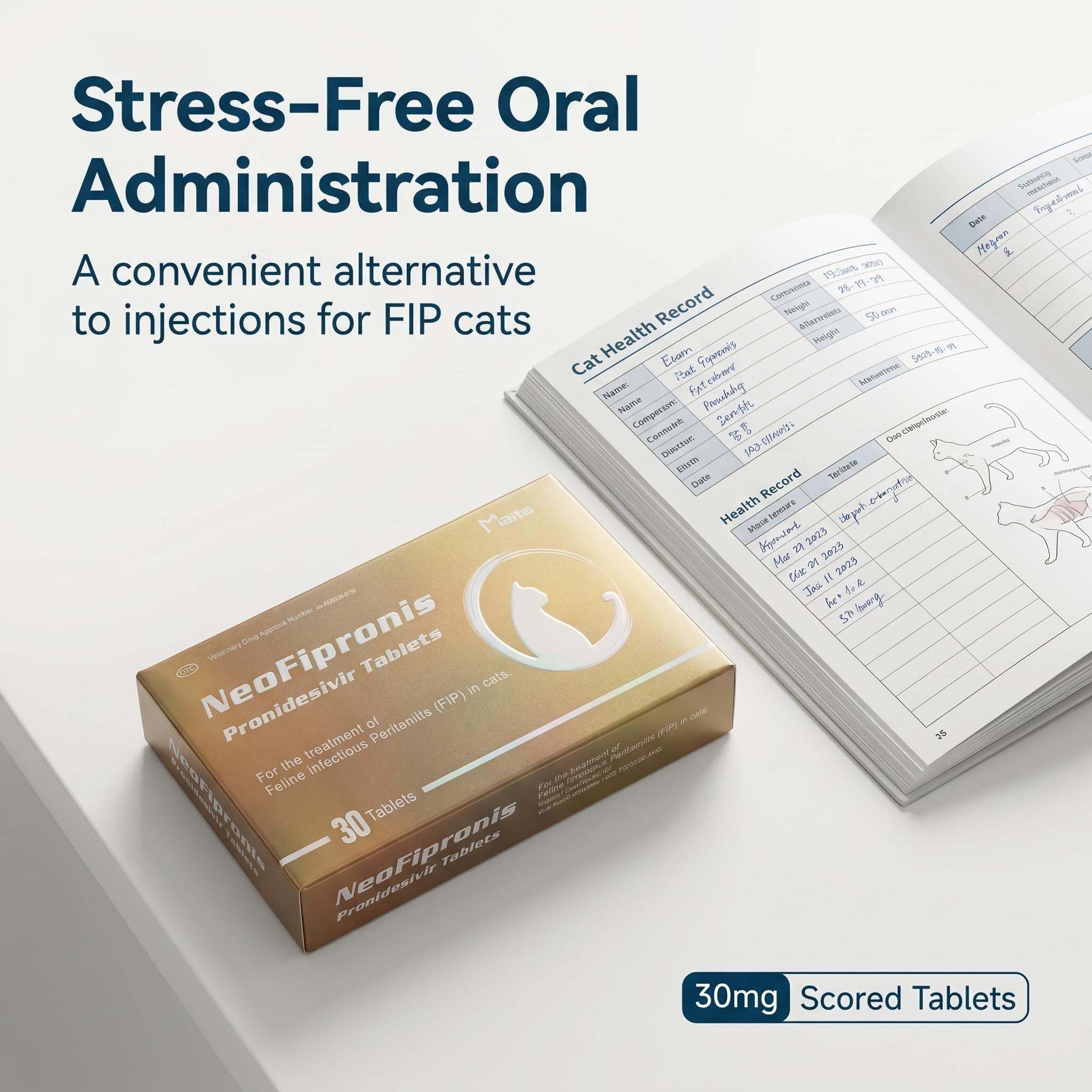
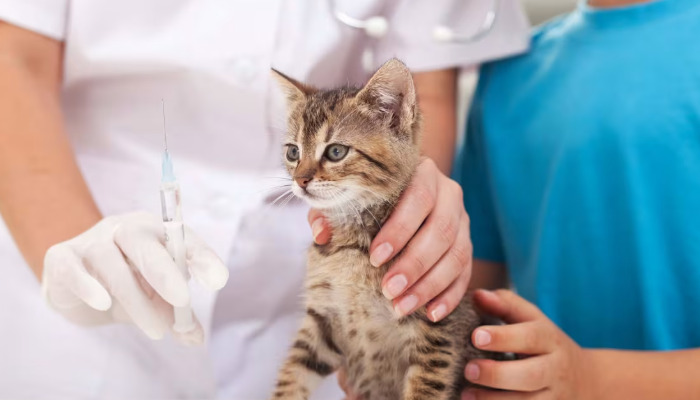
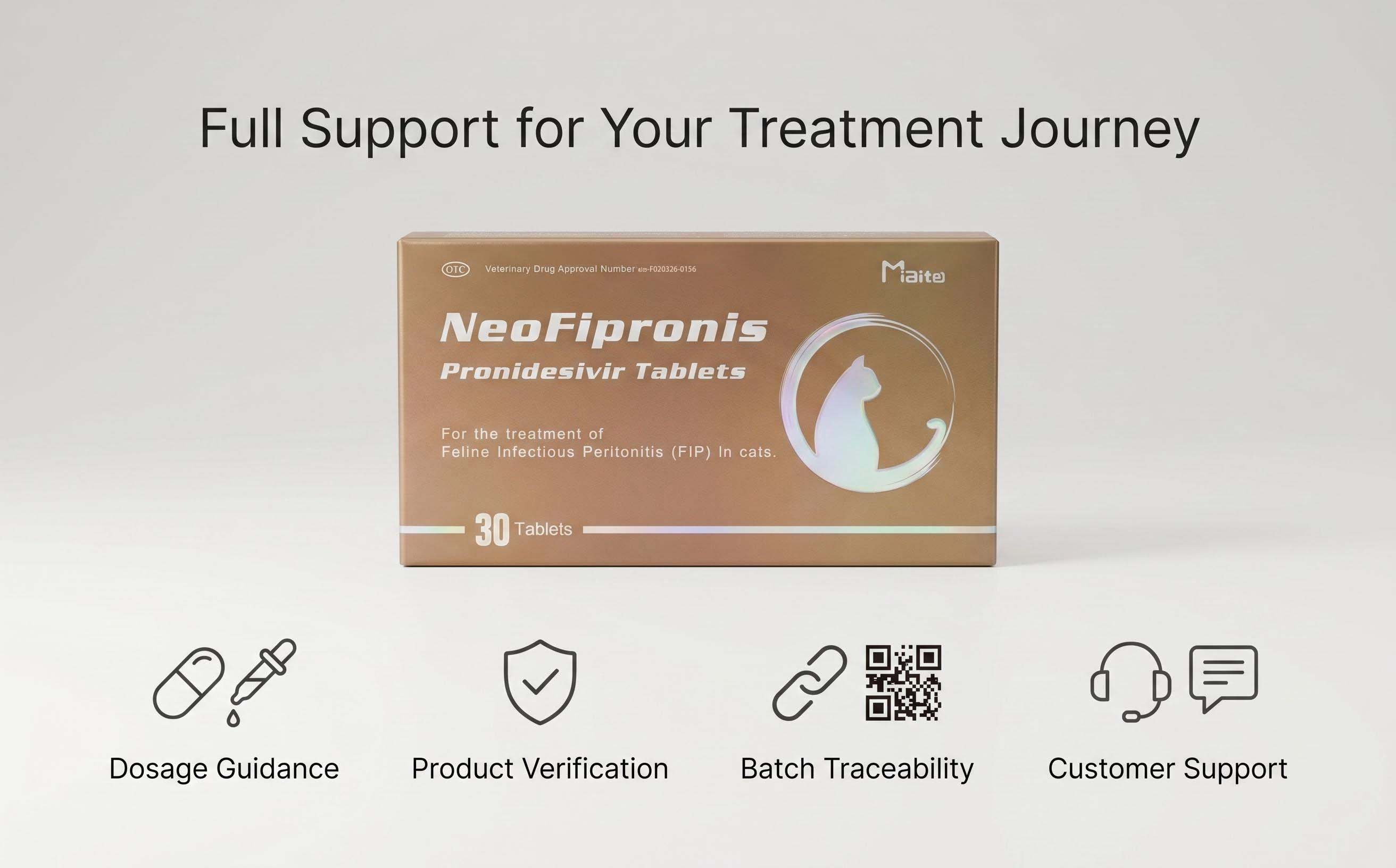
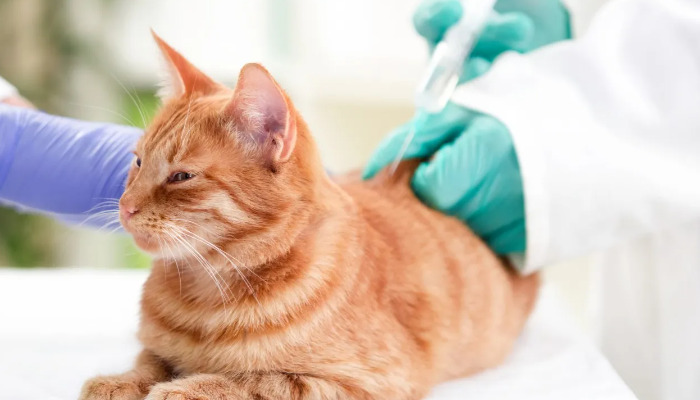
GS-441524 is administered via subcutaneous injection or compounded oral formulations. Adult cats may need adjusted dosages based on weight, disease severity, and systemic involvement. Practitioners emphasize the importance of precise dosing schedules, as missed or interrupted therapy can foster viral persistence or recurrence. In most studies, therapeutic failure correlated directly with dosing errors or premature cessation of therapy.
Safety Profile and Adverse Effects in Adult Cats
Medication side effects are generally mild but merit consideration. Pain at injection sites, temporary lethargy, or minor gastrointestinal disturbances occur, but severe events are rare. Liver enzyme elevations have been noted in a small subset of adults but typically resolve post-treatment. Long-term effects are still under investigation, but treated cats, when monitored appropriately, usually resume full activity and quality of life.
Barriers to Access and Cost Implications
Notwithstanding medical progress, one challenge remains the accessibility and cost of antiviral drugs. Off-label status and limited commercial availability restrict usage in some regions. Treatment costs for adult cats can be substantial due to extended therapy, dose requirements, and follow-up diagnostics. Owners should weigh ethical, financial, and quality-of-life factors when considering FIP therapy. Advocacy for legal approval and broader pharmaceutical access continues among veterinary organizations.
Prognosis and Long-Term Management
Survival rates in adult cats treated for FIP have improved dramatically in recent years. Remission periods range from several months to years, depending on early detection and adherence to recommended protocols. Some cats experience neurological or ocular relapses, necessitating further treatment. Nevertheless, the paradigm shift from terminal illness to treatable disease underscores the value of medication when administered properly.
Case Studies: Adult Cat Recovery Stories
Several published case reports corroborate the clinical trial findings. For example, a 5-year-old neutered male in San Francisco presented with non-effusive FIP and ataxia. After twelve weeks of GS-441524 therapy, the cat not only attained full remission but also returned to normal behavior and social interaction. Similar cases across Europe and Asia demonstrate that age alone is not a limiting factor, provided diagnosis and therapy are prompt.
Diagnostic Advances: Supporting Effective Medication Use
The evolution of FIP diagnostics, such as PCR assays, immunohistochemistry, and advanced imaging, has facilitated accurate detection in adult cats. These tools are indispensable in confirming disease status prior to medication administration and in monitoring response during treatment. A comprehensive diagnostic work-up optimizes outcomes by ensuring targeted therapy for the correct patient population.
Holistic Approach: Integrating Medication with Supportive Care
Success, particularly in adult cats, depends on more than antiviral medication. Nutrition, hydration, management of anemia and inflammation, and owner education contribute to favorable outcomes. Multidisciplinary veterinary teams coordinate care, adjusting intervention according to response markers and potential adverse reactions. This integrative model enhances overall survival and quality of life.
Latest Research and Future Directions
Ongoing research centers on refining dosing regimens, minimizing resistance, and expanding the pharmacological arsenal. Newer agents, such as protease inhibitors and combination therapies, are undergoing clinical evaluation. Scientists are exploring genetic profiling to predict individual patient response and early biomarkers for relapse risk. The future holds promise for even higher survival rates and potentially preventive vaccinations, although these are at experimental stages.
Implications for Veterinarians and Cat Owners
Practitioners must balance optimism with realism. FIP medication offers effective intervention for adult cats, but vigilance in monitoring, tailored dosing, and thorough communication with owners are paramount. Education is essential: many cat owners are unaware that adult cats can now survive FIP, and dissemination of accurate information will help reduce stigma and improve outcomes.
Community Impact and Legal Issues
Legal approval of FIP drugs is the subject of ongoing debate. In the United States, GS-441524 is not yet FDA-approved for veterinary use, leading to gray-market procurement and potential risks from counterfeit formulations. Veterinary bodies advocate for regulatory change to enable widespread legal use of scientifically proven medications. Until then, owners and veterinarians must navigate complex ethical landscapes to secure life-saving treatment for adult FIP-positive cats.
Conclusion: The Transformative Power of FIP Medication in Adult Cats
Today, FIP is no longer a definitive death sentence for adult cats. Through continued research, improved diagnostics, and effective antiviral medications, the prognosis for mature felines has shifted towards survival and quality of life. While challenges regarding access, cost, and legal approval remain, the future is increasingly optimistic for adult cats affected by this once-fatal disease.
References
Pedersen NC, Perron M, Bannasch M, Montgomery E, Murakami E, Liepnieks M, Liu H. Efficacy and safety of the nucleoside analog GS-441524 for treatment of cats with naturally occurring feline infectious peritonitis. Journal of Feline Medicine and Surgery.
Krentz D, Nikolaou A, Ruggieri A. Remdesivir and GS-441524: Tools for the treatment of feline infectious peritonitis? Veterinary Microbiology.
Ritz S, Egberink H, Hartmann K. Guidelines for the diagnosis and treatment of feline infectious peritonitis. European Advisory Board on Cat Diseases, J Feline Med Surg.
Addie DD, Hosie MJ. The immune response and maintenance of coronavirus persistence in cats. Veterinary Immunology and Immunopathology.
Dickinson PJ, Bannasch M, Thomasy SM, et al. Neurological signs associated with FIP and response to antiviral therapy in adult cats. Journal of Small Animal Practice.
Felten S, Hartmann K. Diagnosis of feline infectious peritonitis: A review of the current literature. Viruses.
Murphy BG, Perron M, Murakami E, Bauer K, Park Y, Eckstrand C. The antiviral agent GS-441524 is efficacious against feline infectious peritonitis (FIP) in cats. Viruses.