How Do Owners Know if FIP Medication Is Working
Feline Infectious Peritonitis (FIP) remains one of the most daunting diagnoses for cat owners and veterinarians alike. This complex viral disease, caused by a mutant strain of feline coronavirus (FCoV), can be fatal if untreated. In recent years, advancements in antiviral medications have offered new hope, transforming FIP from a hopeless prognosis to a treatable condition. However, monitoring the effectiveness of treatment can be fraught with questions and anxieties. This comprehensive guide provides readers with clear, actionable insights into how to determine whether FIP medication is working, focusing on clinical signs, diagnostic tests, owner observations, and veterinarian guidance. It draws from current literature, clinical expertise, and firsthand experience to provide a rich resource for cat owners navigating FIP treatment.
Understanding FIP and Its Treatment Landscape
FIP manifests in two primary forms: effusive ("wet") and non-effusive ("dry"). Both types share symptoms like lethargy, fever, loss of appetite, and weight loss, but differ in presentation of fluid accumulation. The disease is the result of a mutated feline coronavirus that escapes gastrointestinal containment and triggers an extreme immune response.
For decades, supportive care was the only option, with studies indicating near-100% fatality rates. The introduction of antiviral drugs, specifically nucleoside analogs like GS-441524 and newly approved treatments such as remdesivir, has changed outcomes drastically. Understanding these drugs’ mechanisms and the anticipated timeline for recovery sets the stage for recognizing medication efficacy.
Recognizing Initial Signs of Improvement
Most FIP therapies begin with daily antiviral injections, transitioning later to oral forms. The earliest sign a medication is working is a noticeable change in the cat’s behavior and physical appearance. Within 3-10 days, owners may observe:
Reduction in persistent fever
Increased appetite
More energy and willingness to interact
Decrease in abdominal distention (wet FIP) or improved breathing
Gradual weight stabilization
Daily logs are invaluable during this phase. Owners should record temperature, food intake, water consumption, and excretion patterns for review with their veterinarian. Positive changes, especially the resolution of fever and restoration of appetite, are among the most reliable early indicators.
Diagnostic Benchmarking: Bloodwork and Imaging
Veterinary medicine rests significantly on laboratory data, especially with FIP, where symptoms alone can be misleading. Bloodwork is crucial during treatment. The key diagnostic markers include:
Hematocrit and Red Blood Cell Count: FIP often causes non-regenerative anemia, so rising numbers suggest effective therapy.
Total Protein (TP), Albumin to Globulin ratio (A:G Ratio): FIP causes hyperglobulinemia with low A:G ratios (<0.8). A ratio creeping toward normal (above 0.8) indicates immune system recovery.
Lymphocyte Counts: FIP is associated with lymphopenia; increasing counts demonstrate immune response normalization.
Bilirubin and Liver Enzymes: Improvement means less organ stress.
Ultrasound and X-ray imaging, especially in wet FIP, reveal the status of fluid accumulation in the abdomen or chest. Multiple imaging sessions show whether effusions resolve as medication takes effect.
Behavioral and Quality-of-Life Changes
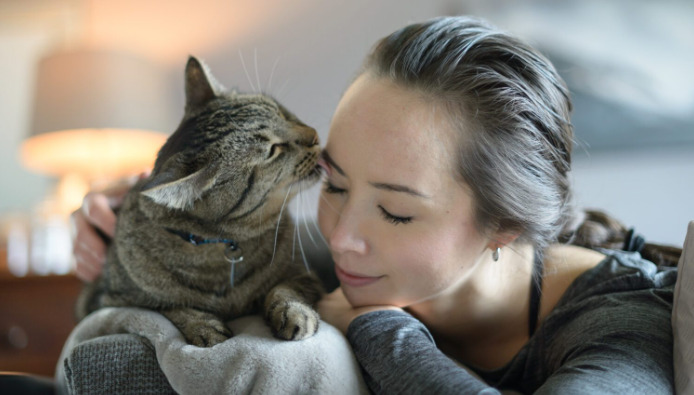
Owners should watch for subtle behavioral shifts. A cat in recovery will often:
Resume grooming
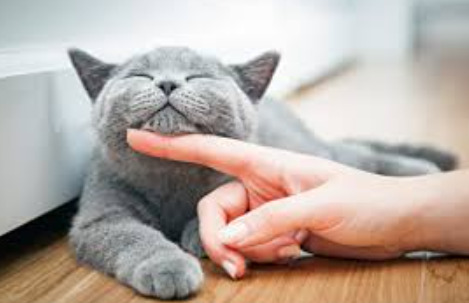
React favorably to petting and play
Seek company rather than hiding
Use the litter box normally
Improvement in behavior is sometimes noticed before lab values catch up. Conversely, regression—like recurring fever, sudden lethargy, or new neurological signs—should prompt urgent reevaluation.
Timeframe of Expected Improvement
While each cat is unique, veterinarians generally expect meaningful improvement in 7-14 days. Complete eradication of symptoms might require the full 84-day course recommended by the latest protocols. If the cat seems unchanged after several weeks, or worsens, medication resistance or misdiagnosis could be factors.
Veterinarian Oversight: Essential for Safety
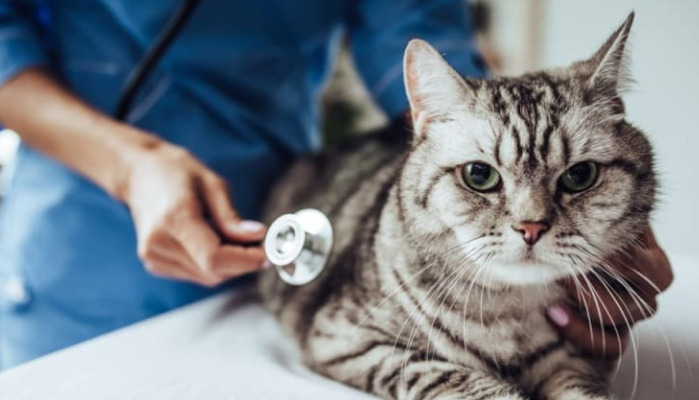
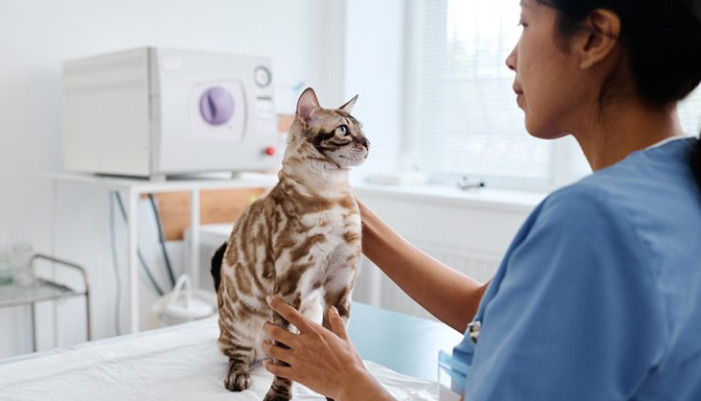
Owner involvement is essential, but professional guidance is irreplaceable. Regular veterinary visits allow for scheduled bloodwork, physical examination, and treatment adjustment. Reputable practitioners will:
Interpret trends in lab data
Advise if side effects arise, such as injection site irritation or gastrointestinal upset
Warn of potential medication diversion (as some drugs remain unapproved in select states), ensuring follow-up integrity
Some cats may develop complications requiring adjunct therapies (e.g., antibiotics, corticosteroids)—input from a board-certified feline practitioner protects the patient’s progress.
Common Pitfalls: False Positives and Negatives
Not every improvement means the disease is conquered, and some transient setbacks need context. For example, symptom relief immediately after steroids could mask underlying viral activity. Likewise, temporary drops in globulin levels might not persist.
Owners should beware online anecdotes touting "miracle cures" after only a week, or attributing sudden relapses to the medication’s failure alone. Comprehensive verification requires pooled observations, rechecked lab results, and professional input.
Post-Treatment Monitoring: The Risk of Relapse
Treatment ends after the protocol period, but FIP cats remain at risk of relapse, especially within the first six months. Ongoing monitoring includes:
Routine bloodwork every 1-3 months post-therapy
Owner logs of appetite, energy, and social behavior
Immediate veterinary consultation if fever or swelling returns
Relapse rates, while much lower than in the pre-antiviral era, are still documented especially with incomplete dosing or late-stage neurological FIP.
Owner Support and Community Resources
Navigating FIP therapy can be stressful and confusing. Online support groups, veterinary-hosted webinars, and highly-reviewed guides offer emotional reassurance as well as practical advice. Reaching out to a community can help decipher ambiguous symptoms, report treatment outcomes, and provide feedback for future cases.
Innovations Improving FIP Outcomes
The field advances rapidly. New drugs and expanded clinical trials yield superior remission rates. Emerging biomarkers—like serum amyloid A, acute phase proteins, and genetic screening—could further streamline assessment in years ahead. Integrative care, including dietary modification and environmental enrichment, also supports recovery.
Summary of Actionable Signs Medication Is Working
Downward trends in temperature
Normalizing blood counts and protein ratios
Disappearance of abdominal/chest fluid (wet FIP)
Visible physical strength and playful demeanor
Resolution of jaundice or neurological deficits (in complex cases)
Owners should rely on both subjective observation and objective medical data, sharing all findings with their veterinarian for proper interpretation.
Potential Next Steps If Medication Is Not Working
Persistent symptoms after two weeks necessitate reevaluation:
A different medication class (if resistance documented)
Dose adjustment
Search for concurrent illnesses
Consultation with FIP specialists or internal medicine experts
Careful adherence to prescribed protocols, thorough symptom tracking, and routine veterinary input remain the gold standard in ensuring effective FIP therapy.
References
1. Pedersen NC. "Feline Infectious Peritonitis: An Update on Pathogenesis and Treatment." Veterinary Journal.
2. Dickinson PJ, et al. "Antiviral Therapy with GS-441524 in Cats with Naturally Occurring FIP." Journal of Feline Medicine and Surgery.
3. Dempsey SM, Ewing PJ. "Feline Coronavirus Infections and FIP." Clinical Techniques in Small Animal Practice.
4. Addie DD, et al. "Feline Infectious Peritonitis: Diagnostics and Monitoring." Journal of Veterinary Internal Medicine.
5. Kipar A, Meli ML. "Feline Infectious Peritonitis: Pathogenesis, Diagnosis and Management." Veterinary Pathology.
6. Tasker S, et al. "Progress in Understanding Feline Infectious Peritonitis." Veterinary Clinics of North America: Small Animal Practice.
7. Hosie MJ, et al. "Feline Coronavirus and FIP Diagnosis: Laboratory Monitoring." Veterinary Record.
8. Hartmann K. "Clinical Aspects of Feline Infectious Peritonitis." Journal of Feline Medicine and Surgery.
9. Driscoll J, et al. "Post-Treatment Monitoring of FIP." JAVMA.
10. Riemer F, et al. "Improvements in FIP Survival Rates Following Antiviral Introduction." Veterinary Microbiology.