Can FIP Medication Be Started Before a Definitive Diagnosis
Introduction to Feline Infectious Peritonitis (FIP)
Feline Infectious Peritonitis (FIP) stands as one of the most challenging and emotionally charged diagnoses in feline medicine. FIP is caused by a mutation in feline coronavirus (FCoV), leading to a fatal immune-mediated disease that can manifest as either “wet” (effusive) or “dry” (non-effusive) forms. For decades, veterinarians and cat owners have faced heartbreak, confusion, and frustration due to the complexity of diagnosing FIP and the historically poor outcomes associated with the disease.
Recent advances in treatment, particularly with antiviral medications like GS-441524 and remdesivir, have transformed the landscape. These drugs offer hope where there was once none. However, questions remain about the optimal timing for starting FIP medication—especially in cats who do not yet have a definitive diagnosis. Can medication be started before confirmation, and what are the risks and benefits of doing so? Addressing these questions is crucial for veterinarians, cat guardians, and the wider feline community.
Why Is FIP Diagnosis So Difficult?
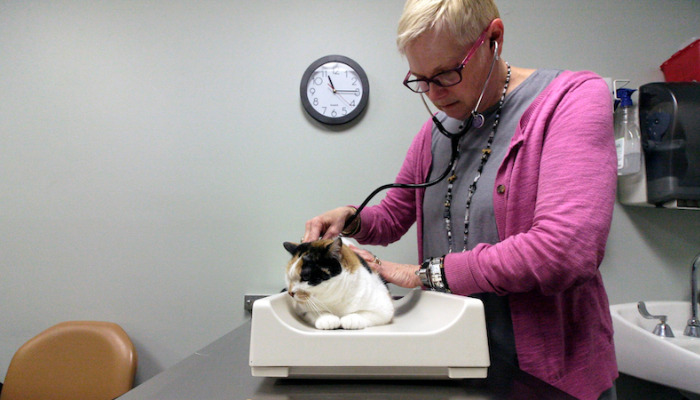
Diagnosing FIP is exceptionally tricky. There is no single laboratory test that 100% confirms FIP prior to death without invasive tissue sampling. The reasons are multifaceted:
FIP can mimic other common illnesses, ranging from lymphoma to bacterial infections.
Presentation varies widely; cats may have vague symptoms such as lethargy and weight loss, or severe manifestations like abdominal fluid accumulation.
Laboratory tests are not absolute—certain bloodwork changes and effusion analyses can be suggestive but not diagnostic.
PCR tests for FIP, immunohistochemistry, and histopathology can help, but are not always accessible or feasible.
The gold-standard diagnosis remains tissue histopathology showing pyogranulomatous inflammation along with coronavirus antigen, typically from organ biopsy or post-mortem examination. However, most cats are diagnosed “presumptively” via clinical signs combined with supportive lab tests.
Evolution of FIP Therapy
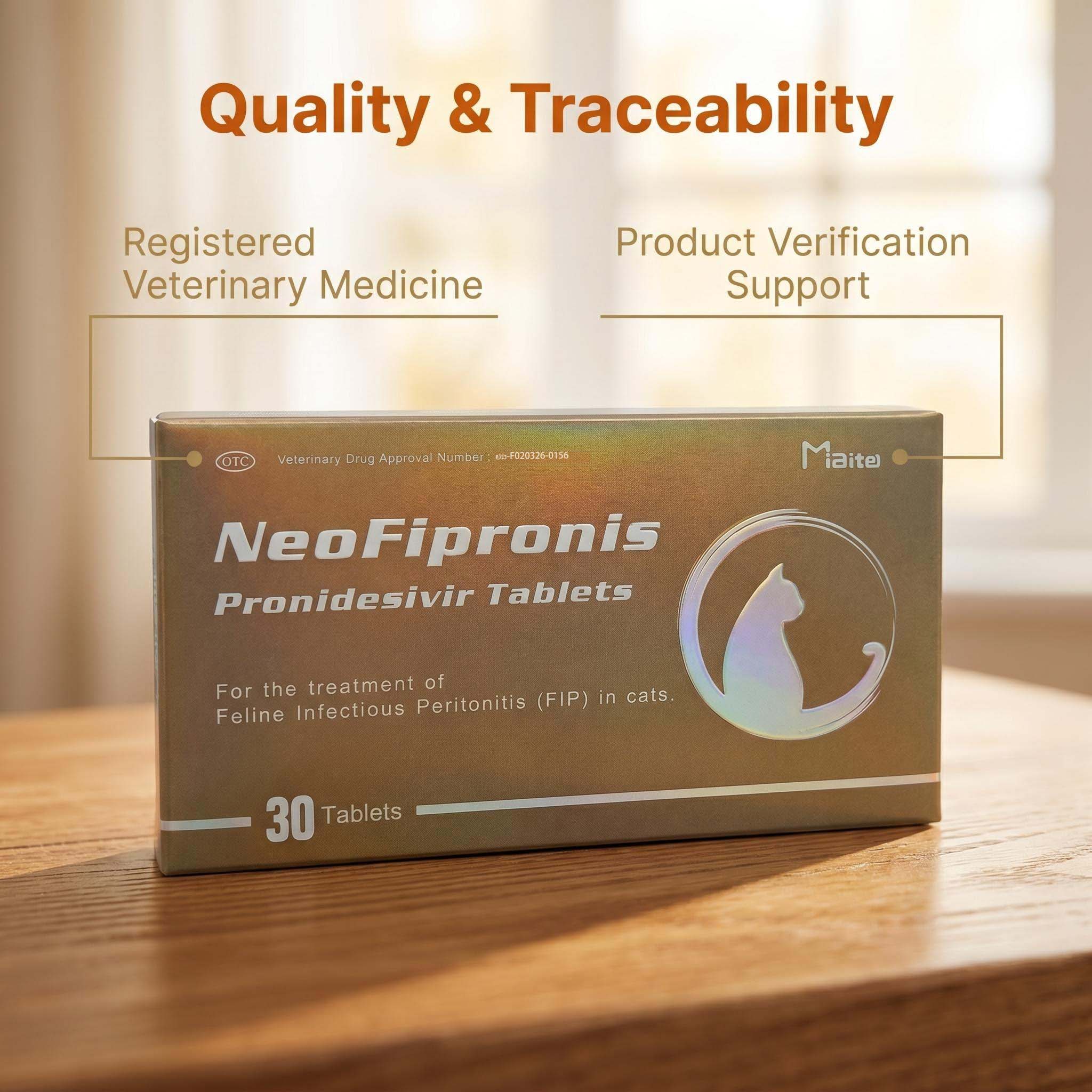
For decades, FIP was considered uniformly lethal. Recent introduction of nucleoside analogs—GS-441524 and remdesivir—has revolutionized outcomes, with published cure rates ranging from 80% to 90% for many presentations of FIP. This development has led to a paradigm shift in discussions about timing and diagnosis related to treatment.
The Case for Early Treatment
Given the likelihood of rapid progression and high mortality, many feline clinicians argue for a pragmatic approach: starting FIP medication before definitive diagnosis if clinical suspicion is high. Several points support this view:
FIP progresses quickly, and delays can result in irreversible organ damage.
“Wet” FIP cases, with significant effusion, warrant urgent intervention due to severe fluid shifts, pain, and risk of death.
Clinical diagnostic criteria (age, breed, history, laboratory findings) can often guide presumptive diagnosis with high specificity.
Response to therapy itself can be diagnostic; cats with true FIP frequently show remarkable turnaround within days of treatment.
Many owners and veterinarians face barriers obtaining definitive diagnostic tests, such as biopsy or advanced PCR.
Concerns About Early Treatment
Despite these benefits, concerns persist about starting treatment prior to firm diagnosis:
Nucleoside analog drugs are expensive, have limited availability, and require weeks of administration.
Side effects, while rare, may occur, including gastrointestinal upset, injection site pain, or in rare cases, bone marrow suppression.
Treating non-FIP illnesses with antiviral medication may unnecessarily expose cats to unproven therapies.
Misdiagnosis could mask the actual disease, delaying proper care for treatable conditions other than FIP.
Clinical Decision-Making: Weighing Evidence and Risk
Veterinary clinicians must exercise careful judgment when considering early initiation of medication. Decision-making often revolves around several factors:
Pretest Probability: How likely is the cat to have FIP based on age, breed, history, clinical signs, and laboratory data?
Disease Severity: Is the cat clinically fragile, declining rapidly, or presenting with classic FIP symptoms (e.g., fever unresponsive to antibiotics, fluid effusion, neurological signs)?
Owner Circumstances: Are owners able to afford advanced diagnostics or prolonged therapy? Is supportive care feasible while awaiting further results?
Diagnostic Barriers: Is tissue sampling (biopsy) practical and safe for this patient, or is risk too high due to clinical presentation?
Primary Rule-Outs: Have alternate treatable diseases been carefully considered and excluded?
In practice, many experts recommend beginning FIP therapy if at least two major diagnostic criteria are met and there is no plausible alternative, especially in cats with classic presentations.
Guidelines and Expert Commentary
Leading feline medicine groups such as the American Association of Feline Practitioners (AAFP) and the International Society of Feline Medicine (ISFM) emphasize a balanced approach. Their guidance highlights:
FIP should be considered first in young, purebred, or shelter kittens, especially with compatible signs and supportive laboratory findings.
Antiviral drugs may be initiated “presumptively” when waiting would likely lead to deterioration.
Veterinarians should counsel owners about limitations in diagnostic accuracy and the nature of “tentative” FIP diagnosis.
Follow-up diagnostic testing should continue as possible during therapy, especially if response is suboptimal.
The Role of Diagnostics During Treatment
One unique feature of FIP therapy is that response itself often supports diagnosis. Cats with genuine FIP frequently display rapid improvements—resolution of fever, increased appetite, fluid absorption, and weight gain—within the first days to week of properly dosed antiviral therapy. This “therapeutic trial” acts as a clinical confirmation for many veterinarians and owners.
However, careful monitoring remains essential. Cats not improving or worsening following therapy must be reassessed for alternative diagnoses or complications (such as secondary infections, drug complications, or concurrent diseases).
Case Examples
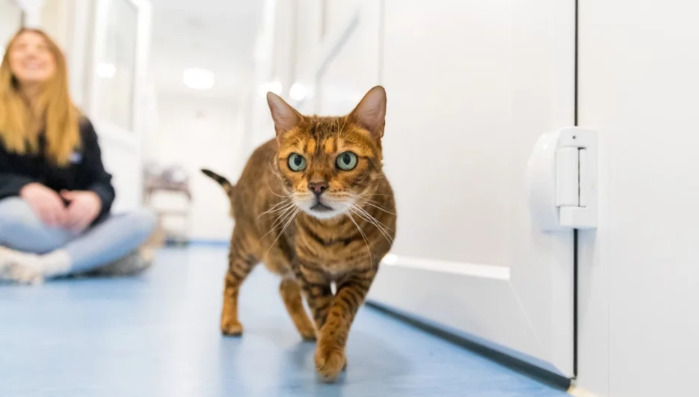
Scenario 1: A 9-month-old Bengal kitten presents with persistent high fever, abdominal fluid, and anemia. Fluid analysis is compatible with FIP, but coronavirus PCR is unavailable. The veterinarian recommends immediate initiation of GS-441524 with close monitoring. The kitten shows dramatic improvement in 48 hours; therapy continues for 12 weeks, ending in full recovery.
Scenario 2: An older cat presents with similar abdominal effusion, but fluid analysis suggests neoplasia. Diagnosis remains inconclusive after initial tests. In this case, the veterinary team pursues additional diagnostics before therapy, ensuring differential diseases are ruled out.
Scenario 3: A shelter kitten shows neurological signs and bloodwork compatible with FIP, but definitive tests are delayed. Given high pretest probability, treatment with remdesivir is begun alongside supportive care. The kitten stabilizes and additional confirmation is gained once PCR returns FIP-positive.
Legal and Ethical Considerations
The use of FIP-specific medications is subject to regulatory and ethical guidelines. Many drugs are not fully licensed in all jurisdictions, and may be available only under compassionate-use protocols. Veterinarians must disclose all relevant information to owners and operate within legal frameworks, ensuring informed consent and transparency.
Key Points for Cat Guardians
If your cat displays signs suggestive of FIP, prompt veterinary assessment is critical.
Ask about all possible differential diagnoses. Laboratory tests, imaging, and fluid analysis help guide management.
Discuss the pros and cons of starting treatment before definitive diagnosis with your veterinarian.
Ensure you are fully informed about the medication, monitoring, and possible outcomes.
Impact on Prognosis
Studies show that cats started on antiviral therapy promptly—especially before advanced clinical decline—have much higher chances of remission. Delays, while sometimes unavoidable, can reduce the efficacy of therapy due to irreversible organ damage or secondary complications.
Current and Future Directions
The landscape of FIP diagnosis and treatment is evolving rapidly. Widespread use of telemedicine, improved lab access, and better understanding of coronavirus mutations are reducing barriers. Research on rapid diagnostics and new antiviral combinations are expected to provide even better outcomes.
Veterinary organizations continue to evaluate best practice guidelines, focusing on the balance between urgent therapy and diagnostic accuracy. In many cases, life-saving medication is justified before the “gold standard” diagnosis, provided sufficient evidence and careful oversight are in place.
References
1. Pedersen NC. Feline Infectious Peritonitis. Something Old, Something New. Feline Pract. 2020;48(2):13-22.
2. Felten S, Hartmann K. Diagnosis of Feline Infectious Peritonitis: A Review of the Current Literature. Viruses. 2019;11(11):1068.
3. Addie D, et al. Feline infectious peritonitis: ABCD guidelines on prevention and management. J Feline Med Surg. 2021;23(6):529-541.
4. Gaskell R, et al. Feline coronavirus infection. ABCD guidelines on prevention and management. J Feline Med Surg. 2007;9(4):212-218.
5. Krentz D, et al. Clinical efficacy of GS-441524 in cats with naturally occurring feline infectious peritonitis. J Feline Med Surg. 2021;23(6):1193-1199.
6. Tasker S. Diagnostic Approach to FIP in Cats. Vet Clin North Am Small Anim Pract. 2023;53(2):305-324.
7. American Association of Feline Practitioners (AAFP). FIP Diagnosis and Management Guidelines. [Online] 2023.
8. International Society of Feline Medicine (ISFM). FIP Diagnosis and Treatment: Expert Guidelines. [Online] 2023.
9. Lowe J, et al. Compassionate Use of GS-441524 for FIP: Experiences in the US. Feline Med Rev. 2022;4(8):180-199.
10. Kipar A, Meli ML. Feline Infectious Peritonitis: Still an Enigma? Vet Pathol. 2014;51(2):505-526.