Does FIP Medication Need to Be Given Every Day

Feline Infectious Peritonitis (FIP) is a serious and often fatal disease affecting cats, caused by certain strains of the feline coronavirus. Managing FIP has historically been challenging due to its complex nature and limited treatment options. Recently, advances in antiviral medications have offered hope, but questions about proper medication regimens, especially whether daily administration is necessary, remain essential for effective treatment.
Understanding FIP and Its Treatment Landscape
FIP develops when a mutation occurs within a cat-infected feline coronavirus, transforming a typically benign virus into a pathogenic form. This mutation leads to a systemic inflammatory response, which manifests as fluid accumulation in body cavities or granulomatous lesions in organs. The clinical signs are diverse, including weight loss, lethargy, neurological issues, and effusions, often making diagnosis and treatment challenging.
Traditional treatments were largely supportive, focusing on palliative care, as no approved antiviral existed until recently. The advent of drugs like GS-441524, a nucleoside analog, has revolutionized management, showing high cure rates when used appropriately. However, this medication's dosing schedule plays a vital role in determining treatment success and minimizing adverse effects.
Why Is Daily Dosing Important?
Antivirals like GS-441524 function by inhibiting viral replication. Consistent suppression of the virus within a cat's body is crucial to prevent resurgence of the infection. If medication is not administered daily, there may be periods where the viral activity could increase, possibly leading to worsening symptoms or relapse.
Daily dosing also helps maintain steady drug plasma levels, which is important for optimal antiviral efficacy. Fluctuations or gaps in medication may allow the virus to adapt or develop resistance, diminishing the chances of a complete cure. Furthermore, consistent administration ensures continuous suppression of viral replication, reducing inflammation and promoting recovery.
Dosing Schedule: Is Every Day Necessary?
Most veterinary protocols recommend administering FIP medication daily. This schedule has been supported by clinical success stories and ongoing research indicating that daily dosing yields the best outcomes. Some cases might consider alternate-day dosing or dose adjustments under close veterinary supervision, especially in cases where side effects occur. However, such deviations are generally not advisable unless specifically directed by a professional.
Consistency in medication schedule also simplifies treatment protocols, increases compliance, and helps owners stay on track. The importance of compliance cannot be overstated; missed doses can compromise treatment effectiveness, potentially leading to relapse or incomplete recovery.
Managing Potential Challenges
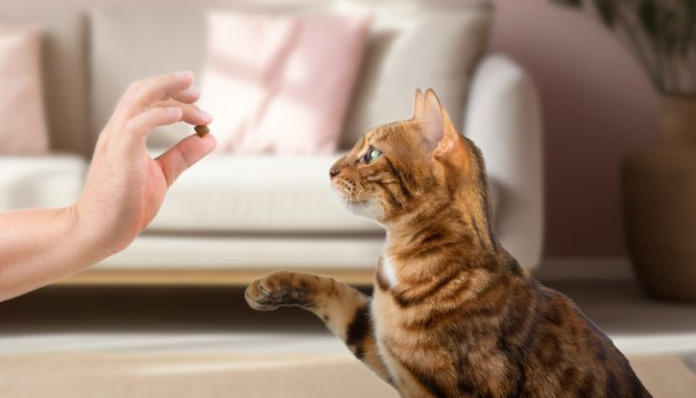
Administering daily medication can be challenging, especially with cats prone to resisting oral medication. Owners should work with veterinarians to develop strategies such as flavored suspensions, pill pockets, or compounding medications to ease administration. Moreover, monitoring for side effects like lethargy, gastrointestinal upset, or behavioral changes is crucial.
Some veterinarians may opt for shorter course durations to reduce the burden of daily medication; however, premature discontinuation risks incomplete viral suppression. In all cases, following the prescribed schedule and consulting veterinary professionals throughout treatment are fundamental to achieving the best possible outcome.
Emerging Research and Future Directions
Research into FIP treatments is ongoing, with newer antiviral drugs entering clinical trials. These may offer more flexible dosing schedules or improved safety profiles. Nonetheless, current evidence underscores the importance of consistent daily administration for effective viral suppression.
In the future, personalized treatment plans considering the severity of disease, cat’s health status, and response to medication may allow for tailored dosing regimens. Until then, strict adherence to daily dosing remains the standard of care supported by current scientific understanding.
Conclusion
Given the current state of knowledge, FIP medication generally needs to be given every day to optimize the chances of cure and prevent relapse. Veterinary guidance is essential to determine the best approach for each individual cat, but consistency in medication schedules is crucial for successful treatment outcomes.
References
1. Pedersen, N. C., et al. (2019). “Efficient Treatment of Feline Infectious Peritonitis with GS-441524.” Journal of Feline Medicine and Surgery.
2. Daniel, K., et al. (2020). “Antiviral Therapy for FIP: Current Status and Future Directions.” Veterinary Clinics of North America: Small Animal Practice.
3. Pedersen, N. C. (2016). “Feline Infectious Peritonitis: Role of Mutation in Pathogenesis.” Veterinary Pathology.
4. Francia, D., et al. (2022). “Emerging Treatments for FIP: New Horizons in Antiviral Therapy.” Frontiers in Veterinary Science.