What Side Effects Can Occur With FIP Medication

Feline Infectious Peritonitis (FIP) is a devastating disease affecting cats worldwide. It is caused by a mutated strain of feline coronavirus, typically resulting in severe inflammation in various organs. Until recent years, FIP was considered nearly always fatal. The development of novel antiviral medications, particularly nucleoside analogs like GS-441524, has revolutionized FIP management and offered hope for afflicted cats and their owners.
While these medications have proven to extend life expectancy and improve the quality of life for many FIP cats, understanding their side effects is crucial for pet parents and veterinarians. This article provides an extensive exploration of the possible side effects associated with currently available FIP treatments, emphasizing the importance of monitoring and supportive care.
Common Medications Used to Treat FIP
Most FIP treatments focus on halting the replication of the feline coronavirus. The most widely used and researched medication is GS-441524, a nucleoside analog similar to remdesivir in human medicine. Other drugs, such as remdesivir itself, molnupiravir, and compounds like GC376, are sometimes employed under experimental conditions or compassionate use provisions.
These medications are often administered either as daily injections or oral formulations, typically over a prolonged course of several weeks to months. Dosage, duration, and method of administration depend on the medication used, the form of FIP (wet or dry), the age and weight of the cat, and the severity of symptoms at diagnosis.
Overview of Side Effects by Drug Class
Frequent side effects associated with FIP medications arise from their primary action: interference with viral replication at the cellular level. Since these compounds can affect normal cellular processes in addition to their antiviral activity, both minor and significant side effects may appear. Furthermore, administration method (injection versus oral) contributes specific risks.
Side effects are categorized as follows:
1. Injection site reactions
2. Gastrointestinal disturbances
3. Hematological abnormalities
4. Hepatic and renal changes
5. Neurological signs
6. Allergic and immune responses
Injection Site Reactions
The most commonly reported side effect with nucleoside analogs, especially GS-441524, is localized injury at the injection site. These injections are typically administered subcutaneously.
Cats often develop swelling, redness, and localized pain. Some may even experience scarring, crusting, or minor ulcerations if the injection is not given properly or if the cat is particularly sensitive. Owners may notice their cat licking or grooming the spot excessively after administration. Veterinarians recommend rotating injection sites and using proper technique to minimize discomfort. Cold compresses and topical wound care may be advised for more severe reactions.
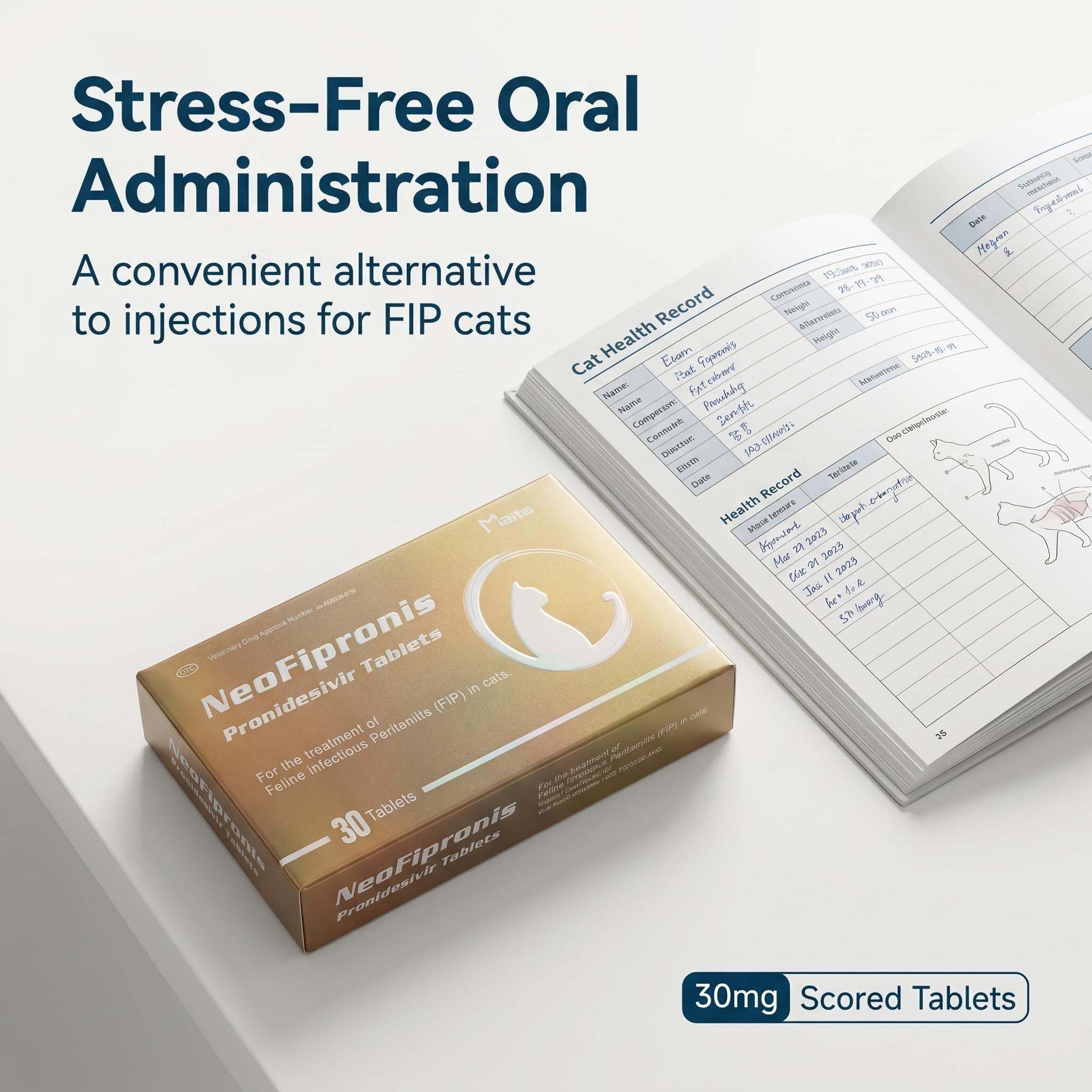
An oral formulation of GS-441524 is available in some regions and eliminates injection site problems, but comes with other risks.
Gastrointestinal Disturbances
Oral FIP medications, including GS-441524 tablets or liquid, can induce GI upset. Side effects range from mild to severe:
Nausea and vomiting: Some cats refuse medication due to its bitter taste or develop vomiting shortly after administration.
Diarrhea: Loose stools are sometimes reported. Persistent diarrhea may warrant a temporary halt or switch in therapy.
Poor appetite: Cats may reject food for several hours after medication.
Most GI symptoms improve with dose adjustment, alternate medication flavoring, or administration with food.
Hematological Abnormalities
Drug-induced changes in blood cell counts can occur with some antiviral treatments. Reported effects include:
Leukopenia: Lower white blood cell counts potentially increase infection risk.
Anemia: Diminished red blood cells could exacerbate weakness and lethargy, especially in cats with advanced FIP.
Thrombocytopenia: Reduced platelets are rare but may cause bruising or increased bleeding risk.
Routine blood testing is recommended throughout therapy to detect issues early.
Hepatic and Renal Changes
Some FIP medications, particularly GS-441524 or remdesivir, can cause mild to moderate elevations in liver enzymes. These are usually reversible but indicate stress on the liver. In a minority of cases, jaundice (yellowing of the skin or eyes) may occur, requiring urgent evaluation.
Kidney function abnormalities are much less common, but regular monitoring is important. Cats with pre-existing kidney or liver disease may be at higher risk and require adjusted dosages.
Neurological Signs
FIP itself can affect the brain and nervous system, resulting in "dry" neurological FIP. Interestingly, some antiviral drugs have side effects that overlap with these symptoms. Seizures, tremors, or ataxia (loss of coordination) can be seen in rare cases. It is not always easy to tell if these symptoms are being caused by the medication or by advancing FIP.
Higher doses of certain medications may penetrate the blood-brain barrier, improving neurological FIP outcomes, but occasionally also increasing risk of side effects.
Allergic and Immune Responses
While uncommon, hypersensitivity reactions can develop. Cats may show signs of facial swelling, difficulty breathing, or intense itching following medication. Immediate veterinary attention is required if these symptoms emerge. Some immune system responses, such as mild fevers or lethargy, may develop secondary to therapy.
Long-term Effects and Unknown Risks
Because many FIP medications are new, and few have been subject to large-scale controlled trials, the long-term side effect profile is still being uncovered. Most published studies and anecdotal reports indicate relatively good tolerability for drugs like GS-441524 with proper monitoring and care.
It is possible, however, for side effects to manifest after several weeks or months of therapy, particularly with higher doses or prolonged use. Possible risks under investigation include impacts on growth in young cats, hormonal disruption, and potential effects on fertility and immunity.
Monitoring and Mitigating Side Effects
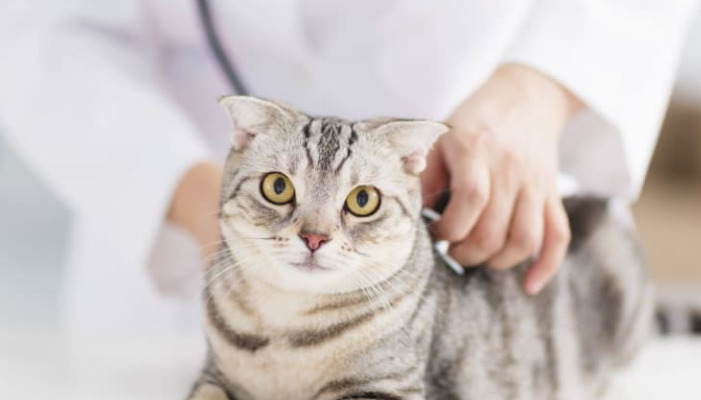
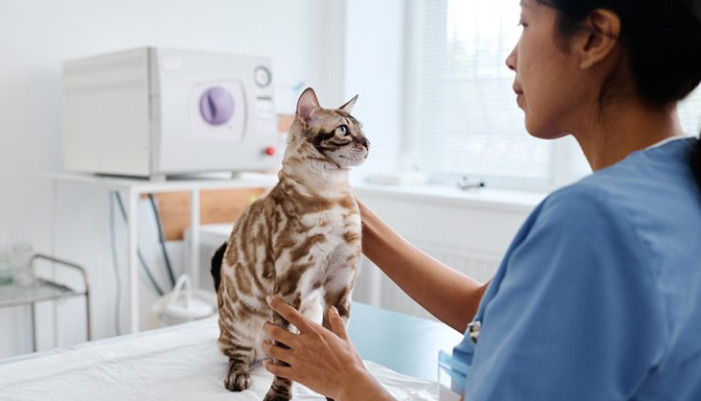
Veterinarians play a pivotal role in balancing the lifesaving benefits of FIP medication against the risk of side effects. Standard practice involves:
Regular physical exams and blood work to assess organ function
Periodic liver and kidney panels
Adjustments in dose or medication form based on tolerance
Supportive treatments, such as anti-nausea medications, pain relief for injection site reactions, and nutritional support
Clients are encouraged to maintain open communication with their veterinary team, promptly reporting any unusual symptoms or concerns.
Case Studies and Published Findings
Various case reports from veterinary clinics and research institutions across the United States have documented side effect profiles in FIP cats successfully treated with GS-441524, remdesivir, and similar agents. Most cats experience mild to moderate side effects that are manageable with routine care and do not require discontinuation of therapy. Severe adverse reactions remain rare, with most cats experiencing dramatic improvement in their symptoms.
FIP medication side effect data are also being compiled in databases to refine safety guidelines and inform future therapeutic decisions.
Controversies and Current Research
Off-label use and sourcing of FIP medications remain controversial in the U.S., due to regulatory and legal challenges. Some medications lack FDA approval for use in cats, and owners may face hurdles obtaining them through nontraditional channels.
Despite challenges, ongoing clinical trials and published studies continue to shed light on optimal dosing, duration, and side effect management. Many veterinary research teams are working to make these lifesaving drugs safer and easier to administer for all feline patients.
Conclusion
While FIP medications offer hope where none once existed, all medications carry a risk of side effects. Recognizing and managing these risks—especially in collaboration with a qualified veterinary professional—is essential for ensuring the best possible outcome for cats with FIP.
Knowledge about FIP drug side effects is continuously evolving as more cats undergo treatment and more medicines reach the market. Staying informed, practicing vigilant monitoring, and maintaining a strong relationship with your veterinarian are key steps in navigating the complexities of FIP therapy.
References
Pedersen NC. "The History of Feline Infectious Peritonitis: 1963–2008." Journal of Feline Medicine and Surgery.
Murphy BG et al. "Efficacy and safety of GC376 for treatment of cats with naturally occurring feline infectious peritonitis." Journal of Feline Medicine and Surgery.
Dickinson PJ et al. "Antiviral therapy with GS-441524 shows promise for treating feline infectious peritonitis." Veterinary Microbiology.
Krentz D et al. "Pharmacokinetics and safety of GS-441524 administered intravenously and orally in cats." Journal of Veterinary Pharmacology and Therapeutics.
Addie DD et al. "Long-term follow-up of cats treated for feline infectious peritonitis with GS-441524." Journal of Feline Medicine and Surgery Open Reports.
Hartmann K. "Feline infectious peritonitis." Veterinary Clinics of North America: Small Animal Practice.
American Association of Feline Practitioners. "2022 FIP Treatment Guidelines."