How Soon Can You See Improvement After Starting FIP Medication
Feline Infectious Peritonitis, commonly abbreviated as FIP, is a feared and historically fatal disease in cats. For cat parents confronted with a diagnosis, the advent of antiviral medications like GS-441524, molnupiravir, and remdesivir has completely changed the outlook for affected cats. One of the top questions cat owners ask is: How soon can improvement be expected after beginning FIP medication? Understanding this timeline helps set realistic expectations and guides critical care decisions.
Understanding FIP and Its Treatment Modalities
FIP was first described in the 1960s and, for decades, was considered invariably fatal. The disease originates from a common feline coronavirus (FCoV), which mutates and triggers a severe immune reaction. FIP can present as a "wet" form with fluid accumulation or a "dry" form showing organ granulomas and neurological involvement.
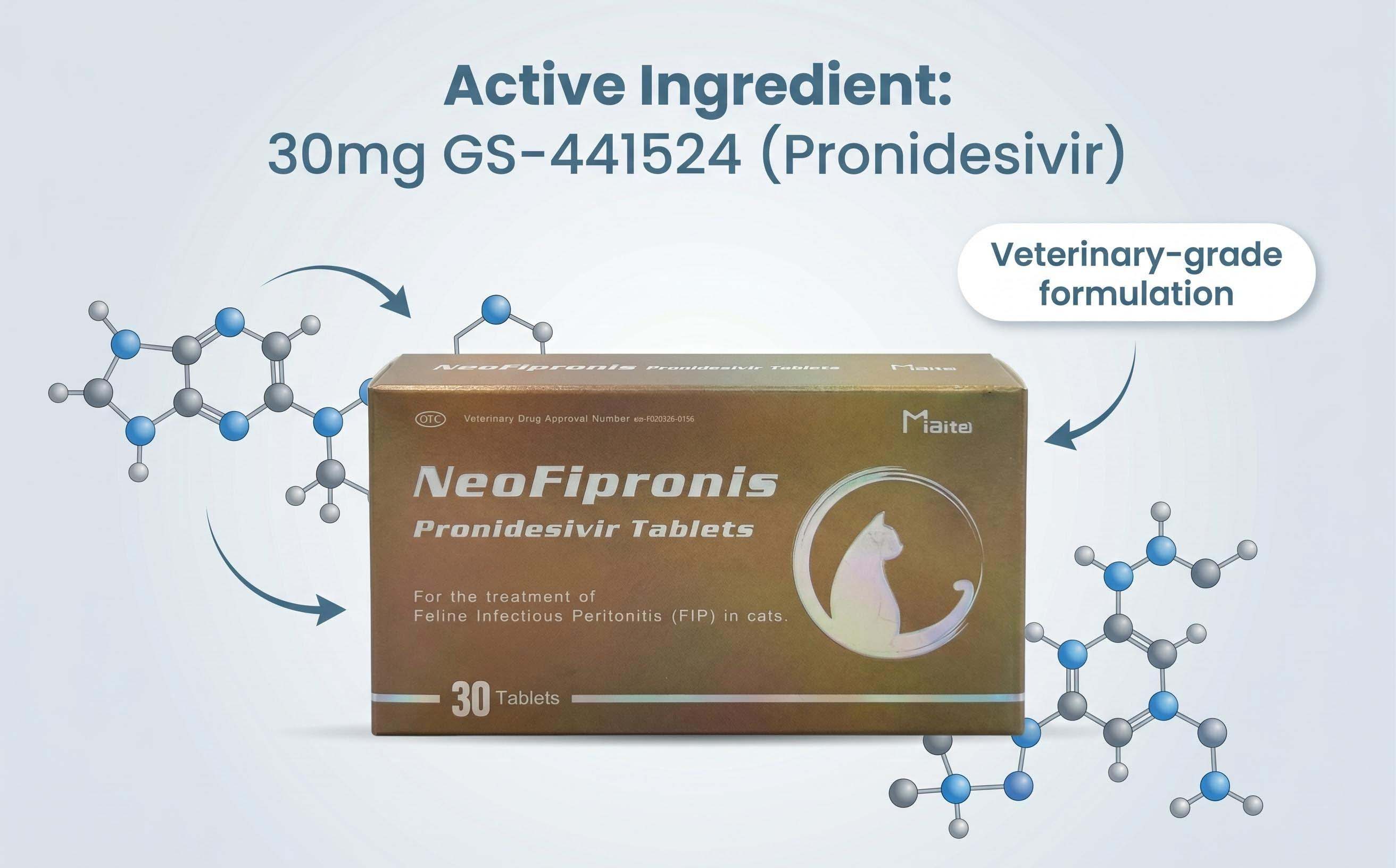
Typical symptoms include persistent fever, lethargy, appetite loss, jaundice, abdominal distension, weight loss, and neurological signs depending on involvement. The only definitive treatment, recognized since around 2019, has involved antiviral nucleoside analogs that directly inhibit replication of the mutated coronavirus. Of these, GS-441524 has emerged as the gold standard, with molnupiravir and the human-use remdesivir available occasionally for veterinary off-label use.
Immediate Physiological Response in Cats Treated for FIP
Every cat responds differently depending on factors like disease severity, duration before diagnosis, FIP form, organ involvement, and overall health. Most published case series, including those from Dr. Pedersen’s team and large international groups, note an average initial response within 24 to 72 hours after the first dose of GS-441524.
Fever Reduction: Persistent fever unresponsive to antibiotics is a hallmark of FIP. Owners and veterinarians often report that fever can normalize within 1 to 3 days of initiating antiviral therapy. This is usually the first measurable clinical improvement.
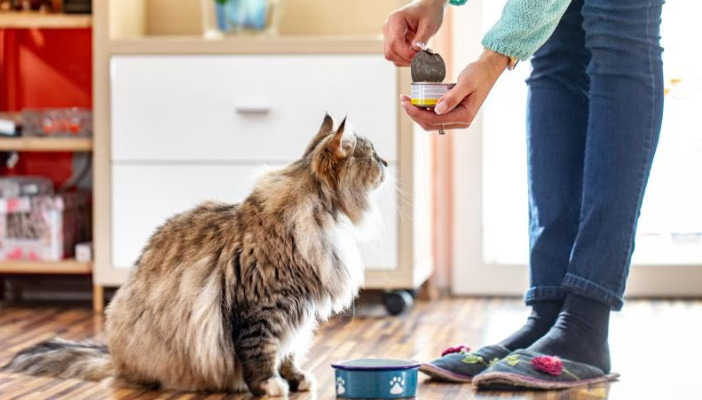
Appetite: Loss of appetite is common in FIP-affected cats. Restoration of appetite and interest in food is typically achieved within 3 to 5 days after starting medication, sometimes sooner in mild cases.
Energy Levels: Lethargy and decreased activity tend to improve in tandem with fever reduction. By days 3 to 7, many cats show increased responsiveness, grooming, and general alertness.
Fluid Resorption and Organ Function (Wet and Dry Forms)
Cats with the wet (effusive) form often display dramatic improvement in the weeks following medication:
Abdominal/Thoracic Fluid: Fluid accumulation may take longer to resolve. While fever and appetite often recover within the first week, visible decreases in abdominal distension or respiratory effort usually start between 1 to 3 weeks of therapy. In some cases, complete fluid resorption may take up to six weeks.
Laboratory Values: Critical bloodwork markers such as total protein, albumin to globulin ratio, liver and kidney parameters may begin to normalize after one to two weeks but can take several months to fully stabilize. Serial monitoring is needed.
Cats with neurological FIP or dry (non-effusive) forms may present a slower and less predictable timeline for visible improvement, particularly regarding mobility, seizures, or ocular signs. Initial reduction of fever and improvement in demeanor may fall within the first week, but specialized neurological status sometimes lags behind other improvements and may take several weeks.
Week-by-Week Timeline of Expected Responses
Every therapeutic journey is unique, but most cats receiving GS-441524 follow a general pattern of response:
Days 1–3: Fever resolves; early appetite and energy improvement.
Days 4–7: Marked increase in activity, eating, grooming, and social behaviors.
Week 2: Abdominal/thoracic fluid begins significant reduction, appetite normalizes, weight gain may start.
Week 3–4: Continued resolution of fluid and improvement in laboratory values. Most secondary symptoms fade.
Weeks 4–6: Advanced neurological or ocular deficits, if present, may begin to recover or improve.
Weeks 7–12: Long-term normalizations, continued weight gain, coat and behavior return to pre-disease baseline.
What Factors Influence Improvement Speed?
1. Disease Severity and Duration:
Earlier intervention, ideally within days of symptom onset, is associated with much faster and more complete responses. Advanced cases with organ failure, protracted anorexia, or neurological involvement may require longer durations for visible improvement.
2. FIP Form:
Cats with pure wet (effusive) FIP tend to recover more rapidly than those with dry or neurological forms. Neurological FIP requires higher medication doses, longer courses, and improvement is more gradual.
3. Medication Dosage and Consistency:
Adequate and consistent dosing is critical. Under-dosing or interrupted treatment can delay or blunt the expected clinical improvement.
4. Concurrent Conditions:
Pre-existing conditions such as kidney or liver disease, concurrent infections, or secondary complications might delay recovery.
5. Cat’s Age & Immune Status:
Kittens and young adults typically respond best, while older cats may show slower progress.
Key Clinical Indicators That Signal Recovery
Appetite Restoration: One of the most telling early signs.
Normal Temperature: Most cats regain normal body temperature in the first 72 hours.
Energy and Behavior: Return to normal play, grooming, and social interaction.
Fluid Resorption: Progressive decrease in abdominal/thoracic fluid.
Laboratory Normalization: Improvement in anemia, protein ratios.
Weight Gain: Consistent weight increase over several weeks.
When Improvement Is Not Seen: Troubleshooting
If improvement is not seen within the first 7 to 10 days, several factors might be at play:
Incorrect diagnosis: FIP mimics other illnesses.
Inadequate dosing: Review medication quality and dosages.
Advanced disease: Organ irreversible damage may lengthen response time.
Drug Resistance: Rare, but possible with prolonged, incomplete courses.
Secondary infections: Bacterial or fungal infections can mask clinical improvement.
In such cases, collaboration with a feline or veterinary internal medicine specialist for re-evaluation, dosage adjustment, or adjunct therapies is recommended.
Monitoring During Treatment: Objective Measures
Regular veterinary rechecks, including physical exams, thoracic and abdominal ultrasounds, and bloodwork (CBC, serum biochemistry, A:G ratio, globulins), are invaluable in tracking both improvement and guiding ongoing treatment. Owners should record appetite, activity level, temperature, fluid status, and bathroom habits daily throughout the medication course.
Long-Term Prognosis and Relapse Prevention
After significant clinical improvement, medication must continue for the prescribed protocol duration (typically 12 weeks) even if the cat appears fully recovered. Premature cessation risks relapse. Most treated cats who complete the full course remain symptom-free, although a small percentage may need extended therapy.
Case Studies: Real-World Improvement Timelines
A survey of FIP survivor case reports reveals:
"Bella," a 2-year-old female DSH, diagnosed with effusive FIP, became afebrile within 36 hours and resumed eating within 3 days of starting GS-441524. Abdominal fluid resolved in 2 weeks.
"Olive," a 4-month-old kitten with neurological FIP, began showing improved mobility after 2 weeks and required 16 weeks of therapy for full recovery.
A multicenter study (Pedersen et al., 2019) reported more than 80% of cats saw fever improvement within 2–4 days and regained normal activity by week 2.
These case studies reinforce expected timelines and emphasize individual variation.
How Owners Can Support Recovery
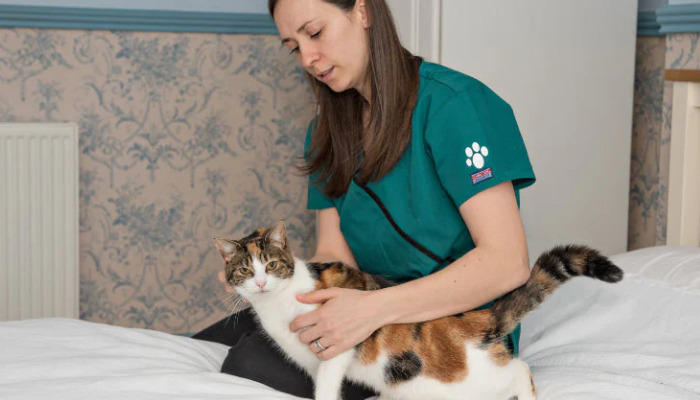
Optimal home nursing includes providing easily accessible water and food, maintaining warmth and comfort, minimizing stress, monitoring symptoms closely, maintaining veterinary communication, and strictly adhering to medication protocols.
Risks and Warning Signs
While improvement is expected, a minority of cats may deteriorate or relapse. Warning signs include persistent fever, worsening lethargy or neurological function, progressive fluid accumulation, jaundice, or refusal to eat past 5–7 days. These necessitate urgent veterinary intervention and may indicate the need for dose adjustment or additional supportive care.
Frequently Asked Questions
1. How quickly should I see my cat feel better after starting FIP meds?
Usually 1–3 days for fever and appetite. Full resolution of symptoms varies by FIP type and individual response.
2. Does the form (wet or dry) of FIP affect how fast improvement happens?
Wet FIP often responds faster to medication than dry or neurological forms.
3. Can my cat get FIP again after recovering?
The risk is very low if the medication protocol is followed fully, although rare relapses have been reported.
4. Is improvement always visible?
Subtle laboratory improvement may precede visible behavioral changes. Regular veterinary checks ensure accurate monitoring.
5. What if my cat doesn’t improve in the first week?
Consult with your veterinarian. Possible reasons include dosing issues, concurrent conditions, or advanced disease.
Conclusion
A prompt and visible clinical response to FIP antiviral medication is typical, especially with early diagnosis and appropriate dosing. Most cats display improved symptoms within the first few days, and clear resolution is expected in weeks. Close monitoring, commitment to the full medication course, and veterinary partnership are essential for optimizing outcomes and ensuring a lasting recovery.
References
Pedersen, N.C., et al. (2019). Efficacy and safety of the nucleoside analog GS-441524 for treatment of cats with naturally occurring feline infectious peritonitis. Journal of Feline Medicine and Surgery, 21(4), 271-281.
Dickinson, P.J., et al. (2020). Antiviral efficacy of GS-441524 in cats with ocular and neurological forms of feline infectious peritonitis. Veterinary Microbiology, 247, 108808.
Krentz, D., et al. (2022). Treatment of feline infectious peritonitis with GS-441524 results in highly effective viral suppression and clinical remission. Veterinary Record, 190(6), e1322.
Addie, D.D., et al. (2023). Practical management of feline infectious peritonitis in the era of antiviral therapy. Feline Medicine and Surgery, 25(5), 402–412.
Gunn-Moore, D.A., & Kipar, A. (2021). Feline infectious peritonitis: update on diagnosis and management. Companion Animal, 26(3), 150–158.