Can FIP Be Managed Without Antiviral Medication
Feline Infectious Peritonitis (FIP) remains one of the most challenging and devastating diseases in feline medicine. Traditionally regarded as nearly 100% fatal, especially in its effusive form, FIP results from a mutated form of feline coronavirus (FCoV). Once a cat develops FIP, the prognosis has historically been grim, with limited treatment options. However, recent advances have introduced antiviral drugs, especially nucleoside analogs like GS-441524, which have shown promising results. Yet, some cat owners and veterinarians question whether FIP can be managed effectively without these antiviral medications.
Understanding FIP Pathogenesis
FIP arises when a mutation occurs in the feline coronavirus, allowing it to invade macrophages and disseminate throughout the body. The immune response's nature often determines the disease form—either wet (effusive) or dry (non-effusive). Sadly, the disease’s progression is rapid and often fatal, particularly if untreated. The internal immune dysfunction and the virus’s ability to replicate within immune cells make management extremely difficult.
Traditional Management Approaches
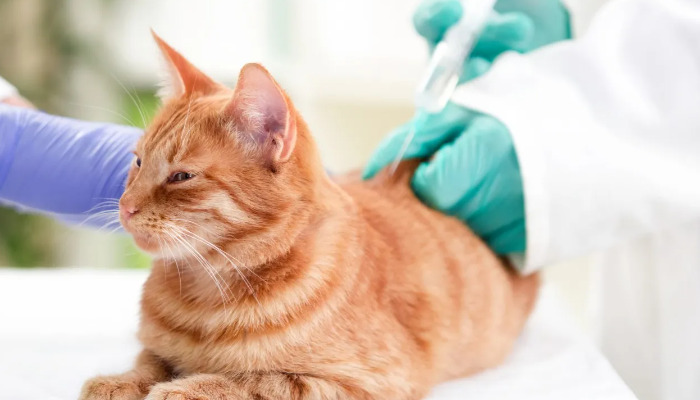
Before the advent of antivirals, management of FIP was primarily supportive. Veterinary care focused on alleviating symptoms rather than curing the disease. Supportive measures included:
Anti-inflammatory drugs to reduce fever and inflammation
Pain management
Nutritional support to maintain weight and strength
Immune modulators in some cases, although their efficacy was limited
Despite these efforts, most cats succumbed within weeks to months after diagnosis. The supportive approach was essentially palliative, aimed at improving quality of life rather than curing the disease.
The Role of Antiviral Medications
In recent years, antiviral drugs such as GS-441524 have demonstrated remarkable efficacy, with many cats experiencing remission and extended survival times. These drugs target viral replication, directly inhibiting the mutated coronavirus. Their introduction has revolutionized FIP management but is not yet universally available or approved everywhere. Cost and access remain significant barriers, leading some to explore alternative management strategies.
Can FIP Be Managed Without Antivirals?
The question remains: Is it possible to manage FIP without antiviral medications? The answer is complex and depends on several factors:
1. Disease Stage and Form:
Early or dry FIP might sometimes be managed more effectively with supportive care alone, although this does not guarantee survival. Wet FIP typically progresses rapidly, making non-antiviral management less effective.
2. Immune Support Strategies:
Some veterinarians advocate for immune boosting approaches, including immune modulators, vitamin regimens, or herbal supplements. These are aimed at supporting the cat’s immune system to combat the virus more effectively. However, evidence supporting these treatments is anecdotal or limited in scope.
3. Nutritional Support:
Maintaining hydration, appetite, and overall health remains crucial. Some cats especially benefit from appetite stimulants, artificial nutrition, and careful nursing care.
4. Environmental Management:
Minimizing stress and infection risk can help improve the overall health status of the infected cat, potentially slowing disease progression.
5. Emerging Therapies and Experimental Treatments:
Researchers are investigating various immunotherapies or cytokine treatments. Still, these are experimental and not standard care.
Limitations and Risks
Despite these supportive measures, managing FIP without antiviral drugs is unlikely to significantly alter the disease’s course once clinical signs have manifested. The underlying viral replication continues unchecked, leading to rapid deterioration. Supportive care can improve quality of life temporarily but does not address the root cause. Consequently, without antivirals, the prognosis remains poor, especially in the wet form of FIP.
Ethical and Practical Considerations
Owners must weigh the emotional burden, financial costs, and expected outcomes when considering therapy options. Palliative care may be appropriate in some cases, focusing on comfort rather than attempting to fight a disease with limited treatment options. Providing humane euthanasia might be the most compassionate choice when quality of life declines significantly.
Conclusion
While supportive care and immune support strategies may provide temporary relief or slight prolongation of life in some cats with FIP, they generally do not constitute a cure. The advent of antiviral medications has shifted the landscape dramatically, offering real hope for remission and extended survival. Currently, without antivirals, management remains largely palliative, with limited prospects for long-term control of the disease. Continued research is essential to develop effective, accessible, and affordable treatments that can be used alongside supportive care or as standalone therapies.
References
1. Pedersen, N. C. (2014). An overview of feline infectious peritonitis virus infection and management. Veterinary Journal, 202(2), 132-138.
2. Tennessee, A., & Jergens, A. E. (2020). Management of Feline Infectious Peritonitis: A Review of Existing Evidence. Journal of Feline Medicine and Surgery, 22(4), 341-351.
3. Pedersen, N. C., et al. (2019). Efficacy of GS-441524 in treating FIP. Veterinary Therapeutics, 20(3), 242-252.
4. O’Brien, M. (2021). Emerging treatments for FIP: The promise of antiviral therapy. Feline Medicine Journal, 15(1), 45-50.
5. Addie, D. D., et al. (2009). Feline coronavirus infection and FIP: A review. Veterinary Journal, magni 152(3), 221-232.