NeoFipronis (Pronidesivir) Benefits, Side Effects, and Precautions Explained
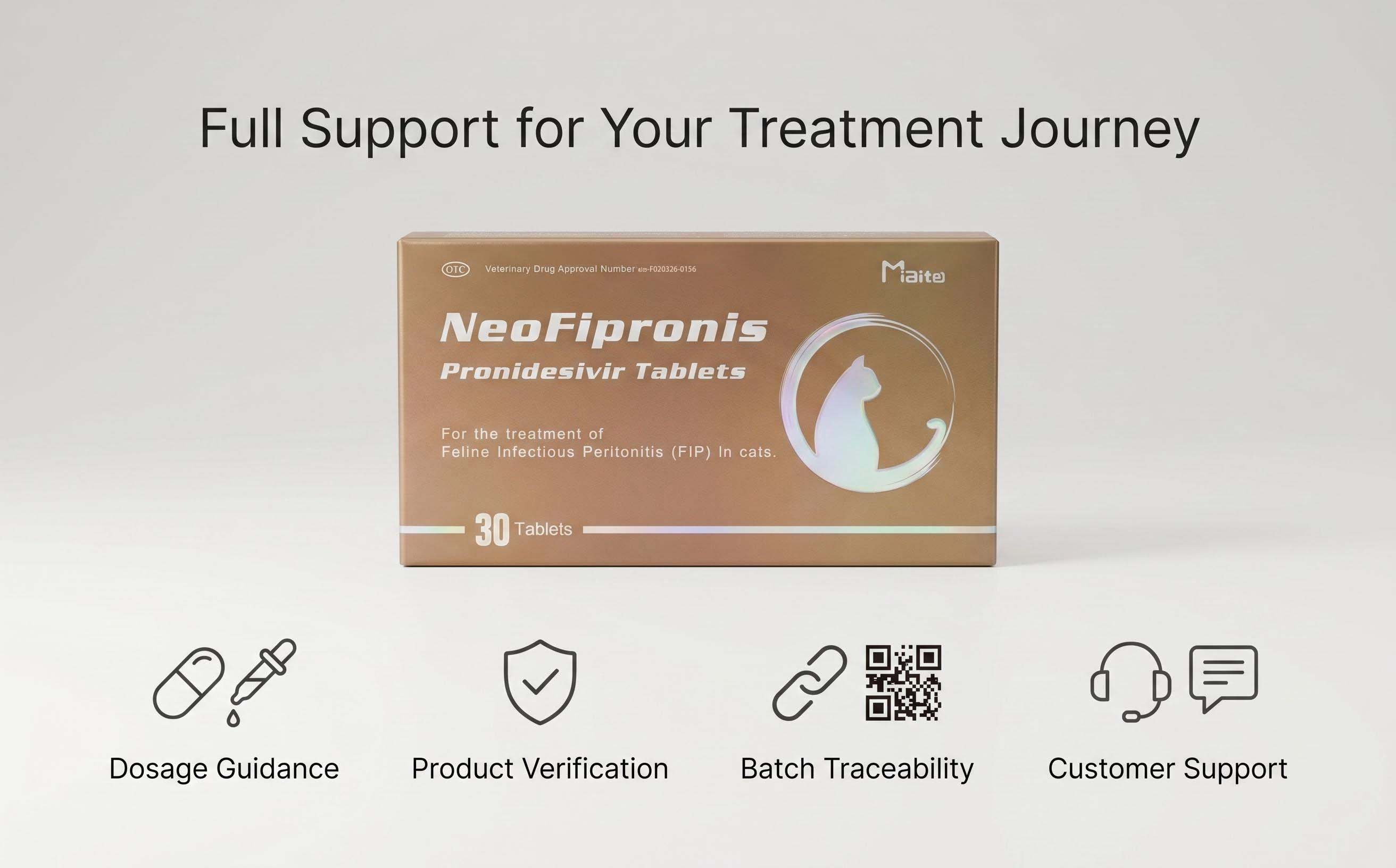
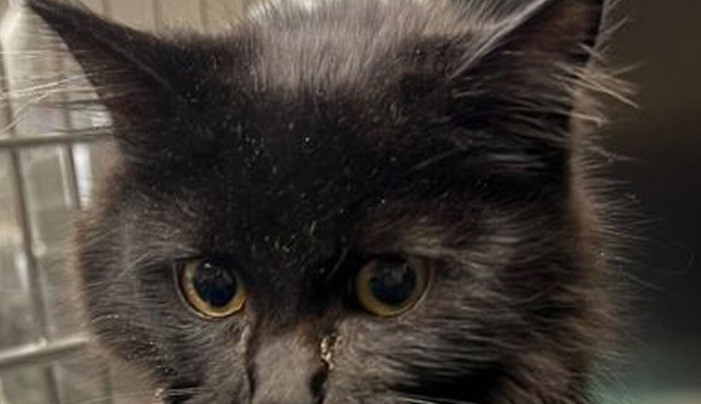
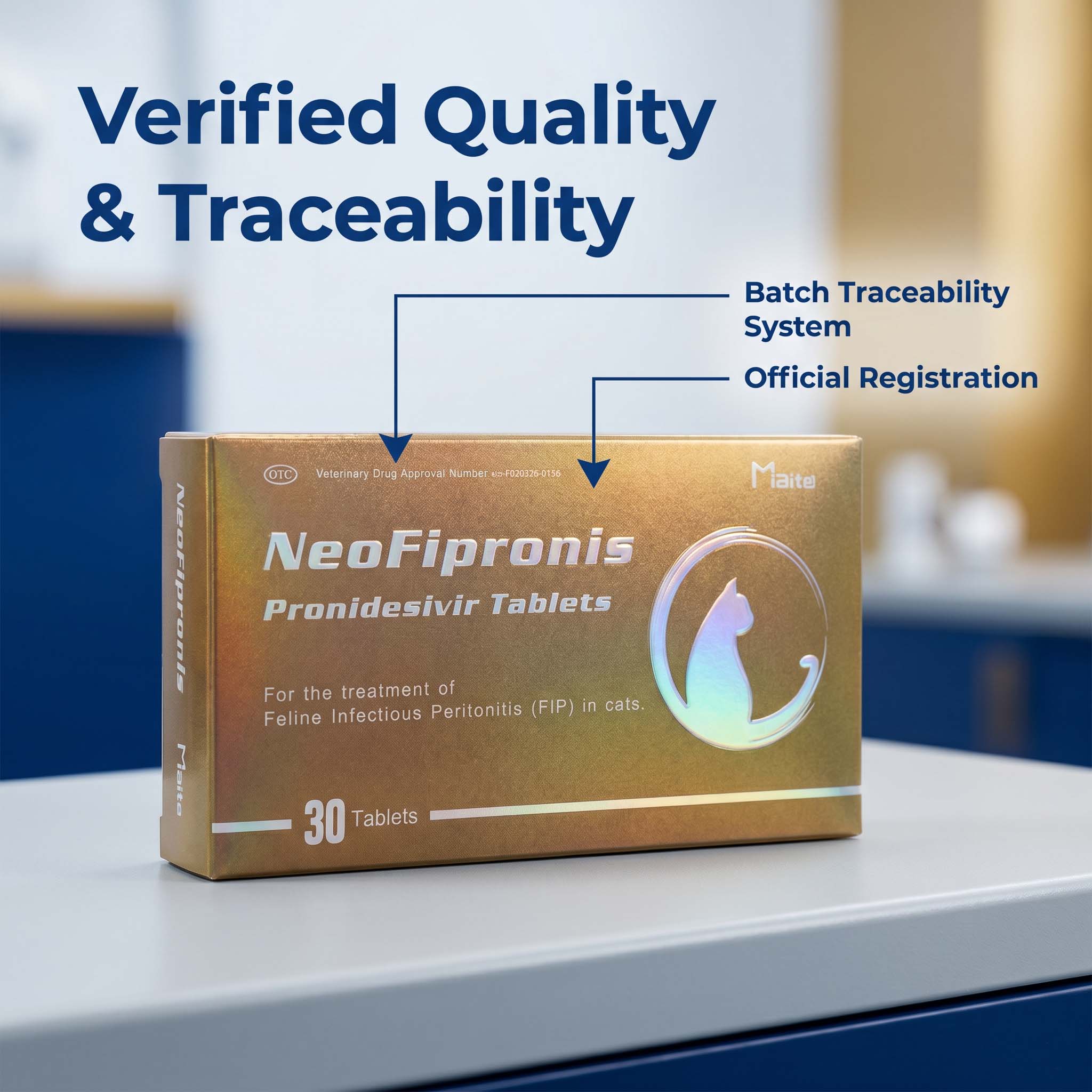
NeoFipronis (Pronidesivir) is a veterinary oral treatment associated with GS-441524, a nucleoside analog widely discussed in the management of feline infectious peritonitis (FIP). FIP is a serious and often life-threatening disease in cats that may cause loss of appetite, lethargy, fever, abdominal swelling, pleural effusion, enlarged lymph nodes, inflammatory granulomas, neurologic signs, and uveitis. In many treatment reports and real-world cases, GS-441524–based therapy has been linked to marked improvement in clinical signs, better appetite, more normal energy levels, and recovery of daily function when used correctly and consistently.
Why NeoFipronis Is Considered for FIP in Cats
NeoFipronis is designed for oral administration, making treatment easier and less stressful than injections for many cat owners. Because it is absorbed quickly and used once daily, it can be practical for long treatment courses. For cats with FIP, especially those showing fever, abdominal fluid, chest fluid, or weakness, a fast-acting antiviral approach is important. Many veterinarians and caregivers favor GS-441524-based products because they are generally well tolerated and have shown strong antiviral activity in clinical use and published experience.
Common Benefits Reported With GS-441524-Based Therapy
Cats receiving appropriate FIP treatment may show improvement within days to weeks. Appetite often returns first, followed by better hydration, reduced fever, and increased activity. In wet FIP, abdominal or thoracic fluid may gradually decrease. In dry FIP, inflammatory masses and lymph node enlargement may become less pronounced over time. In neurologic or ocular FIP, longer and carefully adjusted treatment is often needed, but response can still be significant when therapy is started early and maintained consistently.
Dosage and Administration Guidance
A commonly used oral dose for standard FIP cases is 15 mg/kg once daily, which is often described as half a tablet depending on the product strength. Cats with neurologic or ocular FIP may require higher dosing, often up to 30 mg/kg daily, but this should only be adjusted under veterinary supervision. It is usually recommended to give the medication on an empty stomach, either one hour before feeding or two hours after a meal, to support absorption. Treatment courses should not be interrupted, and many protocols require at least 12 weeks of continuous therapy.
Possible Side Effects and Tolerability
NeoFipronis and other GS-441524-based treatments are generally reported to have a favorable safety profile, but side effects can still occur. Some cats may develop mild vomiting, soft stool, reduced appetite for a short period, or temporary fatigue. Less commonly, laboratory changes in liver or kidney values may appear during treatment, which is why regular blood work is important. Most cats tolerate therapy well when dosing is correct and monitoring is consistent.
Precautions That Matter During Treatment
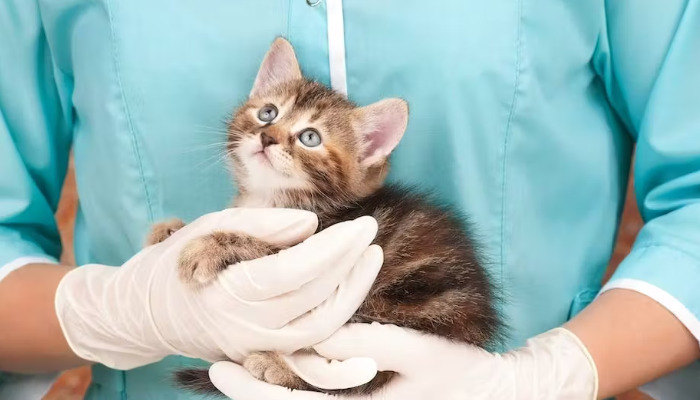
FIP treatment should be monitored by a veterinarian whenever possible, even if the product is sold without a prescription. Caregivers should watch daily for changes in appetite, body temperature, behavior, weight, and breathing. Periodic blood tests, including liver and kidney function, help confirm that the cat is responding safely. The medication must be used only in cats and should never be given to humans. Owners should also confirm product authenticity, packaging integrity, and registration information through official or authorized channels to reduce the risk of counterfeit or low-quality products.
NeoFipronis may be a valuable oral option for cats with FIP when used responsibly, with accurate dosing, uninterrupted treatment, and close veterinary follow-up.