How Fast Do FIP Symptoms Progress
Feline Infectious Peritonitis (FIP) is a serious and often fatal disease that affects cats worldwide. Caused by certain strains of the feline coronavirus (FCoV), FIP develops when the virus mutates and triggers an intense immune response, leading to widespread inflammation within the abdomen, eyes, and nervous system. Understanding how quickly symptoms progress is vital for pet owners and veterinarians to make timely decisions about diagnosis and treatment options.
Onset of Symptoms
FIP does not usually manifest suddenly. The progression varies greatly depending on the form of the disease—wet (effusive) or dry (non-effusive). In many cases, initial signs are subtle and may be mistaken for other illnesses. The incubation period can range from a few weeks to several months after initial infection with FCoV. Cats exposed to the virus may show no signs at all initially, with symptoms developing gradually as the disease advances.
Rapid Progression in Wet FIP
Wet FIP, characterized by accumulation of fluid within body cavities such as the abdomen or chest, tends to progress more rapidly than dry FIP. Once clinical signs emerge, such as lethargy, fever that does not respond to antibiotics, weight loss, and abdominal distension, the disease can advance swiftly.
Timeframe:
Early Stage: Mild symptoms which can last from a few days to a couple of weeks.
Advanced Stage: Clinical deterioration can happen within days to weeks after initial signs.
Outcome: Without intervention, cats with wet FIP often succumb within 1 to 3 weeks after the onset of noticeable symptoms. The rapid accumulation of fluid leads to respiratory distress and abdominal discomfort.
Dry FIP: A Slower, More Insidious Course
Dry FIP is more challenging to diagnose early because its symptoms tend to develop gradually and are less specific. It involves granulomatous lesions instead of fluid accumulation, affecting organs such as the eyes, brain, or liver.
Timeframe:
Initial Symptoms: May include subtle behavioral changes, ocular abnormalities, or neurological signs over several weeks or even months.
Progression: As lesions enlarge, cats may develop jaundice, neurological deficits, or impaired vision.
Outcome: The progression is generally slower than wet FIP but still often leads to significant decline over several months.
Factors Influencing Speed of Progression
Several factors influence how quickly FIP symptoms worsen:
Age: Younger cats, especially kittens under six months, tend to develop rapid and severe disease.
Immune Response: An overly aggressive immune response may accelerate tissue damage, hastening symptom progression. Conversely, some immune responses might contain the disease temporarily, prolonging the course.
Virulence of the Strain: Certain strains of FCoV are more aggressive, leading to quicker disease progression.
Overall Health: Cats with compromised immune systems or concurrent illnesses may experience faster declines.
Diagnostic Challenges
Detecting FIP early is complex. Symptoms often resemble other feline diseases such as lymphoma or other infections. Laboratory tests, including blood work, effusion analysis, and advanced diagnostics like PCR or immunohistochemistry, are necessary for confirmation. These tests do not always detect FIP in the early stages, meaning that by the time symptoms are apparent, the disease may be advanced.
Management and Prognosis
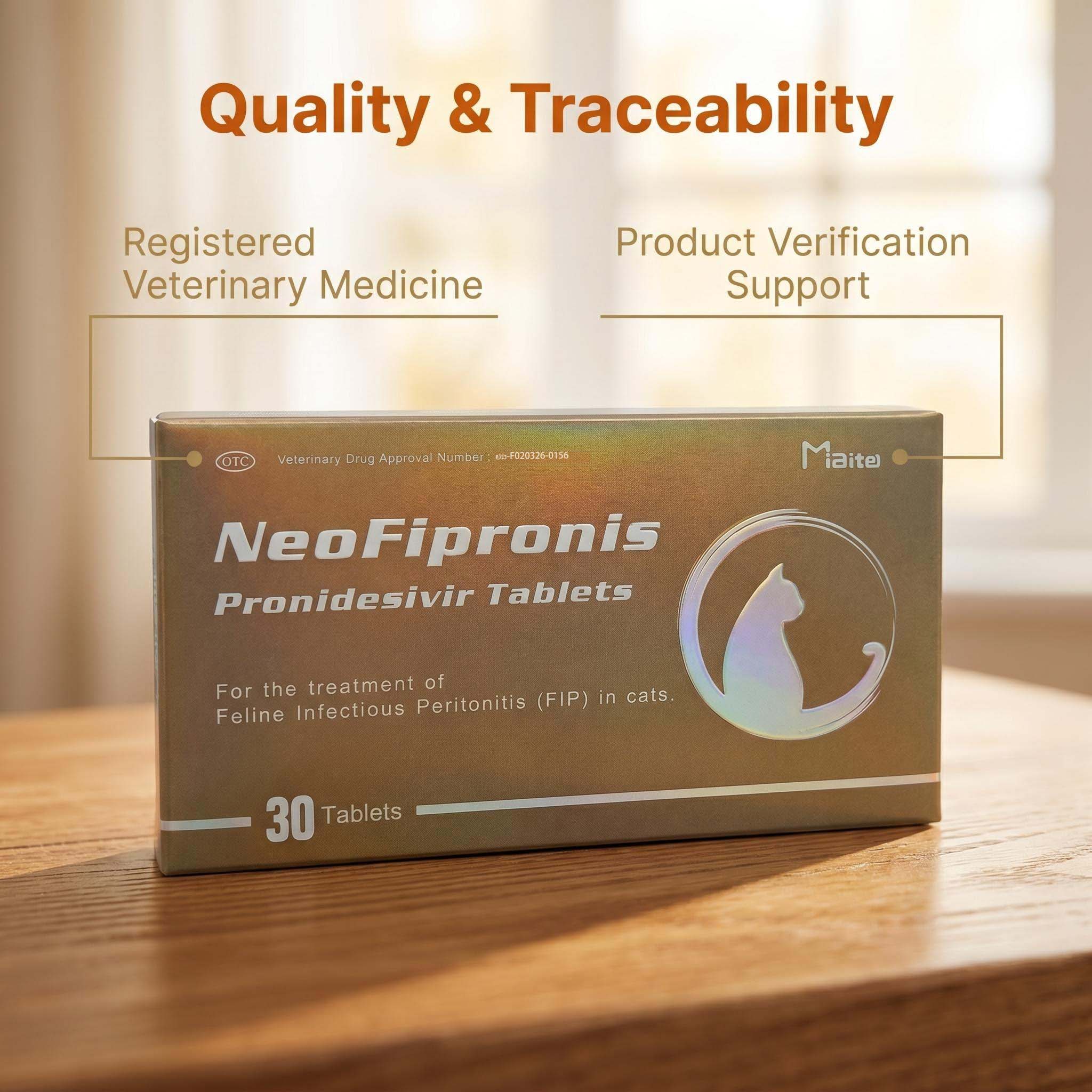
Currently, FIP has been considered almost universally fatal, especially in its classic form. However, recent developments in antiviral therapies, such as GS-441524, have shown promise in managing the disease. These treatments may slow or halt progression if started early, emphasizing the importance of prompt diagnosis.
Supportive care, including fluid therapy, anti-inflammatory drugs, and nutritional support, may prolong life and improve quality of life temporarily. Nonetheless, without effective antiviral treatment, cats often deteriorate rapidly once signs become apparent, especially in wet FIP.
Preventive Measures
Preventing the rapid progression of FIP focuses primarily on controlling exposure to FCoV, especially in multi-cat environments. Regular cleaning, minimizing stress, and reducing overcrowding help decrease the risk. Keeping kittens from early exposure to high-risk environments is also beneficial, as young cats are more vulnerable.
Conclusion
The progression rate of FIP symptoms varies significantly depending on the form of the disease, the individual cat’s immune response, and other factors. Wet FIP tends to escalate quickly, often within weeks of symptom appearance, while dry FIP progresses more slowly over months. Early detection and intervention are crucial, although they remain challenging due to diagnostic limitations. Ongoing research continues to offer hope for more effective treatments and improved prognosis for affected cats.
References
1. Pedersen, N. C. (2014). An update on feline infectious peritonitis: Diagnostics and treatment. The Veterinary Journal, 202(2), 172-177.
2. Taeymans, O., et al. (2017). Feline infectious peritonitis: An update on pathogenesis, diagnosis, and management. Veterinary Medicine and Science, 3(3), 221-230.
3. Pedersen, N. C., et al. (2019). Antiviral therapy for feline infectious peritonitis. Journal of Feline Medicine and Surgery, 21(11), 1014-1020.
4. Hartmann, K., et al. (2010). Feline infectious peritonitis. The Journal of Feline Medicine and Surgery, 12(4), 307-318.