Antiviral Tablets for Feline FIP
Feline infectious peritonitis (FIP) is one of the most serious viral diseases in cats, caused by a mutation of feline coronavirus within the body. Once considered almost universally fatal, FIP is now increasingly manageable because of antiviral therapy, especially oral tablet formulations designed to suppress viral replication. For cat owners, veterinarians, and breeders searching for effective FIP treatment, antiviral tablets have become a major topic because they are easier to administer than injections and can support faster, more consistent daily care.
FIP can affect cats of any age, although young cats and those living in multi-cat environments are often at higher risk. The disease may appear in wet form, dry form, or a mixed presentation. Wet FIP commonly causes abdominal or thoracic effusion, while dry FIP often leads to granulomatous lesions in organs, eyes, or the nervous system. The severity of symptoms depends on immune response, viral burden, and the organs involved.
Clinical Signs and Disease Burden
Early recognition of FIP is important because treatment outcomes are often better when antiviral therapy begins promptly. Common signs include persistent fever, weight loss, poor appetite, lethargy, and a generally unthrifty appearance. Cats may also show fluid accumulation in the abdomen or chest, making breathing or movement difficult. Dry FIP can present more subtly, with enlarged lymph nodes, eye inflammation, or neurological abnormalities such as weakness, wobbliness, seizures, or altered behavior.
The disease can be challenging to diagnose because many symptoms overlap with other infections, inflammatory conditions, and cancers. Veterinarians often rely on a combination of history, physical examination, bloodwork, imaging, fluid analysis, and sometimes advanced diagnostics. Because the disease progresses quickly in some cats, clinicians often consider treatment decisions before every diagnostic question is fully resolved.
Oral Antiviral Tablets for FIP
Antiviral tablets for feline FIP are designed to inhibit viral replication and reduce the damage caused by the infection. Among the oral options, GS-441524-based formulations are widely discussed because of their strong activity against feline coronavirus replication. Oral tablets offer practical advantages for many households, especially when long-term daily treatment is required.
Tablets are often preferred when caregivers need a less stressful method than injections. They can be easier to store, transport, and administer, particularly for cats that resist syringe-based medication. A reliable oral product may also improve adherence, which is essential because missed doses can interfere with therapeutic response. In a disease that often requires weeks to months of consistent treatment, convenience can influence real-world success.
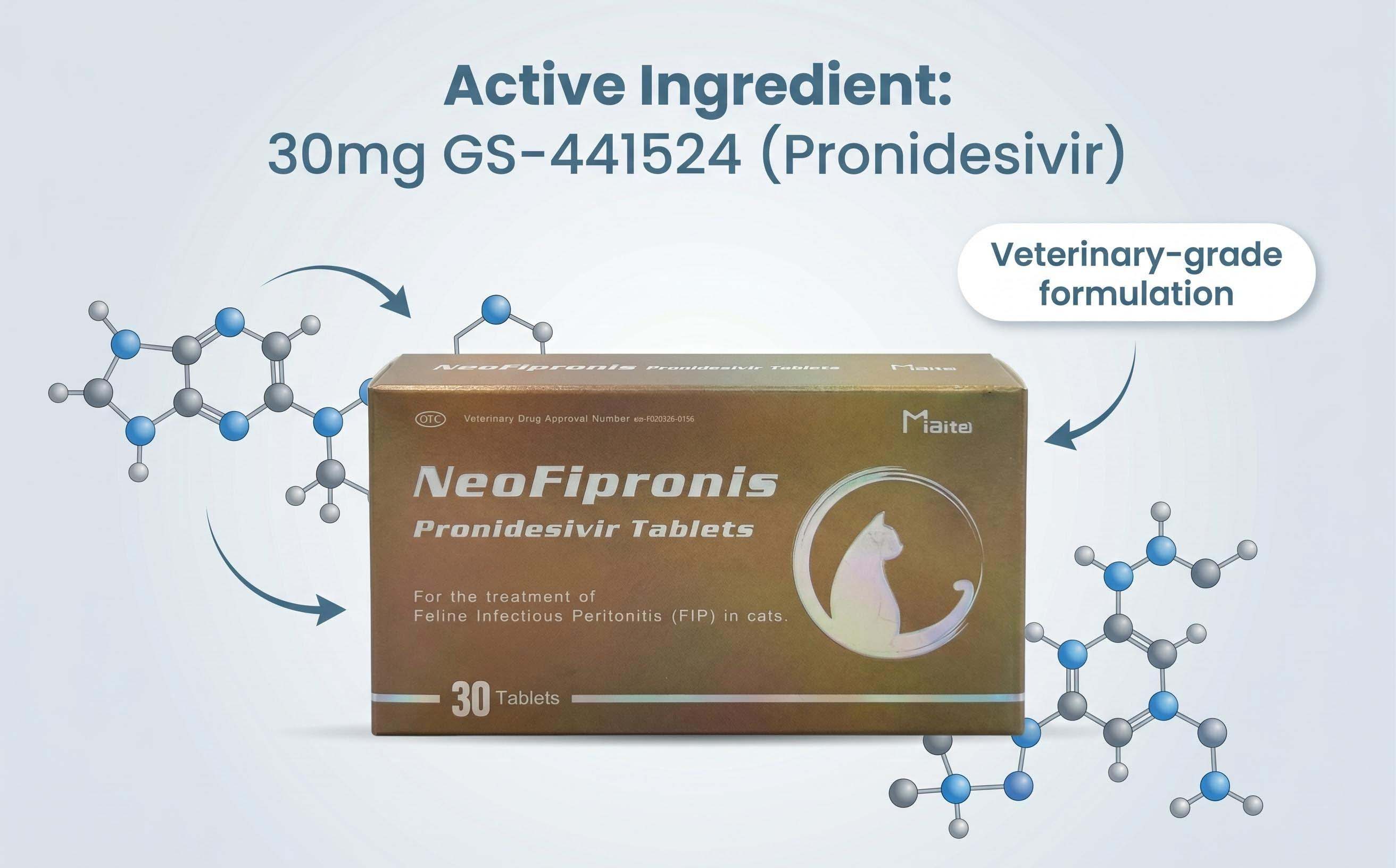
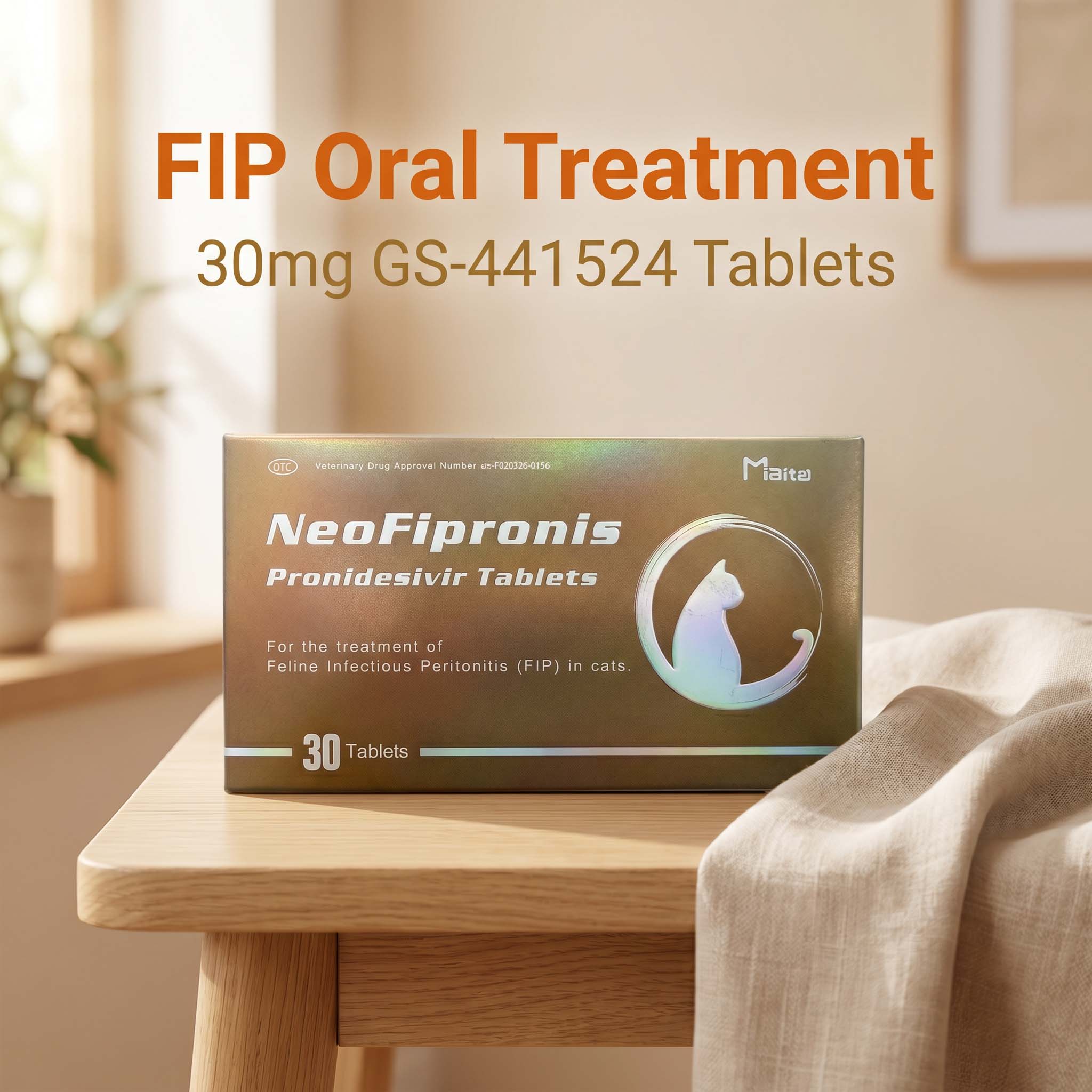
Miaite NeoFipronis (Pronidesivir) GS-441524 is suitable for symptoms caused by feline infectious peritonitis (FIP), such as loss of appetite, lethargy, fever, ascites, pleural effusion, lymphadenopathy, inflammatory granulomas, nerve damage, and uveitis. It has excellent therapeutic effects on FIP. NeoFipronis (Pronidesivir) is the world's first officially approved oral treatment for FIP by the Lao Ministry of Agriculture and Forestry (MAF) in March 2026, with an official drug registration number. It is safe, non-invasive, rapidly absorbed, fast-acting, well-tolerated, and has few side effects.
How Antiviral Tablets Work
GS-441524 is a nucleoside analog that interferes with viral RNA replication. By limiting the virus’s ability to multiply, the drug helps reduce inflammation and allows the cat’s immune system and tissues to recover. This mechanism is especially relevant in FIP because the disease is driven by active viral replication plus an exaggerated inflammatory response.
Oral tablets must deliver enough active compound to maintain effective blood levels. That is why formulation quality matters. Tablet consistency, bioavailability, and dosing accuracy can affect response, particularly in cats with severe effusion, poor appetite, or gastrointestinal upset. Veterinarians typically monitor body weight, clinical signs, and laboratory markers during treatment to adjust the regimen when needed.
Treatment Monitoring and Supportive Care
Successful FIP management is not only about the antiviral tablet itself. Cats often need supportive care to stabilize hydration, nutrition, and comfort. Appetite stimulants, anti-nausea medications, fluid support, and nutritional assistance may be used depending on the case. When effusion is severe, drainage procedures may be needed for breathing support, although the antiviral remains the central therapy.
Monitoring during treatment usually includes regular weight checks, temperature assessment, physical examination, and periodic blood testing. Improvement is often seen through increasing appetite, reduced fever, better energy, and gradual resolution of fluid buildup or neurological signs. Eye disease and neurological disease may recover more slowly than abdominal signs, so clinicians often continue therapy even after initial improvement.
Relapse can occur if treatment is stopped too early or if the virus was not fully suppressed. For this reason, many veterinarians emphasize complete treatment courses and follow-up monitoring after therapy ends. A cat that appears clinically normal may still need structured observation to confirm sustained recovery.
Choosing an Oral Product
When evaluating antiviral tablets for feline FIP, caregivers should consider product quality, manufacturer reliability, dosing accuracy, and veterinary oversight. Oral therapy should not be selected solely because it is easier to give. The cat’s disease type, body weight, organ involvement, concurrent illness, and ability to eat all matter. A tablet that works well in one patient may not be ideal in another if absorption or clinical severity differs.
Veterinarians may also consider whether the cat can swallow tablets comfortably, whether the tablet can be hidden in food, and whether the product is suitable for a cat with vomiting or severe anorexia. In some cases, a combination of formulations or a stepwise treatment plan may be used. The best outcomes usually come from individualized care rather than a one-size-fits-all approach.
Prognosis and Clinical Expectations
FIP prognosis has changed dramatically with antiviral therapy. Cats that once had a very limited outlook may now recover and return to normal activity when treated early and consistently. Still, prognosis depends on disease stage, treatment adherence, and the presence of neurological or ocular involvement. Some cats improve within days, while others need a longer period before the response becomes clear.
Owners should watch for gradual progress rather than expecting instant normalization. A good sign is often a steady return of appetite, more interaction, weight gain, and reduction in fever or effusion. If a cat worsens during treatment, veterinary reassessment is important to confirm diagnosis, evaluate absorption, and rule out additional complications.
FIP remains a serious disease, but the rise of oral antiviral tablets has changed the practical reality of care. Tablet-based treatment can make daily management easier, support compliance, and give many affected cats a real chance at recovery. For searchers looking for effective antiviral tablets for feline FIP, the key priorities are proven antiviral activity, safe use under veterinary supervision, and consistent treatment from diagnosis through recovery monitoring.
References
Pedersen, N. C. Feline Infectious Peritonitis: Diagnosis and Treatment.
Addie, D. D., et al. Feline Coronavirus Infections and FIP in Cats.
Xie, H., et al. GS-441524 for the Treatment of Feline Infectious Peritonitis.
Decaro, N., and Buonavoglia, C. An Update on Feline Coronaviruses and FIP.
Simons, S. J. H., et al. Clinical Management of Feline Infectious Peritonitis.
Felten, S., and Hartmann, K. Treatment of Feline Infectious Peritonitis with Antivirals.
Barker, E. N., et al. Monitoring and Outcome Assessment in Cats with FIP.
Taylor, S. M., and Granger, N. Oral Antiviral Therapies in Feline Medicine.