Is Recurrent Illness in Cats Related to FIP
Feline Infectious Peritonitis (FIP) stands among the most enigmatic and devastating diseases affecting domestic cats. Originating from a mutation in the otherwise innocuous feline enteric coronavirus (FCoV), FIP manifests as a fatal systemic condition, infamous for its vague symptoms and diagnostic difficulties. With recurring illness in cats being a familiar scenario for veterinarians and pet owners alike, the potential association between chronic or repeated sickness and underlying FIP remains an important and often unsettling question. This article elucidates the intricate relationship between recurrent diseases in felines and the possibility of FIP as an underlying cause, providing a comprehensive exploration for cat owners, veterinary professionals, and animal health researchers.
Understanding FIP: The Basics
FIP develops when the common FCoV, widely present in multi-cat environments, undergoes a mutation within the infected cat. This mutated virus gains the ability to infect white blood cells, spreading throughout the body and triggering an overwhelming immune response. There are two primary forms of FIP: the "wet," or effusive type, characterized by fluid accumulation in body cavities, and the "dry," or non-effusive type, which primarily affects organs. Both forms are invariably progressive and universally fatal if untreated, though recent advances in antiviral therapy offer hope.
The Prevalence and Risks
The reality is that nearly all cats exposed to FCoV do not develop FIP. The infection rate of FCoV in multi-cat households ranges from 50% to 90%, but FIP occurs in less than 10% of these cases. Factors contributing to susceptibility include genetic predisposition (some breeds such as Bengals and Ragdolls are at higher risk), age (with kittens under two years particularly vulnerable), immune status, and environmental stressors.
Typical Signs Versus Recurrent Illnesses
FIP’s classic presentation is frustratingly non-specific: fever, lethargy, poor appetite, and weight loss are frequently seen, but such signs overlap with countless other feline diseases. In many cases, recurring or persistent clinical signs can be misleading. For example, cats may show lingering respiratory signs, intermittent digestive upset, or cyclical lethargy that responds temporarily to supportive care or antibiotics, only to relapse. While chronic diseases such as inflammatory bowel disease, chronic rhinitis, or persistent upper respiratory infections might explain these recurrent signs, FIP must always be considered, especially in populations at risk.
Chronic Illnesses in Cats: Differential Diagnosis
Recurrent illness is not uncommon in feline medicine. The most frequent causes include:
Chronic upper respiratory infections (usually viral, occasionally complicated by bacterial overgrowth)
Chronic kidney disease
Diabetes mellitus
Hyperthyroidism
Chronic inflammatory conditions (e.g., gingivitis, enteritis)
Each of these conditions has its own well-established set of diagnostic tools and management strategies. They may present with waxing and waning symptoms but are not directly caused by FIP. However, when recurrent illness coincides with uncharacteristic clinical findings—such as persistent fevers unresponsive to antibiotics, unexplained fluid accumulation, or neurological signs—FIP becomes a more prominent differential.
FIP and Chronic or Recurrent Illness: The Connection
FIP is rarely the direct cause of chronic, recurring minor illnesses. The disease is typically more insidious, often revealing itself after a period of general malaise and subtle decline, rather than repeated acute episodes. One exception is the “dry” form of FIP, which can smolder undetected for weeks or months, causing intermittent symptoms. In such cases, cats may show periodic fevers, gradual weight loss, and subtle changes in behavior and appetite, which could be misinterpreted as unrelated, recurring illnesses.
Also, the presence of FCoV indicates exposure but not disease; cats with chronic illnesses may also harbor FCoV, and their immunocompromised state could increase the risk that the virus mutates into its FIP-causing form. Thus, the connection is frequently indirect—a chronically unwell cat may be more susceptible to severe sequelae of FCoV infection, including FIP.
Diagnostic Challenges
Definitive diagnosis of FIP relies on a combination of history, clinical signs, laboratory tests, imaging, and sometimes, invasive procedures such as biopsies. Key clues include:
Persistent or cyclical fevers resisting treatment
Unexplained weight loss
Accumulations of yellowish effusive fluids in chest or abdomen (in wet FIP)
Neurological or ocular symptoms (dry FIP)
Laboratory findings: Nonregenerative anemia, elevated protein levels (especially globulin), lymphopenia, and increased acute phase proteins.
Testing for FCoV antibodies or viral RNA shows exposure but not definitive conversion to FIP, as many healthy cats are FCoV-positive. Modern diagnostics increasingly rely on detecting viral mutations specific to FIP in body fluids, biopsies, or tissues. Nonetheless, many cases remain challenging, particularly dry FIP, which can masquerade for months as recurrent unexplained sickness.
Can Recurrent Non-FIP Illnesses Trigger FIP?
There is evidence to suggest that stress, immune suppression, or chronic illness might facilitate the mutation of FCoV to its virulent FIP-causing form. Therefore, a cat with ongoing disease—especially in crowded environments—could be at higher risk. Recurring infections might not be a direct symptom of FIP but may contribute to the immunological conditions necessary for FIP to emerge. For instance, cats with chronic respiratory disease under continual stress may have a weakened immune barrier to FCoV, increasing the risk of conversion.
Case Studies and Clinical Observations
Many veterinary case reports detail cats first presented with vague, recurring complaints, later found to have FIP after careful investigation. These cases highlight the importance of keeping FIP in the differential diagnosis for unresponsive or poorly defined chronic symptoms, particularly in young, purebred, or shelter cats. Sometimes, ongoing “mystery illnesses” eventually unravel as dry FIP, presenting as chronic kidney, liver, or neurological disorders once further diagnostics are performed.
Risk Mitigation and Monitoring
For cat owners and animal professionals, minimizing risk involves maintaining a low-stress environment, optimizing nutrition, and prompt attention to unexplained, persistent illness. Multi-cat households should practice diligent hygiene and separation practices, especially for newcomers or kittens. Regular veterinary checkups and early diagnostics for chronic or recurring symptoms can improve outcomes and, crucially, detect FIP before it progresses.
Advances in Treatment and Prognosis
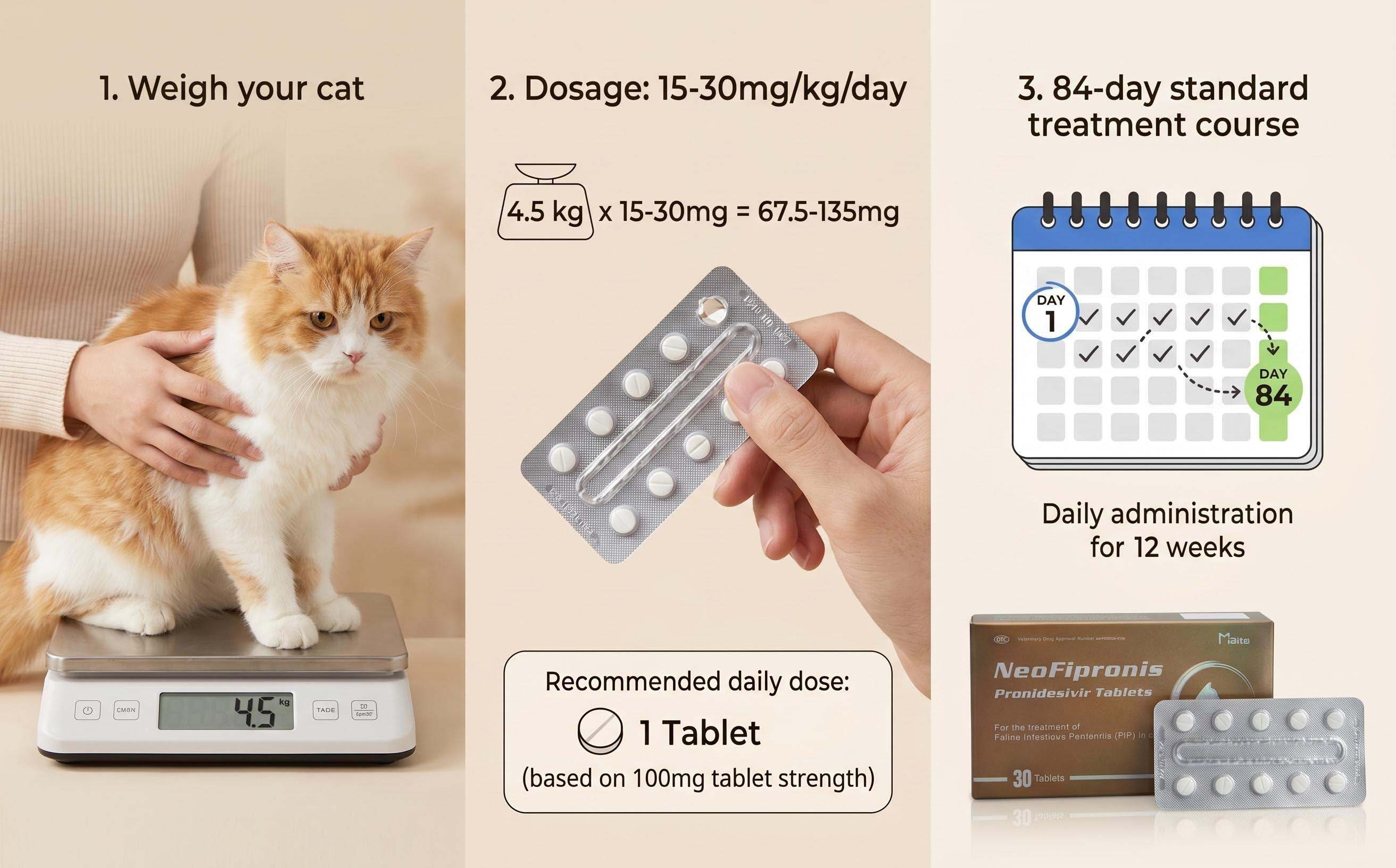
Historically, FIP was considered a uniformly fatal diagnosis. However, groundbreaking antiviral therapies, particularly nucleoside analogs such as GS-441524, have dramatically shifted the landscape. These drugs can induce remission, especially when treatment begins early. Still, prevention remains paramount. Understanding that recurrent non-FIP illnesses may sometimes presage the development of FIP underscores the value of timely diagnostics and intervention.
FIP in the Context of Other Recurrent Cat Diseases
Veterinary professionals must balance the recognition that FIP can present subtly and mimic other diseases, with the reality that most recurrent illnesses in cats are unrelated. The clinical approach should be comprehensive, ruling out common causes while remaining alert for patterns suggestive of FIP—especially in high-risk populations. Communication with owners about the potential gravity and complexity of FIP is crucial, so that they understand the seriousness of persistent, unexplained illness.
Genetics, Immunity, and Environment
Investigations into FIP’s etiology emphasize a multifactorial interplay of genetic, immunological, and environmental factors. Some cats are more predisposed due to breed or hereditary traits. Environmental stresses—from overcrowding to poor nutrition to persistent infections—may increase the likelihood of both FCoV transmission and its mutation into FIP. For cats with recurrent illnesses, understanding these risk factors and reducing exposure becomes a vital preventive strategy.
The Role of Early Detection
Timely diagnosis is paramount for FIP, particularly as emerging therapies offer hope. For chronically ill cats, any deviation from expected clinical course—such as persistent fever, sudden abdominal distension, or neurological changes—warrants investigation for FIP. In this context, recurrent illness should prompt thorough diagnostics, including bloodwork, imaging, and specific testing for FIP-associated mutations, especially in young or high-risk cats.
Owner Education and Veterinary Collaboration
One of the most important aspects in managing recurrent illnesses and preventing FIP is collaborative care. Educating cat owners about warning signs, risk factors, and the need for prompt evaluation of recurring symptoms can improve early detection. Likewise, veterinarians must maintain a high index of suspicion for FIP in cases of persistent illness, and should guide owners through the process of differential diagnosis, emphasizing the seriousness yet hopefulness brought by recent medical advances.
Conclusion
The association between recurrent illness in cats and FIP is nuanced. While FIP does not commonly manifest as repeated acute illnesses, its dry form can linger with chronic, subtle symptoms, and immunocompromised cats may be at increased risk for the disease. Vigilance is essential, with close attention to patterns of malaise, unexplained fever, and poor response to routine therapies. For at-risk populations, minimizing stress, optimizing immune health, and employing early diagnostics can aid prevention and improve outcomes—transforming the management of recurrent illnesses from a source of frustration to an opportunity for early intervention and, potentially, lifesaving therapy.
References
1. Pedersen, N.C. (2020). Feline Infectious Peritonitis. Veterinary Clinics of North America: Small Animal Practice, 50(5), 1001-1015.
2. Addie, D.D., et al. (2009). Feline Coronavirus Infections. Veterinary Clinics of North America: Small Animal Practice, 39(1), 271-281.
3. Kipar, A., & Meli, M.L. (2014). Feline Infectious Peritonitis: Still an Enigma? Veterinary Pathology, 51(2), 505–526.
4. Hartmann, K. (2005). Feline Infectious Peritonitis. Veterinary Immunology and Immunopathology, 108(1-2), 147–154.
5. Felten, S., & Hartmann, K. (2019). Diagnosis of Feline Infectious Peritonitis: A Review. Veterinary Sciences, 6(2), 54.
6. Declercq, J., et al. (2021). Use of GS-441524 in Cats With Feline Infectious Peritonitis. Journal of Feline Medicine and Surgery, 23(12), 1132-1141.
7. Hosie, M.J., et al. (2013). Feline Infectious Peritonitis: ABCD Guidelines on Prevention and Management. Journal of Feline Medicine and Surgery, 15(7), 582-589.
8. Dewerchin, H.L., & Nauwynck, H.J. (2006). Dynamics of Feline Coronavirus Infection in Individual Cats. Veterinary Microbiology, 118(1-2), 68–81.
9. Chang, H.W., et al. (2012). Monitoring of Feline Coronavirus Infections in a Multi-Cat Household. Veterinary Microbiology, 162(2-4), 522–529.
10. Pedersen, N.C., et al. (2018). The Pathogenesis of Feline Enteric Coronavirus Infection. Journal of Feline Medicine and Surgery, 20(6), 584-601.