Can FIP Symptoms Be Monitored At Home
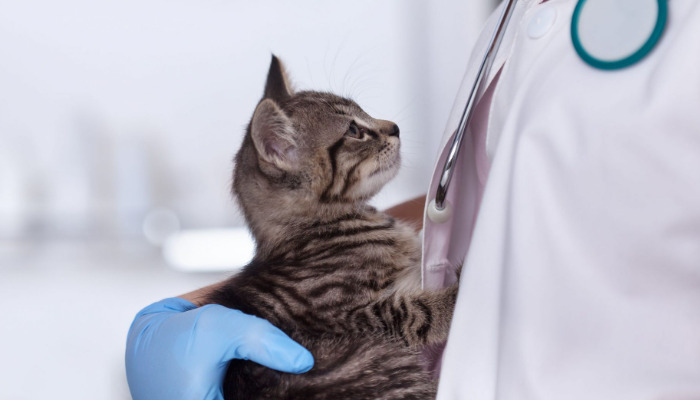
Feline Infectious Peritonitis (FIP) has long been one of the most dreaded diagnoses for cat owners and veterinarians alike. Caused by certain strains of feline coronavirus, FIP is largely fatal and manifests in various clinical forms that make early detection and monitoring a challenge. With the development of new treatments and increased scientific understanding, there is a growing focus on empowering cat owners to recognize symptoms and monitor disease progression at home. This guide highlights methods for effectively observing FIP symptoms, distinguishing between normal feline behaviors and clinical signs, and optimizing home care for cats diagnosed with FIP.
Understanding FIP: Forms, Symptoms, and Disease Progression
FIP comes in two major forms: effusive (wet) and non-effusive (dry). Each presents unique challenges for home monitoring.
Effusive (Wet) FIP is characterized by fluid accumulation in body cavities, like the abdomen or chest, leading to swelling, breathing difficulties, or visible discomfort.
Non-Effusive (Dry) FIP is marked by less obvious signs, presenting as eye changes, neurological symptoms, or vague systemic illness.
General FIP symptoms include:
Persistent fever unresponsive to antibiotics
Weight loss and inappetence
Lethargy and withdrawal
Abdominal distension or difficult breathing
Neurological or ocular disturbances
Effective home monitoring begins with understanding these symptoms and their significance.
Daily Observation: Building Effective Routines
Cat owners are often intimately aware of their pets’ baseline behaviors and routines. Home monitoring starts with structured observation:
Activity Levels: Note changes in playfulness, willingness to explore, or rest patterns. Increased sleeping, reluctance to move, or unusual hiding could indicate declined health.
Appetite and Drinking Habits: Consistently track meals and water intake. Loss of appetite or reluctance to drink may accompany FIP and should trigger concern.
Bathroom Habits: Observe urination and defecation. Diarrhea, constipation, or changes in litter box use may denote abdominal discomfort or illness.
Physical Appearance: Palpate the abdomen gently for distension or pain. Track any swelling, sudden weight changes, or visible signs of fluid build-up.
Respiratory Patterns: Watch for labored or rapid breathing, coughing, or wheezing, especially in effusive FIP.
Neurological Status: Check for disorientation, tremors, abnormal gait, or behavior changes; these may surface in dry FIP.
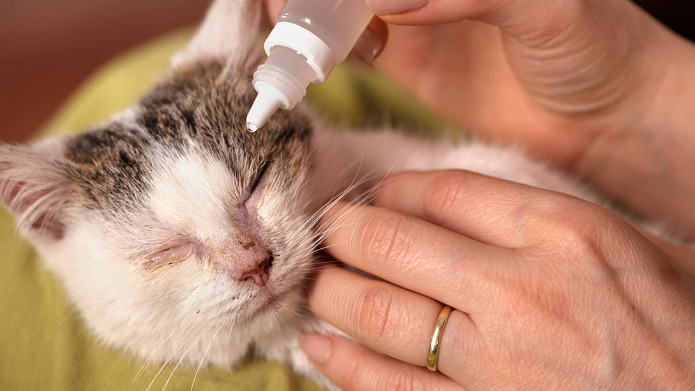
Eyes and Face: Inspect the eyes for redness, cloudiness, or dilated pupils. Monitor facial symmetry and look for unusual drooling.
Utilizing a symptom diary or monitoring app helps record these variables accurately over time, facilitating clearer communication with veterinarians.
Measuring and Tracking Clinical Indicators at Home
Certain measurements provide more objective data to assess disease progression:
Temperature: Use a digital pet thermometer to check your cat’s temperature once daily, preferably at rest. FIP cats often run fevers above 103°F (39.4°C).
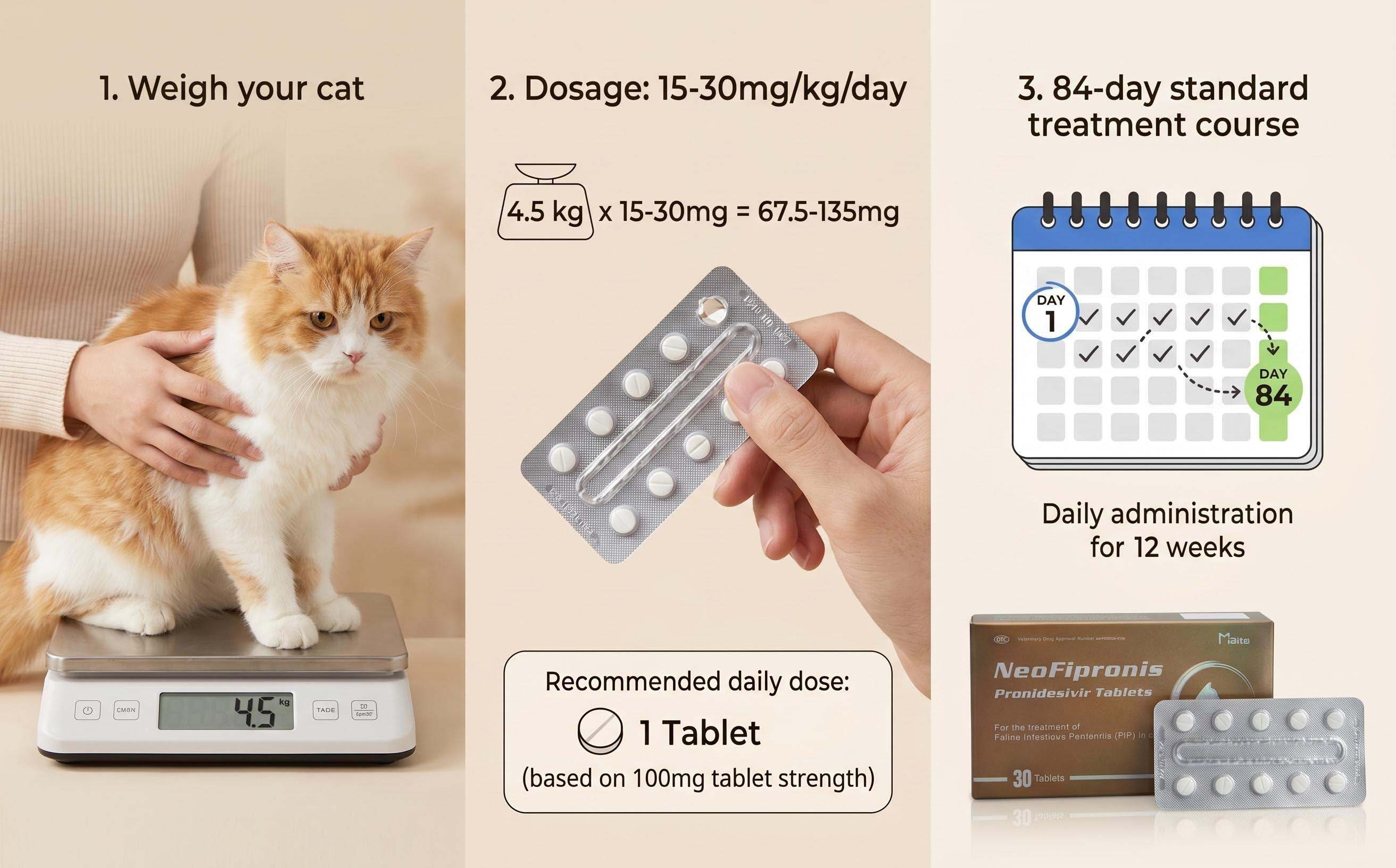
Weight: Weigh your cat regularly using a digital pet scale, noting trends of weight loss or gain.
Respiratory Rate: Count the number of breaths per minute when your cat is relaxed. Rates above the normal 20-30 breaths/min are concerning.
Photographic Records: Take weekly photographs documenting abdominal size, facial appearance, and overall posture for comparative analysis.
These objective benchmarks, combined with observational insights, offer a powerful toolkit for monitoring FIP at home.
Identifying Emergency Signs and When to Contact Your Veterinarian
While home monitoring is vital, certain warning signs warrant immediate veterinary attention:
Sudden collapse or unresponsiveness
Severe difficulty in breathing
Seizures or uncontrolled tremors
Profound abdominal swelling with distress
Inability to eat or drink for 24 hours
Marked jaundice (yellowing of eyes/gums)
Uncontrollable vomiting or diarrhea
Cat owners should establish a safety protocol including emergency vet contact numbers and a plan for transport.
Supporting FIP Treatment: Medication and Home Environment Management
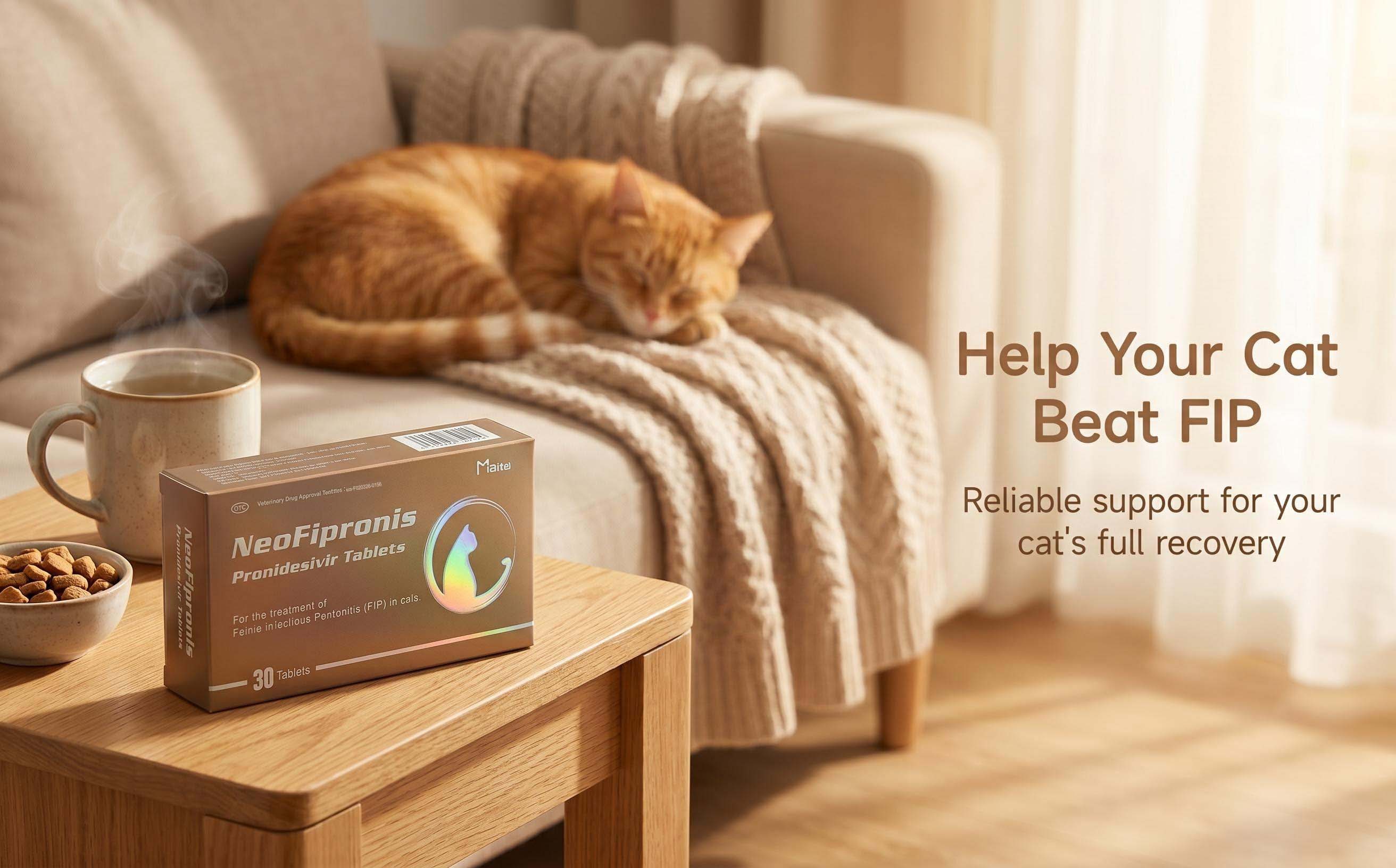
With emerging antiviral drugs like GS-441524 and Remdesivir, home-based treatment is increasingly common. Monitoring drug administration and potential side effects is critical:
Medication Logging: Document doses, timing, and any observed reactions, such as vomiting, diarrhea, or behavioral changes.
Side Effect Awareness: Watch for signs of allergic reaction (swelling, rash), gastrointestinal upset, or neurological changes.
Supportive Care: Ensure your cat is comfortable. Provide soft bedding, quiet resting areas, and adequate hydration. Temperature regulation is especially important for feverish animals.
Tailoring the environment and daily routine promotes recovery and emotional well-being.
Collaborating with Your Veterinarian: Home Monitoring as a Diagnostic Tool
Accurate, detailed home observations enhance veterinary visits. Owners should:
Bring symptom diaries, photos, and measurement records.
Discuss trends, improvements, or deteriorations objectively.
Ask about additional home monitoring techniques specific to their cat’s case.
Such collaboration ensures more personalized care and early detection of complications.
Leveraging Technology for FIP Home Monitoring
Modern technology offers useful tools for tracking feline health:
Wearable Collars and Tags: Devices record real-time data on movement, heart rate, respiratory rate, etc., and sync with mobile apps.
Automated Feeders and Waterers: Some models track intake and alert owners to sudden declines.
Litter Box Monitors: Smart boxes record frequency of use and stool characteristics.
While not a substitute for hands-on care, these devices can augment traditional home monitoring.
Challenges and Limitations of Home Monitoring FIP Symptoms
Despite its benefits, home monitoring is not a stand-alone solution. The subtleties of FIP and variability of presentation mean that:
Some signs (especially internal organ involvement) may elude casual observation.
Lab testing (bloodwork, ultrasound, imaging) remains essential for diagnosis and assessment.
Owners should avoid self-diagnosis; home monitoring complements, but never replaces, professional veterinary evaluation.
It’s important to recognize psychological stress that owners may experience when constantly watching for symptoms. Regular consultations with your veterinarian can help balance vigilance and well-being.
Education and Resources for Cat Owners
Cat owners coping with FIP benefit from a support system. Reputable sources include:
Veterinary specialists in feline medicine
Educational websites (Cornell Feline Health Center, Winn Feline Foundation)
Online support groups focused on FIP care and navigation of antiviral treatments
Staying updated with the latest research and treatment strategies is crucial for maximizing outcomes.
Conclusion: Optimizing FIP Management through At-Home Symptom Monitoring
Effective home monitoring empowers owners to provide optimal management for their cats facing FIP. By combining observation, measurement, vigilance for emergency signs, and collaborative engagement with veterinary professionals, cat owners can detect clinical changes early, support novel treatment regimens, and improve the quality of life for FIP-affected cats. With the expansion of home-based therapies, ongoing education and adaptation of monitoring techniques will remain integral to the care strategy for FIP.
References
1. [Pedersen, N.C. (2020). Feline Infectious Peritonitis: An Update. Veterinary Clinics: Small Animal Practice, 50(5), 1001-1021.](https://www.vetmed.ucdavis.edu/faculty/niels-pedersen)
2. [Felten, S., & Hartmann, K. (2019). Diagnosis of Feline Infectious Peritonitis: A Review of the Current Status and Future Directions. Veterinary Journal, 244, 15-24.](https://www.sciencedirect.com/science/article/abs/pii/S1090023319301397)
3. [Cornell Feline Health Center. Feline Infectious Peritonitis (FIP). Cornell University College of Veterinary Medicine.](https://www.vet.cornell.edu/departments-centers-and-institutes/cornell-feline-health-center/health-information/feline-infectious-peritonitis-fip)
4. [Addie, D.D., et al. (2022). Feline Coronavirus—Pathogenesis, Prevention, and Treatment. Journal of Feline Medicine and Surgery, 24(2), 117-134.](https://journals.sagepub.com/doi/10.1177/1098612X221084645)
5. [Winn Feline Foundation (2021). FIP Treatment in Cats—Where Are We Now?](https://www.winnfelinefoundation.org/education/cat-health-news-blog/details/education/2021/04/20/fip-treatment-in-cats)
6. [Dickinson, P.J., et al. (2020). Clinical and Pathological Features of FIP in Cats. Frontiers in Veterinary Science, 7, 588.](https://www.frontiersin.org/articles/10.3389/fvets.2020.00588/full)