What Is Feline Infectious Peritonitis (FIP)

Feline Infectious Peritonitis (FIP) stands as one of the most enigmatic and feared diseases among cat owners, breeders, and veterinarians worldwide. This viral condition, fatal in nearly all untreated cases, continues to challenge the understanding and capabilities of veterinary science due to its elusive nature, complex pathology, and unpredictable course. Grasping the full picture of FIP requires a deep dive into its origins, clinical presentation, risk factors, diagnostics, prevention strategies, and recent innovations in treatment.
The Origins and Biology of FIP
FIP is caused by a mutated strain of feline coronavirus (FCoV). The benign form of FCoV is incredibly common, especially in multi-cat environments, with many cats exposed and infected during their lives. The virus typically resides in the gastrointestinal tract, where most cats remain entirely healthy or show mild, transient signs like soft stools. However, in rare cases, the low-pathogenic FCoV undergoes a mutation inside a carrier cat, morphing into the highly virulent form that causes FIP.
FIP does not spread directly between cats in its disease-causing form, but cats living in groups are at greater risk due to higher virus circulation and stress levels. Researchers believe that genetics, immune function, and environmental stressors all play roles in which cats develop FIP, but a precise, universally accepted explanation remains elusive.
Forms and Symptoms of FIP
FIP manifests in two primary forms: the effusive (wet) form and the non-effusive (dry) form. Symptoms depend on which form predominates, complicating prompt and accurate diagnosis.
Effusive (Wet) FIP
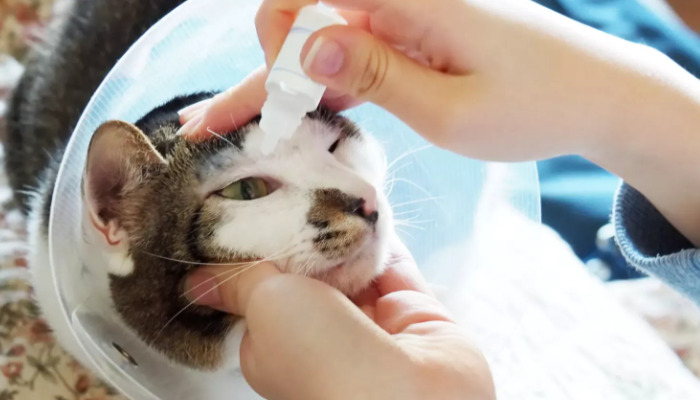
The wet form is characteristically swift and dramatic, with fluid accumulation in body cavities—most often the abdomen or chest. These fluids cause a swollen belly, difficulty breathing if the chest cavity fills, and rapid weight loss. Fever, lethargy, and poor appetite are almost universal.
Non-Effusive (Dry) FIP
The dry form, on the other hand, progresses more slowly and features granulomatous (inflammatory) lesions in organs like the liver, kidneys, eyes, and brain. Clinical signs vary widely, including persistent fever, neurological deficits (seizures, wobbliness), eye inflammation, jaundice, vomiting, and organ dysfunction. Some cats may show both forms simultaneously or transition from dry to wet FIP.
Risk Factors and Epidemiology
FIP disproportionately affects cats under two years old, although it can develop at any age. Shelters, catteries, and homes with numerous cats are fertile grounds for the parent coronavirus, elevating risk. Stressful events—re-homing, surgeries, or introduction of new pets—can also trigger susceptibility. Certain breeds, notably purebreds such as Bengals and Abyssinians, appear predisposed, possibly due to genetic factors shaping immune response.
Yet, most cats exposed to FCoV never develop FIP, even if they shed the virus for extended periods. The rarity of the FIP transformation illustrates both the complexity of its pathogenesis and the limitations of available preventive strategies.
Diagnosis: Challenges and Strategies
FIP’s symptoms mimic those of other feline ailments, frustrating veterinarians and owners alike. No single test or sign is conclusive, making diagnosis a nuanced, multi-step process.
Veterinarians typically begin with a combination of clinical examination, blood tests, fluid analysis, and imaging. Key laboratory signs include persistent non-responsive fever, lymphopenia, elevated globulins, and anemia. In wet FIP, analysis of abdominal or chest fluid often reveals a protein-rich, straw-colored exudate. However, none of these findings alone confirm FIP.
Advanced diagnostics may involve PCR testing for FCoV RNA in tissues or fluids and immunohistochemistry on biopsied lesions. Antibody titers for FCoV can be helpful, but since so many cats test positive for the parent virus, interpretation requires clinical context. Ultimately, a definitive diagnosis may only be reached through tissue biopsy and direct detection of FIP-specific viral components.
Prevention and Control in Multi-Cat Homes
Given FCoV’s ubiquity, total prevention is unrealistic, especially in households or facilities with multiple cats. Nevertheless, strategic control measures can minimize overall risk.
Routine hygiene—frequent litter box cleaning, disinfection, and good air circulation—reduces viral load. Limiting group sizes, especially among kittens, decreases the risk of widespread FCoV exposure. Minimizing environmental stress through gentle socialization and avoiding overcrowding are important. Segregating new or sick cats, and following strict protocols when introducing kittens, helps maintain a stable group with reduced infection rates.
Attempts to eradicate FCoV from a cattery or shelter are generally impractical, but controlling its spread and minimizing mutation opportunities remains achievable. Some breeders invest in regular virus testing and isolate positive cats. While controversial, a commercial FIP vaccine exists; however, its effectiveness is debated, and it is not universally recommended.
Modern Treatments and Veterinary Advances
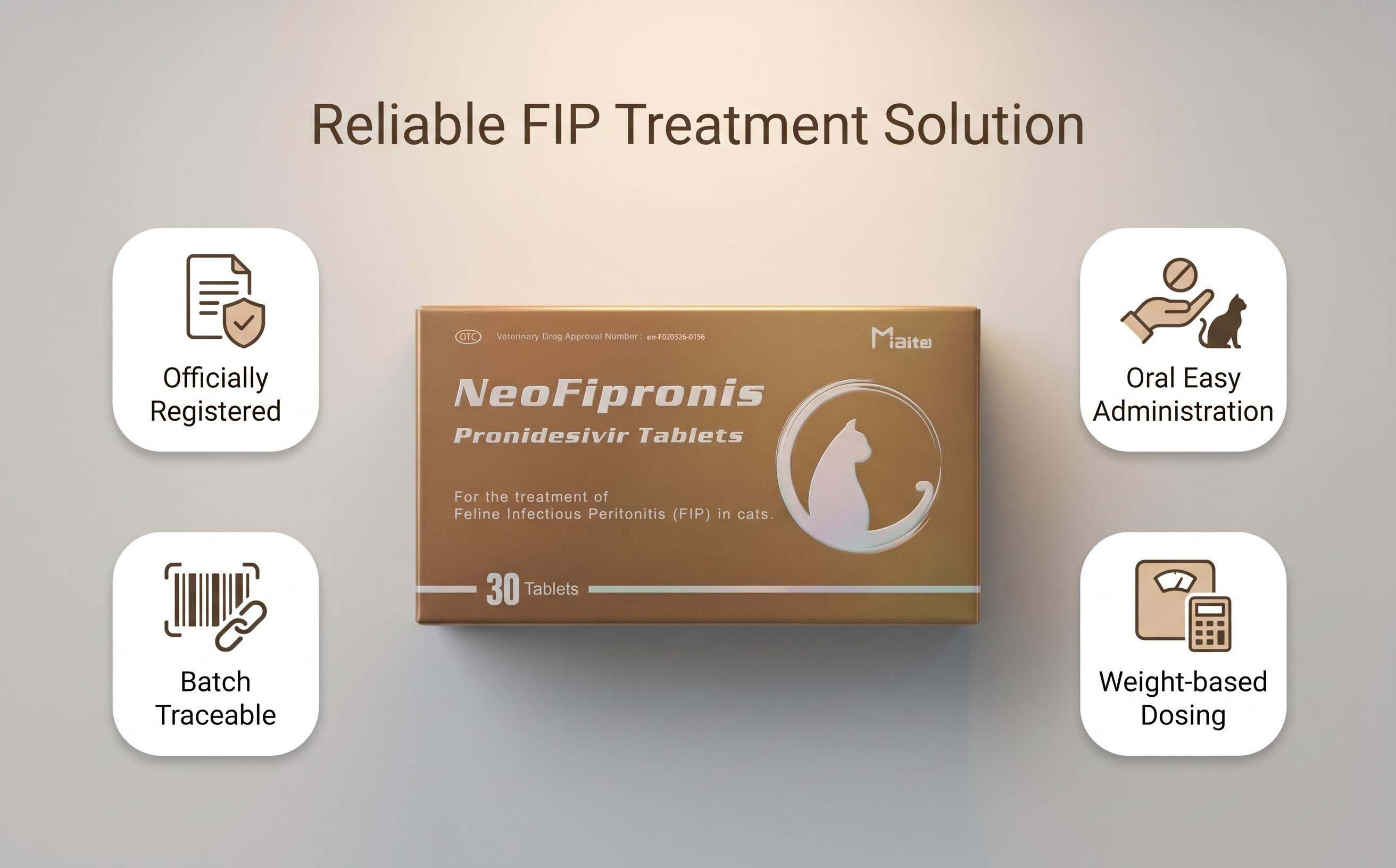
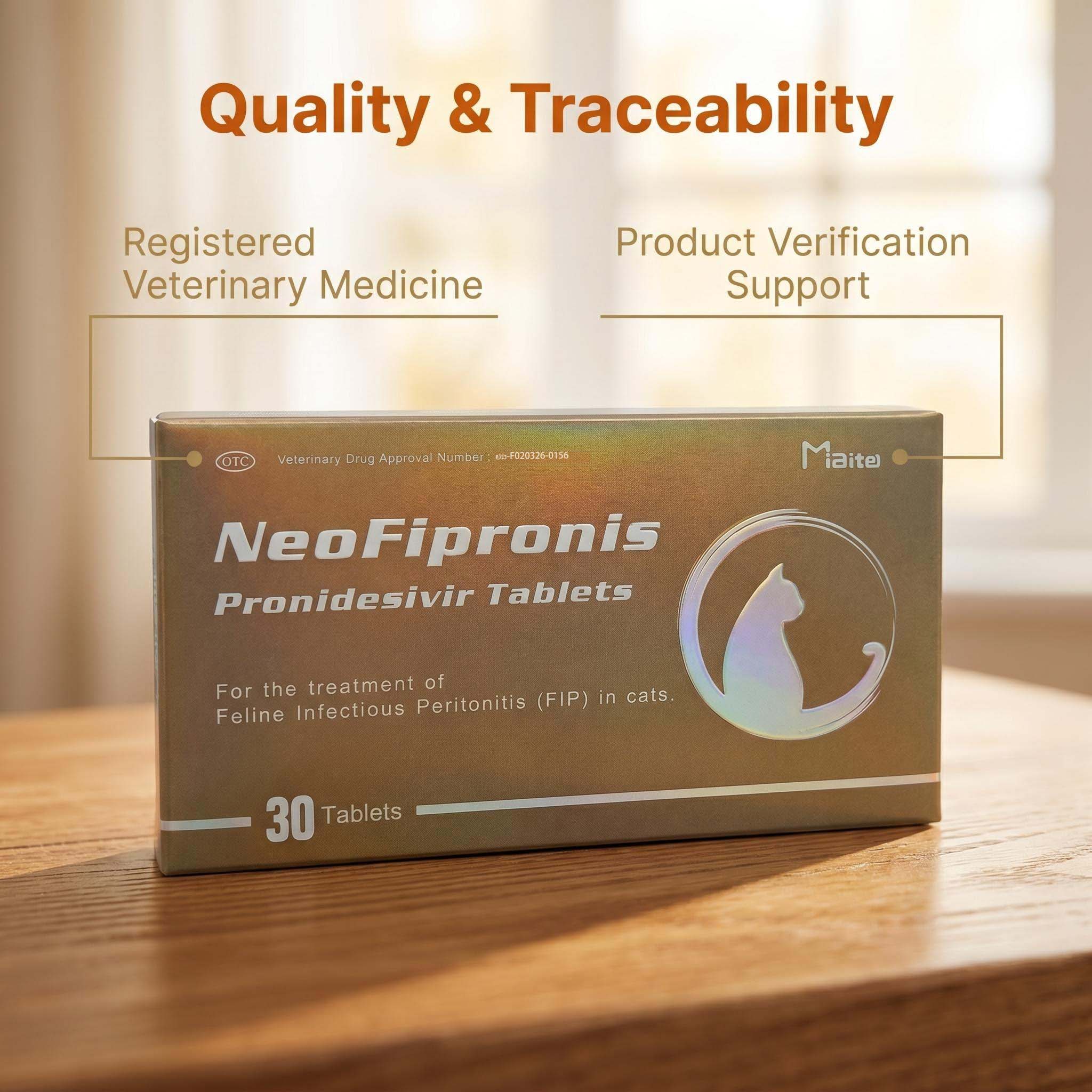
FIP was long regarded as untreatable, with almost all cases ending in euthanasia or rapid decline. Hope arrived recently in the form of antiviral drugs—most prominently GS-441524 and remdesivir. These compounds target viral replication and have produced remarkable remission rates when administered early and consistently.
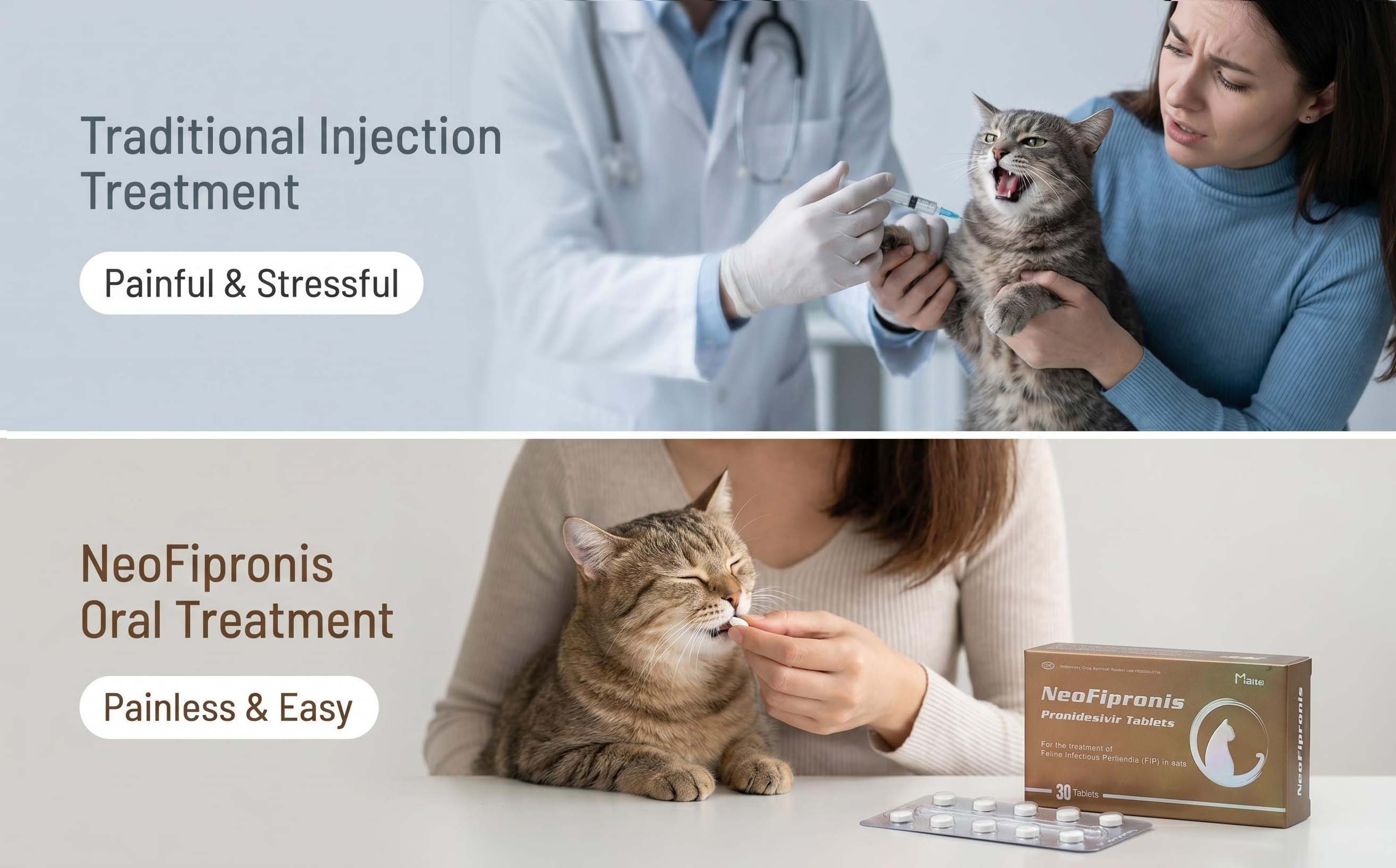
Treatment protocols are evolving, but typically involve daily oral or injectable doses over several weeks. Continuous monitoring, bloodwork, and supportive care address complications arising from organ involvement. Cats undergoing successful antiviral therapy can regain full health, though relapses may occur and accessibility to medications can remain a challenge due to regulatory restrictions in some regions.
Other supportive treatments, including steroids, appetite stimulants, and fluids, play secondary but crucial roles in sustaining cats through recovery. As new antivirals emerge and become more widely available, the outlook for FIP cats is improving rapidly.
Living with a FIP-Exposed Cat or Recovering Patient
Owners of cats diagnosed with FIP face overwhelming emotional and practical burdens. Choosing treatments, monitoring progress, and providing palliative care require patience and resolve. It is crucial to stay in close contact with a veterinarian, especially during the active phase of antiviral therapy.
For cats returning to health after FIP, reinfection risk remains low, but vigilance is warranted for possible relapses or associated health issues. Catteries or shelters may need to reassess their management protocols, emphasizing hygiene, stress management, and strategic group housing. Regular veterinary check-ups and supportive nutrition go a long way towards ensuring a full recovery.
FIP and the Future: Research, Hope, and Limitations
Our understanding of FIP is expanding as genetic, immunological, and virological research accelerates. Scientists are unraveling how mutations in FCoV alter immune responses and drive disease progression, potentially paving the way for targeted therapies and better prevention strategies.
The ethical, financial, and emotional dimensions of FIP continue to shape discourse among veterinarians, researchers, and cat owners. Access to life-saving treatments grows year by year, although affordability, regional regulations, and supply questions persist. The dream of a universally effective, widely available cure for FIP remains just on the horizon.
References
Pedersen NC. "Feline infectious peritonitis and feline enteric coronavirus infections. Part 1: Feline enteric coronavirus." Feline Practice.
Kipar A, Meli ML. "Feline Infectious Peritonitis: Still an Enigma?" Veterinary Pathology.
Addie DD, Jarrett O. "Feline coronavirus infections." Encyclopedia of Virology.
Drechsler Y, Alcaraz A, Grunberg W, et al. "Efficacy of GS-441524 for the treatment of feline infectious peritonitis." Journal of Feline Medicine and Surgery.
O’Brien SJ, Roelke ME, et al. "Genetic determinants of feline infectious peritonitis in cats." Veterinary Immunology and Immunopathology.
Hartmann K. "Feline infectious peritonitis." Veterinary Clinics of North America: Small Animal Practice.
Dempsey SM, Ewing PJ. "Feline infectious peritonitis: Diagnostic dilemmas." The Compendium: Continuing Education for Veterinarians.